


News
We'll get back to you as soon as possible.
Biogas Plant in Dairy Farm: From Manure Waste to Methane Revenue
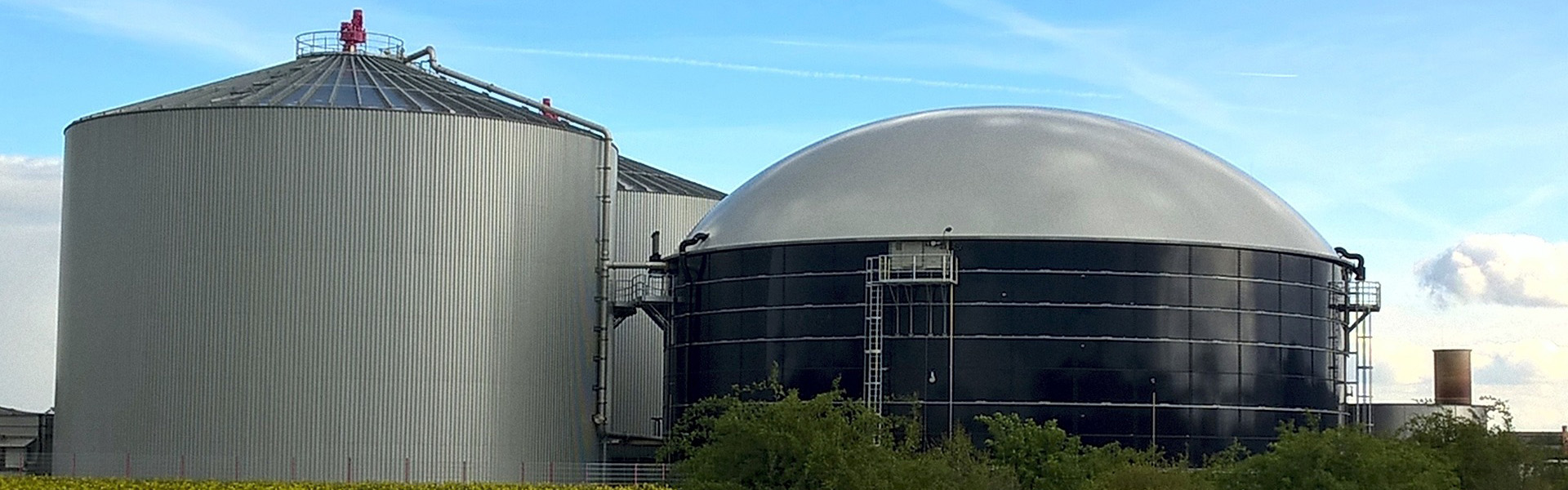
Dairy farms produce a lot of manure. One cow generates about 30 gallons of manure daily. For a 1,000-cow farm, that is 30,000 gallons every day. Left untreated, that manure releases methane into the air. Methane traps heat 25 times more than CO₂. But here’s the opportunity: A biogas plant in dairy farm captures that methane, converts it into electricity, heat, or even pipeline-grade biomethane. Instead of paying for waste disposal, you earn from energy and carbon credits. This article walks you through real-world designs, membrane upgrading, and why dozens of large dairies are installing biogas systems now.
Why a Biogas Plant in Dairy Farm Pays Back Faster Than You Think
Dairy farmers face rising energy costs and tighter environmental rules. In California, the Low Carbon Fuel Standard (LCFS) pays dairy biogas projects up to $200 per ton of methane avoided. In Europe, renewable gas incentives make biomethane profitable. A well-designed biogas plant changes the whole farm economy.
Take a typical 1,500-cow dairy. That herd produces roughly 21,000 gallons of manure daily. An anaerobic digester converts that into 300–400 cubic meters of raw biogas per day (60–65% methane). After cleaning, you get about 230 cubic meters of pure biomethane. That biomethane can replace 80 gallons of diesel per day or generate 1,200 kWh of electricity.
At $0.12/kWh electricity and $0.80/kg for carbon credits, the annual revenue hits $70,000–$100,000. And the farm no longer spends money on manure hauling. Payback usually falls between 3 and 7 years, depending on local incentives. Many farmers then lock in another 15 years of near-zero fuel costs.
Core Technologies Inside a Modern Biogas Plant in Dairy Farm
Not all biogas plants are the same. A dairy farm needs equipment that handles high solids, tough fibers (bedding, feed residues), and unpredictable manure consistency. Here are the four essential components.
Anaerobic digester type: Most dairy farms use either a covered lagoon (for warmer climates) or a complete-mix concrete tank (for colder regions). Covered lagoons are cheaper but slower. Concrete tanks with heating coils produce more gas per cubic meter but cost more upfront. Many medium-to-large dairies pick a CSTR (continuously stirred tank reactor) because it handles bedding material like sand or sawdust without clogging.
Biogas clean-up train: Raw manure biogas contains 2,000–4,000 ppm hydrogen sulfide (H₂S) plus water vapor and siloxanes. You need a desulfurization unit (biological or iron sponge) to drop H₂S below 200 ppm. Then a chiller or condenser removes moisture. Some operators add activated carbon for siloxanes, especially if the gas goes into a gas engine.
Biogas upgrading (membrane system): For electricity-only projects, you can feed raw biogas (after H₂S removal) directly to a generator. But if you want pipeline biomethane or vehicle fuel, you need to upgrade it. Membrane technology is the simplest choice for dairies. The gas is compressed to 8–12 bar and passed through hollow-fiber membranes. CO₂ and residual H₂S permeate out, leaving methane at 96–99% purity. Companies like OPM supply containerized three-stage membrane units that also include H₂S polishing. The final CO₂ content can be less than 2%.
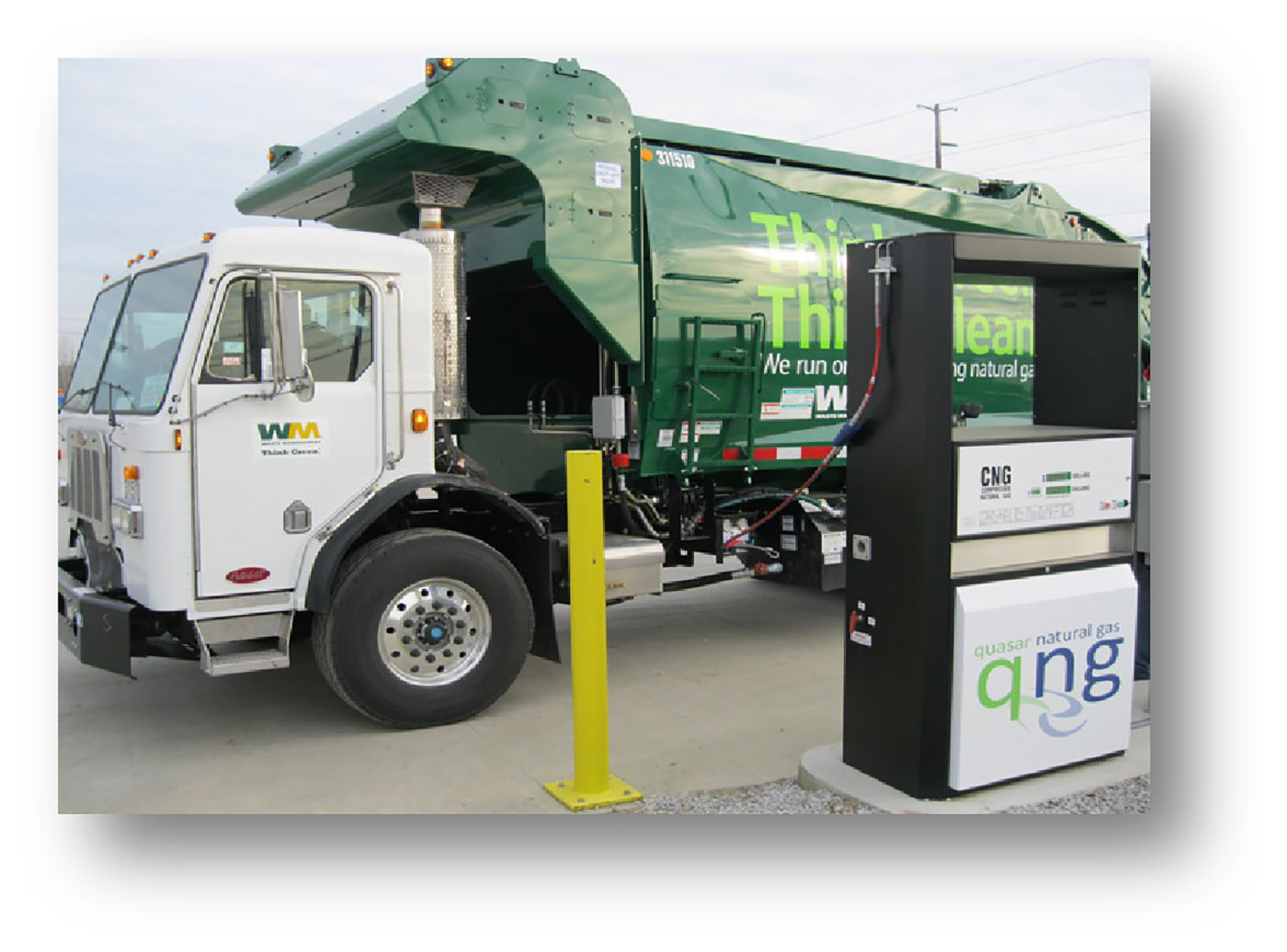
Gas storage and end-use: A double-membrane gas holder stores 1–2 days of production. From there, the gas goes to a combined heat and power (CHP) engine, a boiler, or a biomethane injection skid. Some dairies even compress biomethane into bio-CNG for milk trucks.
Overcoming Common Failures in Dairy Farm Biogas Projects
I have visited dairies where the biogas plant sat idle for months. The reasons are predictable. Learn from their mistakes.
Problem #1 – Sand and grit in manure. Many freestall barns use sand bedding. Sand sinks to the bottom of the digester and forms a hard layer, killing bacteria. The fix: install sand-manure separation systems (hydrocyclones or settling lanes) before the digester. Or switch to alternative bedding like digested solids.
Problem #2 – Low gas yield in winter. Mesophilic digesters need 35–38°C. Without proper insulation and heat exchangers, gas production drops 40% in cold months. Solution: recover waste heat from the CHP engine or a biogas boiler to heat the digester. Use floor heating lines and thick insulation on tanks.
Problem #3 – High H₂S corroding pipes and engines. A 1,500-cow dairy produces biogas with H₂S levels up to 5,000 ppm. That destroys engines within 2,000 hours. You need biological desulfurization (air injection into the digester headspace) plus a polishing iron sponge. Modern membrane systems from suppliers like OPM can tolerate moderate H₂S, but always install pre-treatment. One dairy in Wisconsin spent $80,000 repairing an engine after just 18 months because they skipped the desulfurizer.
Membrane Biogas Upgrading: Why Dairies Are Switching from Water Scrubbing
If you want to sell biomethane, you have to upgrade your biogas. Three technologies exist: water scrubbing, PSA (pressure swing adsorption), and membrane separation. For a biogas plant in dairy farm, membranes offer the lowest hassle.
Water scrubbers consume large amounts of water (up to 50 liters per Nm³ of biogas). They also need constant monitoring of pH and algae growth. PSA units have many valves and rotating parts, so maintenance costs climb after 5 years. Membranes have no moving parts in the separation stage — just a compressor and modules. A typical membrane skid fits inside a 20ft or 40ft container, which matters for farms with limited space.
Methane recovery rates are excellent. Modern membranes lose less than 2% of methane into the off-gas. Compare that to water scrubbing where methane slip often exceeds 4%. That lost methane is wasted revenue. And with CO₂ liquefaction add-ons (available through some vendors like OPM), even the separated CO₂ can be sold to the beverage industry. This improves the carbon intensity score of the project.
Financial Reality: Carbon Credits, LCFS, and Fertilizer Co-Benefits
The numbers must work for a dairy farmer. Let me share a real example from a 2,000-cow farm that installed a biogas plant in 2021.
Total capital cost: $2.1 million (including covered lagoon, H₂S removal, membrane upgrading, and a 400 kW CHP). Grants and low-interest ag loans covered $600,000. Remaining $1.5 million financed at 5% over 8 years.
Annual revenue and savings: - Electricity sales: 2,800 MWh/year at $0.12 = $336,000 - Avoided electricity purchases: $45,000 (no longer buying from grid for the milking parlor) - Carbon credits (California LCFS): 6,000 metric tons CO₂e at $90/ton = $540,000 - Digestate sales as organic fertilizer: $15,000 Total annual benefit: $936,000.
Operating costs (labor, maintenance, electricity for the blower, membrane replacement every 7 years): about $110,000/year. Net benefit: $826,000/year. Payback on the $1.5 million loan? Less than two years. Even without LCFS, at $15/t CO₂ price, net benefit would be $236,000/year, giving a 6.4-year payback — still solid for a farm asset that lasts 15+ years.
Plus, digestate reduces synthetic fertilizer purchases. One separator can produce clean bedding from the fiber fraction. That saves another $40,000 annually in bedding costs.
Step-by-Step: Building a Biogas Plant in Dairy Farm
Follow these seven steps to avoid delays and cost overruns.
Step 1 – Manure characterization: Sample manure from each season. Measure total solids (TS), volatile solids (VS), pH, and sand content. High sand means you need separation before digestion.
Step 2 – Permits and incentives mapping: Apply for air permits, wastewater discharge permits, and any renewable energy credits. Check your local utility for net metering or biomethane injection tariffs. Register carbon credits early (Verra, Gold Standard, or LCFS).
Step 3 – Digester selection: For farms with less than 500 cows, a plug-flow digester (“garage type”) works. For 500–2,000 cows, a complete-mix tank is better. Above 2,000 cows, consider two-stage digesters or covered lagoons if climate is warm.
Step 4 – Gas clean-up design: Plan for biological desulfurization (inject 2–6% air into digester headspace) plus a polishing iron sponge. This combination costs less than chemical scrubbers and runs automatically.
Step 5 – Upgrading and end-use decision: Choose membrane upgrading if you want biomethane. If you only need electricity, you can skip upgrading. But biomethane often sells for more per unit of energy compared to electricity.
Step 6 – Vendor selection: Look for a supplier with at least three dairy references. Ask about their membrane lifespan and warranty. Companies like OPM provide containerized three-stage membrane plants with CO₂ liquefaction add-ons. Get a long-term service agreement for membrane replacement.
Step 7 – Commissioning and training: Run the plant at 50% manure load for the first month, then ramp up. Train two farm employees on basic checks: pH, temperature, gas pressure, and H₂S monitoring. Remote monitoring dashboards help catch problems early.
Final Take: A Biogas Plant in Dairy Farm Is an Asset, Not a Cost
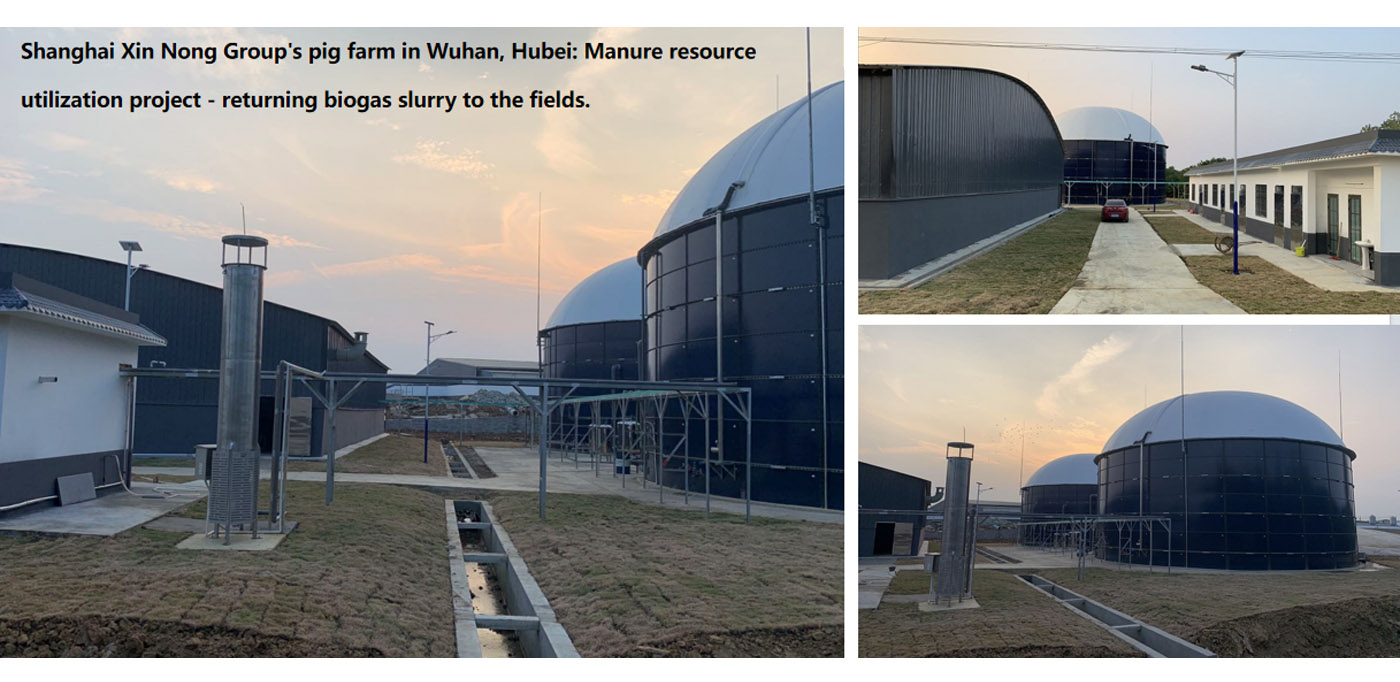
Too many dairy farmers think of methane capture as just an environmental compliance cost. That’s wrong. A biogas plant in dairy farm generates revenue, lowers energy bills, produces high-quality fertilizer, and creates a new income stream from carbon credits. Membrane upgrading makes biomethane production simple and reliable. Early adopters are already banking six-figure annual returns. With natural gas prices volatile and carbon prices rising, now is the time to evaluate a biogas system for your dairy. Check with experienced suppliers who understand farm conditions — they can provide feasibility numbers specific to your herd size and location.
Frequently Asked Questions About Biogas Plant in Dairy Farm
Q1: How much space does a biogas plant in dairy farm need for a 1,000-cow herd?
A1: A complete-mix digester tank (1,200 m³) plus gas holder, pre-treatment area, and membrane skid typically occupies 0.5–1 acre. A covered lagoon needs more land — around 2–3 acres. Most farms place the digester near the manure collection pit to minimize piping. Containerized membrane units (40ft x 10ft) fit next to the digester.
Q2: Does the biogas plant handle manure from cows on pasture?
A2: It’s challenging because pastured manure is not collected. Biogas plants need consistent manure supply. If cows graze only part-time, collect manure from barns during milking and confinement periods. Some farms also collect bedding pack from loafing sheds. For pasture-based dairies, a biogas plant is usually not economical unless you import other organic waste (food processing scraps).
Q3: What happens to the leftover digestate? Does it smell?
A3: Properly digested manure has a mild, earthy smell — much less offensive than raw manure. After digestion, you can separate solids from liquids. The liquid fraction is a fast-acting nitrogen fertilizer. The solid fiber can be dried and used as cow bedding or compost. Many dairies reduce chemical fertilizer costs by 70% using digestate.
Q4: Can I add food waste to my dairy biogas plant to increase gas yield?
A4: Yes, co-digestion boosts gas production by 30–. Typical acceptable feedstocks include cheese whey, off-spec milk, vegetable trimmings, and brewery grains. However, check your permits first — adding off-farm waste may require a different environmental classification. Start with low percentages (10% of total solids) and monitor pH. Never add meat or cooking oil without a grease trap.
Q5: How often do membrane modules need replacement in a dairy biogas plant?
A5: High-quality membrane modules last 7–10 years when the gas is properly cleaned (H₂S below 100 ppm and siloxanes under 0.5 mg/m³). Dairy biogas with good desulfurization falls within that range. Replacement cost is about 20–30% of the original membrane skid price. Some suppliers like OPM offer performance guarantees for eight years. Pre-filter changes (every 1,500 hours) are the main recurring expense.
Q6: Is it better to generate electricity or upgrade to biomethane for a dairy?
A6: It depends on local prices. Generally, biomethane (injected to gas grid or compressed as bio-CNG) fetches a higher value per unit of energy because it directly replaces fossil natural gas. In California, LCFS credits strongly favor biomethane used as vehicle fuel. But electricity generation is simpler and requires less gas cleaning. Run a spreadsheet with your local electricity price, gas price, and available incentives. Many dairies start with CHP and add upgrading later when they can get a gas injection contract.
Q7: Can a biogas plant freeze in winter climates like Minnesota or Canada?
A7: Yes, if not designed properly. Concrete digesters must have at least 15 cm of insulation plus heat tracing on all pipes. The gas holder membrane should be heated (warm air blowers inside). Many cold-climate dairies use a small biogas boiler to heat the digester and keep the cover from cracking. With good insulation, digester temperature stays stable even at -30°C.
Q8: What’s the smallest herd size that makes a biogas plant profitable?
A8: Without incentives, 500 cows is often the break-even point. With strong carbon credits (e.g., LCFS at $80+/ton), farms with 200–300 cows can make a positive return using packaged, plug-flow digesters and containerized membrane upgrading. Below 200 cows, shared digesters (multiple farms send manure to one central plant) become more economical. Some European dairies as small as 100 cows have built biogas plants by co-feeding grass silage or crop residues.
Q9: How do I find a reliable supplier for a biogas plant in dairy farm with membrane upgrading?
A9: Request three items: (1) a list of at least five dairy references with contact details, (2) performance guarantees (methane purity >96%, methane loss <2%), and (3) a fixed-price service plan for 5 years. Visit at least two operating plants. Ask about H₂S removal reliability and membrane replacement costs. Vendors like OPM offer containerized three-stage membrane plants that can be retrofitted to existing digesters — their systems have been proven on high-sulfur biogas from palm oil mills and animal manure.
Q10: Do I need a continuous power supply for the biogas plant?
A10: Yes, the digester requires heating and mixing pumps 24/7. Most dairies install a small backup generator or connect to the grid. During a power outage, gas flares must still operate to avoid methane release. Modern control panels have automatic failover. Always keep a diesel backup for critical pumps, especially in areas with unreliable grid power.
For detailed quotes, case studies, or technical drawings tailored to your herd size, visit biogasupgradingplants.com and speak directly with engineers who specialize in farm-based membrane upgrading systems.