


News
We'll get back to you as soon as possible.
Biogas Hydrogen Production: Clean H2 from Methane OPM Technology
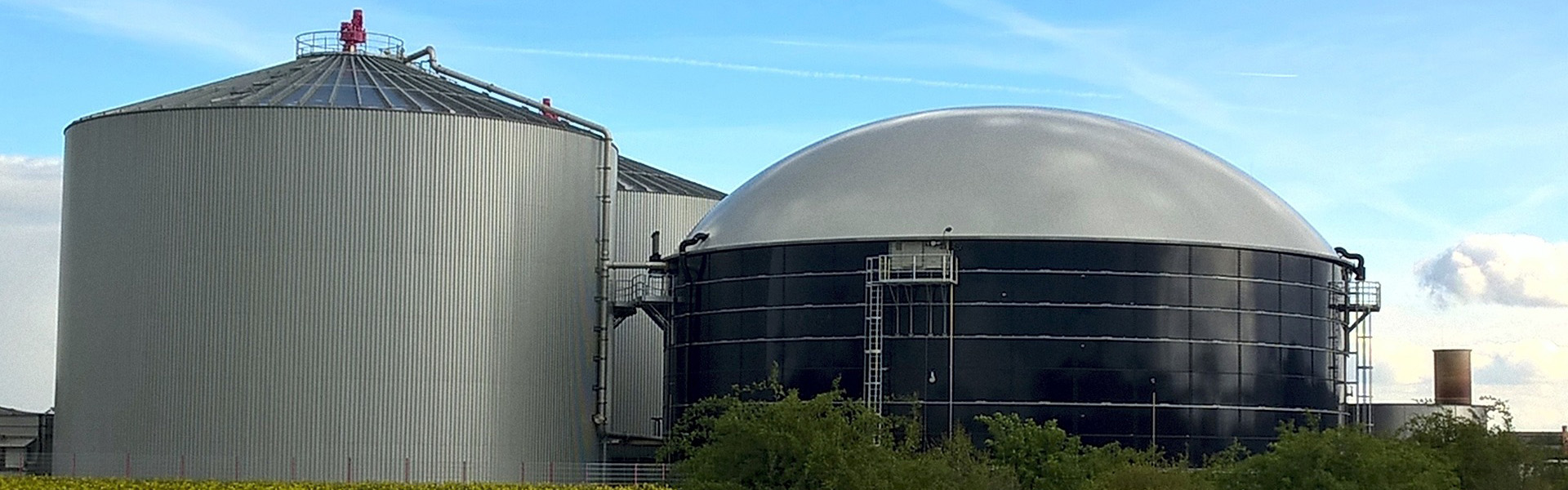
Hydrogen is often called the fuel of the future. But most hydrogen today comes from natural gas, which is fossil-based. That’s where biogas hydrogen production changes the game. Instead of drilling for methane, you capture it from palm oil mill effluent, food waste, or agricultural residues. Then you upgrade that biogas and reform it into hydrogen. The result is a renewable, low-carbon H₂ stream. In this article, I’ll walk through the steps — from pre-treatment to membrane upgrading — using real equipment from OPM. You’ll also see cost numbers and why this route beats electrolysis in many cases.
Over the last two years, several palm oil mills and large farms have started pilot projects. The ones that succeed avoid complicated chemistry. They rely on robust anaerobic digestion, steam explosion for solids, and membrane-based gas upgrading. If you own a biogas plant today, adding a hydrogen production line might be simpler than you think.
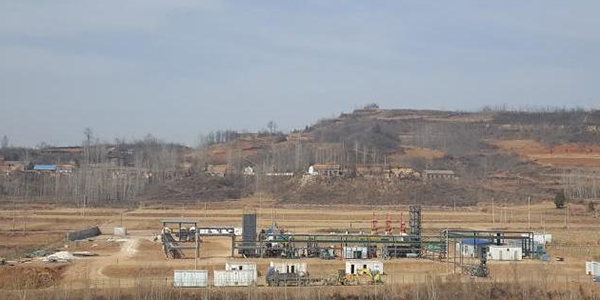
Why Biogas Hydrogen Production Attracts Project Developers
Green hydrogen demand is exploding. But most so-called “green hydrogen” comes from electrolysis using renewable electricity. That’s energy-intensive. Electrolysis requires 50-55 kWh per kg of H₂. Biogas hydrogen production uses methane that would otherwise be flared or burned. The energy input per kg of H₂ is roughly half of electrolysis because methane already contains hydrogen atoms.
Plus, biogas-based H₂ can be carbon-negative. When you capture biogas from rotting waste, you stop methane from reaching the atmosphere. Methane is 28 times stronger than CO₂ as a greenhouse gas. Then, during steam reforming, you can capture the CO₂ byproduct and use it or store it. Many projects now achieve carbon intensity scores below -30 gCO₂/MJ, which qualifies for premium subsidies in Europe and California.
So the economics work well. But you need the right equipment chain.
Steam Explosion Pre-Treatment: More Biogas for Hydrogen
Most digesters run on liquid waste like POME. Solid biomass (empty fruit bunches, straw, corn stover) is often left unused. Why? Because lignin blocks bacteria. OPM’s steam explosion reactor solves this. High-pressure steam (around 20 bar) penetrates the fibers, then a sudden pressure drop shreds the structure. The output becomes a slurry that digests completely.
In a palm oil mill, steam explosion cuts digestion time from 60 days to just 3 days. That means you can feed more substrate into the same tank. One Indonesian mill increased raw biogas output by 30% after adding a steam explosion unit. More biogas means more hydrogen later. The payback on the steam explosion reactor was 11 months from extra methane sales alone.
Without this step, solid waste either rots slowly or is burned. Steam explosion is the first enabler of profitable biogas hydrogen production from mixed agricultural streams.
Membrane Upgrading: Reaching 98% Methane for Reforming
Raw biogas contains 50-60% methane, 40-50% CO₂, plus H₂S and moisture. You cannot feed this into a steam reformer. The CO₂ dilutes the reaction, and H₂S poisons catalysts. So you need a purification step. Water scrubbing works but consumes a lot of water and loses 2-3% methane. Pressure swing adsorption (PSA) is better but still loses 3-5% of your product.
Membrane separation offers higher methane recovery. OPM builds three-stage membrane skids inside 40ft containers. The first stage removes most CO₂. The second stage polishes the gas. The third stage recovers methane from the permeate stream. Final methane concentration reaches 98-99%, and losses stay below 1%. H₂S is removed upstream using iron oxide filters or biological desulfurization.
Why does this matter for hydrogen? A steam reformer needs a consistent, high-methane feed. Impurities cause coking and shorten catalyst life. With membrane-upgraded gas, reformer runs stay steady for 3-4 years between catalyst changeouts. Several European plants now combine OPM’s membrane units with steam reforming, achieving overall biogas hydrogen production efficiency above 72%.
Steam Methane Reforming: The Reliable Workhorse
Once you have biomethane at 98%+ purity, the hydrogen production step becomes standard. You mix the methane with steam at high temperature (800-900°C) over a nickel-based catalyst. The reaction: CH₄ + H₂O → CO + 3H₂. Then a water-gas shift reactor converts CO and more steam into CO₂ and additional H₂. The final step is pressure swing adsorption to separate pure hydrogen (99.9%+).
Small-scale reformers (50-500 kg H₂/day) are now available as containerized units. They pair perfectly with OPM’s membrane containers. You can place both side by side in a farm or mill yard. The hydrogen can then be compressed into tube trailers or used directly in fuel cell generators.
One advantage over electrolysis: the reformer runs continuously as long as you feed biogas. No need for expensive batteries or grid connection. The heat from the reformer can also be recovered to warm the digester, improving overall efficiency.
Real-World Economics of Biogas Hydrogen Production
Let’s look at numbers. A medium-sized palm oil mill producing 500 m³/hour of raw biogas can generate about 1,200 kg of hydrogen per day after upgrading and reforming. At a hydrogen selling price of $5/kg (typical for industrial users), daily revenue is $6,000. Annual revenue (operating 330 days) is almost $2 million.
The capital cost for a complete system (steam explosion, digester, membrane upgrading, reformer, PSA, compression) runs about $3.5 million for that scale. Payback period: 2 to 2.5 years. Compare that to electrolysis, which requires $7-8 million for the same hydrogen output plus solar or wind farm. Biogas wins on cost.
Also, many governments offer production tax credits for renewable hydrogen. In the US, the 45V credit gives up to $3/kg for hydrogen with low carbon intensity. Biogas-based H₂ often qualifies for the top tier. That drops your net production cost below $1/kg.
Carbon Intensity: How Biogas Hydrogen Becomes Negative
The carbon intensity (CI) score measures grams of CO₂ equivalent per megajoule of hydrogen. Natural gas hydrogen (grey H₂) has a CI of about 120 gCO₂/MJ. Electrolysis using grid power is often above 150. But biogas hydrogen production from waste can achieve negative CI scores. Here’s why.
When waste decomposes naturally, it releases methane. Methane has a global warming potential 28 times higher than CO₂ over 100 years. By capturing that methane and converting it to hydrogen, you avoid that emission. Then, if you capture the CO₂ from the reformer (which is biogenic), you remove carbon from the air. The math gives a CI score of -50 to -100 gCO₂/MJ for many projects.
That negative score commands premium prices. Some off-takers pay $8-10/kg for negative-carbon hydrogen. So the economics improve further.
Containerized Solutions for On-Site Biogas Hydrogen Production
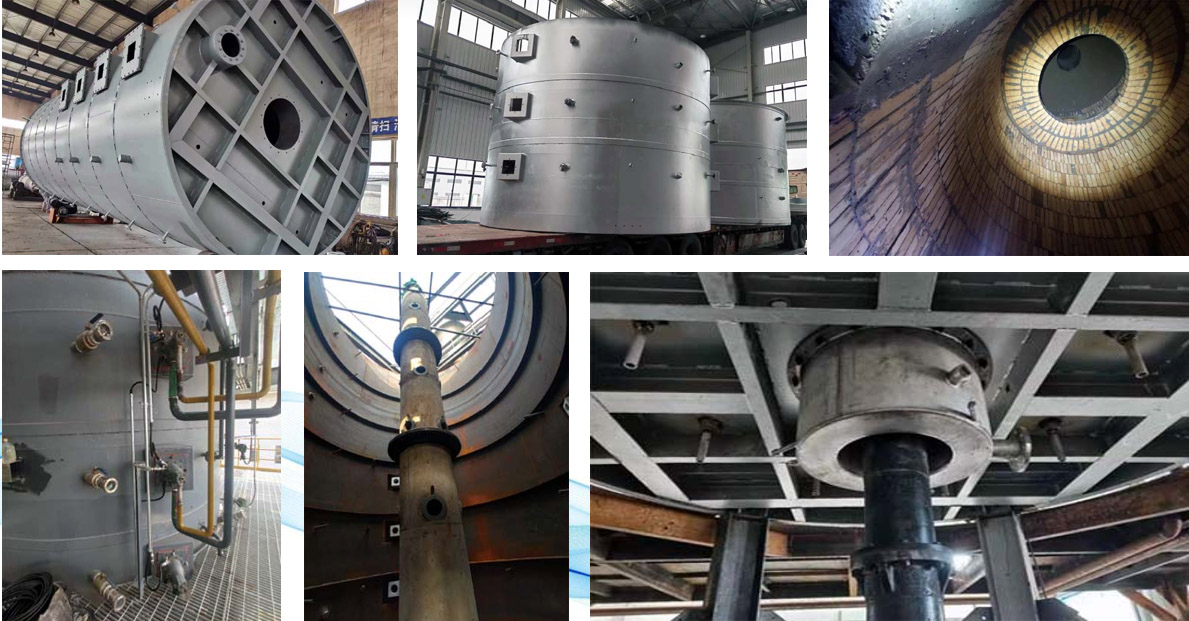
Many farms and mills lack space for sprawling equipment. OPM solves this with containerized membrane upgrading plants. A single 40ft container handles H₂S removal, dehumidification, and three-stage membrane separation. Another 40ft container holds the reformer and PSA. Installation takes less than a week. The entire biogas hydrogen production line fits into a small footprint.
OPM’s containerized approach also includes remote monitoring. You can track methane purity, hydrogen output, and carbon intensity from a laptop. If any issue arises, the system sends alerts. This makes it possible to run without a full-time engineer on site.
Over 150 turnkey projects have been delivered worldwide for similar biogas applications. The same reliable gearboxes and pellet mills that process solid waste are used in these plants. OPM’s helical gearboxes (built to wind turbine standards, accuracy <0.8μm) ensure 24/7 operation without bearing failures.
From Biogas to Hydrogen: A Summary
The pathway is clear. First, pre-treat solid biomass with steam explosion to boost biogas yield. Second, upgrade raw biogas using three-stage membrane separators to 98% methane. Third, feed the biomethane into a steam reformer with PSA to produce pure hydrogen. The result is a renewable, low-carbon or even carbon-negative fuel. Biogas hydrogen production is not a distant concept. It’s operating today in several commercial plants. And with carbon credits and hydrogen subsidies, the payback period keeps shrinking. If you own a biogas plant or a palm oil mill, now is the time to evaluate adding a hydrogen production line. The equipment is proven, the market is growing, and the climate benefits are real.
Frequently Asked Questions
Q1: What purity of hydrogen can I get from biogas hydrogen
production?
A1: With a standard PSA unit after steam reforming, you
can reach 99.9% hydrogen purity. That meets fuel cell vehicle specifications
(ISO 14687). Additional palladium membrane purification can push purity to
99.999% for semiconductor or laboratory use.
Q2: How much biogas do I need to produce 1 kg of
hydrogen?
A2: Approximately 6-7 normal cubic meters of upgraded
biomethane (98% methane) yield 1 kg of hydrogen via steam reforming. If you
start with raw biogas (60% methane), you need roughly 11-12 m³ before upgrading.
So a 500 m³/hour raw biogas stream gives around 45 kg H₂ per hour.
Q3: Does biogas hydrogen production require complicated
permits?
A3: It depends on your location. In the EU and US, hydrogen
production from biogas falls under renewable fuel regulations. You may need an
environmental permit for the reformer’s flue gas. But compared to electrolysis
plants, biogas-to-H₂ often faces fewer grid connection hurdles. Many states
classify it as agricultural waste treatment with a valuable byproduct. Consult
local authorities early in the project.
Q4: What happens to the CO₂ that comes out of the
reformer?
A4: The reformer produces a gas stream of CO₂ and leftover
hydrogen. Most systems vent it if no carbon capture is installed. But you can
add a CO₂ liquefaction module (OPM provides this as an add-on). Liquid CO₂ sells
for industrial uses like beverage carbonation, dry ice, or greenhouses.
Capturing the CO₂ also improves your carbon intensity score, making the hydrogen
more valuable.
Q5: Can I use existing anaerobic digesters for biogas hydrogen
production?
A5: Yes, as long as your digester produces a steady flow
of raw biogas. You don’t need a new digester. You just add the membrane
upgrading unit and the reformer/PSA downstream. However, if your digester
currently flares gas because of low methane content, you may need to improve the
feedstock (e.g., add steam explosion for solids). OPM offers site audits to
check your existing digester’s suitability.
Q6: How does steam explosion affect the cost of
hydrogen?
A6: Steam explosion lowers your feedstock cost because you
can use cheap solid waste (EFB, straw) instead of buying liquid substrates. It
also increases methane yield per ton of waste. In our Indonesian palm oil mill
example, adding steam explosion cut the hydrogen production cost by about 18%
because the digester produced 30% more gas from the same waste volume.
Q7: Is this technology suitable for small farms (100 cows or
less)?
A7: For very small farms, the capital cost of a reformer may
be too high. However, you can still upgrade biogas to biomethane and sell it to
a central hydrogen hub. OPM offers micro-scale membrane containers (20ft) that
handle up to 50 m³/hour of raw biogas. That’s enough for a 500-head dairy farm.
The hydrogen would be produced at a local central facility. For standalone
hydrogen at small scale, compressed biomethane is often more economical.
Q8: What warranty does OPM offer on its biogas upgrading
equipment?
A8: OPM provides a 10-year warranty on gearboxes used in
pre-treatment equipment (pellet mills, shredders) and 5 years on membrane
modules. The containerized systems come with 2 years full parts and labor, plus
remote monitoring for the first year. Their European service network covers
spare parts within 48 hours.