


News
We'll get back to you as soon as possible.
Why a Big Biogas Plant Matters for Large-Scale Renewable Energy
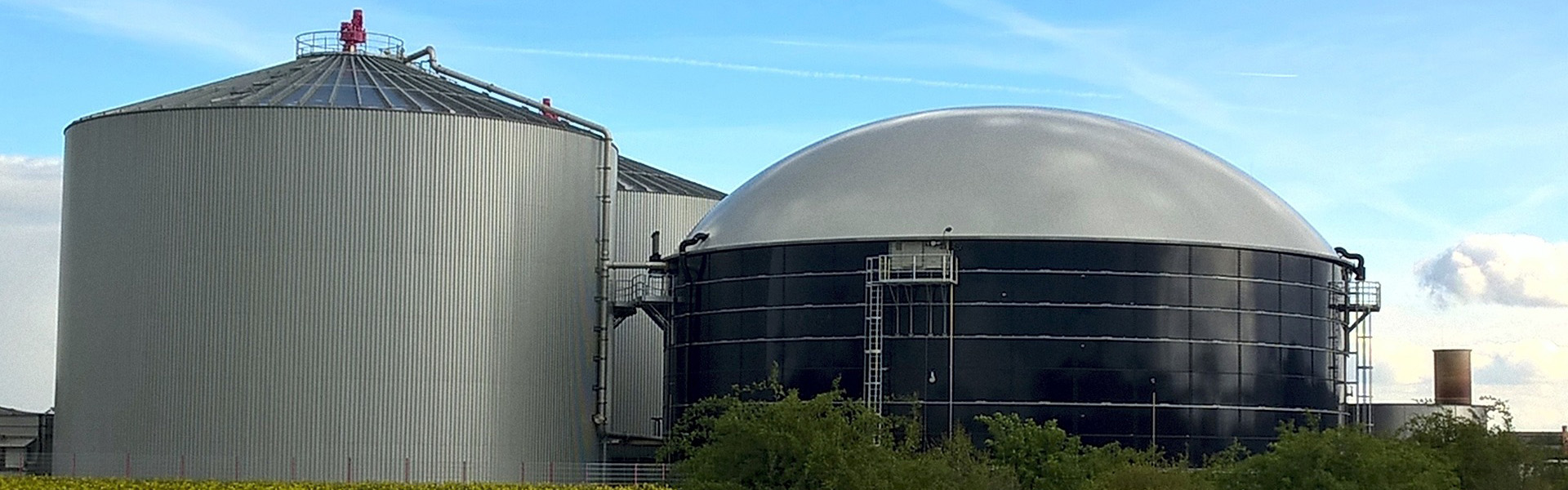
When industries and municipalities look for sustainable energy solutions, a big biogas plant often becomes the centerpiece of their strategy. Unlike small farm digesters, these industrial facilities process thousands of tons of organic waste weekly. They produce biomethane that can directly replace natural gas in grids or heavy transport. Many project developers quickly realize that scaling up improves both environmental impact and long-term profitability. The shift toward big biogas plants has accelerated as governments offer incentives for carbon-negative energy. This article explores the technical, economic, and operational aspects of building and running a big biogas plant, based on real-world industry practices.
Key Components of a Big Biogas Plant
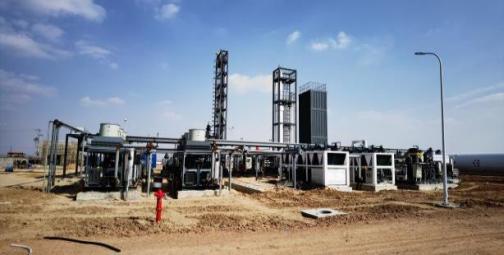
Every big biogas plant relies on several core systems working in harmony. The receiving station handles organic feedstocks like food waste, manure, or crop residues. Then come the anaerobic digesters – often large concrete or steel tanks with heating and mixing equipment.
Gas storage domes capture the raw biogas, which typically contains 50-70% methane. The real heart of a modern big biogas plant is the upgrading unit. Here, pressure swing adsorption (PSA), water scrubbing, or membrane separation removes CO₂ and trace contaminants.
After upgrading, the biomethane is compressed or injected directly into the natural gas grid. A big biogas plant also includes cogeneration units for heat and power, plus digestate treatment to produce liquid fertilizer. Each component must be sized correctly to avoid bottlenecks.
How Does a Big Biogas Plant Upgrade Raw Biogas?
Raw biogas from digesters contains hydrogen sulfide, ammonia, siloxanes, and about 40% CO₂. Upgrading is the critical step that turns this mixture into pipeline-quality renewable natural gas. In a big biogas plant, the upgrading system operates continuously at high volumes.
Membrane separation has become popular for large facilities because it offers low energy consumption and few moving parts. Pressurized biogas flows through hollow fiber membranes; CO₂ and H₂S permeate out faster than methane. The result is biomethane with over 96% purity.
Another common method is water scrubbing. A big biogas plant using this technique forces raw biogas upward through a column of pressurized water. CO₂ dissolves more readily than methane, leaving purified gas. The water is regenerated by releasing CO₂, making the process very clean.
Many big biogas plants now combine biological desulfurization with membrane units to reduce chemical use. Automatic monitoring ensures compliance with gas grid specifications, which vary by country. Without this upgrading stage, the big biogas plant would only be able to burn biogas onsite for electricity – a far less valuable application.
Economic Benefits of Investing in a Big Biogas Plant
Financial performance is often the deciding factor for building a big biogas plant. While capital expenditure can be $10-50 million depending on capacity, the revenue streams are diverse. First, you can sell biomethane under long-term contracts to gas utilities or heavy industries.
Second, many jurisdictions offer renewable energy credits (RECs) or low-carbon fuel credits. For example, in the US, the Renewable Fuel Standard (RFS) generates D3 RINs for cellulosic biomethane. A big biogas plant generating 200,000 MMBtu per year can earn millions annually in credits.
Third, digestate from a big biogas plant is a registered organic fertilizer, replacing synthetic products. Some operators also charge gate fees for accepting waste – this can cover 30-50% of operational costs. With proper design, payback periods of 5 to 8 years are realistic.
Operating costs include feedstock procurement, electricity for upgrading, labor, and maintenance. But economies of scale strongly favor a big biogas plant over smaller units. A 500 m³/h facility has substantially lower cost per cubic meter of biomethane than a 50 m³/h plant.
Maintenance Considerations for a Big Biogas Plant
Reliability is everything for a big biogas plant. Unplanned downtime not only stops revenue but also leaves you with waste that cannot be processed. Preventative maintenance schedules must cover the receiving area, digesters, upgrading skid, and gas compressors.
Corrosion is a constant threat because raw biogas contains H₂S. Regular checks of piping, valves, and the upgrading unit are mandatory. Many operators use online sensors to track H₂S levels and automatically inject oxygen or iron chloride to control it.
Membrane modules in the upgrading system have a lifespan of 5 to 10 years, depending on gas cleanliness. A big biogas plant should keep spare membranes in stock. Similarly, compressors need oil changes and seal replacements every 4000-6000 operating hours.
Digester cleaning is a major event every 3-5 years. That requires careful planning because the big biogas plant must either have multiple digesters or arrange waste diversion during the cleaning. Some facilities use continuous grit removal systems to extend cleaning intervals.
Environmental Impact of Big Biogas Plants
A well-operated big biogas plant delivers significant greenhouse gas reductions. By capturing methane from organic waste that would otherwise decompose in landfills or lagoons, it prevents a potent GHG from entering the atmosphere. Then, substituting fossil natural gas with biomethane further cuts CO₂ emissions.
Lifecycle assessments show that a big biogas plant can reduce carbon footprint by over relative to the baseline – making it carbon negative. The reason is that the CO₂ from biogas combustion is biogenic, not fossil-based. Additionally, the upgrading process itself emits very little methane if designed with enclosed flares for off-spec gas.
Water usage is another factor. Modern upgrading technologies like membrane separation consume minimal water, whereas water scrubbing needs a continuous flow. However, a big biogas plant can often use treated wastewater or recirculate water, reducing net consumption. The digestate replaces energy-intensive synthetic fertilizers, which also require fossil fuels for production.
Noise and odors are controlled with enclosed buildings and biofilters. Because a big biogas plant is usually sited in industrial zones, it rarely conflicts with residential areas. Overall, these plants are a proven solution for circular economy goals.
Why Feedstock Flexibility Matters for a Big Biogas Plant
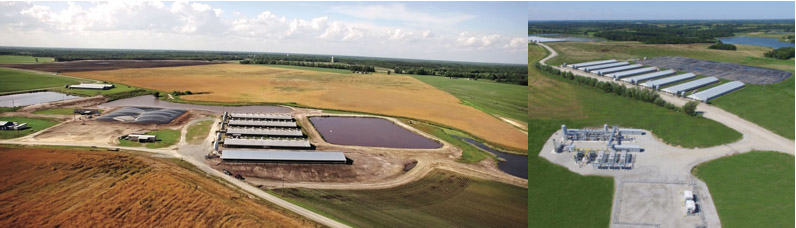
Not all organic waste is equal. A successful big biogas plant can handle multiple feedstocks simultaneously to buffer against price or supply shocks. Common combinations include 40% food waste, 30% manure, 20% crop residues, and 10% fats, oils, and grease (FOG).
FOG is particularly valuable because it yields more biogas per ton. However, too much FOG can cause digester foaming. Experienced operators use pre-mix tanks and specialized pumps to maintain stability. A big biogas plant with automated feedstock blending can optimize methane yield while avoiding process upsets.
Seasonality is another factor. Crop residues are only available after harvest, while food waste is steady year-round. Many big biogas plants build storage bunkers for silage or yard waste. A larger facility can justify the extra storage silos and pre-treatment equipment like macerators or pasteurizers.
Some operators even co-digest industrial byproducts like glycerin from biodiesel production. This flexibility makes a big biogas plant more resilient than smaller, single-feedstock digesters. With the right permits, you can even accept contaminated packaging (removed mechanically) to access additional waste streams.
Grid Injection vs. Onsite Use: What Works Best for a Big Biogas Plant?
One strategic decision for any big biogas plant is whether to inject biomethane into the gas grid or use it onsite for combined heat and power (CHP). Grid injection typically provides higher revenue because natural gas prices are stable, and you earn environmental credits. However, you need a pipeline connection and gas quality monitoring that meets utility standards.
Onsite CHP is simpler because you avoid the upgrading unit – burning raw biogas directly in engines. This makes sense if the facility needs heat for digesters and industrial processes, and electricity for internal use. But electricity export tariffs are often lower than biomethane prices.
Many big biogas plants choose a hybrid model: upgrade 70% to biomethane for injection, and use the remaining 30% raw biogas for a CHP unit to cover the plant’s own energy demand. This reduces operational expenses because you don’t pay grid electricity or natural gas for heating. The choice also depends on local subsidy schemes; some countries pay premiums specifically for injected biomethane.
Large-scale operators often start with CHP to prove the feedstock supply, then add an upgrading unit later. A big biogas plant’s location relative to gas pipelines is crucial; if you are more than 2 km from a main line, connection costs can kill the business case. In that scenario, converting biogas to compressed biomethane for vehicle fuel or liquified biomethane (LBM) for trucks becomes attractive.
Conclusion: The Future Is Bright for Big Biogas Plants
The global energy transition cannot succeed without renewable gases, and the big biogas plant is the most efficient way to produce them at scale. Whether you are a utility company looking to decarbonize your gas grid, or a food processor needing to manage waste, these facilities offer a proven, bankable technology. Advances in membrane upgrading and digital monitoring continue to reduce costs. Major equipment manufacturers now offer standardized modular designs that lower installation time by up to 40%. With supportive policies in the EU, USA, and Asia, the big biogas plant market is poised for double-digit growth this decade. For project developers, the key is securing long-term feedstock agreements and off-take contracts before breaking ground.
Frequently Asked Questions (FAQ)
Q1: What is the minimum scale
to be considered a big biogas plant?
A1: While definitions vary, a
big biogas plant typically processes over 10,000 tons of
feedstock per year or produces more than 200 Nm³/h of biomethane. That
translates to about 1.5 million cubic meters of biomethane annually – enough to
supply 1,000 homes. Below that threshold, the facility is usually called a
medium or farm-scale digester.
Q2: How long does it take to
build a big biogas plant from planning to operation?
A2: The total
timeline is usually 18 to 30 months. Permitting alone can take 6–12 months,
depending on local environmental regulations. Construction of digesters and the
upgrading unit requires another 8–12 months. Commissioning and microbial
start-up takes an additional 2–4 months. A big biogas plant with experienced
developers can shorten this by parallelizing tasks.
Q3: What is
the typical lifetime of a big biogas plant?
A3: Most major
components – digesters, concrete work, gas storage – are designed for 20–25
years. The upgrading unit’s membrane or scrubbing system may need replacement
after 10–15 years. Compressors and pumps have shorter lifespans of 5–10 years.
With proper maintenance, a big biogas plant can operate profitably for over 20
years before major reinvestment.
Q4: Can a big biogas plant use
food waste as feedstock?
A4: Yes, but careful management is
needed. Food waste is high in easily degradable organics, leading to rapid
acidification if the pH drops. A big biogas plant running on food waste
requires strong buffering (like adding lime), high mixing rates, and often a
two-stage digestion system. Most operators prefer to co-digest 10–30% manure or
agricultural residues to stabilize the process.
Q5: What are the
biggest operational risks for a big biogas plant?
A5: The top risks
are (1) feedstock contamination with plastics or metals causing blockages, (2)
digester foaming due to excessive fats, (3) H₂S corrosion in the upgrading unit,
and (4) failure of the gas grid injection compressor. All are manageable with
proper design: inclusion of a feedstock pre-treatment step, anti-foam injection
systems, and redundant compressors. An experienced big biogas plant operator
will also have a rapid response plan for each scenario.