


News
We'll get back to you as soon as possible.
Corn Ethanol Plant: Integrating Biogas Upgrading for Low-Carbon Fuel Markets
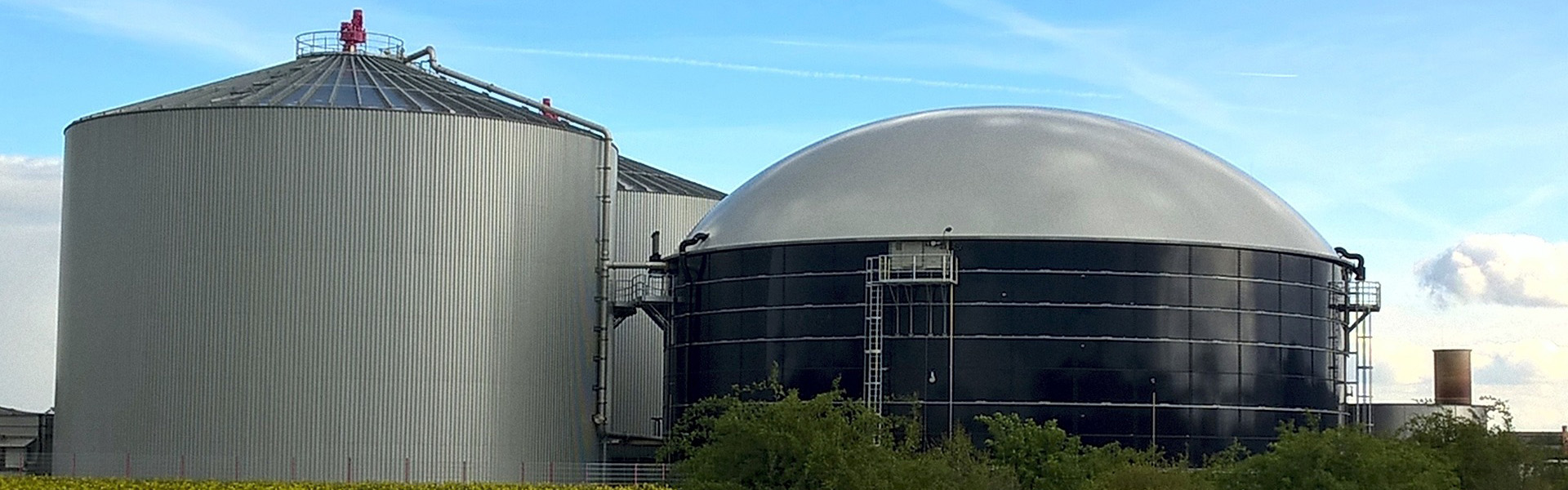
The global transition toward cleaner energy has placed bio-refineries under intense regulatory and market pressure. Today, a traditional corn ethanol plant is no longer just a facility that produces liquid transport fuel. It has evolved into a complex biorefinery where every byproduct must be managed to maximize efficiency and reduce environmental impact.
To remain competitive under strict frameworks like the Low Carbon Fuel Standard (LCFS) and the Renewable Fuel Standard (RFS), plant operators must actively lower their carbon intensity (CI) scores. One of the most commercially viable pathways to achieve this is the integration of advanced biogas upgrading technology.
By capturing the energy potential of organic waste streams, ethanol producers can generate pipeline-quality renewable natural gas (RNG). This process not only offsets fossil fuel consumption within the facility but also opens up highly lucrative new revenue streams in the green gas market.
The Evolution of Waste Streams in Ethanol Production
To understand the value of upgrading biogas, it is necessary to examine the organic output of a standard processing facility. A typical corn ethanol plant processes millions of bushels of grain annually, yielding ethanol alongside co-products such as wet or dried distillers grains with solubles (WDGS/DDGS) and thin stillage.
Thin stillage contains high concentrations of organic compounds, suspended solids, and dissolved sugars. Historically, evaporating this liquid into syrup required massive amounts of thermal energy. This high energy demand directly increases the carbon intensity score of the final ethanol product.
Anaerobic digestion offers an elegant solution to this thermal bottleneck. By diverting thin stillage and other process condensates to an on-site anaerobic digester, microorganisms break down the organic matter to produce raw biogas. This biological treatment drastically reduces the chemical oxygen demand (COD) of the wastewater while generating a valuable energy carrier.
Integrating Biogas Upgrading Systems in a corn ethanol plant
Raw biogas produced from anaerobic digestion is not immediately ready for pipeline injection or vehicle use. It typically consists of 55% to 65% methane, 35% to 45% carbon dioxide, and trace amounts of water vapor, hydrogen sulfide, and siloxanes. Injecting this raw gas into boilers or gas grids would cause severe corrosion and equipment damage.
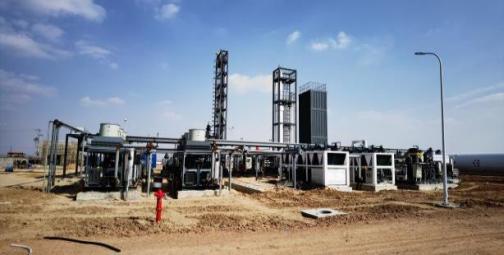
This is where specialized biogas upgrading equipment becomes essential. Upgrading involves removing carbon dioxide and contaminants to yield a biomethane stream that is more than 97% to 99% pure. This highly purified gas matches the specifications of fossil natural gas and can be distributed through existing pipeline infrastructure.
Several upgrading technologies are utilized in the bio-refinery sector, including membrane separation, pressure swing adsorption (PSA), and water scrubbing. Among these, membrane separation has gained significant market share due to its modular design, ease of operation, and high methane recovery rates. Choosing the right system depends on the specific flow rates, gas composition, and target purity levels required by grid operators.
Driving Down Carbon Intensity (CI) Scores
For any corn ethanol plant, the carbon intensity score dictates the financial premium their ethanol commands in markets like California, Oregon, and British Columbia. Every point reduction in a facility’s CI score translates directly into increased profitability per gallon of fuel sold.
Utilizing biomethane upgraded on-site to replace fossil-derived natural gas in the plant's boilers is one of the fastest ways to lower a CI score. Boilers consume a significant portion of the thermal energy required for distillation. Replacing fossil gas with on-site RNG drastically lowers the plant's scope 1 emissions.
Alternatively, if the corn ethanol plant exports the upgraded biomethane directly to the commercial vehicle grid as Bio-CNG or Bio-LNG, the gas itself qualifies for valuable environmental credits. This dual approach to carbon reduction allows operators to optimize their strategy based on fluctuating credit prices in both liquid fuel and gaseous fuel markets.
Advanced Membrane Separation for Carbon Capture
Modern biogas upgrading plants rely heavily on multi-stage polymeric membrane systems. These systems leverage the differing permeation rates of gases through a polymer matrix. Carbon dioxide, water vapor, and hydrogen sulfide pass through the membrane walls much faster than methane, leaving a highly concentrated stream of biomethane at high pressure.
An additional advantage of membrane systems is their ability to produce a highly concentrated CO2 off-gas stream. In a standard upgrading setup, this CO2 is often vented. However, forward-thinking operators are now capturing this high-purity carbon dioxide stream for industrial applications or carbon capture and storage (CCS) initiatives.
When combined with the pure CO2 stream emitted directly from the yeast fermentation vessels during ethanol production, a corn ethanol plant becomes a prime candidate for carbon capture utilization and storage (CCUS) hubs. This combined carbon strategy can drive a facility's net carbon emissions toward zero, or even into negative territory.
Technical and Operational Considerations
Integrating a biogas upgrading plant within an existing ethanol facility requires careful engineering and process integration. The first step is managing the hydrogen sulfide (H2S) levels in the raw biogas. High H2S concentrations can poison upgrading membranes and corrode piping, requiring robust biological or chemical desulfurization pre-treatment steps.
Fluctuations in feedstock composition also present operational challenges. The volume and organic load of thin stillage can vary depending on the ethanol production rate and the specific corn quality. Biogas upgrading systems must feature responsive process control software that automatically adjusts to changing gas flow rates and compositions without sacrificing methane purity.
Water management is another crucial factor. Moisture must be completely removed from the biogas via cooling and filtration before it enters the membrane stage. Modern upgrading plants utilize integrated chilling and condensation units to protect downstream components from liquid water carryover, ensuring continuous, round-the-clock operation.
Economic Viability and Regulatory Incentives
The capital expenditure required to install anaerobic digesters and biogas upgrading equipment is substantial. However, the payback periods have shortened significantly due to supportive federal and state policies. In the United States, the Renewable Fuel Standard provides economic incentives through Renewable Identification Numbers (RINs), specifically D3 and D5 RINs for cellulosic and advanced biofuels.
Furthermore, tax incentives under recent climate legislation provide investment tax credits (ITC) for biogas property. These credits significantly offset the upfront capital costs of upgrading equipment, making the technology accessible to medium and small-scale biorefineries.
Beyond regulatory compliance, producing RNG provides a hedge against volatile natural gas prices. By producing its own thermal energy, a corn ethanol plant insulates itself from global energy market shocks, ensuring predictable operating costs over the long term.
The Future of the Decarbonized Corn Ethanol Plant
The biofuel sector is undergoing a structural shift. The long-term viability of liquid biofuels depends heavily on the industry's ability to minimize its greenhouse gas footprint. Simply producing ethanol is no longer sufficient; it must be produced with the lowest possible environmental impact.
Investing in biogas upgrading technology is a proven step toward transforming traditional fuel facilities into modern, circular biorefineries. By closing the loop on waste, water, and energy, these facilities secure their place in a low-carbon economy.
As upgrading technology continues to mature, efficiency rates will rise, and operational costs will fall. For the forward-looking corn ethanol plant, the integration of biogas upgrading equipment represents not just an environmental obligation, but a highly strategic business decision that secures long-term profitability.
Frequently Asked Questions
Q1: What is the primary source of biogas in a corn ethanol plant?
A1: The primary source of biogas is the anaerobic digestion of organic-rich co-products, most notably thin stillage and process wastewater. By treating these streams biologically, microbes convert the organic load into a raw biogas mixture of methane and carbon dioxide.
Q2: How does upgrading biogas help lower the Carbon Intensity (CI) score of ethanol?
A2: Upgrading biogas allows a plant to produce clean biomethane. If this biomethane is burned in the plant's boilers to replace fossil natural gas, it reduces the thermal carbon footprint of the distillation process. This directly decreases the overall CI score of the ethanol produced.
Q3: What are the main contaminants that must be removed from raw biogas?
A3: Raw biogas contains carbon dioxide (CO2), hydrogen sulfide (H2S), water vapor, and occasionally siloxanes. H2S is highly corrosive and must be removed early in the process, while CO2 must be separated to elevate the methane concentration to pipeline-grade levels.
Q4: Can a corn ethanol plant sell its upgraded biogas directly to the natural gas grid?
A4: Yes. Once the biogas is upgraded to biomethane (typically >97% methane purity) and meets strict grid injection specifications, it can be injected directly into commercial natural gas pipelines and sold as Renewable Natural Gas (RNG).
Q5: What is the advantage of membrane separation technology over other upgrading methods?
A5: Membrane separation is highly favored because of its simplicity, continuous operation, small physical footprint, and modularity. It does not require water or chemicals for the separation process, which minimizes operating costs and simplifies maintenance compared to chemical scrubbing systems.