


News
We'll get back to you as soon as possible.
5 Key Considerations for Planning a High-Yield Compressed Biogas Plant
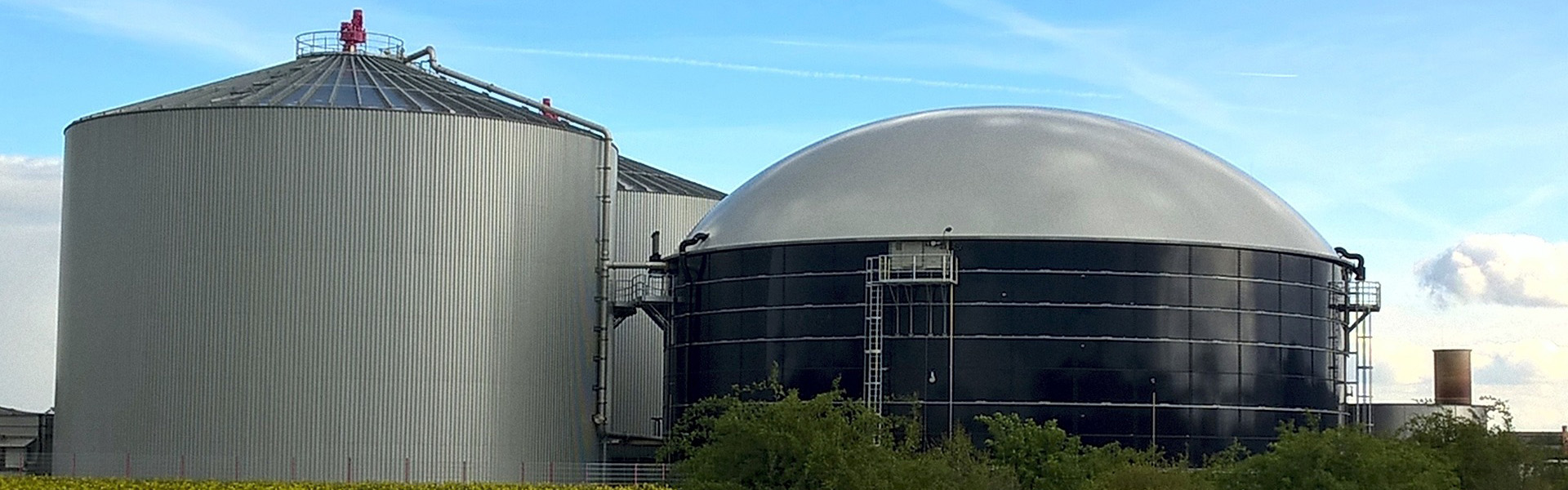
The global transition toward renewable energy has brought organic waste processing to the forefront of industrial development. As countries seek to reduce their carbon footprint and find sustainable alternatives to fossil fuels, raw biogas upgrading has emerged as a practical solution. Transforming raw organic emissions into vehicle-grade biomethane requires specialized industrial systems designed for purification and high-pressure storage.
For project developers and agricultural cooperatives, investing in a modern compressed biogas plant is becoming a standard strategy to monetize waste. This system processes raw biogas, which typically contains methane, carbon dioxide, and trace impurities, into a high-purity fuel. The final product can directly replace conventional natural gas in vehicles or be injected into the national gas grid.
Implementing this technology involves complex engineering decisions, feedstock evaluations, and financial planning. Understanding the core technical stages and operational variables is essential for establishing an efficient production facility that meets regional compliance standards and environmental goals.
What is a compressed biogas plant and How Does It Function?
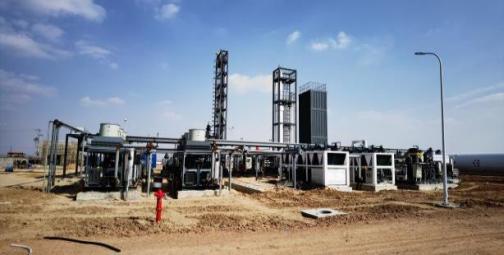
A typical production facility operates by capturing biogas from anaerobic digesters and subjecting it to a series of purification steps. Raw biogas consists of roughly 55% to 65% methane, with the remainder being carbon dioxide, moisture, and hydrogen sulfide. To make this gas usable for high-pressure applications, the impurities must be systematically removed.
The first step in a compressed biogas plant involves pre-treatment. During this phase, moisture is condensed out of the gas stream, and hydrogen sulfide is filtered using chemical or biological scrubbers. Removing hydrogen sulfide is critical because this compound is highly corrosive to compressors, pipelines, and storage tanks.
Once pre-treated, the gas undergoes upgrading, which is the process of separating carbon dioxide from methane. This raises the methane concentration to over 95%, matching the quality of fossil-derived natural gas. The final step is compression, where the purified biomethane is pressurized to 200–250 bar for storage, transport, or immediate use.
1. Analyzing Feedstock Quality and Availability
The operational success of any processing facility depends heavily on the consistency and quality of its feedstock. Common inputs include agricultural residues, animal manure, municipal solid waste, food processing waste, and sewage sludge. Each feedstock type possesses unique biogas yield potentials and digestion characteristics.
Industrial planners must secure long-term contracts for raw materials within a reasonable geographic radius. High logistics costs can quickly undermine the profitability of a project if feedstocks must be transported over long distances. Additionally, a mixture of different feedstocks often requires careful balancing to maintain optimal bacterial activity inside the digester.
Variations in feedstock composition can also impact the upgrading equipment. For example, high-protein waste streams can generate elevated levels of hydrogen sulfide and ammonia. The downstream purification equipment in the compressed biogas plant must be designed to handle these fluctuations without causing frequent operational shutdowns.
2. Selecting the Right Upgrading Technology
Choosing the appropriate upgrading technology is one of the most significant decisions in the design phase. Several methods exist to separate carbon dioxide from methane, each with its own capital cost, energy requirements, and recovery efficiency.
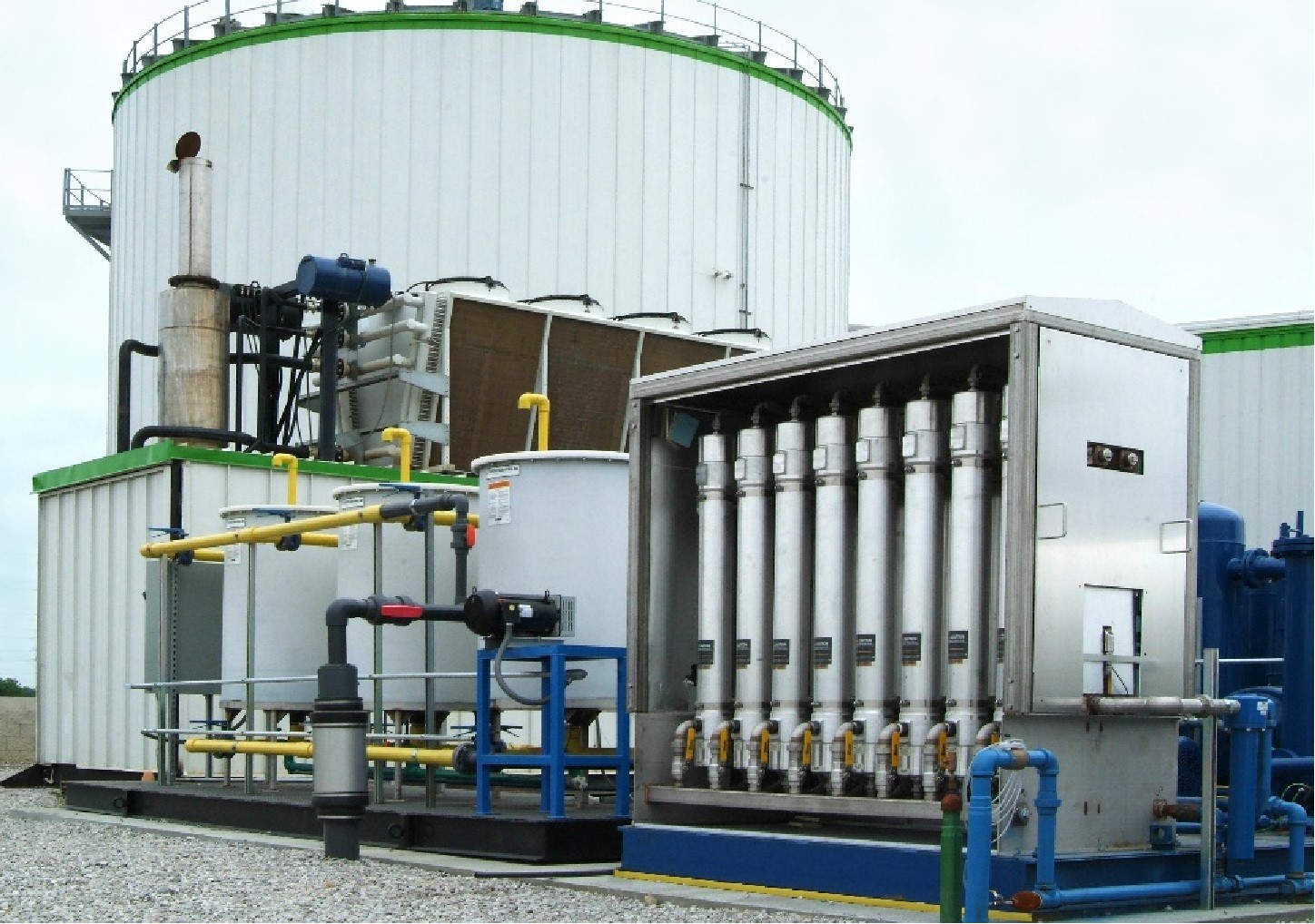
Membrane separation has gained substantial market share due to its simplicity and low maintenance requirements. This method uses polymer membranes that allow carbon dioxide to pass through while retaining methane. It is highly scalable and operates efficiently without requiring water or chemicals.
Pressure Swing Adsorption (PSA) is another widely utilized option. It utilizes adsorbent materials, such as activated carbon or molecular sieves, to trap carbon dioxide under high pressure. When the pressure is released, the carbon dioxide is desorbed, leaving behind high-purity methane. PSA systems are robust but require precise control of cycle times and pressure levels.
Water scrubbing and chemical scrubbing are also common in larger industrial installations. Water scrubbing uses high-pressure water to dissolve carbon dioxide, while chemical scrubbing utilizes amine solutions for chemical binding. These systems offer high methane recovery rates but require careful water management or chemical handling protocols.
3. Balancing Energy Consumption and Compression Needs
An efficient compressed biogas plant must balance its internal energy consumption against its total output. The upgrading and compression stages are energy-intensive, requiring substantial electricity to run compressors, vacuum pumps, and cooling systems.
To optimize efficiency, manufacturers integrate energy recovery systems. For instance, the heat generated during the gas compression process can be captured and redirected to heat the anaerobic digesters. This reduces the external thermal energy demand of the overall facility.
The compression stage itself requires reliable, multi-stage reciprocating or screw compressors. Because biomethane is compressed to high pressures, these machines must be designed for continuous duty with minimal gas leakage. Selecting premium-efficiency motors and automated control systems helps lower the lifetime operational costs of the compression unit.
4. Understanding Regulatory Standards and Gas Grid Injection
Compliance with local and international gas quality standards is mandatory for commercial distribution. Before the upgraded gas can be filled into cylinders or injected into municipal pipelines, it must undergo continuous real-time analysis to verify its composition.
In many regions, standards specify strict limits on moisture content, oxygen, nitrogen, carbon dioxide, and total sulfur. Gas chromatographs and online sensors are installed at the discharge point of the compressed biogas plant to monitor quality. If the gas falls out of specification, automated bypass valves redirect it for reprocessing.
Grid injection projects also require close coordination with local utility companies. The utility provider will typically install a fiscal metering and odorization station at the injection point. These regulatory steps protect existing infrastructure and ensure consumer safety, making compliance a primary consideration from day one.
5. Managing Byproducts and the Digestate Stream
While biomethane is the primary revenue driver, anaerobic digestion generates a substantial volume of digestate, which is the leftover organic material. This material is rich in nitrogen, phosphorus, and potassium, making it an excellent organic fertilizer.
A comprehensive project plan must include a strategy for handling, storing, and distributing digestate. Solid-liquid separation systems are commonly used to divide the digestate into dry solids and liquid fractions. The solid fraction can be composted or pelletized, while the liquid fraction can be applied directly to agricultural land as liquid nutrient runoff.
Properly managing this byproduct prevents environmental pollution and creates an additional revenue stream. By processing digestate into commercial-grade organic fertilizers, operators can improve the overall economic stability of the facility while supporting circular agricultural practices.
The Future of Decentralized Energy Production
The decentralization of energy production is reshaping how communities manage waste and fuel security. By localized processing of agricultural and municipal waste, communities can reduce their reliance on imported natural gas and cut methane emissions from open landfills and manure lagoons.
Advancements in automation and remote monitoring have made decentralized operations much more practical. Operators can now monitor pressure levels, gas purity, and flow rates from off-site control centers. This reduces the requirement for constant on-site engineering staff, improving the feasibility of smaller, regional projects.
As governments implement stricter carbon pricing and renewable fuel mandates, the demand for clean gas technologies will likely continue to grow. Investing in a high-quality compressed biogas plant positions developers to capitalize on these long-term environmental policies and energy transition trends.
Frequently Asked Questions
Q1: What is the average methane purity achieved by a compressed biogas plant?
A1: A well-engineered upgrading system typically achieves a methane purity of 95% to 98%. This level is sufficient to meet most international standards for vehicle fuel and grid injection, matching the performance of natural gas.
Q2: How long does it take to establish and commission a biogas upgrading facility?
A2: The timeline varies depending on planning permissions, grid connection approvals, and equipment fabrication. Generally, the process takes between 12 to 18 months from the initial design phase to final commissioning and testing.
Q3: Can a compressed biogas plant process different feedstocks simultaneously?
A3: Yes, many facilities utilize co-digestion, mixing agricultural waste with food waste or manure. However, changes in the feedstock ratio require careful monitoring to prevent upsetting the biological balance inside the anaerobic digesters.
Q4: What are the main maintenance requirements for upgrading equipment?
A4: Routine maintenance involves replacing filter elements, servicing compressors, checking valve seals, and monitoring membrane or adsorbent performance. Regular calibration of gas analyzers is also necessary to maintain accurate quality control.
Q5: Is it possible to transport compressed biogas if there is no pipeline nearby?
A5: Yes, compressed biogas can be transported using mobile storage cascades, often referred to as "virtual pipelines." These high-pressure cylinder cascades are loaded onto trucks and delivered directly to fueling stations or industrial consumers.