


News
We'll get back to you as soon as possible.
Biogas Unit Technology: Selecting the Right Upgrading System for Industrial Clean Energy Projects
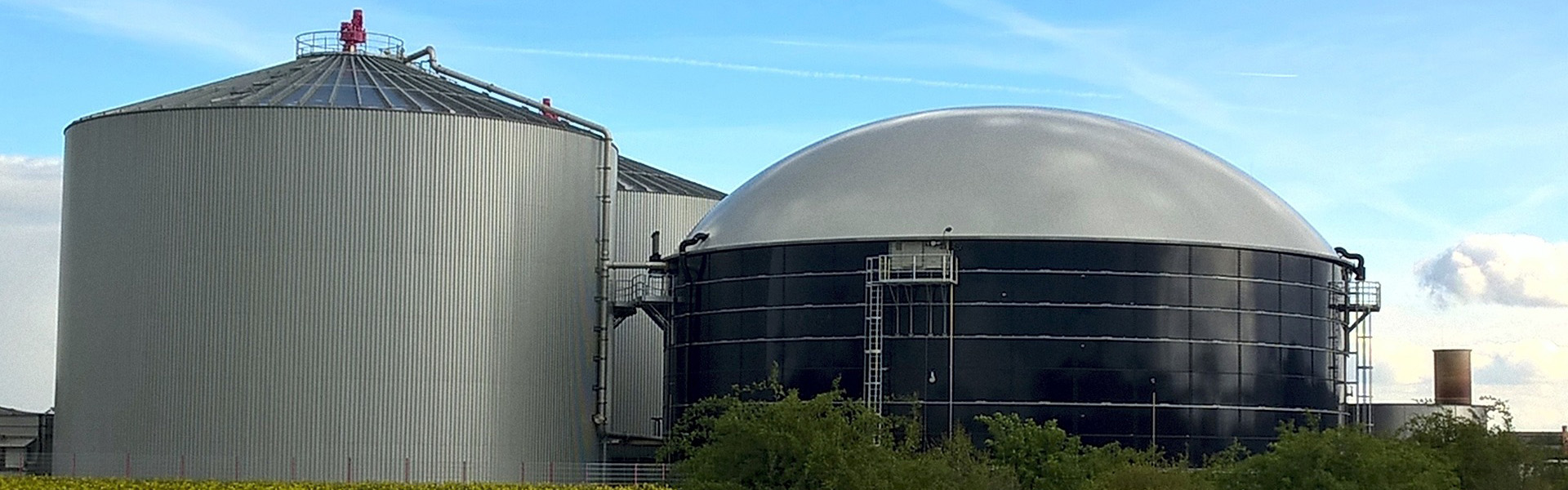
The global transition toward renewable energy has placed a significant focus on organic waste recovery. Among the various technologies available today, upgrading raw biogas into grid-ready biomethane or renewable natural gas (RNG) is one of the most practical pathways for reducing carbon emissions. Implementing a modern biogas unit allows municipal authorities, agricultural enterprises, and industrial food processors to turn waste liabilities into reliable revenue streams.
As upgrading standards become more stringent worldwide, choosing the correct equipment configuration is vital. Industrial operators must evaluate how different gas separation methods perform under varying environmental and chemical conditions. Understanding these parameters ensures long-term operational viability and compliance with local gas grid requirements.
Key Components of an Industrial biogas unit
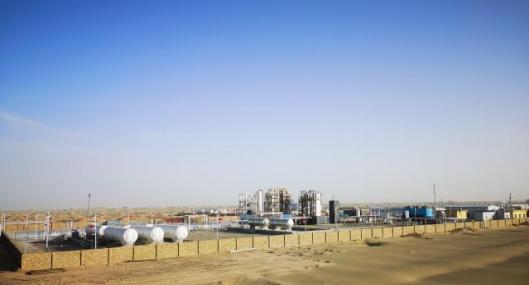
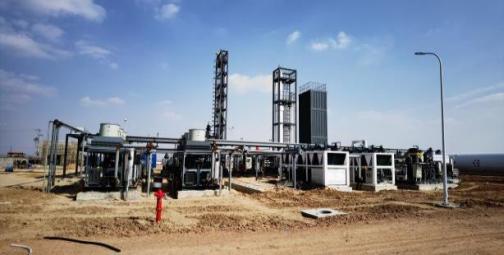
To understand how raw biogas is transformed into high-purity biomethane, one must look at the layout of a standard upgrading installation. A complete system consists of several sequential processes designed to clean, dry, compress, and separate the target gas molecules. The initial stage usually focuses on pre-treatment, where major contaminants are extracted before they can damage downstream upgrading media.
A primary biogas unit typically contains a robust desulfurization block, a moisture removal chiller, a filtration system, and the primary gas separation stage. Depending on the design, the system may also include advanced regenerative thermal oxidizers to manage waste gas streams. Each of these sub-systems must operate in harmony to maintain high uptime and prevent unplanned shut-downs.
The efficiency of the overall biogas unit depends on how well the pre-treatment stage protects the primary separation membranes or media. Raw gas typically contains high levels of hydrogen sulfide, siloxanes, and water vapor. Removing these compounds early in the process prevents corrosion and fouling, which extends the operational lifespan of expensive separation materials.
Evaluating Primary Upgrading Technologies
Several distinct methodologies exist for separating carbon dioxide from methane. The choice of technology within a biogas unit depends on the scale of operation, feedstock characteristics, and the utility costs at the installation site. The most common commercial methods include membrane separation, pressure swing adsorption, and water scrubbing.
Membrane separation relies on polymeric fibers that allow smaller carbon dioxide molecules to pass through while retaining larger methane molecules. This method has gained widespread popularity due to its simplicity, low water usage, and compact footprint. A membrane-based biogas unit offers excellent operational flexibility, allowing operators to scale capacity by adding or removing membrane modules as production needs change.
Pressure Swing Adsorption (PSA) uses solid adsorbent materials, such as carbon molecular sieves or zeolites, to trap carbon dioxide under high pressure. When the pressure is reduced, the carbon dioxide is released, regenerating the adsorbent material. A PSA biogas unit is highly effective at producing high-purity biomethane, though it requires precise control systems to manage the pressure cycles efficiently.
Water scrubbing utilizes the difference in solubility between carbon dioxide and methane in water. Carbon dioxide is far more soluble in water, especially at high pressures and low temperatures. This method is highly reliable and does not require complex chemicals, making it a preferred choice for sites where clean water is readily available and wastewater treatment facilities are close at hand.
Feedstock Composition and Its Impact on System Design
No two biogas projects are identical because the raw gas composition is entirely dependent on the organic feedstock utilized in the anaerobic digestion stage. Agricultural operations processing manure and energy crops produce gas with different chemical profiles than municipal wastewater treatment plants or landfills. Consequently, a biogas unit must be tailored to handle these specific raw gas variations.
For instance, agricultural digesters often yield biogas with high concentrations of hydrogen sulfide. If this toxic and corrosive gas is not removed prior to the upgrading process, it can degrade the components of the biogas unit rapidly. Industrial food waste plants, on the other hand, may produce biogas with high levels of volatile organic compounds and siloxanes, which require specialized carbon filtration blocks.
Landfill gas projects present unique challenges due to the presence of nitrogen and oxygen. Standard CO2 separation technologies cannot easily isolate these gases, requiring the addition of specialized nitrogen rejection units. When specifying a biogas unit, a detailed gas analysis over a prolonged testing period is recommended to avoid operational issues during full-scale commissioning.
Energy Consumption and Operating Efficiency
When calculating the lifetime return on investment for an upgrading plant, the energy consumption of the biogas unit is a critical metric. Operating compressors, chillers, vacuum pumps, and heating elements requires a steady supply of electricity and thermal energy. High operating costs can quickly erode the financial benefits of producing biomethane.
Membrane systems generally require significant electrical energy to compress the feed gas to the pressures necessary for efficient separation. However, they require very little thermal energy, which can be advantageous on sites where waste heat is not available. Conversely, chemical scrubbing systems require heat to regenerate the amine solvents but use less electrical power for gas compression.
To maximize efficiency, modern operators look for opportunities to integrate the energy demands of the biogas unit with other on-site processes. For example, recovering waste heat from the compressor stage of a biogas unit can provide the warmth needed to maintain optimal temperatures in the anaerobic digestion tanks, creating a closed-loop system.
System Integration and Compliance Standards
Producing biomethane is only half the challenge; the gas must also meet strict quality standards before it can be injected into local distribution grids or compressed for vehicle fuel. These standards vary by region and require continuous monitoring of oxygen, nitrogen, carbon dioxide, hydrogen, and moisture content. A professional biogas unit must integrate inline gas chromatographs and automated diversion valves.
If the upgraded gas fails to meet the specified purity limits, the automated system must redirect the gas away from the grid injection point. This off-spec gas is typically recycled back to the inlet of the biogas unit for reprocessing or routed to a flare system. Reliable monitoring protects the gas grid infrastructure and ensures compliance with environmental permits.
Furthermore, safety systems must be integrated throughout the facility. Because methane is highly flammable, the biogas unit must be constructed using explosion-proof components and fitted with gas detection sensors. Adequate ventilation, fire suppression systems, and emergency shutdown buttons are standard requirements for industrial installations.
Long-Term Maintenance and Reliability
To achieve the high capacity factors required for profitable clean energy projects, a biogas unit must be designed for ease of maintenance. Scheduled downtime should be minimal, and wear parts should be easily accessible to field technicians. Establishing a preventive maintenance schedule is the most effective way to prevent costly emergency repairs.
Filters and coalescers require regular replacement to prevent particulate matter and moisture aerosols from reaching the primary separation stage. For membrane-based units, monitoring the pressure drop across membrane housings is critical for detecting early signs of fouling. In PSA systems, the health of the valve manifolds must be assessed regularly, as these valves cycle thousands of times per day.
Collaborating with an experienced manufacturing partner ensures that spare parts are readily available and technical support can be accessed quickly. Remote monitoring capabilities allow engineers to analyze the performance of a biogas unit in real-time, diagnosing potential issues before they cause system failures.
Selecting Your Upgrading Partner
Investing in upgrading technology requires a balance between capital expenditure, operational costs, and system reliability. Each facility must assess its specific feedstock, local utility costs, and target gas specifications before selecting a technical pathway. Partnering with a manufacturer who understands these variables will lead to a more stable and profitable operation.
Ultimately, choosing a high-performance biogas unit is essential for transforming agricultural and industrial waste into high-value renewable natural gas. By focusing on robust pre-treatment, energy efficiency, and reliable maintenance programs, operators can secure a stable clean energy supply for decades to come.
Frequently Asked Questions
Q1: What is the typical methane recovery rate of a modern upgrading system?
A1: A well-designed system typically achieves a methane recovery rate of 98% to over 99%. The remaining portion, known as methane slip, is minimized to reduce environmental impact and maximize overall gas yield.
Q2: How does temperature affect the performance of a biogas unit?
A2: Ambient and process temperatures can affect gas density and the efficiency of separation media. For instance, membrane systems and water scrubbers require precise temperature management via chillers and heat exchangers to maintain consistent gas output quality throughout the seasons.
Q3: Can a standard biogas unit process gas from wastewater treatment plants?
A3: Yes, but sewage gas often contains elevated levels of siloxanes, which originate from personal care products. The upgrading system must be configured with specialized activated carbon filters or thermal adsorption units to completely remove siloxanes before gas separation.
Q4: What is the average lifespan of upgrading membranes?
A4: Under optimal operating conditions, with adequate pre-treatment to prevent oil, water, and chemical fouling, high-quality separation membranes typically last between 5 and 10 years before requiring replacement.
Q5: How is off-spec gas managed during system startup or process upsets?
A5: When the sensor suite detects that the biomethane does not meet grid specifications, automated fast-acting valves route the gas back to the digester, the inlet of the upgrading system, or a localized flare until the system stabilizes and meets compliance targets.