


News
We'll get back to you as soon as possible.
From Anaerobic Digestion to Biogas CNG: Processing Standards and Compression Systems -->
Decarbonizing the heavy-duty transportation and logistics sectors requires clean, reliable alternative fuels. Biomethane compressed to high pressures offers a direct substitute for fossil-derived natural gas in combustion engines. Utilizing biogas cng as a fuel source provides a dual advantage: it mitigates methane emissions from organic waste streams and reduces greenhouse gas emissions from vehicle exhausts. However, converting raw biogas into a fuel that meets international vehicle-grade specifications involves complex physical and chemical separation processes.
Raw biogas produced via anaerobic digestion typically contains 50% to 70% methane, with the remainder composed of carbon dioxide, water vapor, nitrogen, oxygen, and trace contaminants such as hydrogen sulfide and siloxanes. Before this mixture can be introduced into vehicle fuel tanks, it must undergo thorough purification and compression. This process-focused review examines the engineering mechanisms, system configurations, and operational strategies required to convert raw agricultural and municipal biogas into high-pressure fuel.
The Engineering Process of Converting Raw Gas into Biogas CNG
Producing vehicle-grade gas requires a series of distinct, sequential stages. Each stage is designed to target specific components of the raw gas mixture based on molecular size, boiling point, chemical affinity, or solubility. The initial phase focuses on primary conditioning, which involves removing constituents that present immediate risks to downstream process equipment, such as corrosive sulfur compounds and liquid water.
Following this initial purification, the gas undergoes bulk carbon dioxide extraction to raise the methane concentration to the levels mandated by vehicle fuel standards. The final stage requires high-pressure mechanical compression, raising the pressure of the purified gas to the levels needed for vehicle fuel dispensers. Throughout this sequence, precise process control is vital to maintain product purity and prevent energy losses during gas processing.
Primary Desulfurization and Moisture Removal
Hydrogen sulfide is a highly corrosive gas that poses a major risk to compressor components, piping, and engine parts. When exposed to moisture, hydrogen sulfide forms sulfuric acid, which attacks metals and degrades lubricating oils. To prevent this damage, desulfurization units are positioned at the inlet of the upgrading plant. Common industrial methods include chemical adsorption using iron-sponge media or regenerable iron oxide beds, which chemically bind the sulfur molecules.
Once sulfur concentrations are reduced to acceptable levels, moisture removal is necessary to prevent condensation and hydrate formation in the high-pressure stages. Water vapor is typically extracted using a combination of cooling and adsorption. The gas is first chilled in a refrigeration unit to condense bulk water vapor, which is then separated in a coalescing filter. The remaining trace moisture is removed by passing the gas through desiccant dryers containing molecular sieves or activated alumina, reaching a dew point well below the operating temperatures of the vehicle fuel system.
Bulk Carbon Dioxide Separation Technologies
After removing corrosive agents and moisture, the process focuses on isolating carbon dioxide from methane. This is the most energy-intensive step in the production of high-purity biogas cng. The choice of separation technology depends on the raw gas flow rate, feedstock variability, and local utility availability. The three most common industrial methods are membrane separation, pressure swing adsorption, and water scrubbing.
Membrane Separation: This method utilizes hollow-fiber polymer membranes that exploit the difference in permeation rates between gas molecules. Carbon dioxide, water vapor, and hydrogen sulfide permeate through the polymer matrix much faster than methane. By maintaining a pressure differential across the membrane, carbon dioxide is separated into a permeate stream, leaving high-purity methane in the retentate stream.
Pressure Swing Adsorption (PSA): PSA systems utilize adsorbent materials, such as carbon molecular sieves or zeolites, packed into vertical vessels. Under elevated pressures, these materials selectively adsorb carbon dioxide while allowing methane to pass through. When the adsorbent bed becomes saturated, the vessel is depressurized to release the captured carbon dioxide, regenerating the media for the next cycle.
Water Scrubbing: This process relies on the physical solubility of gases in liquid. Carbon dioxide is significantly more soluble in water than methane, particularly at high pressures and low temperatures. The raw gas is fed into the bottom of a column while water is sprayed from the top, absorbing the carbon dioxide as it flows downward, while the insoluble methane exits through the top of the column.
High-Pressure Compression and Storage Configurations
Following the carbon dioxide separation phase, the methane-rich gas is at relatively low pressure, typically between 3 and 10 bar depending on the upgrading technology used. To utilize this biomethane in vehicle applications, it must be compressed to pressures between 200 and 250 bar. This significant pressure increase requires specialized multi-stage compression systems designed for continuous operation and gas containment.
Reciprocating compressors are the industry standard for this application. These machines utilize pistons to compress the gas through multiple successive stages, with interstage cooling systems installed between each step. Compressing gas generates substantial heat, which reduces compressor efficiency and can degrade sealing materials. Interstage heat exchangers, cooled by air or water, lower the gas temperature between stages, maintaining volumetric efficiency and keeping operating temperatures within safe limits.
Lubrication Management and Filtration
Choosing between lubricated and non-lubricated (oil-free) compressors is a major design consideration. Lubricated compressors generally offer longer component lifespans and lower maintenance requirements because the oil reduces friction and helps dissipate heat. However, they carry a risk of oil carryover into the compressed gas stream. Even trace amounts of compressor oil can contaminate vehicle fuel systems, fouling fuel injectors and reducing catalytic converter efficiency.
To mitigate this risk when using lubricated compressors, highly efficient downstream filtration systems are necessary. These systems typically consist of multiple stages of coalescing filters followed by active carbon adsorbers. These filters are designed to capture liquid aerosols and oil vapors, ensuring the delivered gas meets the strict purity requirements of vehicle engines. Non-lubricated compressors eliminate this contamination risk but require specialized piston ring materials and often require more frequent mechanical maintenance.
Buffer Storage and Cascade Dispensing Systems
To accommodate fluctuating vehicle fueling demands, high-pressure storage systems are positioned between the compressor and the dispensing unit. These storage systems are typically organized into three distinct pressure banks, categorized as low, medium, and high-pressure vessels, operating in a configuration known as a cascade system.
When a vehicle connects to the dispenser, gas is drawn first from the low-pressure bank. Once the pressure between the vehicle tank and the low-pressure bank equalizes, the dispensing system automatically switches to the medium-pressure bank, and finally to the high-pressure bank to complete the fill. This sequential approach maximizes the utilization of stored gas and reduces the start-stop cycles of the main compressor, extending the operational life of the machinery.
Application Scenarios for High-Purity Biogas CNG
The practical application of this high-pressure fuel spans several distinct sectors, each presenting unique logistical demands and feedstocks. Understanding these operational environments helps tailor the gas upgrading and compression systems to specific raw gas profiles.
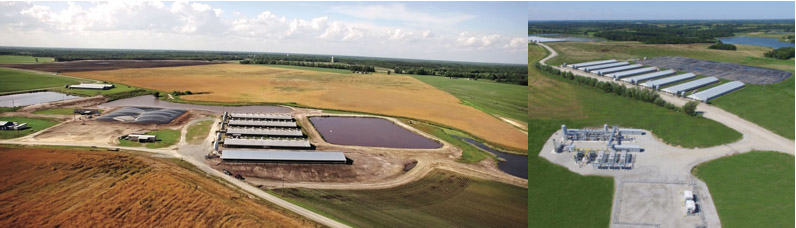
Large agricultural operations represent a major source of raw biogas. These facilities process animal manure, crop residues, and silage through anaerobic digesters. The resulting gas typically has a high methane concentration but can suffer from seasonal fluctuations in flow rates and composition. Upgrading plants in agricultural settings must be robust and capable of handling varying feed rates without losing separation efficiency.
Municipal wastewater treatment plants and solid waste facilities represent another major application area. Wastewater facilities treat sewage sludge, producing biogas with a highly consistent flow rate and composition, though often containing high levels of siloxanes. Municipal solid waste landfills produce landfill gas, which typically features lower methane concentrations and higher levels of nitrogen and oxygen due to air intrusion. Upgrading systems in these settings require advanced separation steps to remove these non-condensable gases and organic contaminants, ensuring the final biogas cng meets vehicle-grade standards.
Overcoming Operational Challenges in Gas Upgrading
Maintaining stable gas quality is a primary operational challenge for upgrading plants. Fluctuations in the raw gas composition, caused by changes in digester feedstocks or environmental temperatures, can directly affect the purity of the end product. If the methane concentration drops below the specified threshold, the fuel can cause engine knocking or reduced vehicle range.
To address this, modern upgrading systems integrate real-time gas analyzers at both the inlet and the outlet of the plant. These systems continuously monitor methane, carbon dioxide, oxygen, nitrogen, and moisture levels. If the sensors detect that the outgoing gas does not meet the necessary quality parameters, automated three-way valves divert the off-spec gas back to the digester or to a flare system, preventing contaminated fuel from reaching the high-pressure storage vessels.
Controlling Siloxanes and Volatile Organic Compounds
Siloxanes are silicon-based organic compounds commonly found in consumer products, which frequently end up in municipal wastewater and landfill waste streams. During anaerobic digestion, these compounds volatilize and enter the biogas stream. When siloxanes are combusted within a vehicle engine, they convert into silicon dioxide, a hard ceramic substance that deposits on cylinder heads, valves, spark plugs, and exhaust sensors, causing severe mechanical wear and sensor failures.
Removing siloxanes requires dedicated adsorption technology. Activated carbon beds, optimized specifically for organic silicon compounds, are positioned before the compression stage. Because siloxanes can compete with other volatile organic compounds (VOCs) for adsorption sites on the carbon media, temperature and humidity control of the gas stream prior to carbon filtration is carefully managed. Cooling the gas to condense out heavier VOCs before it enters the carbon beds helps prolong the life of the adsorbent material.
System Sizing and Integration Considerations
Designing an upgrading and compression facility requires careful balancing of the raw gas production rate with the vehicle fueling pattern. Agricultural digesters produce biogas at a continuous, steady rate, whereas vehicle fueling demands are often highly variable, peaking during specific hours of the day. A direct connection between the upgrading plant and the compressor without adequate buffer storage would force the system to cycle frequently, leading to accelerated equipment wear.
Engineers resolve this mismatch by incorporating low-pressure buffer storage, such as double-membrane gas holders, before the upgrading stage. This configuration allows the anaerobic digesters to operate continuously while the upgrading plant runs at a steady, optimized state. The high-pressure cascade storage system then handles the variable demand from the vehicle fleet, ensuring that the fuel is always available without putting undue stress on the upgrading or compression machinery.
Project Assessment and Engineering Inquiries
Implementing a high-pressure biomethane fueling system requires precise matching of gas purification technology with the specific characteristics of the raw feedstock. Every biogas production facility presents unique gas compositions, flow rates, and environmental conditions that dictate system design.
To assist in evaluating your project requirements and determining the most appropriate separation and compression configurations, we invite you to submit an engineering inquiry. Our team can review your raw gas analysis, flow rate profiles, and target vehicle utilization patterns to help design a high-performance system configured to your operational needs. Please contact our technical division with your specific site data to initiate a detailed engineering review.
Frequently Asked Questions
Q1: What is the primary difference between standard compressed natural gas and biogas CNG?
A1: Chemically, both fuels consist primarily of methane compressed to 200–250 bar and must meet the same engine fuel standards. The primary difference lies in their origin: standard natural gas is a fossil fuel extracted from geological reserves, whereas biomethane-based compressed gas is a renewable fuel produced from the anaerobic digestion of organic waste streams, offering a lower carbon footprint.
Q2: Why is moisture control so critical before compressing the gas to 250 bar?
A2: High pressure significantly increases the temperature at which water condenses or forms solid gas hydrates. If moisture is not removed to a low dew point before compression, liquid water can condense in the high-pressure cylinders, leading to corrosion, oil dilution, and valve failure. Additionally, hydrates can form blockages in the vehicle fuel lines and dispensing nozzles, disrupting fuel flow.
Q3: How do nitrogen and oxygen enter the biogas stream, and how are they managed?
A3: Nitrogen and oxygen typically enter the biogas stream through air leaks in the digester's cover, during feedstock loading, or as part of micro-aeration processes used for biological desulfurization. Because these gases have molecular properties similar to methane, they are difficult to remove with standard membrane or water-scrubbing systems. Prevention through tight digester seal management is the primary control method, though specialized nitrogen-rejection PSA units can be used if concentrations exceed fuel standards.
Q4: What maintenance is required for activated carbon beds used in siloxane removal?
A4: Activated carbon beds have a finite adsorption capacity and become saturated over time. The lifespan of the carbon media depends on the concentration of siloxanes and other VOCs in the gas stream. Maintenance involves regular gas sampling after the carbon filter to detect compound breakthrough. Once the media is saturated, it must be replaced with fresh activated carbon, and the spent material must be disposed of or regenerated according to local environmental regulations.
Q5: Can membrane upgrading systems handle variable inlet pressures from the digester?
A5: Membrane separation relies on a stable pressure differential across the polymer fibers, usually requiring a feed pressure of 6 to 16 bar. Since digesters typically operate at very low pressures (often under 50 mbar), a feed compressor is installed before the membrane unit. This compressor is regulated via variable frequency drives to maintain a constant, controlled inlet pressure to the membranes, ensuring stable separation performance despite fluctuations in raw gas production.