


News
We'll get back to you as soon as possible.
4 Industrial Technologies Driving the Biogas Upgrading Process
Raw biogas produced via anaerobic digestion primarily consists of methane (50% to 70%) and carbon dioxide (30% to 50%), alongside trace impurities such as hydrogen sulfide, siloxanes, moisture, and volatile organic compounds. Converting this raw gas into pipeline-spec biomethane or bio-LNG requires removing non-combustible and corrosive constituents. The standardized biogas upgrading process isolates methane molecules to yield gas streams exceeding 97% purity, matching natural gas standards for industrial distribution.
Achieving high methane recovery requires precision matching between raw gas feedstock profiles and purification equipment architecture. System design focuses on maintaining minimal methane slip, low operating pressure drops, and complete moisture removal. Modern industrial installations employ varied operational mechanisms—ranging from physical absorption to selective membrane transport—to achieve required Wobbe Index ratings for direct grid connection.
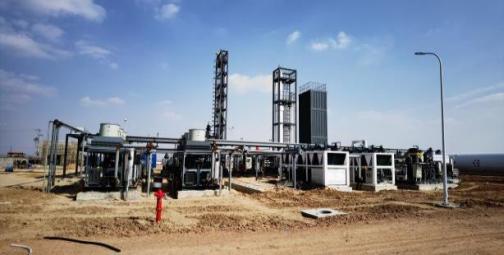
Pre-Treatment Mechanics: Protecting Upstream Separation Equipment
Raw gas streams exiting anaerobic digesters are saturated with water vapor and contaminated with aggressive sulfur compounds. Allowing these impurities into primary separation media causes catalytic poisoning, membrane fouling, and mechanical abrasion in high-pressure compressors.
Biological & Chemical Desulfurization: High concentrations of hydrogen sulfide (H2S) cause rapid acidification and severe equipment corrosion. Coarse removal typically occurs within the digester headspace using micro-aeration or bio-trickling filters. Fine desulfurization down to sub-ppm levels utilizes dry chemical absorption over sacrificial iron oxide media beds or regenerative liquid redox systems.
Moisture Condensation and Chilling: Saturated gas enters active chilling units to lower gas temperatures to 2°C–5°C. Water vapor condenses out of the gas flow along with heavy hydrocarbons. Demisters and automatic drain traps remove liquid bulk moisture before the gas contacts solid media adsorbents.
Siloxane and VOC Extraction: Volatile silicon-based compounds convert to micro-crystalline silicon dioxide during combustion, destroying gas engines and pipeline infrastructure. Fixed-bed activated carbon vessels adsorb siloxanes and volatile organic compounds (VOCs). Dual-bed configurations allow continuous online operation with automated thermal or vacuum regeneration sequences.
Core Separation Technologies in Modern Gas Upgrading
Once raw gas reaches suitable cleanliness, the primary operational objective shifts to separating carbon dioxide from methane. Four main equipment configurations dominate commercial installations, each relying on distinct thermodynamic or physical principles.
1. Polymeric Membrane Separation
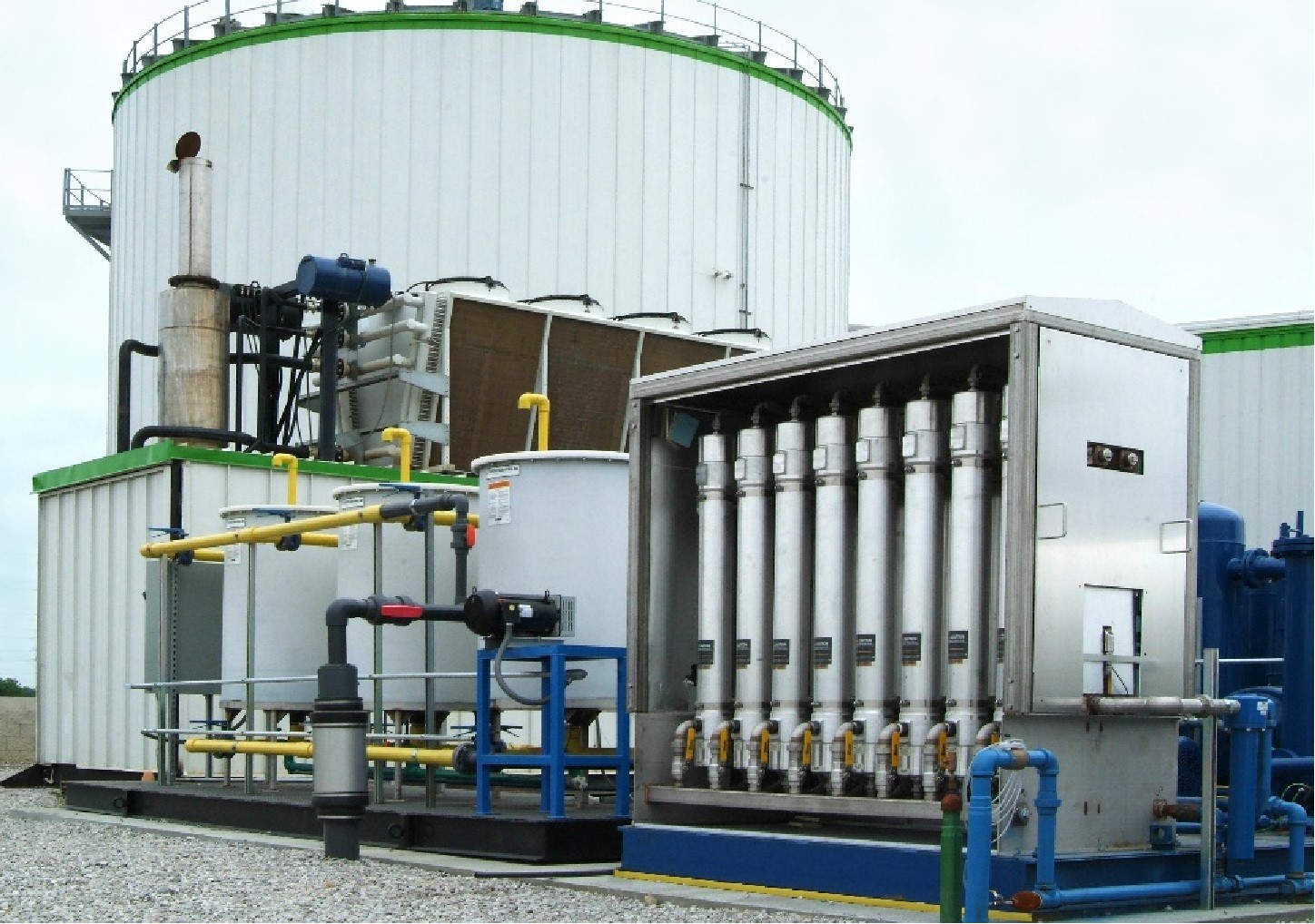
Membrane systems exploit the difference in permeability rates between carbon dioxide and methane molecules through polymeric hollow fibers. Carbon dioxide, water vapor, and residual hydrogen sulfide are classified as "fast gases" that permeate through the dense polymer wall, while methane is retained as a high-pressure retentate stream.
Operating pressures for membrane arrays typically range between 8 bar and 16 bar. Utilizing multi-stage membrane configurations with internal permeate recycle loops allows equipment configurations to achieve methane recovery rates above 99.5%, while limiting overall electrical consumption per normal cubic meter processed.
2. Pressure Swing Adsorption (PSA)
Pressure Swing Adsorption relies on the physical adsorption of carbon dioxide onto porous solid materials, such as synthetic zeolites or carbon molecular sieves, under elevated pressure. As raw gas passes through an adsorption vessel at 4 bar to 10 bar, carbon dioxide molecules lock into the structural pores of the media while methane passes uninhibited.
When the media bed reaches carbon dioxide saturation, the system depressurizes the vessel to release the trapped CO2 as an off-gas stream. Multi-vessel PSA systems alternate pressure cycles between four to six columns to provide continuous gas output with high operational stability.
3. Chemical Amine Scrubbing
Chemical absorption uses aqueous amine solutions—most commonly monoethanolamine (MEA) or methyldiethanolamine (MDEA)—to chemically bind carbon dioxide molecules at lower operating pressures (1 bar to 2 bar). Gas enters the base of an absorption column and flows counter-currently against the descending chemical solvent.
The highly selective chemical reaction between amine molecules and carbon dioxide results in exceptionally low methane loss, often under 0.1%. The rich solvent stream is then routed to a stripper column, where thermal energy breaks the chemical bonds, releasing pure CO2 off-gas and regenerating the lean amine solution for continuous recirculation within the system circuit.
4. High-Pressure Water Wash (HPWW)
Physical scrubbing via high-pressure water washing capitalizes on the higher solubility of carbon dioxide in liquid water compared to methane at pressures between 6 bar and 10 bar. Raw gas rises through a packed column while chilled water sprays downward, absorbing carbon dioxide and small quantities of remaining hydrogen sulfide.
The water leaving the absorption tower enters a flash tank where dissolved gas fractions desorb. The water is then sent to a stripping column where air stripping removes the remaining carbon dioxide, permitting recirculating pump operations without heavy media chemical replenishment.
System Integration and Grid Compliance Standards
Processing raw gas into biomethane requires continuous monitoring and secondary conditioning to meet strict natural gas grid specifications. Pipeline operators enforce tight tolerances on heating values, relative density, and residual contaminant thresholds.
Downstream processing stages incorporate gas chromatography systems to continuously measure output quality. If methane concentration falls below specified limits, fast-acting three-way valves divert the product gas back to the raw gas holder or flare system to protect downstream pipeline integrity.
Engineers manage methane slip through specialized thermal destruction systems. Retentate and off-gas streams containing residual methane pass through regenerative thermal oxidizers (RTOs) or lean-burn gas burners, converting greenhouse emissions into inert carbon dioxide and water vapor before atmospheric release. Modern designs for the biogas upgrading process integrate heat recovery units into these oxidizers to generate process heat for upstream anaerobic digestion tanks.
Feedstock Variations and Mechanical Configuration Parameters
Raw gas properties vary based on source digestate. Wastewater treatment sludge produces gas with high H2S and variable siloxane levels, agricultural slurry generates high moisture and moderate carbon dioxide profiles, and organic municipal solid waste yields elevated VOC concentrations.
Sludge-to-Biomethane Plant Setup: Requires heavy-duty pre-treatment modules with dual-stage activated carbon scrubbers and refrigerated drying loops capable of handling high moisture fluctuations.
Agricultural Digester Plant Setup: Utilizes robust biological desulfurization prior to compressor entry, combined with multi-stage membrane arrays optimized for variable methane flow rates.
Landfill Gas Extraction Plant Setup: Requires deep cooling, specialized VOC stripping towers, and nitrogen/oxygen rejection media due to atmospheric air ingress during collection.
Selecting appropriate compressor architecture—whether dry-running screw compressors, oil-flooded rotary compressors, or multi-stage reciprocating compressors—depends directly on targeted system pressure, gas purity requirements, and site operating hours.
Frequently Asked Questions
Q1: What methane purity level can be achieved through modern
purification systems?
A1: Commercial membrane separation, amine
scrubbing, and PSA systems routinely produce methane purities between 97% and
99.5%, fully meeting national standards for gas grid injection and vehicle fuel
conversion.
Q2: How is methane loss minimized during processing?
A2:
Advanced multi-stage membrane loops recycle permeate streams back through
primary compressor intakes. Chemical scrubbing inherently limits methane loss to
less than 0.1% due to the low physical solubility of methane in aqueous amine
solutions.
Q3: Why must hydrogen sulfide be removed before primary
separation?
A3: Hydrogen sulfide creates acidic compounds when
exposed to moisture, causing rapid internal pitting in gas compressors. It also
clogs molecular sieves in PSA systems and permanently damages polymeric membrane
structures.
Q4: How do ambient temperature variations affect plant
operations?
A4: Temperature drops impact gas chilling and
condensation steps, while elevated temperatures lower the physical solubility of
gases in water wash and amine systems. Modern upgrading units use integrated
thermal management units and gas pre-heaters to maintain baseline operational
efficiency.
Q5: What standard monitoring systems are required for grid
injection?
A5: Biomethane injection stations require continuous
inline gas chromatography to measure CH4, CO2, O2, H2S concentrations, dew
point, and Wobbe Index. Automated emergency shutdown valves immediately isolate
the plant if gas parameters drift outside acceptable grid limits.
Request Industrial Engineering Support
Selecting the optimal equipment combination for an industrial biomethane facility requires precise evaluation of raw gas profiles, daily flow capacity, and pipeline injection requirements. Custom engineering specs ensure high methane recovery rates, long component service life, and regulatory compliance.
Submit your gas compositional analysis, daily volume flow projections, and target outlet pressure specs to our engineering team for a customized system assessment and technical equipment proposal.