


News
We'll get back to you as soon as possible.
How Does Biogas Upgrading Equipment Convert Raw Methane into Pipeline-Grade Gas?
Raw biogas from anaerobic digestion contains 50–65% methane, 30–45% carbon dioxide, and trace contaminants including hydrogen sulfide, ammonia, siloxanes, and moisture. Direct combustion for heat or electricity only requires partial purification. Pipeline injection or vehicle fuel usage, however, demands methane concentrations above 96% and strict removal of corrosive and fouling components. Biogas upgrading equipment bridges this gap through physical and chemical separation processes. This article examines the technical criteria that define industrial-grade upgrading trains, comparing membrane permeation, pressure swing adsorption, and water scrubbing from an engineering perspective.
Raw Biogas Composition and Pretreatment Constraints
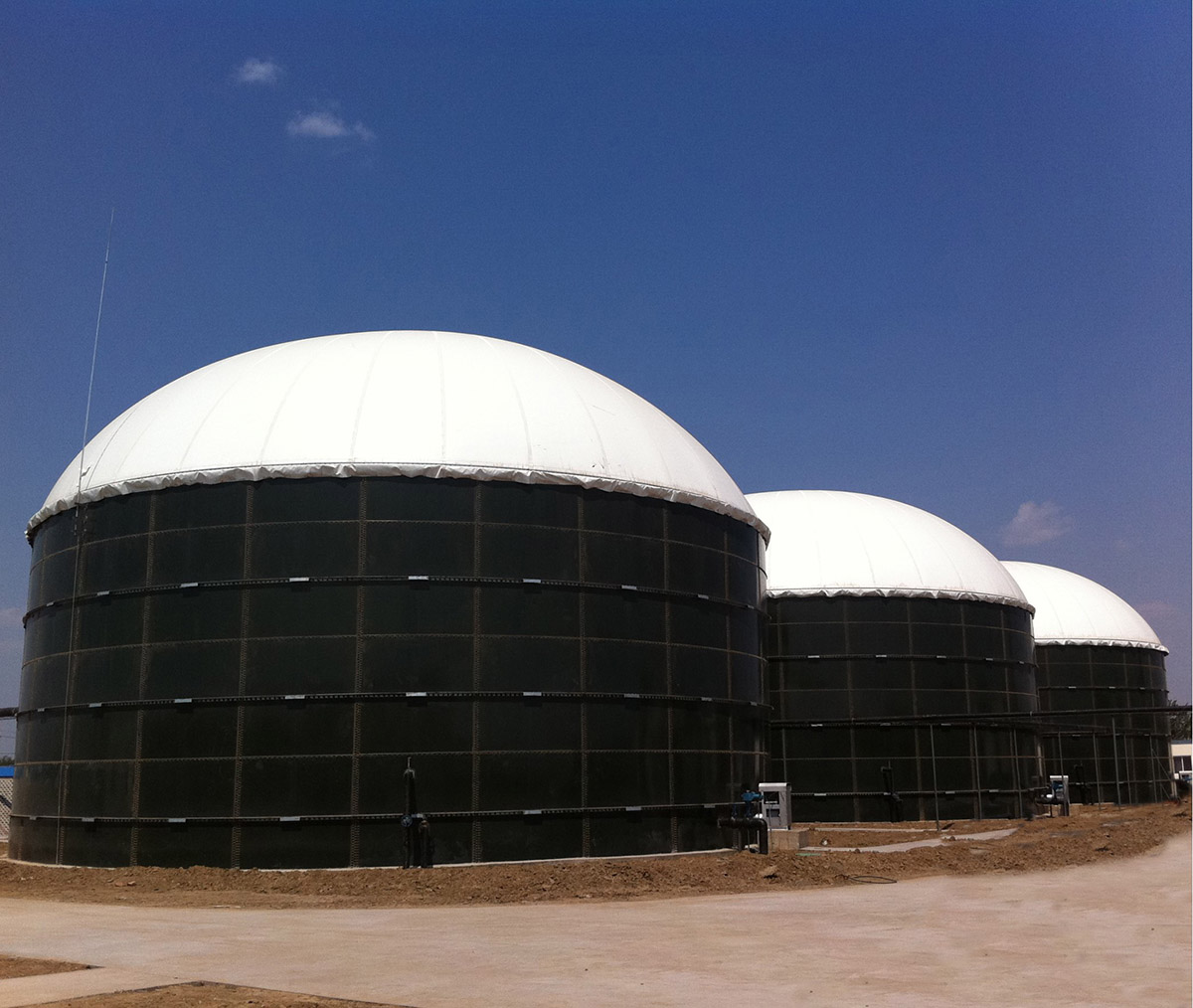
Digester gas composition varies with feedstock—manure, food waste, or energy crops. Methane content shifts with temperature, retention time, and organic loading rate. This variability imposes design tolerances on the upstream section of any biogas upgrading equipment train. Hydrogen sulfide levels range from 200 ppm to over 4,000 ppm in certain industrial effluents. Siloxanes, originating from personal care products and detergents, deposit as silicon dioxide on heat exchangers and combustion engines. Particulate matter and condensed water carry salts that accelerate corrosion in carbon steel piping.
Pretreatment packages typically include:
Chilled water condensate traps with coalescing filters
Activated carbon beds for H2S and siloxane adsorption
Scrubber vessels for bulk ammonia and halogen removal
Particle filtration down to 1 µm for membrane protection
These steps directly influence the service life of downstream compressors, membranes, and valve assemblies. Bypassing adequate pretreatment reduces methane recovery and increases replacement frequency for the entire upgrading skid.
Core Separation Technologies in Biogas Upgrading
Three process families dominate commercial Biogas upgrading equipment installations: membrane permeation, pressure swing adsorption, and high-pressure water scrubbing. Each method exploits different physical properties of methane relative to CO2, nitrogen, and oxygen. Selection depends on feed flow rate, target purity, and available utilities.
Membrane-Based Gas Permeation
Polymeric hollow-fiber membranes separate gases based on solubility and diffusivity. CO2, water vapor, and hydrogen sulfide permeate through the fiber wall faster than methane. Single-stage membrane systems achieve 92–94% methane purity. Two-stage configurations with recycle loops push purity above 98% while maintaining recovery rates of 96–98%. Membrane modules operate at 10–20 bar inlet pressure. Feed gas temperature must remain between 20 °C and 45 °C to avoid plasticization of the selective layer.
Performance degradation occurs from liquid aerosols and hydrocarbon condensates. Operators monitor permeate composition to detect early-stage membrane aging. The absence of moving parts in the separation core reduces mechanical failure points. Biogas upgrading equipment based on membrane technology suits medium-scale plants with steady feed characteristics.
Pressure Swing Adsorption
PSA systems use activated carbon or zeolite molecular sieves to adsorb CO2 and nitrogen under high pressure. The adsorption cycle comprises pressurization, adsorption at 6–10 bar, depressurization, and purge with product gas. Four to six vessels operate in staggered timing to deliver continuous product flow. Methane purity reaches 97–99% with recovery rates between 94% and 97%.
Valve reliability dictates PSA availability. Pneumatic or electrically actuated valves cycle tens of thousands of times annually. Frequent switching generates wear on seat seals and actuator diaphragms. The adsorbent gradually loses capacity due to water poisoning and heavy hydrocarbon fouling. Regeneration with dry product gas consumes 3–5% of the methane output, a factor factored into overall efficiency calculations.
Water Scrubbing Under High Pressure
Water scrubbing dissolves CO2 and H2S in pressurized water columns. Biogas enters the bottom of a packed tower at 8–12 bar. Cleaned methane exits the top with 96–98% purity. Depressurizing the water in a flash tank releases dissolved gases, which are either vented or sent to a thermal oxidizer. Water consumption ranges from 0.2 to 0.5 m³ per 100 Nm³ of raw gas, with recirculation rates exceeding 95%.
This approach handles fluctuating methane fractions effectively. The liquid phase buffers short-term variations in feed composition. Scaling concerns arise in hard water regions unless softened makeup water is introduced. Corrosion inhibitors are added to the scrubbing loop to protect carbon steel columns from carbonic acid attack.
System Integration and Auxiliary Equipment
A complete upgrading installation extends beyond the separation core. The mechanical balance of plant includes feed compressors, gas dryers, and product metering stations. Each component interacts with the primary separator, and mismatched specifications reduce overall system performance.
Compressor Selection and Intercooling
Feed compression accounts for 60–70% of the electrical load. Reciprocating compressors handle variable inlet pressures with moderate efficiency. Screw compressors deliver oil-free discharge but require higher capital investment. Interstage cooling removes heat of compression, maintaining inlet temperatures for membrane or PSA vessels. Temperature swings of 5 °C above design point decrease membrane selectivity by approximately 2% per degree.
Dew Point Control and Gas Drying
Pipeline specifications mandate water dew points below –5 °C at pipeline pressure. Refrigerated dryers followed by desiccant towers achieve –20 °C dew points. Moisture in the product gas leads to hydrate formation in transmission lines and corrosion in storage vessels. Redundant drying trains permit maintenance without plant shutdown.
Gas Chromatography and Online Analysis
Continuous monitoring of methane, CO2, oxygen, and total sulfur provides real-time feedback for process control. Gas chromatographs sample the product stream every 2–5 minutes. Oxygen content above 0.5% triggers an automatic bypass to avoid creating explosive mixtures in downstream storage. Nitrogen accumulation from PSA purge cycles or membrane permeate recycle is tracked to maintain product Wobbe index within grid tolerances.
Operational Factors Affecting Methane Recovery
Recovery rate—the fraction of incoming methane that exits as product—directly influences project viability. Lower recovery rates mean more methane is lost to off-gas streams, which may require thermal oxidation or flaring. For membrane systems, recovery depends on stage-cut ratio and permeate pressure. Higher stage-cut increases purity but decreases recovery. PSA recovery varies with cycle time and adsorbent bed height. Operators adjust these parameters weekly based on feed composition.
Off-gas streams from Biogas upgrading equipment contain 3–15% methane. Routing this stream to a flare or oxidation catalyst converts methane to CO2, reducing the global warming impact. Some facilities blend off-gas with digester heating fuel, recovering part of the energy content. Recovery optimization requires balancing product purity requirements against the cost of methane slip.
Maintenance Schedules and Predictive Indicators
Preventive maintenance intervals are established from cumulative operating hours and cycle counts. Membrane modules undergo permeability testing every 2,000 hours. Adsorbent replacement in PSA vessels follows pressure drop measurements and breakthrough curve analysis. Water scrubbing towers are inspected for packing fouling and distribution tray blockage every six months.
Indicators that signal impending performance loss include:
Increased differential pressure across filters and adsorber beds
Product methane purity drifting below 96% over consecutive hours
Elevated off-gas methane concentration above 8%
Compressor discharge temperature exceeding 90 °C
Valve cycle times extending beyond set parameters
Real-time data from distributed control systems (DCS) feeds into maintenance planning software. Alerts are generated when key performance indicators deviate by more than 5% from baseline values. This proactive approach reduces unscheduled downtime, which typically costs 2–4 days per event for major component replacement.
Feedstock Variability and Process Resilience
Agricultural biogas plants experience seasonal shifts in manure composition and crop availability. Industrial digesters processing food waste see weekly cycles linked to collection routes. Upgrading equipment must accommodate methane fractions between 48% and 68% without manual recalibration. Membrane systems respond to composition changes within 15 minutes due to the rapid permeation response. PSA units require 1–2 hours to stabilize after a step change in feed CO2. Water scrubbers provide inherent buffering because the liquid phase dampens concentration fluctuations.
Operators of biogas upgrading equipment often install a feed gas buffer tank to smooth out short-term variations. Tank sizing follows the rule of thumb: hold 30 minutes of average flow to allow downstream units to adjust. This buffer also provides surge capacity during upstream digester maintenance.
Regulatory and Grid Injection Requirements
Pipeline operators enforce strict quality specifications for biomethane injection. Limits typically include methane ≥ 96%, CO2 ≤ 3%, oxygen ≤ 0.2%, total sulfur ≤ 5 ppm, and Wobbe index between 47 and 52 MJ/Nm³. Meeting these figures demands precise control over each stage of the upgrading train. Biogas upgrading equipment manufacturers integrate online analyzers and automatic valve trimming to maintain compliance. Documentation of continuous monitoring results is submitted to grid operators on a monthly basis.
In regions with feed-in tariffs, injection volumes must be verified with calibrated mass flow meters. Redundant metering systems with temperature and pressure compensation ensure accuracy within ± 0.5%. Discrepancies above 1.5% trigger investigations and possible tariff adjustments. The metering skid is therefore a critical component, often duplicated to provide continuous verification.
Plant Layout and Space Considerations
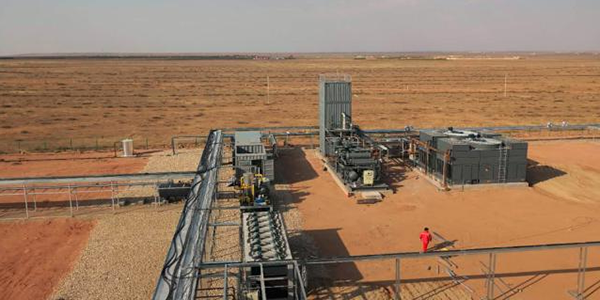
Physical footprint influences equipment selection, particularly for retrofitting existing digester facilities. Membrane systems occupy the smallest area per Nm³/h of capacity, followed by PSA, with water scrubbing requiring the largest ground space due to tower height and water storage tanks. Skid-mounted designs reduce civil works and installation time. Modular Biogas upgrading equipment enables phased capacity expansion; additional membrane banks or adsorbent vessels are added as digester throughput increases.
Noise and heat dissipation from compressors and dryers must be factored into enclosure design. Outdoor installations in temperate climates reduce ventilation costs, while cold-weather plants need insulated buildings and trace heating on water lines. Local fire codes determine separation distances between upgrading skids and storage vessels.
Beyond the separation skid, the product gas conditioning train includes final filtration, odorization (where required), and a custody transfer station. Each of these subsystems adds pressure drop, requiring compensation through booster compressors. Total pressure drop from digester outlet to pipeline tie-in ranges between 4 and 8 bar, depending on pipeline operating pressure.
Frequently Asked Questions
Q1: What is the typical methane recovery rate for industrial biogas upgrading equipment?
A1: Modern upgrading systems achieve recovery rates between 94% and 98% under stable feed conditions. Membrane units with two-stage permeate recycle and PSA systems with optimized cycle timings both reach the upper end of this range. Recovery rate varies with target purity—higher purity specifications (98%+) reduce recovery by 1–2 percentage points due to increased off-gas recycle.
Q2: How does feed gas pressure affect the performance of biogas upgrading equipment?
A2: Feed pressure directly determines separation driving force. Membrane systems operate effectively at 10–20 bar, with higher pressures increasing permeation rate but raising compression costs. PSA units require 6–10 bar to achieve adequate CO2 adsorption capacity. Water scrubbers depend on pressure to increase CO2 solubility; 8–12 bar is standard. Operating below minimum pressure reduces product purity and recovery.
Q3: What are the common failure modes in membrane-based biogas upgrading systems?
A3: Membrane failure results from liquid carryover, temperature excursions beyond 50 °C, or exposure to heavy hydrocarbons. Aerosols from inadequate coalescing filters coat the fiber surface, reducing permeance. Rapid pressure cycling causes mechanical stress at the tube-sheet interface, leading to O-ring leaks. Regular autopsies of retired modules show that 70% of failures originate in the pretreatment section.
Q4: How is oxygen content managed in Biogas upgrading equipment?
A4: Oxygen enters with air leakage in digester covers or vacuum pumps. Most upgrading technologies do not remove oxygen, so it concentrates in the product stream. Pipeline specifications mandate oxygen below 0.2% for safety and corrosion reasons. Oxygen removal requires a separate catalytic deoxygenation unit or hydrogenation stage. Many plant operators choose to seal digesters and compressors to minimize air ingress at the source.
Q5: What maintenance intervals are recommended for water scrubbing systems?
A5: Water scrubbers require quarterly inspection of packing material and distributor plates. Demister pads are replaced annually. The scrubbing water loop should undergo chemical analysis weekly to monitor pH, conductivity, and dissolved solids. A side-stream filtration unit removes suspended solids continuously. Major tower maintenance, including internal coating repairs, is scheduled every 3–5 years during planned plant shutdowns.
Q6: Can Biogas upgrading equipment handle variable methane concentrations from different feedstocks?
A6: Yes, modern systems incorporate feed-forward control that adjusts operating parameters based on real-time composition data. PSA units modify cycle times and adsorption pressure. Membrane systems change stage-cut ratios via permeate backpressure control. Water scrubbers adapt liquid-to-gas ratios. The response time varies from minutes (membrane) to hours (PSA), but all technologies can accommodate a ± 10% variation in methane fraction.
For detailed performance specifications, capacity sizing, and integration diagrams, refer to the biogas upgrading equipment technical library. Engineering teams with specific project parameters—feed flow rates, site elevation, or grid requirements—can submit inquiries for customized configuration support.