


News
We'll get back to you as soon as possible.
Engineering the Industrial Plug Flow Digester: Hydraulics, Kinetics, and Biomethane Integration
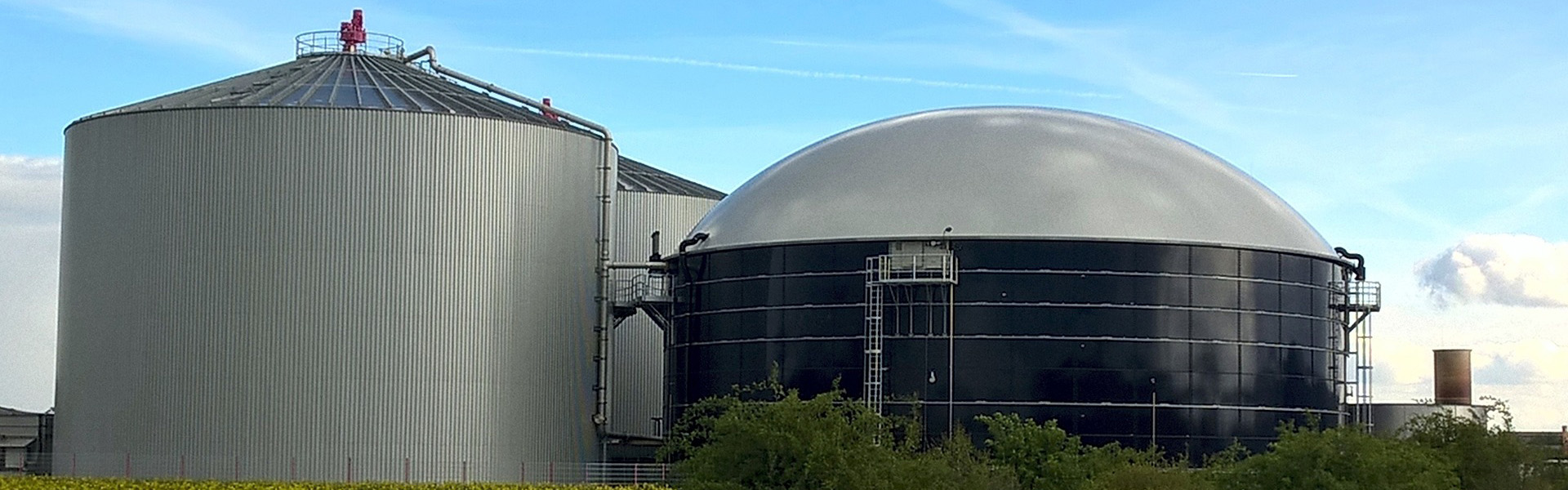
Industrial scale anaerobic conversion demands precise containment architecture capable of processing substrates with elevated dry matter content. Agricultural residues, dairy manure slurries, and solid municipal organics present rheological challenges that conventional completely stirred tank reactors (CSTR) struggle to address efficiently. Processing these heavy, heterogeneous feedstocks requires an understanding of continuous displacement mechanics, where fluid movement approaches an ideal linear trajectory without severe back-mixing.
Deploying a robust plug flow digester allows commercial facilities to harness distinct biological degradation zones across a linear continuum. Unlike mixed vessels where incoming green waste is instantly diluted into the active bacterial mass, horizontal displacement systems segregate incoming fresh material from maturing digestate. This kinetic separation provides stable metabolic progression, superior pathogen sanitization, and predictable biomanufacturing outcomes when paired with modern gas purification trains.
Hydrodynamic Regimes and Residence Time Distributions
Theoretical plug flow operates on the premise that fluid elements enter, traverse, and exit the vessel sequentially, retaining an identical hydraulic retention time (HRT). In real-world physical systems, fluid elements experience frictional drag against vessel boundaries, density stratification, and gas buoyancy interactions that alter the ideal velocity profile. Quantifying the degree of non-ideality relies heavily on the dimensionless Peclet number ($Pe$), which balances bulk convective transport against axial dispersion:
Pe = (u × L) / Dax
Where u represents mean fluid velocity, L defines the active hydraulic length of the reactor, and Dax represents the axial dispersion coefficient. High Peclet numbers denote minimal axial back-mixing, approaching theoretical displacement. When fluid flows through a wide channel with insufficient longitudinal velocity, low Peclet numbers manifest, signaling excessive dispersion that deteriorates system throughput.
Achieving stable displacement demands continuous control over the apparent viscosity of the slurry. Manure substrates displaying total solids (TS) concentrations between 8% and 14% function as non-Newtonian pseudoplastic fluids. Under laminar flow regimes, these slurries exhibit shear-thinning characteristics where apparent viscosity diminishes as shear rates increase. Without properly distributed shear inputs across the cross-sectional profile, stagnant zones develop along the invert and side boundaries, reducing the effective working volume. Controlled agitation mechanisms provide localized disruption of yield stress thresholds without disrupting the overarching axial concentration gradient.
Substrate stratification poses an operational hurdle in wide-trench designs. Dense mineral fractions, such as grit, tramp sand, and calcium carbonate precipitations, settle toward the reactor invert, while fibrous components and lignocellulosic materials migrate upward to formulate dense scum blankets. The system must maintain sufficient longitudinal forward velocity or utilize slow, high-torque transverse boundary sweepers to prevent sedimentation from reducing hydraulic volume over years of uninterrupted deployment.
Spatial Metabolic Separation and Degradation Kinetics
Anaerobic transformation relies on a four-tier microbiological cascade: hydrolysis, acidogenesis, acetogenesis, and methanogenesis. In stirred vessels, these pathways occur simultaneously in an identical homogeneous liquor, requiring the biological consortium to operate at an intermediate compromise pH (typically 7.2 to 7.8). A continuous plug flow digester establishes a dynamic chromatographic effect along the linear length of the basin, permitting physiological zoning.
Inlet Zone (Hydrolysis and Rapid Acidogenesis): Slurry introduced at the front portal encounters high enzymatic hydrolysis rates. Acidogenic bacteria rapidly convert soluble carbohydrates, proteins, and lipids into volatile fatty acids (VFAs), primarily acetic, propionic, and butyric acids. The pH in this initial reactor fraction naturally dips to 5.5–6.5. This localized acidification accelerates the breakdown of complex biopolymers without exposing methanogenic archaea in downstream sectors to systemic acid shock.
Intermediate Zone (Acetogenesis and Hydrogen Regulation): As the fluid element advances, syntrophic acetogenic microorganisms oxidize intermediate propionate and butyrate into acetate, hydrogen gas ($H_2$), and carbon dioxide ($CO_2$). Maintaining low partial pressures of hydrogen ($p_{H_2} < 10^{-4}$ atm) governs the thermodynamic feasibility of propionate degradation. In this intermediate sector, spatial proximity between hydrogen producers and downstream hydrogenotrophic consumers balances Gibbs free energy balances naturally.
Terminal Zone (Methanogenesis and Digestate Maturation): The final reactor segments stabilize at alkaline to neutral pH (7.4–8.0), sustained by bicarbonate buffering systems. Slow-growing aceticlastic methanogens (such as Methanosaeta and Methanosarcina) and hydrogenotrophic archaea metabolize acetate and dissolved carbon into methane ($CH_4$). The spatial segregation ensures that recalcitrant fiber digestion reaches completion without interference from fresh, unhydrolyzed feed inputs.
Pathogen reduction represents an inherent advantage of this linear configuration. In a well-regulated displacement reactor, every unit volume remains exposed to mesophilic or thermophilic environments for the entire calculated duration of the retention period. Short-circuiting—an occurrence in mixed tanks where viable pathogens exit the discharge valve minutes after entry—is physically suppressed, allowing facility managers to achieve Class A biosolid pasteurization profiles when operating under elevated temperature settings.
Mechanical Configuration and Thermal Regulation
Vessel construction dictates the long-term structural viability of an anaerobic processing system. Most high-capacity installations utilize horizontal rectangular concrete trenches or modular cylindrical steel envelopes with significant length-to-width aspect ratios, frequently exceeding 5:1. Concrete structures must feature specific sulfate-resistant cement formulations and crystalline waterproofing admixtures to counteract biogenic sulfuric acid generation within the headspace.
Maintaining biological temperature stability requires internal heat transfer architectures capable of penetrating thick, non-convective slurries. Jacketed heating circuits or internal longitudinal heat exchange pipes circulating hot water must be placed strategically along the reactor boundaries. Because heat conduction through static, high-solids manure is inherently poor, boundary movement generated by slow-turning mechanical scrapers or oscillating paddles is mandatory to ensure uniform temperature equilibrium and avoid localized thermal stratification.
Agitation systems implemented in modern facilities fall into three broad engineering categories:
Low-Speed Longitudinal Rotor Shafts: Heavy horizontal shafts traversing the center of the reactor fitted with segmented paddle arms. Operating at speeds between 0.5 and 2 RPM, these units gently lift settled solids, release entrapped biogas bubbles from the intermediate liquor, and shear through developing crust layers without inducing backward axial dispersion.
Intermittent Biogas Injection: High-pressure gas compressors extract biogas from the reactor headspace and reinject it sequentially through bottom-mounted nozzle arrays. The rising gas bubbles induce localized vertical toroids that homogenize the cross-section while retaining linear travel through the chamber.
Cross-Axis Transverse Mixers: Series of discrete, vertically oriented low-shear mixers mounted through sealed ports on the roof. These operate intermittently, breaking surface skins without accelerating forward movement along the primary hydraulic axis.
Interfacing Digestion Hydraulics with Gas Upgrading Systems
Biogas liberated from an industrial plug flow digester showcases volumetric gas production curves that mirror substrate loading cycles, but the composition of the crude gas maintains stability compared to batch architectures. Typical raw gas streams consist of 55% to 68% methane ($CH_4$), 30% to 42% carbon dioxide ($CO_2$), saturated water vapor, and varied trace contaminants including hydrogen sulfide ($H_2S$), volatile methyl siloxanes, and ammonia ($NH_3$).
Preparation for downstream biomethane production through membrane separation or pressure swing adsorption (PSA) begins within the reactor gas dome. Because high-solids slurries often release gas in bursts as large bubbles overcome viscous yield stresses, headspaces must be sized with adequate buffer volumes to damp pressure oscillations. Unstable gas pressures disrupt the pressure control valves of downstream booster compressors, leading to uneven throughput across multi-stage polymer membrane arrays.
Biological in-situ desulfurization can be facilitated by metering controlled, micro-quantities of oxygen or air directly into the digester headspace. Sulfide-oxidizing bacteria (such as Acidithiobacillus) colonize internal surfaces or engineered netting, transforming gaseous $H_2S$ into elemental sulfur before the gas exits the vessel. Eliminating bulk sulfur burdens at this stage prevents premature exhaustion of downstream iron sponge units or activated carbon vessels, protecting compressor impellers and high-performance gas separation membranes from chemical deterioration.
Substrate Rheology and Mechanical Pumping Infrastructures
Feeding a plug flow digester requires specialized handling systems engineered to move abrasive, non-Newtonian, high-solid media containing stones, bedding, and foreign matter. Pumping systems must generate sufficient head to overcome line friction, static head, and the initial yield stress of slurries possessing 10% to 20% dry matter content.
Progressive cavity pumps utilizing hardened tool-steel rotors paired with chemical-resistant fluoroelastomer stators represent the standard configuration for thick agricultural slurries. When managing fibrous wastes derived from straw or corn stover, positive displacement rotary lobe pumps equipped with integrated front-end macerators or cutting screens prevent solids from binding inside conveyance piping. The piping network itself should feature long-radius elbows, glass-lined interior coatings to reduce boundary friction, and automated cleanout valves for regular flushing routines.
Pre-conditioning of feedstocks governs subsequent biological throughput. Industrial dry shredders and hydrothermal conditioning chambers can be positioned upstream to reduce raw substrate particle dimensions to below 12 millimeters. Mechanical maceration breaks the protective outer waxy coatings of plant cells, dramatically increasing the surface area accessible to bacterial hydrolytic enzymes. Consequently, solids liquefy faster upon entry into the digestion chamber, minimizing the risk of rapid sedimentation and lowering the apparent viscosity across the inlet zone.
Monitoring, Instrumentation, and Process Stability
Maintaining stable biochemical conditions inside an opaque, horizontal, high-solids environment requires specialized inline process monitoring. Relying solely on effluent digestate analysis introduces significant lag times, preventing timely responses to substrate overload or toxic compound introduction. Modern engineering practices deploy distributed sensor arrays positioned at discrete intervals along the reactor length.
Parameters tracked across the linear profile include:
Oxidation-Reduction Potential (ORP): Methanogenesis requires strict reducing environments, typically below -300 mV. ORP probes positioned in intermediate and terminal zones verify the absence of stray oxygen intrusion from feed pumps or gas management systems.
Intermittent Volatile Fatty Acid Profiling: Automated online titrators extract conditioned fluid samples to monitor the ratio of volatile organic acids to total inorganic carbon (FOS/TAC). A sudden climb in the FOS/TAC ratio in downstream zones indicates impending biological souring long before bulk pH variations register on standard instrumentation.
Multi-Point Thermal Arrays: Thermocouple assemblies inserted via sealed thermowells monitor internal temperatures across the invert, core, and surface strata, identifying heating loop fouling or local thermal bypasses immediately.
Ultrasonic Level and Foam Detection: Non-contact acoustic sensors determine headspace dimensions while specialized conductivity probes detect the sudden accumulation of biological foam, prompting injection of localized vegetable oil anti-foaming agents or automated gas relief protocols.
Engineered Solutions for Commercial Biogas Projects
Developing an efficient, high-yield biological processing facility requires unified synchronization between primary digestion mechanics and modern gas purification technologies. The design of a modern plug flow digester must account for specific substrate physical properties, internal mixing dynamics, structural durability, and seamless upstream coupling to membrane or pressure swing gas separation units.
For custom engineering designs, structural evaluations, and fully integrated high-solids biogas upgrading equipment, submit an inquiry to our application engineering team. Our specialists deliver complete system integration, supporting your project from substrate physical modeling through fabrication, system integration, and plant commissioning.
Frequently Asked Questions
Q1: What substrates are most compatible with a plug flow digester?
A1: These systems excel when treating high-solids, fibrous
feedstocks possessing total solids concentrations between 10% and 20%. Typical
inputs include scraped dairy manure, feedlot beef cattle waste, poultry litter
blended with bulking agents, energy crops, pre-treated agricultural residues,
and source-separated organic fractions of municipal solid waste. Fluid slurries
with less than 5% total solids do not support stable displacement dynamics and
perform better in conventional stirred tank reactors.
Q2: How does a horizontal displacement reactor prevent mechanical
short-circuiting?
A2: Physical prevention of short-circuiting occurs
through geometry and rheology. Designing tanks with high length-to-width aspect
ratios (typically exceeding 4:1 or 5:1) physically isolates the feed end from
the effluent discharge port. Additionally, operating with dense, shear-thinning
slurries provides continuous fluid resistance that discourages rapid convective
mixing along the primary flow axis, ensuring every unit volume traverses the
entire channel longitudinally.
Q3: What methods are applied to manage bottom grit accumulation in
long-term operations?
A3: Grit management begins with front-end
mechanical separation, including sand-settling lanes, hydrocyclones, or
sedimentation traps positioned prior to the primary feed pumps. Inside the
reactor, slow-moving floor-sweeping flight augers or heavy-duty scraper chains
slowly pull settled mineral fractions toward specialized discharge hoppers,
allowing sediment ejection without draining or opening the vessel during
operation.
Q4: Why does the system produce biogas with higher stability for
downstream gas separation?
A4: The internal spatial separation of
biological phases mitigates the shock loading that frequently destabilizes
single-tank systems. Because hydrolytic and acidogenic fluctuations remain
sequestered near the inlet, the terminal methanogenic zones experience a steady,
balanced supply of organic acids. This results in stable volumetric production
rates and steady methane concentrations, simplifying pressure and flow
management for membrane upgrading systems.
Q5: What are the primary differences between wet and dry horizontal
digestion systems?
A5: The distinction rests on total solids
concentration. Wet horizontal systems manage pumpable slurries possessing
roughly 8% to 15% dry matter, allowing the use of heavy-duty progressive cavity
pumps and internal submerged mixing shafts. Dry (or high-solids) systems process
stackable biomass with 20% to 35% dry matter, requiring hydraulic ram feeding
assemblies, heavy-duty drag conveyors, and specialized discontinuous handling
systems to achieve continuous displacement.