


News
We'll get back to you as soon as possible.
Host Biogas Integration for Biogas Upgrading Plants | Site-Specific Design
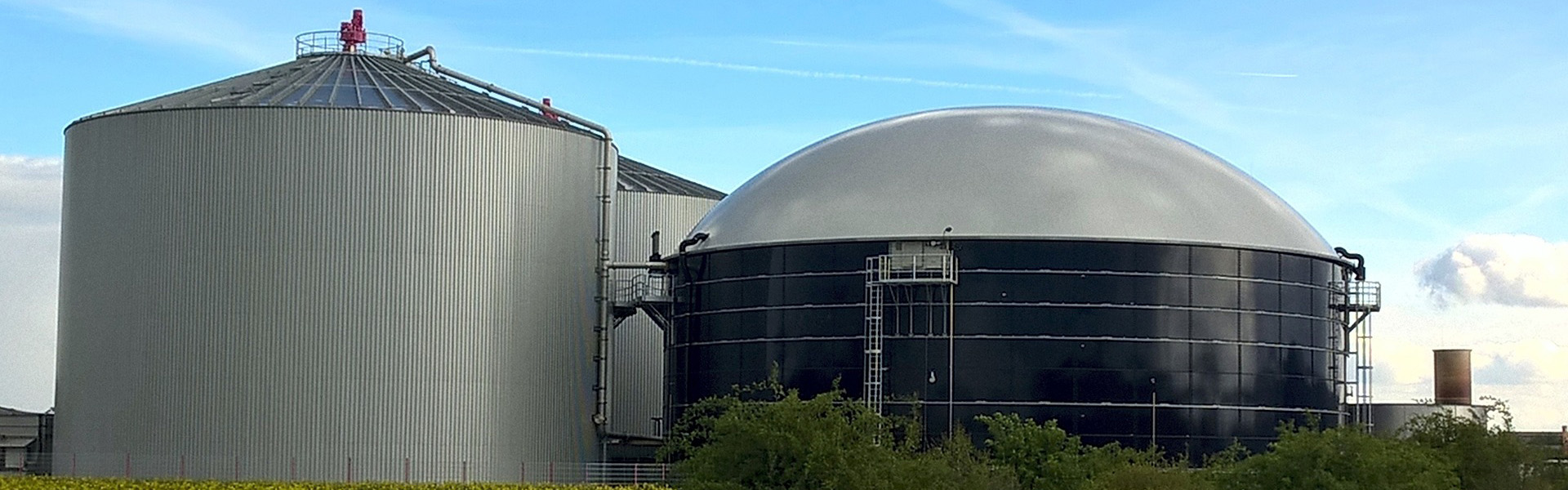
In biogas upgrading projects, the upgrading unit does not operate on an abstract gas composition. It operates on the gas delivered by a specific anaerobic digestion site, landfill, wastewater plant, or agricultural facility. That delivered gas stream is what this article calls host biogas: the raw gas produced at the host facility, with its own methane range, carbon dioxide load, sulfur profile, moisture level, pressure pattern, and flow variability. The quality of the interface between the host facility and the upgrading plant determines whether the biomethane product meets offtake specifications consistently.
Project teams often begin with a target methane purity and a selected upgrading technology. A more reliable starting point is the gas characterization and battery-limit definition between the digester gas system and the upgrading plant. When this boundary is defined clearly, equipment selection, controls, buffer capacity, and product gas conditioning can be aligned with actual operating conditions rather than nominal assumptions.
What Host Biogas Means in an Upgrading Project
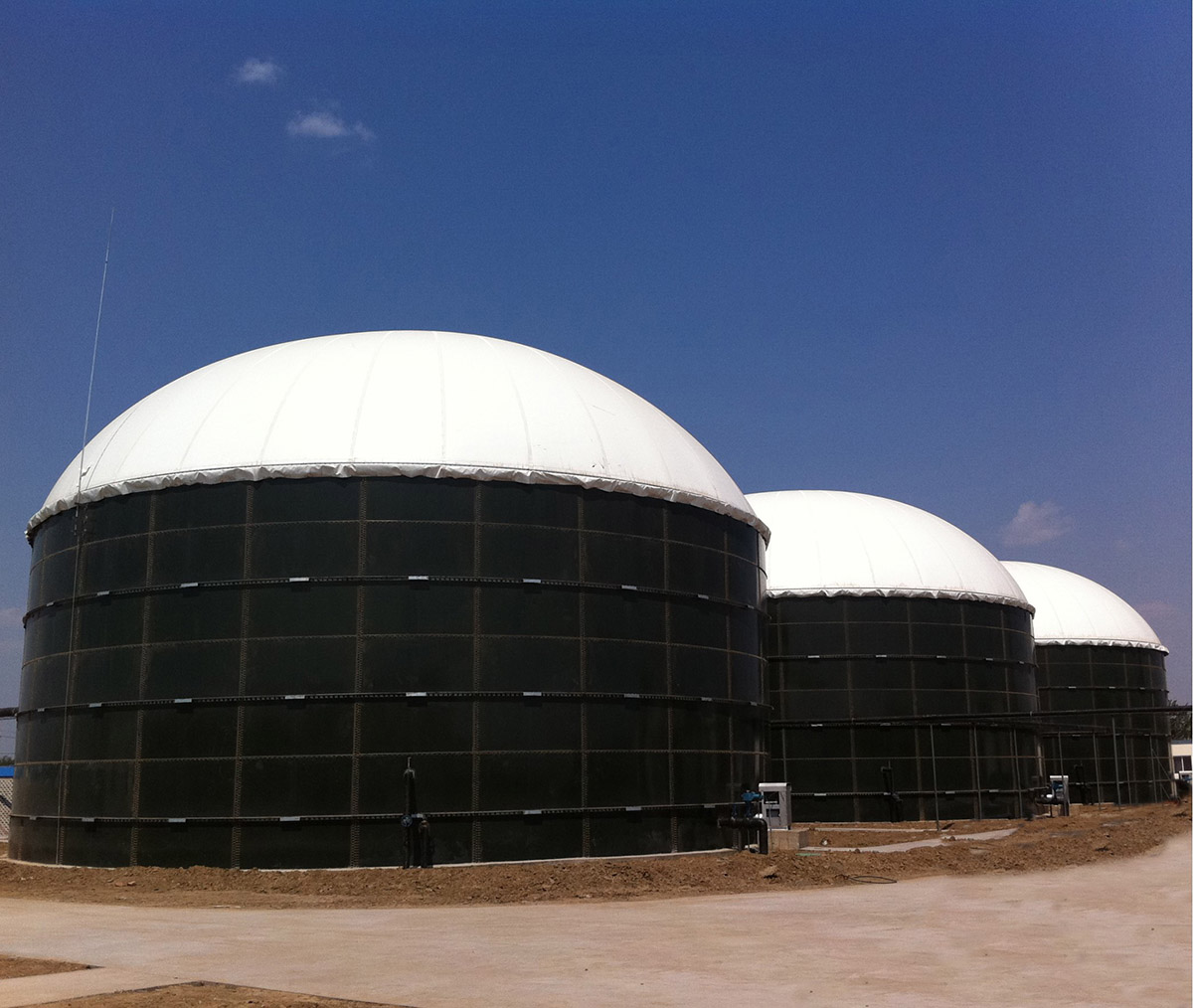
The term describes the raw gas conditions that the host facility supplies to the upgrading plant. It includes the average composition and the expected range: methane, carbon dioxide, nitrogen, oxygen, hydrogen sulfide, ammonia, siloxanes, volatile organic compounds, water vapor, temperature, pressure, and particulate content. It also includes supply behavior. A wastewater treatment plant may show slow seasonal shifts, while a landfill or multi-feedstock digester can show faster changes in methane content and trace contaminants.
The battery limit is the practical point where responsibility moves from the host gas system to the upgrading process. At that point, the project should define flow, pressure, temperature, allowable condensate, maximum sulfur load, and sampling provisions. A clear boundary prevents later disputes about gas quality and supports consistent operation of compressors, blowers, pretreatment vessels, membranes, scrubbers, and final product conditioning.
Gas characterization should cover normal operation, startup, shutdown, and upset conditions. Short-term peaks in hydrogen sulfide or moisture can affect downstream materials and product quality even when average values look acceptable. For this reason, laboratory analysis, online measurement, and historical operating records should be reviewed together. The resulting gas envelope becomes the basis for equipment sizing and control philosophy.
Gas Quality Parameters That Shape Upgrading Design
Design decisions follow the gas envelope. Methane and carbon dioxide set the separation duty. Hydrogen sulfide and other sulfur species determine the pretreatment sequence and the type of guard beds required. Siloxanes, if present, affect combustion-based downstream equipment and require dedicated removal before final compression or grid injection. Water vapor and temperature influence condensate management, dew point, and material selection.
Methane concentration: Defines the raw gas energy content and the separation load for the selected upgrading route.
Carbon dioxide: Determines the main separation duty and the required product gas polishing.
Hydrogen sulfide: Drives biological or chemical desulfurization, iron-based media, or activated carbon guard beds.
Siloxanes and volatile organic compounds: Require adsorption or other pretreatment where the product gas specification limits them.
Water vapor and temperature: Set condensate knockout, cooling, and dew-point control requirements.
Oxygen and nitrogen: Affect product gas specification compliance and the choice of separation technology.
Pressure and flow pattern: Determine blower or compressor duty, buffer volume, and turndown behavior.
Particulate and foam carryover: Require filtration, knock-out drums, and protection for downstream equipment.
Measurement points should be placed where they represent the gas entering the upgrading plant, not only the digester headspace. Sampling lines need proper conditioning to avoid condensation and adsorption errors. For sulfur and siloxane species, spot samples alone can mislead. Composite sampling, online analyzers where appropriate, and periodic laboratory checks give a more complete picture of the gas entering the plant.
Matching Upgrading Technology to Host Biogas Conditions
Several upgrading routes are available, and each responds differently to the gas envelope. Water scrubbing uses water as a selective absorbent for carbon dioxide and is sensitive to pretreatment quality and water management. Amine scrubbing offers selective carbon dioxide removal and can achieve high methane purity, with heat integration and solvent management as central design topics. Pressure swing adsorption relies on adsorbent selection and cycle design. Membrane separation provides modular separation and can be configured for different product purity targets. Cryogenic separation uses low-temperature processing and requires careful water and carbon dioxide control.
The selection process should compare the raw gas composition with the product specification and the expected operating pattern. A plant with high hydrogen sulfide requires robust upstream sulfur removal before the gas reaches membranes, adsorbents, or scrubbers. A site with high oxygen may need additional polishing to meet grid injection limits. A site with variable flow needs turndown capability and buffer capacity that match the supply pattern.
Off-gas treatment also belongs in the technology comparison. Methane that leaves with the carbon dioxide stream affects overall methane recovery and may require recycling, thermal oxidation, or another treatment step depending on site conditions and local requirements. The design should address normal operation and transient states such as startup, shutdown, and feed interruption. Controls should maintain stable product quality while protecting the upgrading unit from sudden changes at the battery limit.
Interface Engineering Between Digester and Upgrading Plant
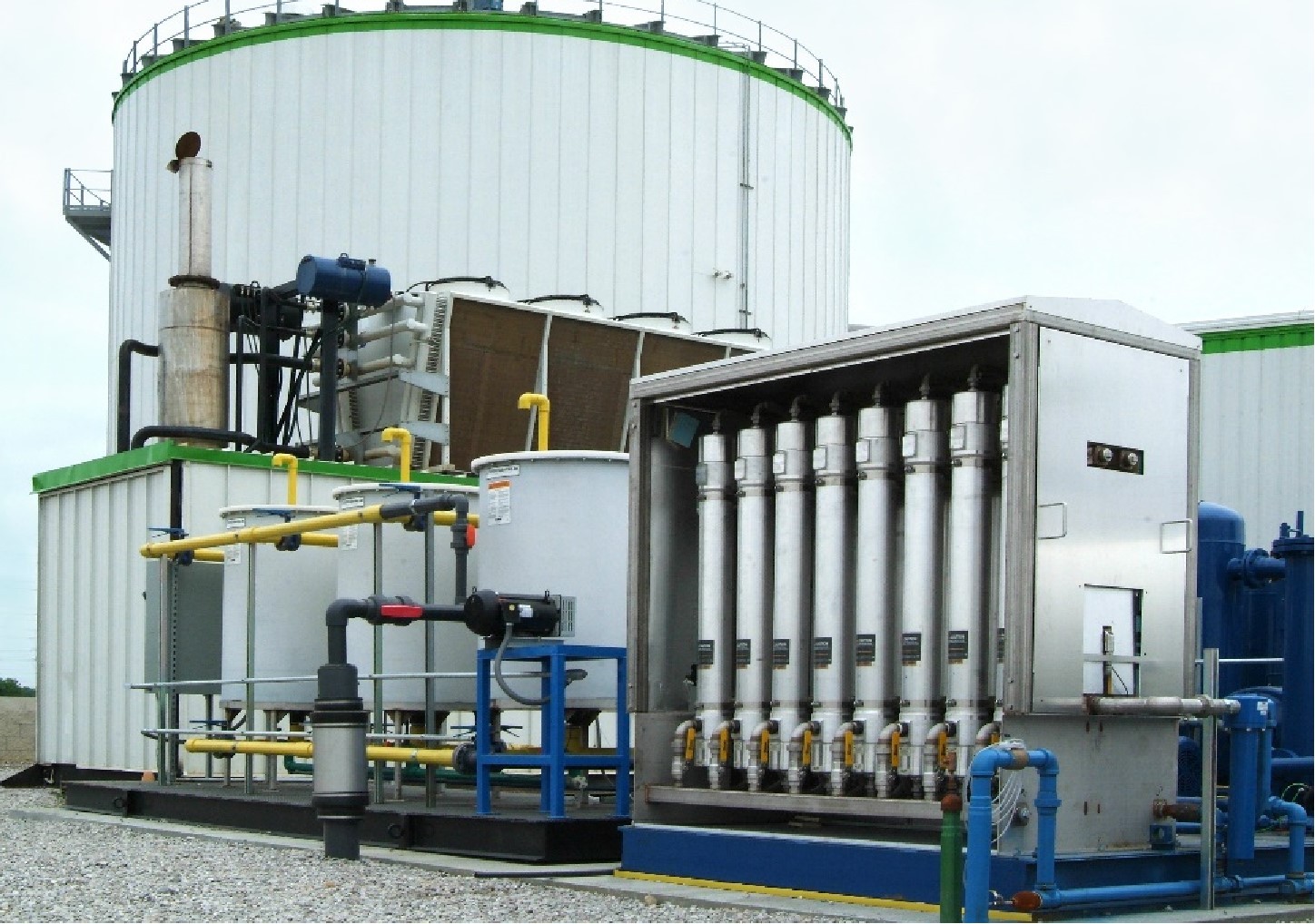
The interface between the host facility and the upgrading plant is where many operating issues begin. Gas from digesters is saturated with water and may carry foam, particulate, and corrosive species. The first section of the upgrading plant should condition the gas into a stable feed for the separation process. This section typically includes condensate removal, filtration, pressure regulation, and temperature control.
Gas holder or buffer volume to absorb flow changes from the digester or gas collection system.
Condensate knockout and drain management to remove free water before compression or cooling.
Blower or compressor selection with a pressure curve that matches the upgrading process.
Desulfurization and guard beds sized for average and peak sulfur loads.
Cooling and chilling to control water dew point and protect adsorbents or membranes.
Particulate filtration and foam control measures at the gas inlet.
Flare or alternative gas management for startup, shutdown, and maintenance periods.
Sampling ports, flow meters, pressure transmitters, and gas analyzers connected to the control system.
Material selection follows the gas analysis. Wet, sulfur-bearing gas can affect carbon steel, elastomers, and instrumentation. Stainless steel, coated surfaces, and suitable seal materials may be required in specific sections. Drain points, sample lines, and analyzer connections should be accessible for maintenance. A well-designed interface reduces carryover into the upgrading plant and gives operators reliable data for decisions.
Operational Stability Across Variable Host Biogas Feed
Feed variability is normal in biological systems. Feedstock changes, temperature shifts, digester biology, and upstream maintenance all influence gas composition and flow. The upgrading plant should be designed with a defined operating envelope and a control strategy that responds to measured gas quality. Online gas chromatography, sulfur analyzers, moisture measurement, and flow data provide the basis for automatic adjustments and operator guidance.
Buffer capacity helps decouple digester fluctuations from the upgrading process. Product gas storage, recycle lines, and controlled ramp rates allow the plant to maintain specification during short disturbances. Startup and shutdown sequences should be written for the actual gas system, including purge steps, warm-up or cool-down requirements, and analyzer stabilization. Maintenance planning should account for guard bed replacement, filter changes, and calibration without disrupting product supply.
Operator training should focus on the relationship between upstream gas conditions and downstream performance. When methane content drops, carbon dioxide load rises, or sulfur breaks through a guard bed, the response should follow a clear sequence. Trend review and periodic gas audits help identify drifting conditions before they become product quality issues. This operating discipline supports long-term reliability and predictable biomethane output.
Grid Injection and Biomethane Offtake Requirements
Biomethane produced from the upgrading plant must meet the offtake specification, which may cover methane purity, carbon dioxide, oxygen, nitrogen, water dew point, sulfur compounds, calorific value, Wobbe index, and odorization. These limits influence the final polishing section and the metering arrangement. Compression to pipeline pressure, temperature control, and analytical verification are part of the product gas conditioning train.
Early coordination with the grid operator or offtake party helps define the measurement points, analyzer requirements, and documentation needed for gas acceptance. The upgrading plant control system should record product quality continuously and support reporting. Where product gas is used for vehicle fuel, additional limits may apply to moisture, sulfur, and particulate content. The final conditioning steps should be selected against the actual offtake contract rather than a generic purity target.
Frequently Asked Questions
Q1: Which gas parameters should be measured before selecting an upgrading route?
A1: Measure methane, carbon dioxide, hydrogen sulfide, total sulfur, siloxanes where relevant, volatile organic compounds, water vapor, oxygen, nitrogen, temperature, pressure, and flow range. Historical trends and peak values matter as much as average composition.
Q2: How often should raw gas sampling be repeated?
A2: The interval depends on feedstock stability and site history. A new project usually benefits from several sampling campaigns across different operating states. Existing plants can use periodic audits together with online analyzers for key parameters.
Q3: Why is the battery limit important for an upgrading project?
A3: The battery limit defines the gas conditions and responsibilities at the handover point between the host facility and the upgrading plant. Clear values for flow, pressure, temperature, moisture, sulfur load, and sampling access support equipment sizing and stable operation.
Q4: Can one upgrading technology handle all raw gas compositions?
A4: No single route fits every gas envelope. Pretreatment needs, product specification, flow variability, methane recovery targets, and site conditions all influence the choice. Technology comparison should use the measured gas envelope and offtake requirements.
Q5: What interface items are commonly overlooked?
A5: Condensate management, foam carryover, analyzer sample conditioning, flare availability, guard bed replacement access, and control system response to feed changes are often underdefined. These items affect daily operation and product quality.
Q6: How should product gas quality be verified for grid injection?
A6: Use continuous measurement where the offtake specification requires it, supported by laboratory checks and calibration records. Verify methane purity, carbon dioxide, oxygen, water dew point, sulfur, calorific value, and Wobbe index against the agreed specification.
Project Inquiry Pathway
For a host biogas project inquiry, provide the raw gas composition range, flow pattern, pressure and temperature at the battery limit, expected contaminants, product gas specification, and offtake conditions. These inputs allow the equipment scope and interface design to be matched to the site. Review turnkey biogas upgrading solutions and submit your project data for a focused inquiry response.