


News
We'll get back to you as soon as possible.
Paddy Straw Biogas Plant: Turn Rice Residue into Clean Energy & Organic Fertilizer
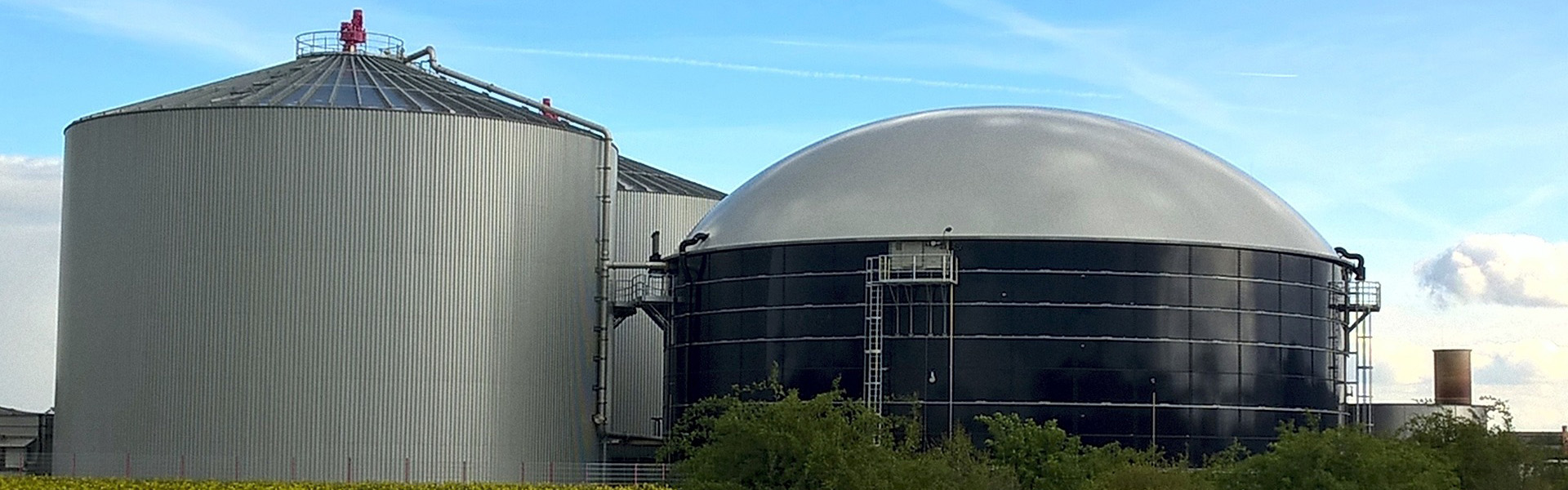
A paddy straw biogas plant offers a practical, high-tech solution for managing millions of tons of rice straw while generating renewable biomethane. These plants, now built by international biogas equipment manufacturers, stop open-field burning and create revenue from waste. Modern paddy straw biogas plant designs include pretreatment units, anaerobic digesters, and biogas upgrading skids that deliver pipeline-quality gas.
Rice cultivation leaves behind 2–3 tons of straw per acre. Instead of polluting the air, this biomass can feed a paddy straw biogas plant. With advanced hydrolysis and continuous stirred-tank reactors (CSTR), these facilities achieve high gas yields. The digestate by‑product is a pathogen‑free organic fertilizer that improves soil health.
What is a Paddy Straw Biogas Plant?
A paddy straw biogas plant is an industrial bioenergy system that converts rice straw (paddy straw) into biogas through anaerobic digestion. Unlike conventional cattle-dung plants, this facility is specifically engineered to handle lignocellulosic, high‑silica straw. Key sections include:
Preprocessing line: chopping, soaking, and mild thermal or enzymatic treatment to break lignin.
Digester tank: typically a continuous stirred-tank reactor (CSTR) operating at mesophilic/thermophilic temperatures.
Biogas upgrading unit: membrane separation or water scrubbing to remove CO₂ and H₂S, producing biomethane.
Digestate processing: screw press separator and drying system for bagged organic manure.
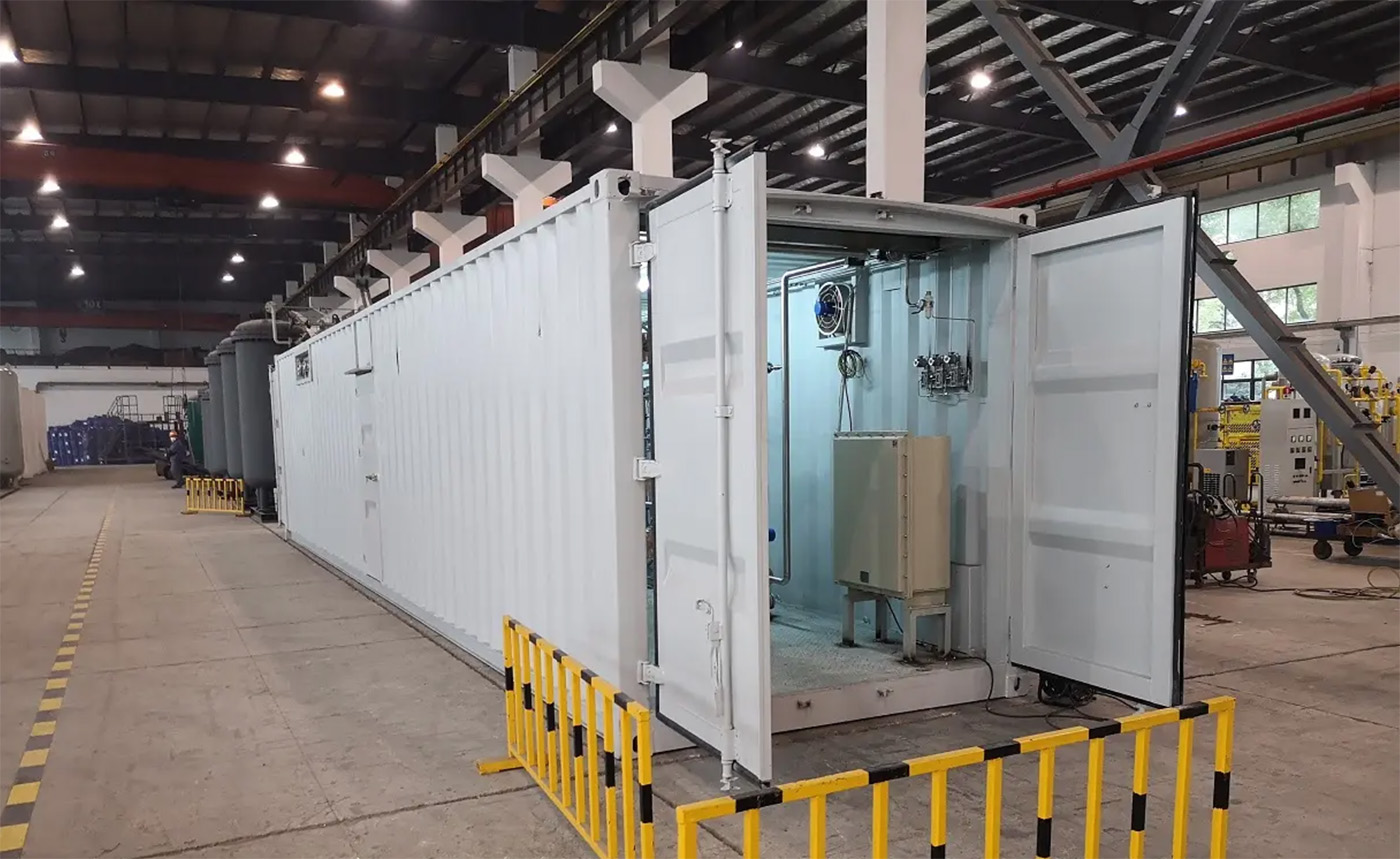
International suppliers now deliver prefabricated paddy straw biogas plant modules that reduce on‑site construction time. These plants comply with ISO standards and can be integrated with combined heat and power (CHP) units.
How a Paddy Straw Biogas Plant Converts Straw to Energy
The process inside a modern paddy straw biogas plant involves four main stages. Each step is optimized to handle the fibrous nature of rice straw.
1. Feedstock preparation: Baled paddy straw is shredded to 2–5 cm particles, then mixed with water and recirculated digestate to create a pumpable slurry (total solids 8–12%).
2. Anaerobic digestion: In the oxygen‑free digester, hydrolytic bacteria break down cellulose and hemicellulose into sugars, which methanogens convert to biogas (55–65% methane, 35–45% CO₂).
3. Biogas upgrading: Raw biogas passes through iron‑oxide filters (H₂S removal) then a membrane skid that separates CH₄ from CO₂. The resulting biomethane contains >96% methane.
4. Digestate dewatering: The effluent is pressed into solid fibrous manure and liquid fertilizer, both rich in potassium and micronutrients.
A well‑operated paddy straw biogas plant produces 300–400 cubic meters of biogas per ton of dry straw. After upgrading, this yields about 180–240 m³ of biomethane, equivalent to 170–220 litres of diesel.
Why Install a Paddy Straw Biogas Plant? Key Benefits
Adopting a paddy straw biogas plant creates value across the farm and energy sectors. Below are the primary advantages documented by operators in India, Southeast Asia, and Europe.
Stops stubble burning: Each ton of straw processed avoids ~1.5 tons of CO₂ equivalent emissions from open fires.
Renewable energy production: Biomethane can replace natural gas in grids, or be used as vehicle fuel (CBG).
Additional income stream: Farmers sell straw (₹2000–3000/ton) to the plant instead of paying for disposal.
Organic fertilizer output: The digestate from a paddy straw biogas plant reduces chemical NPK use and improves soil carbon.
Eligible for carbon credits: Methane avoidance and fossil fuel substitution generate tradable carbon offsets.
Many governments subsidize up to 40% of capital costs for paddy straw biogas plant projects under waste‑to‑energy programs.
Core Equipment in a Modern Paddy Straw Biogas Plant
International biogas equipment manufacturers have developed specialized components for straw‑based plants. A typical paddy straw biogas plant includes the following high‑efficiency systems:
Hydraulic bale breaker & screw feeder: Handles large straw bales, reduces dust, and ensures continuous feeding.
Hydrolysis/pasteurization tank: Operates at 70–80°C to sterilize the feedstock and initiate lignin breakdown.
Stainless steel CSTR digester: With slow‑speed side‑entry mixers designed for high‑solids medium.
Gas upgrading skid: Membrane or PSA (pressure swing adsorption) made in Germany, Sweden, or China, delivering biomethane with <2% CO₂.
Digestate separation & composting unit: Turns the residue into bagged organic fertilizer.
Suppliers like EnviTec, Wärtsilä, and local Asian fabricators now offer pre‑engineered paddy straw biogas plant packages from 2 tons/day to 200 tons/day capacity.
Economic Viability of a Paddy Straw Biogas Plant
Setting up a paddy straw biogas plant requires significant capital, but returns are attractive when all revenue streams are counted. A 10‑tonne‑per‑day plant (approx. 600 m³ biogas/day) involves:
Capital cost: USD 600,000–850,000 (including biogas upgrading and grid interconnection).
Annual operating cost: USD 80,000–110,000 (labor, electricity, enzymes, maintenance).
Annual revenue: USD 170,000–250,000 from biomethane sales, fertilizer, and possibly carbon credits.
Payback period: 4–7 years, depending on local energy prices and subsidies.
Because a paddy straw biogas plant also solves a waste problem, many development banks offer low‑interest loans for such projects.
Environmental Impact of Paddy Straw Biogas Plants
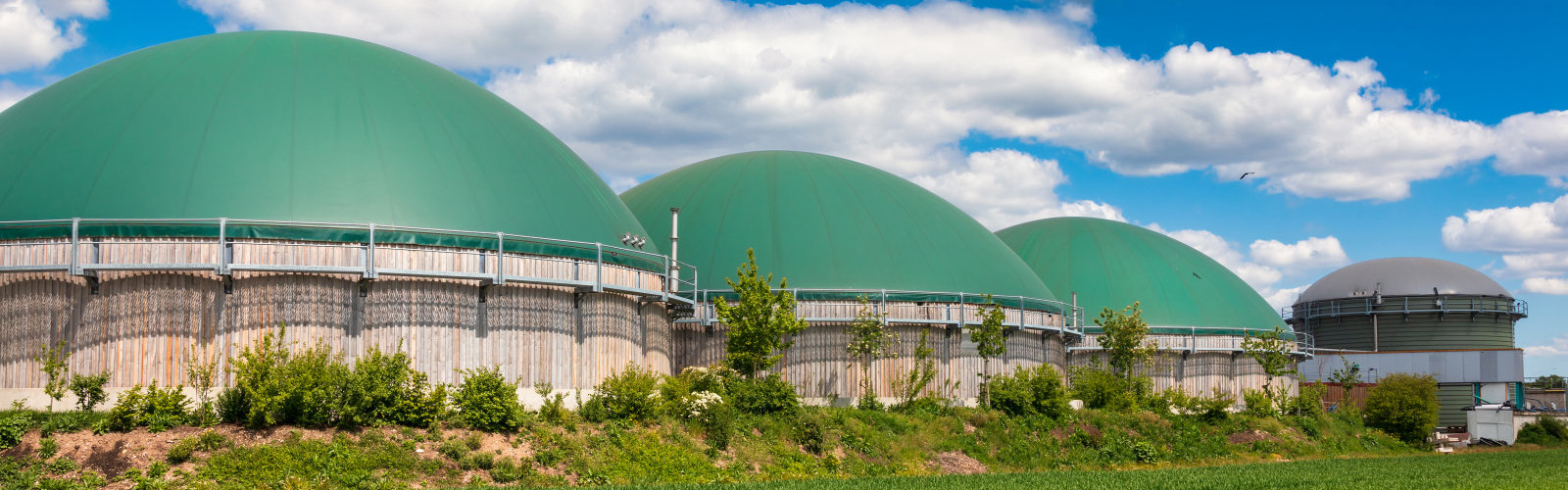
Widespread adoption of paddy straw biogas plant technology can dramatically reduce air pollution in rice‑growing regions. For every million tons of straw processed:
≈ 1.8 million tons CO₂‑eq are mitigated (compared to open burning + fossil fuel use).
≈ 250,000 tons of organic fertilizer replace chemical alternatives.
Thousands of rural jobs are created in collection, operation, and distribution.
Additionally, the closed‑loop model of a paddy straw biogas plant returns carbon and nutrients to the soil, improving long‑term agricultural resilience.
Global Adoption of Paddy Straw Biogas Technology
Countries like India, Thailand, Vietnam, and the Philippines are actively promoting paddy straw biogas plant installations. India’s SATAT scheme targets 5,000 compressed biogas (CBG) plants, many of which will use paddy straw. In Europe, several plants process imported rice straw, while Japan and South Korea test small‑scale automated units.
Policies that support paddy straw biogas plant projects include capital subsidies, viability gap funding, and mandatory purchase tariffs for biomethane. International collaborations (e.g., Indo‑Dutch biogas partnerships) accelerate technology transfer.
Challenges in Running a Paddy Straw Biogas Plant
Operating a paddy straw biogas plant is not without hurdles. Common issues and countermeasures are:
High silica & lignin: leads to abrasion and slow digestion → solution: mechanical pretreatment (extrusion) plus enzyme cocktails.
Storage and seasonal availability: paddy straw is harvested once or twice a year → solution: dense bale silage or torrefaction for year‑round feeding.
Floating layer formation: straw tends to float → solution: special top‑mounted stirrers and recirculation.
High investment cost: → solution: cooperative ownership models or public‑private partnerships.
With proper design and operation, a paddy straw biogas plant can achieve >330 operating days per year.
Future Outlook for Paddy Straw Biogas Plants
The next decade will see smaller, modular paddy straw biogas plant units suitable for village clusters. Integration with solar thermal pre‑treatment and AI‑controlled digesters will boost efficiency. Moreover, as compressed biogas (CBG) becomes a mainstream transport fuel, the demand for straw‑fed plants will rise sharply. International equipment manufacturers are already developing containerized paddy straw biogas plant solutions that can be deployed within months.
Frequently Asked Questions – Paddy Straw Biogas Plant
Q1: What is the typical cost range for a small paddy straw biogas plant?
A1: A small-scale paddy straw biogas plant (2–5 tons straw/day) without high‑end upgrading costs between USD 200,000 and USD 450,000. With biogas purification to biomethane, the investment rises to USD 500,000–700,000. Prices vary by automation level and country-specific fabrication.
Q2: How much biogas can one ton of paddy straw produce?
A2: In a properly designed paddy straw biogas plant, one dry ton of straw typically yields 280–380 m³ of raw biogas (55% methane). After upgrading, this gives about 150–210 m³ of biomethane, equivalent to 150–200 litres of gasoline.
Q3: Can a farmer individually own a paddy straw biogas plant?
A3: Yes, but individual ownership is more viable for medium to large farms (≥20 acres) or through farmer producer organizations (FPOs). Many manufacturers offer 1–2 ton/day paddy straw biogas plant units for individual use, though economics improve with collective feedstock supply.
Q4: What are the main challenges with straw pretreatment?
A4: Paddy straw’s high lignin (8–12%) and silica (10–15%) make it resistant to bacterial attack. A paddy straw biogas plant must include mechanical (hammer mill, extrusion) or thermal pretreatment (steam explosion) to open up the fibers. Enzymatic hydrolysis further improves gas yield by 20–30%.
Q5: Is government subsidy available for a paddy straw biogas plant?
A5: Many rice‑producing nations offer subsidies. India’s Ministry of New and Renewable Energy provides central financial assistance up to ₹50 lakh per 4.8 tonnes/day for biogas plants. Similarly, Thailand and Vietnam have soft loans for paddy straw biogas plant projects. Check local renewable energy agencies for current programs.
Q6: Does a paddy straw biogas plant produce any unpleasant odour?
A6: Modern enclosed paddy straw biogas plant designs are odour‑controlled. The digestion process happens in sealed tanks, and the digestate is quickly dewatered or composted, minimizing smell. Biofilters can be added to treat exhaust air if needed.
Final thought: The paddy straw biogas plant is more than a waste processor – it is a cornerstone of circular agriculture. By turning rice straw into biomethane and bio‑manure, these facilities reduce air pollution, improve soil health, and generate clean energy. International biogas equipment makers continue to innovate, making paddy straw biogas plant projects more reliable and profitable. Whether for a cooperative, a municipality, or a private investor, the transition to straw‑based biogas is both an environmental necessity and a sound business decision.