


News
We'll get back to you as soon as possible.
7 Key Steps in the Production of Biogas from Organic Waste
The global push for renewable energy has brought significant attention to the methods we use to convert waste into power. Among the most effective and sustainable processes is the production of biogas from organic waste. This method not only addresses waste management challenges but also creates a valuable energy source. For farmers, municipalities, and industrial food processors, understanding this process is the first step toward energy independence and sustainability. This article breaks down the entire workflow, from feedstock collection to the final energy output.
Understanding the Basics of Anaerobic Digestion
Before diving into the mechanical steps, it is important to understand the science behind the production of biogas from organic waste. The process relies on anaerobic digestion, where microorganisms break down biodegradable material in an oxygen-free environment. The result is a mixture of gases, primarily methane and carbon dioxide, along with a nutrient-rich residue called digestate. This natural process occurs in landfills, but controlled systems in digesters accelerate it significantly, capturing the gas for productive use.
The 4-Stage Biological Process
The biological conversion inside a digester follows a specific sequence. Each stage relies on different groups of bacteria working in harmony.
Hydrolysis
Complex organic polymers like carbohydrates, fats, and proteins are too large for microbes to absorb. In the first stage, enzymes break these polymers down into soluble sugars, fatty acids, and amino acids. This step is often the speed-limiting factor in the production of biogas from organic waste, especially with dry, fibrous feedstocks.
Acidogenesis
The smaller molecules from hydrolysis are then fermented by acidogenic bacteria. This stage produces volatile fatty acids, alcohols, hydrogen, and carbon dioxide. The environment becomes more acidic, which is a natural part of the cycle.
Acetogenesis
The products from acidogenesis are further converted by acetogenic bacteria. They produce acetic acid, hydrogen, and carbon dioxide, which are the direct substrates for the final methane-forming stage.
Methanogenesis
This is the crucial final stage where methanogenic archaea convert the acetic acid, hydrogen, and carbon dioxide into methane. This is where the biogas is actually formed. Maintaining stable pH and temperature is critical here, as methanogens are sensitive to changes.
Step 1: Feedstock Collection and Preparation
The journey begins with gathering suitable materials. Not all waste is created equal. Common feedstocks include animal manure, crop residues, food waste from processing plants, and sewage sludge. The efficiency of the production of biogas from organic waste depends heavily on the feedstock mix. Materials are often mixed to achieve a balanced carbon-to-nitrogen ratio, ideally around 20:1 to 30:1. Pre-treatment may involve removing contaminants like plastics or stones, and shredding solid materials to increase the surface area for bacteria.
Step 2: Pre-Treatment and Pasteurization
Depending on the feedstock source, a pasteurization step may be legally required, especially when processing food waste or animal by-products. Heating the material to a specific temperature for a set time ensures pathogen reduction. This step protects the digestate quality for later use as a soil amendment. For some woody or fibrous feedstocks, thermal or mechanical pre-treatment can break down lignin, making more energy available for digestion and boosting overall gas yields.
Step 3: The Digestion Process in a Reactor
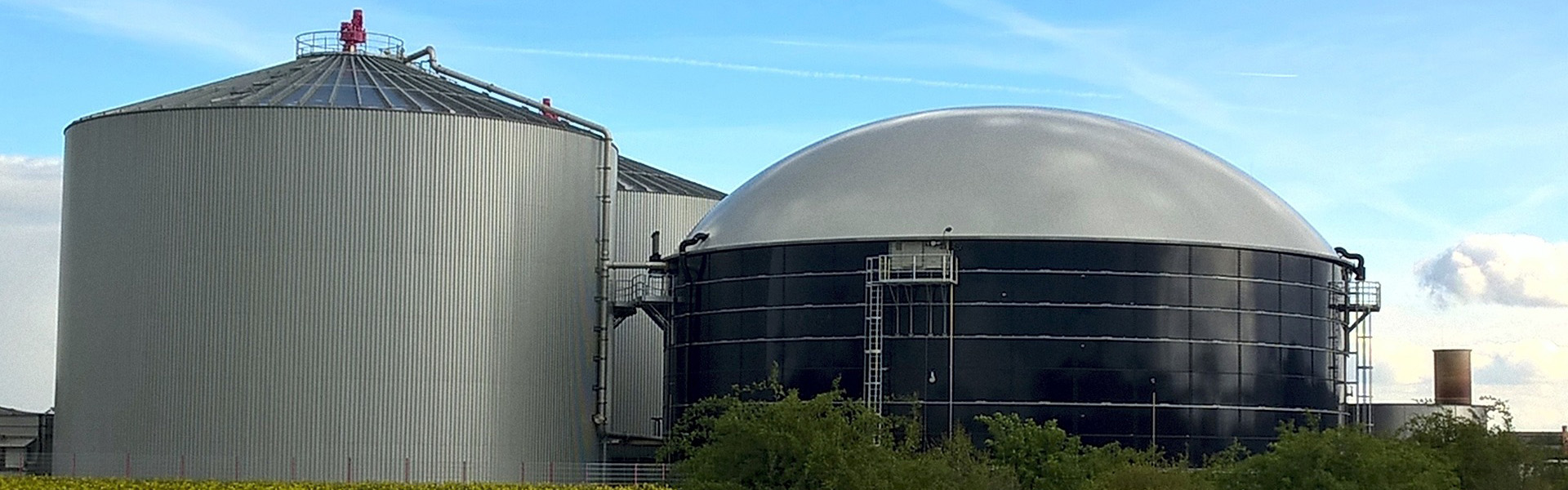
Once prepared, the organic slurry is pumped into an airtight digester tank. Here, the conditions are carefully controlled. Temperature is maintained in either the mesophilic range (around 35-40°C) or thermophilic range (50-60°C). Mesophilic systems are more common as they are more stable and require less energy. The material is typically mixed periodically to keep bacteria in contact with fresh food and to prevent a crust from forming. The residence time inside the tank can range from 15 to 40 days, depending on the temperature and feedstock composition.
Step 4: Biogas Capture and Storage
As the microbes work, the gas rises to the top of the digester, where it is collected under a flexible or rigid membrane. This raw biogas contains 50-70% methane. The storage space allows for a buffer between continuous gas production and variable consumption by generators or upgrading units. Proper gas handling systems include condensate drains and safety valves to manage pressure.
Step 5: Gas Upgrading and Conditioning
Raw biogas is useful for on-site heat and power, but to maximize its value, it often needs cleaning. This step is where the production of biogas from organic waste meets the upgrading equipment discussed in previous articles. Hydrogen sulfide and moisture are removed to protect downstream equipment. For grid injection or vehicle fuel, the gas must go through upgrading, such as pressure swing adsorption or membrane separation, to remove CO2 and increase the methane concentration to over 95%.
Step 6: Digestate Management
The material that leaves the digester is called digestate. It is a nutrient-rich fertilizer containing nitrogen, phosphorus, and potassium. Proper management of this byproduct is essential for the circular economy. It can be separated into a liquid fraction, used for irrigation and liquid fertilizer, and a solid fiber fraction, which can be composted or used as a bedding material for livestock. This step closes the loop, returning nutrients to the soil.
Step 7: Energy Conversion and Utilization
The final step is using the biogas. The most common application is in combined heat and power (CHP) units. These engines burn the biogas to generate electricity, which can be used on-site or sold to the grid. The heat produced by the engine is captured and used to warm the digesters or nearby buildings, achieving high overall efficiency. Alternatively, upgraded biomethane can be sold as a renewable natural gas (RNG) for vehicle fuel or injected into the pipeline network.
Factors Influencing Gas Yield
Several variables determine how successful your production of biogas from organic waste will be. Operators monitor these closely to optimize performance.
Feedstock Composition: High-energy fats and oils produce more gas per ton than manure.
Temperature Stability: Fluctuations of even a few degrees can upset the microbial community.
pH Levels: The ideal range is between 6.8 and 8.0. Acidification can halt methanogenesis.
Retention Time: Insufficient time in the tank means bacteria leave before fully converting the material.
Inhibitors: Ammonia, heavy metals, or cleaning chemicals in the waste can poison the process.
Economic Viability and Incentives
For many businesses, the decision to invest in this technology comes down to economics. The production of biogas from organic waste offers multiple revenue streams: tipping fees for accepting waste, sale of electricity or biomethane, and sale or use of digestate as fertilizer. In many regions, government incentives, renewable energy credits, and carbon trading schemes improve the payback period. The capital cost for a digester system varies widely based on scale and complexity, but operational costs are relatively predictable, mainly consisting of labor, maintenance, and small amounts of power for mixing.
The production of biogas from organic waste represents a practical and scalable solution for renewable energy generation. By following the seven key steps outlined above—from careful feedstock selection to efficient energy conversion—operators can turn a disposal problem into a profit center. It requires attention to biological detail and engineering discipline, but the result is a consistent supply of green energy and a valuable soil product. As technology improves and the demand for renewable natural gas grows, anaerobic digestion will remain a vital tool in the transition to a circular, low-carbon economy.
Frequently Asked Questions (FAQ)
Q1: What types of organic waste are best for biogas production?
A1: The best feedstocks are those with high energy content and good biodegradability. This includes food processing wastes, animal manure, crop residues, and source-separated household food waste. Materials high in fats and oils yield more gas, while fibrous materials like straw may require pre-treatment.
Q2: How long does it take to produce biogas from organic waste?
A2: The retention time inside a digester typically ranges from 15 to 40 days. However, the complete cycle, including pre-processing and post-treatment of digestate, can take longer. Thermophilic digesters operating at higher temperatures generally work faster than mesophilic ones.
Q3: Can I produce biogas from organic waste at a small farm?
A3: Yes, small-scale digesters are available and are common on dairy farms. A farm with a sufficient number of animals can install a system sized to meet a portion of its electricity and heating needs. These systems are often simpler and can be made from prefabricated components or even specialized bags.
Q4: What is the leftover material after production of biogas from organic waste?
A4: The leftover material is called digestate. It is not waste; it is a nutrient-rich biofertilizer. It contains most of the nitrogen, phosphorus, and potassium from the original feedstock, but in a form that is more readily available to plants and with reduced odor.
Q5: Is it necessary to remove contaminants before the process starts?
A5: Absolutely. Contaminants like plastics, glass, stones, and metals can cause serious problems. They can clog pumps, settle at the bottom of the tank, and damage equipment. Proper pre-sorting and pre-treatment are essential for a trouble-free operation and to protect the value of the digestate.
Q6: What happens if the temperature in the digester drops too low?
A6: A significant temperature drop can shock the microbial community, especially the methane-forming bacteria. This leads to a drop in gas production and can cause a build-up of organic acids. Recovery can take weeks. This is why good insulation and reliable heating systems are critical components of any digester.