


News
We'll get back to you as soon as possible.
Pressure Swing Adsorption Biogas Upgrading: A Complete Overview for Plant Operators
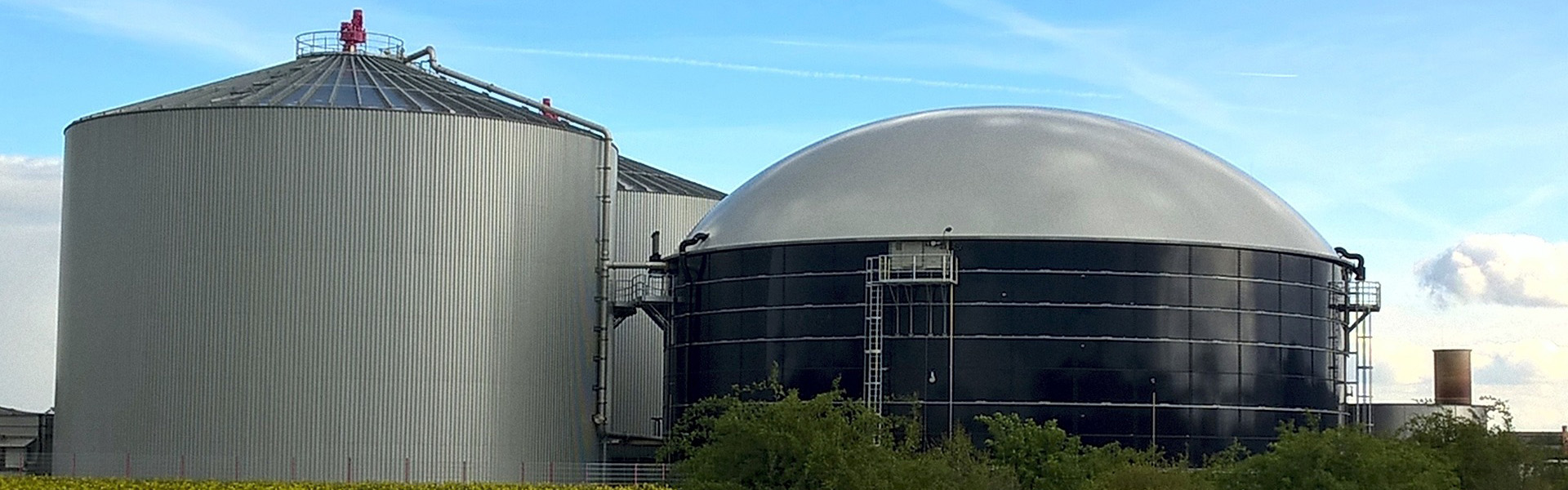
Biogas production has become a cornerstone of the renewable energy sector, but raw biogas contains impurities that limit its usability. To transform this raw gas into a valuable resource, efficient upgrading is required. For plant managers and investors looking for reliable purification methods, pressure swing adsorption biogas technology stands out as a proven and efficient solution. This article provides a detailed look at how this technology works, its benefits, and what to consider when integrating it into your operations.
What is Pressure Swing Adsorption for Biogas?
At its core, pressure swing adsorption biogas upgrading is a physical process used to separate carbon dioxide (CO2) from methane (CH4). Raw biogas typically consists of 50-70% methane and 30-50% CO2, along with trace gases. The goal of upgrading is to increase the methane concentration to over 95%, creating biomethane that can be injected into the natural gas grid or used as vehicle fuel.
The process relies on specialized adsorbent materials inside multiple vessels. Under elevated pressure, these materials selectively trap CO2 molecules while allowing methane to pass through. Once the adsorbent becomes saturated, the pressure is reduced, releasing the CO2 and regenerating the material for another cycle. This continuous swing between high and low pressure makes it one of the most efficient separation technologies available.
How the PSA Process Works Step by Step
Understanding the mechanics helps in appreciating the reliability of this method. The process is cyclic and fully automated, typically involving four distinct phases.
Adsorption Phase
Raw biogas is compressed and fed into the bottom of a vessel filled with a carbon molecular sieve or zeolite. As the gas travels upward, CO2 is trapped in the micropores of the adsorbent. The methane, being larger or less adsorptive depending on the media, continues to flow through and is collected as high-purity product gas at the top.
Depressurization
When the adsorbent in the first vessel nears its capacity, the feed stream is switched to a second vessel that has just been regenerated. The first vessel is then depressurized. The drop in pressure causes the trapped CO2 to desorb from the material.
Regeneration
A portion of the pure methane is sometimes used to purge the vessel, sweeping out the remaining CO2 and彻底 cleaning the adsorbent. This step prepares the vessel for the next cycle.
Pressure Equalization
To save energy and maintain efficiency, the pressure from a spent vessel is often transferred to a freshly regenerated one before the next feed cycle begins.
Key Applications of Upgraded Biogas
The biomethane produced by pressure swing adsorption biogas systems has a diverse range of uses. Its high energy density and purity make it a direct substitute for fossil natural gas.
Grid Injection: The most common application. Clean biomethane can be injected directly into existing natural gas pipelines, utilizing established distribution networks.
Vehicle Fuel: Upgraded to natural gas vehicle (NGV) quality, it powers buses, trucks, and fleet vehicles, offering a lower carbon footprint than diesel or petrol.
Combined Heat and Power (CHP): While raw biogas can be used in CHP units, upgrading removes corrosive elements, allowing for more efficient and maintenance-friendly operation of gas engines.
Industrial Feedstock: High-purity methane serves as a chemical feedstock for various industrial processes, replacing fossil-based sources.
Advantages Over Other Upgrading Technologies
When selecting a purification method, plant operators compare water scrubbing, membrane separation, and chemical absorption. Pressure swing adsorption biogas systems offer distinct advantages that make them a competitive choice.
High Methane Purity: PSA systems consistently achieve methane concentrations of 96% to 98%, and sometimes higher, meeting strict grid specifications.
Low Methane Slip: Methane is a potent greenhouse gas. Modern PSA units are designed with very low methane losses, typically below 1-2%, making them environmentally responsible.
Dry Process: Unlike water or amine scrubbing, PSA is a dry process. There is no need for large water handling systems or chemical replenishment, which simplifies operation and reduces secondary waste streams.
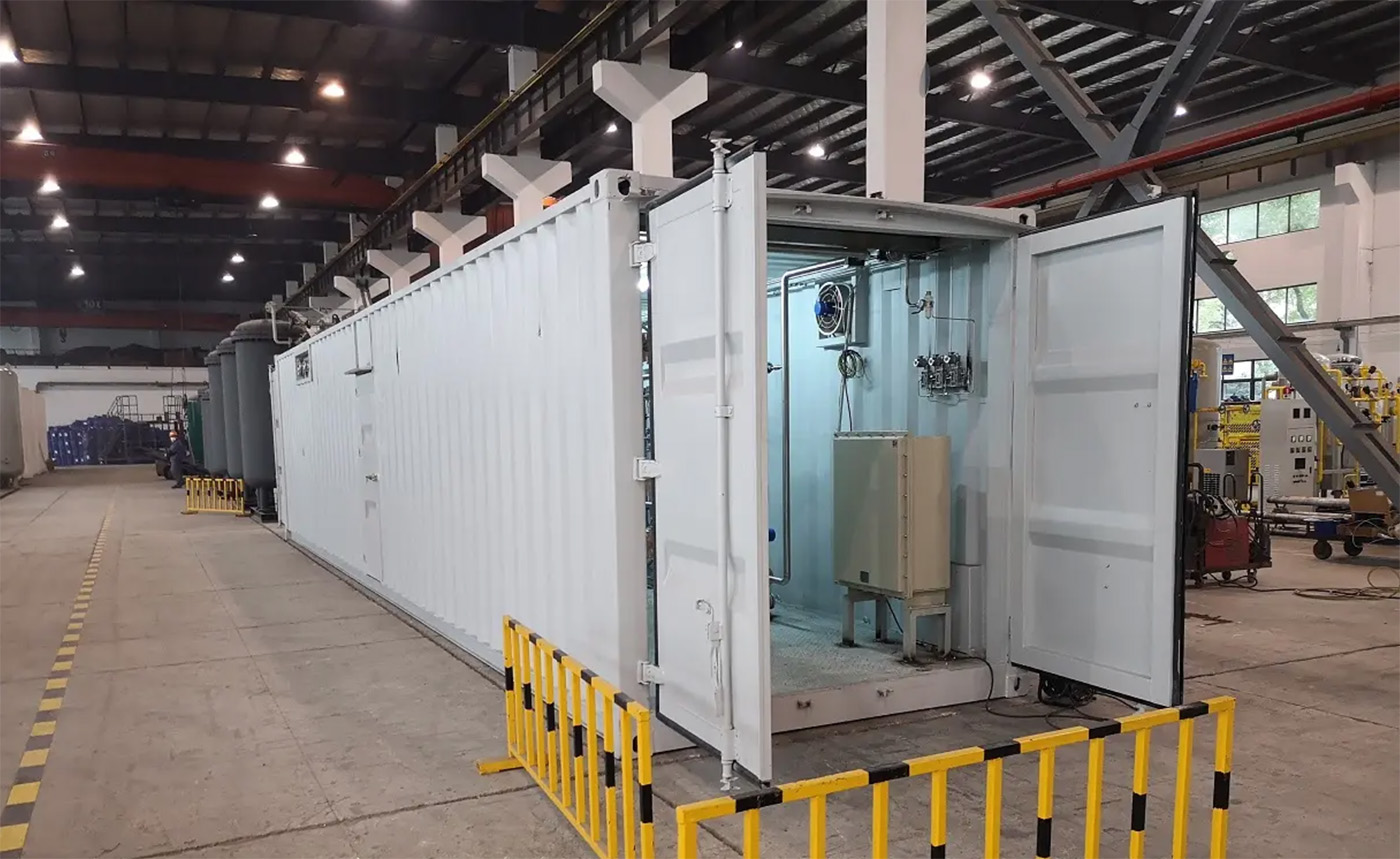
Modular Design: PSA skids are compact and modular. They can be factory-built and delivered as a complete unit, reducing on-site installation time and civil works costs.
Automation: The cyclic nature is easily automated with PLC controls, requiring minimal manual intervention once commissioned.
Factors Affecting System Performance
Several variables influence the efficiency and output quality of a pressure swing adsorption biogas unit. Being aware of these helps in designing a robust system.
Feed Gas Quality
The composition of the incoming biogas is critical. High levels of hydrogen sulfide (H2S) can poison the adsorbent materials. Therefore, effective pre-cleaning, including desulfurization and moisture removal, is mandatory before the gas enters the PSA skid.
Operating Pressure
PSA requires consistent inlet pressure, typically between 4 and 10 bar. Fluctuations in pressure can affect the adsorption dynamics and the final methane purity. Investing in reliable compression with proper controls is essential.
Temperature Control
Adsorption is an exothermic process, but temperature swings need to be minimized. Most systems operate at near-ambient temperatures, and maintaining thermal stability ensures consistent performance of the adsorbent media.
Cost Considerations and ROI
The financial viability of a biogas upgrading project hinges on capital expenditure (CAPEX) and operational expenditure (OPEX). While the initial investment for a pressure swing adsorption biogas system can be significant, the long-term returns are compelling.
CAPEX: Includes the PSA skid, compressors, pre-treatment equipment, and grid connection infrastructure. Costs vary based on capacity, with larger plants benefiting from economies of scale.
OPEX: Main costs are electricity for compression, periodic replacement of adsorbent media (every 5-10 years), and routine maintenance. Because PSA has few moving parts and no liquid chemicals, maintenance costs are often lower than for other technologies.
Revenue Streams: Income is generated by selling biomethane at a premium price, receiving government renewable energy certificates or tariffs, and potentially selling CO2 as a byproduct if captured.
Selecting a Technology Partner
Choosing the right supplier is as important as choosing the right technology. When evaluating vendors for pressure swing adsorption biogas equipment, consider their track record. Ask for references from plants with similar capacity and feedstocks. A good partner provides not just hardware, but also process guarantees, remote monitoring capabilities, and responsive after-sales support. They should offer detailed process simulations tailored to your specific gas composition.
Future Trends in PSA Technology
The field is continuously evolving. Manufacturers are developing new adsorbent materials with higher selectivity and capacity, which will lead to smaller, more efficient skids. There is also a growing trend toward integrating carbon capture and utilization (CCU) with PSA. Instead of venting the separated CO2, it can be purified and sold for use in greenhouses, the food industry, or for producing synthetic fuels. This turns a waste stream into an additional revenue source, further improving the economics of biogas upgrading.
For operators committed to producing high-value renewable natural gas, pressure swing adsorption biogas technology offers a reliable, efficient, and proven pathway. Its ability to deliver high methane purity with minimal environmental impact makes it a cornerstone of the modern bioeconomy. By carefully considering feed gas quality, system design, and choosing an experienced partner, biogas plant owners can ensure a smooth upgrading process and a strong return on their investment. As the demand for green gas continues to rise, PSA stands ready as a key enabler of a sustainable energy future.
Frequently Asked Questions (FAQ)
Q1: What is the typical methane purity achieved by a pressure swing adsorption biogas system?
A1: Modern pressure swing adsorption biogas systems are designed to produce biomethane with a methane concentration of 96% to 98%. With precise control and high-quality adsorbents, some configurations can even exceed 98%, meeting the strictest grid injection standards.
Q2: How does pressure swing adsorption biogas compare to water scrubbing?
A2: Both are effective, but they differ in operation. Pressure swing adsorption biogas is a dry process with a smaller footprint and no water treatment costs. Water scrubbing is simpler in terms of pre-treatment needs but requires significant water pumping and handling. PSA typically has lower methane slip, while water scrubbing can be more tolerant of some impurities.
Q3: What pre-treatment is required before biogas enters a PSA unit?
A3: Proper pre-treatment is essential. The biogas must be dried to remove moisture and scrubbed to remove hydrogen sulfide (H2S). Even small amounts of H2S can permanently damage the expensive adsorbent materials inside the PSA vessels. Siloxanes and halogens must also be removed if present.
Q4: Can a pressure swing adsorption biogas plant be expanded later?
A4: Yes, many systems are designed with modularity in mind. If you anticipate future expansion, you can specify a system that allows for additional PSA skids to be added in parallel. This allows you to scale your biomethane production as your feedstock supply grows.
Q5: What happens to the CO2 that is removed during the process?
A5: In a standard pressure swing adsorption biogas setup, the CO2 is released into the atmosphere during the depressurization phase. However, it is possible to integrate a carbon capture system to purify this CO2 for sale. This is becoming a popular option for creating an additional revenue stream and reducing the plant's carbon footprint.