


News
We'll get back to you as soon as possible.
7 Effective Methods for the Production of Biogas from Organic Waste: A Comprehensive Overview
The global shift towards renewable energy has placed a spotlight on sustainable methods to manage debris while generating power. Among the most promising solutions is the production of biogas from organic waste, a process that not only addresses waste management challenges but also provides a clean fuel source. For municipalities, farmers, and industrial manufacturers, understanding the nuances of this technology is crucial for making informed investment decisions. This article breaks down the core technologies, practical applications, and economic factors involved in modern biogas upgrading and utilization.
What is Biogas and Why is it Important?
Biogas is a mixture of gases, primarily methane and carbon dioxide, produced by breaking down organic matter in the absence of oxygen. The production of biogas from organic waste offers a dual benefit: it reduces the volume of waste sent to landfills and mitigates the release of methane into the atmosphere. When captured and upgraded, this gas can replace fossil fuels in heating, electricity generation, and even as vehicle fuel. For businesses in the gas upgrading equipment sector, this represents a significant opportunity to provide technology that purifies raw biogas into high-quality biomethane.
The Core Technology: How Digestion Works
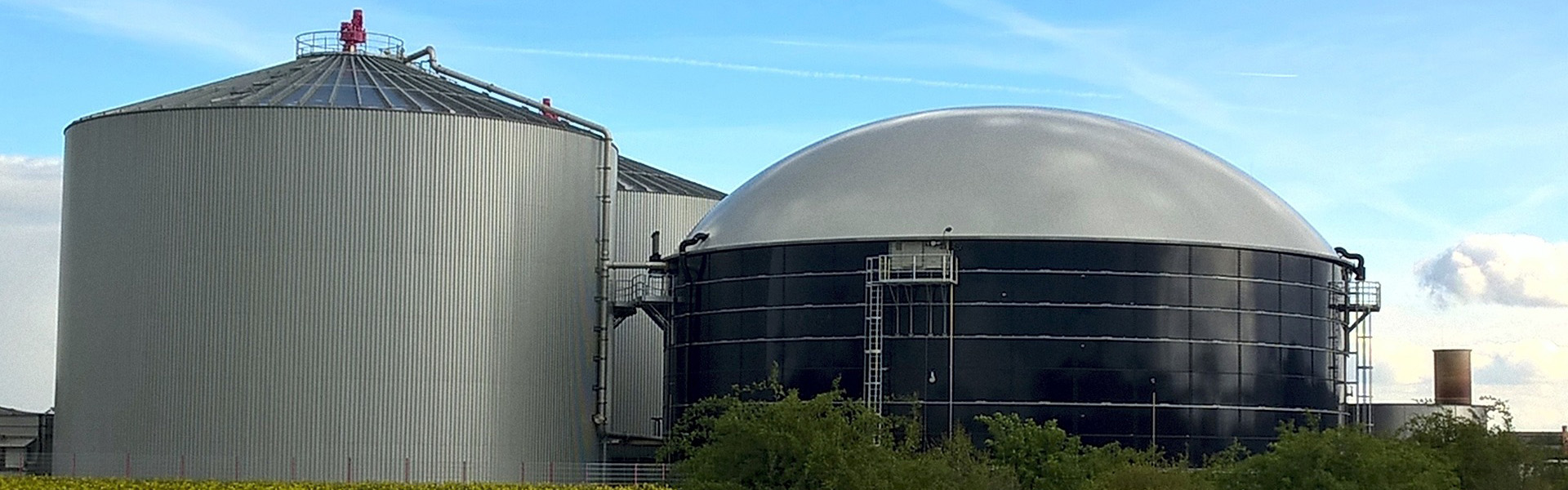
At the heart of this industry lies the anaerobic digester. These systems vary in size and complexity, from small farm-based units to large industrial plants. The biological process involves four key stages: hydrolysis, acidogenesis, acetogenesis, and methanogenesis. During these stages, complex organic materials are broken down by microbes. For equipment manufacturers, the focus is often on optimizing these conditions to maximize gas yield. The efficiency of the production of biogas from organic waste depends heavily on feedstock consistency, temperature control, and pH levels within the digester.
Key Steps in the Production Process
To understand the equipment needs, one must first understand the workflow. While the biological process is natural, the engineering behind it is precise.
Feedstock Preparation: Organic waste (food scraps, manure, crop residues) is collected and often shredded or liquefied to create a slurry.
Anaerobic Digestion: The slurry is heated in a sealed tank. Here, microbes thrive and release biogas over a period of 15 to 40 days.
Gas Capture: The raw biogas, containing 50-70% methane, is collected from the top of the digester.
Gas Upgrading: This is the critical step for equipment providers. Raw biogas is treated to remove hydrogen sulfide, moisture, and CO2, upgrading it to biomethane (98% methane).
Upgrading Biogas to Biomethane
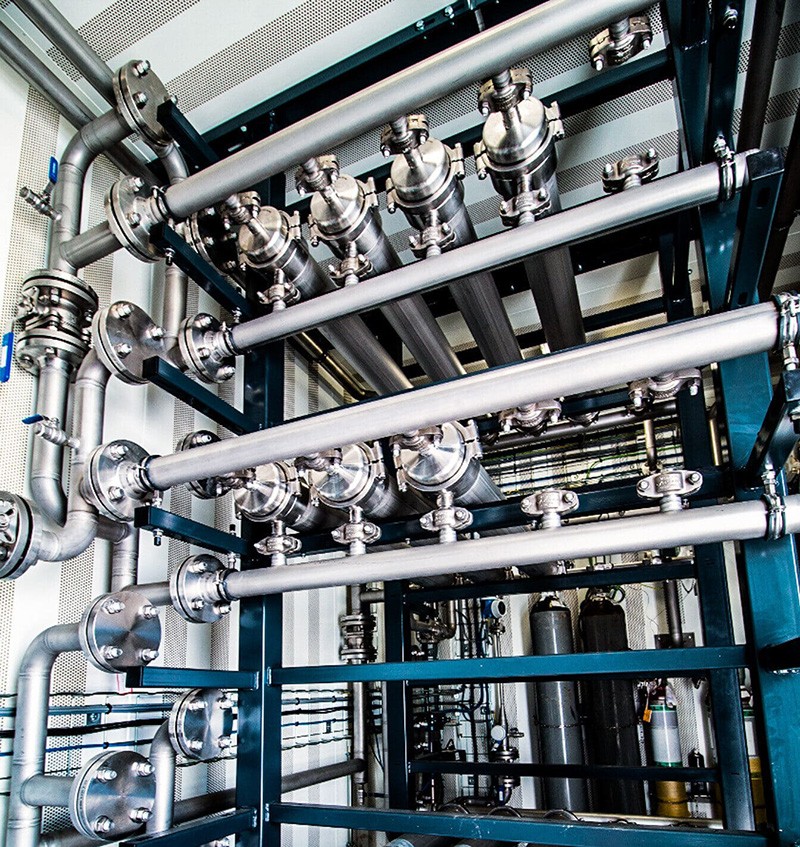
Raw biogas has limited uses due to its corrosive components and lower energy density. This is where upgrading technology becomes essential. The production of biogas from organic waste reaches its highest value when the gas is refined to natural gas standards. Common upgrading methods include water scrubbing, pressure swing adsorption (PSA), and membrane separation. Membrane technology, in particular, has gained traction in the international market due to its low energy consumption and small physical footprint. For companies investing in this equipment, the purity of the output gas directly correlates with profitability, as it determines eligibility for grid injection or vehicle fuel certification.
Applications of Biogas and Digestate
The outputs of an anaerobic digestion plant are twofold: energy and fertilizer. The biomethane produced can power cogeneration plants (CHP) to produce heat and electricity, or it can be compressed into bio-CNG for vehicles. On the other hand, the solid and liquid residue left after digestion, known as digestate, is a nutrient-rich fertilizer. This closes the loop in the circular economy. When promoting equipment, it is vital to highlight how efficient production of biogas from organic waste enhances the quality of both the gas and the byproduct, offering farmers a natural alternative to chemical fertilizers.
Cost Factors and Economic Viability
For any business, the bottom line matters. The initial capital expenditure for a biogas plant with upgrading equipment can be substantial. Costs vary based on scale, feedstock type, and the purity level of the end product. However, revenue streams are diverse: tipping fees for accepting waste, sale of electricity or gas, and sale of digestate. Government incentives and renewable energy credits in many regions also bolster the return on investment. Equipment manufacturers should focus on demonstrating the long-term operational savings of their systems, emphasizing durability and low maintenance to offset the initial investment in production of biogas from organic waste facilities.
Choosing the Right Feedstock
Not all organic waste is created equal. The composition of the feedstock directly impacts gas yields. High-energy substrates like fats, oils, and greases (FOG) can produce significantly more methane than manure or sewage sludge. However, they also require more robust equipment and careful handling to prevent clogging or acidification. A successful strategy involves co-digestion, mixing different types of waste to balance nutrients. For equipment designers, flexibility is key; systems must handle variations in feedstock while maintaining consistent performance in the production of biogas from organic waste.
Maintenance and Operational Challenges
Operating a biogas upgrading system requires technical know-how. Common challenges include dealing with siloxanes and hydrogen sulfide, which damage engines and upgrading membranes. Regular monitoring of the biological process is also necessary to prevent "souring" (a drop in pH that kills bacteria). Preventative maintenance programs are essential. Equipment providers that offer remote monitoring and automated control systems help operators avoid downtime. The goal is to make the production of biogas from organic waste as seamless and continuous as possible, ensuring a steady return on the energy investment.
Environmental Impact and Sustainability
The environmental case for biogas is strong. By capturing methane that would otherwise escape from landfills or manure lagoons, these systems prevent a potent greenhouse gas from entering the atmosphere. Furthermore, replacing fossil fuels with biomethane reduces the carbon intensity of transportation and heating. When analyzing the lifecycle, the production of biogas from organic waste is considered carbon-neutral because the carbon released during combustion was originally absorbed by the plants during growth. This sustainability angle is a powerful marketing tool for companies operating in regions with strict ESG (Environmental, Social, and Governance) reporting requirements.
Future Trends in Biogas Technology
The industry is moving toward decentralization and higher efficiency. We are seeing a rise in small-scale, containerized upgrading units that can be deployed quickly at farms or small municipalities. Additionally, research into methanation (using hydrogen to convert CO2 into additional methane) promises to boost output. For international players, staying ahead means integrating smart sensors and AI to predict maintenance needs and optimize biological processes. The future of production of biogas from organic waste lies in viewing waste not as a problem, but as a continuously available resource that can be monetized efficiently.
The production of biogas from organic waste represents a mature yet rapidly evolving sector within renewable energy. It bridges the gap between sustainable waste management and clean energy generation. For those involved in manufacturing upgrading equipment or developing plants, the focus must remain on efficiency, reliability, and cost-effectiveness. As global policies tighten around carbon emissions and waste disposal, the demand for these systems will only grow. By investing in robust technology and understanding the biological fundamentals, stakeholders can ensure that this "waste" product becomes a cornerstone of the future energy grid.
Frequently Asked Questions (FAQ)
Q1: What types of organic waste can be used for biogas production?
A1: A wide variety of organic materials are suitable. Common feedstocks include agricultural residues (manure, crop straw), industrial food processing waste, municipal organic waste (food scraps from households), and sewage sludge. However, materials like wood or lignin-rich matter do not digest well in standard anaerobic systems.
Q2: How long does it take to produce biogas from organic waste?
A2: The retention time varies based on the technology and feedstock. In a standard mesophilic digester (operating around 37°C), the process typically takes between 15 to 40 days. Thermophilic systems (operating at higher temperatures) can work faster but require more energy to maintain heat.
Q3: Is the production of biogas from organic waste profitable for small farms?
A3: Profitability depends on scale and local incentives. For small farms, the initial investment can be high, but savings come from replacing purchased fertilizers (with digestate) and heating fuels. Many small operations succeed by forming cooperatives or utilizing government grants designed to support on-farm renewable energy.
Q4: What is the difference between biogas and natural gas?
A4: Natural gas is a fossil fuel extracted from underground reservoirs, consisting almost entirely of methane. Biogas is produced from organic matter and contains methane along with CO2 and impurities. After upgrading, biogas becomes "biomethane," which is chemically nearly identical to natural gas and can be used in the same pipelines and appliances.
Q5: What are the main maintenance issues in biogas upgrading equipment?
A5: The most common issues involve the removal of contaminants. Hydrogen sulfide is corrosive and must be scrubbed out, often requiring media changes. Membrane systems can become fouled or clogged if pre-filtration fails. Regular checks on compressors and moisture separators are essential to prevent downtime and ensure the equipment lasts its expected lifespan.