


Renewable Natural Gas: How RNG Biogas Is Transforming the Energy Landscape
The push for decarbonization has put a spotlight on gases derived from organic waste. Among these, RNG biogas has emerged as a leading solution for replacing fossil natural gas in heating, transportation, and industry. This article explains what RNG biogas is, how it is produced, where it can be used, and what factors influence the economics of a project. Whether you are a farmer, a waste management professional, or an energy investor, understanding RNG biogas will help you make informed decisions.
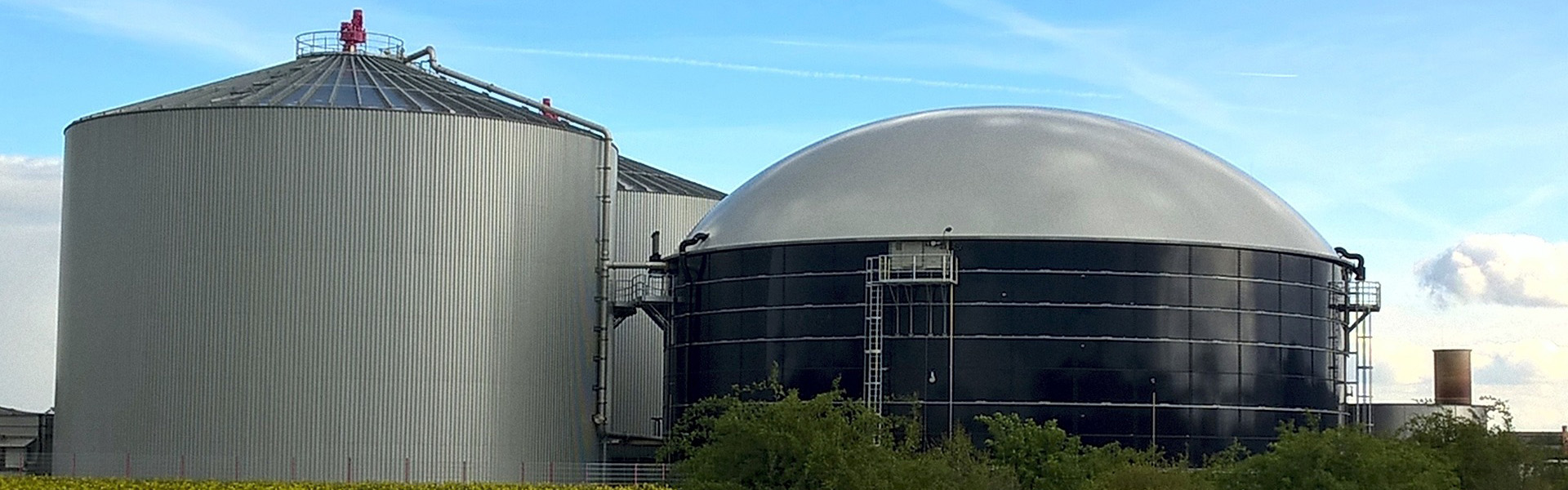
What Is RNG Biogas?
RNG biogas – also known as renewable natural gas – is the purified form of raw biogas captured from decomposing organic matter. Raw biogas typically contains 50‑70% methane, 30‑50% carbon dioxide, and trace amounts of hydrogen sulfide, ammonia, and siloxanes. Through upgrading processes such as pressure swing adsorption, membrane separation, or water scrubbing, these impurities are removed. The result is a pipeline‑quality gas composed of more than 96% methane.
The key difference between ordinary biogas and RNG biogas is the level of treatment. Raw biogas is often burned on‑site in a combined heat and power unit to generate electricity. RNG biogas, by contrast, meets the same specifications as conventional natural gas and can be injected directly into the existing gas grid, used as a vehicle fuel, or liquefied into bio‑LNG. Because it is chemically identical to fossil methane, RNG biogas serves as a direct drop‑in replacement without requiring modifications to end‑use equipment.
How RNG Biogas Is Produced
The production pathway for RNG biogas involves several stages, each critical to ensuring a consistent and high‑quality output.
First, organic feedstocks are collected. These can include agricultural manure, food processing waste, landfill organic fractions, and sewage sludge. The feedstock is fed into an anaerobic digester, where microorganisms break down the material in an oxygen‑free environment. This digestion process releases raw biogas, which is captured from the top of the digester.
Before upgrading, the raw biogas typically undergoes cleaning to remove hydrogen sulfide and moisture. High levels of H₂S can corrode equipment and damage upgrading membranes or adsorbents. Desulfurization is often achieved with biological filters or activated carbon.
The cleaned biogas then enters the upgrading unit. For RNG biogas production, upgrading technologies are chosen based on the scale of the plant, the desired methane purity, and the available utilities. Pressure swing adsorption uses media that trap CO₂ at elevated pressure. Membrane systems separate gases based on molecular size. Water scrubbing absorbs CO₂ into water under pressure. All these methods produce a methane‑rich stream that becomes RNG biogas, while the off‑gas (mainly CO₂) is vented or captured for other uses.
Finally, the RNG biogas is conditioned for its specific application. If it will be injected into a pipeline, odorants may be added, and the heating value is adjusted to match local grid specifications. For vehicle fuel, the gas is compressed or liquefied.
Applications of RNG Biogas
RNG biogas serves multiple markets, each with its own drivers and revenue opportunities.
Pipeline injection – In many countries, natural gas grids are required to accept RNG biogas. This allows the gas to be used for heating homes, cooking, or industrial processes anywhere on the network. Green certificates or renewable energy credits often add value to the injected gas.
Transportation fuel – Compressed RNG biogas (bio‑CNG) and liquefied RNG biogas (bio‑LNG) power heavy‑duty trucks, buses, and even marine vessels. Fleet operators value RNG biogas because it significantly lowers their carbon footprint compared to diesel or gasoline.
Electricity and heat generation – Some projects still use RNG biogas in combined heat and power units, especially when grid injection is not feasible. The renewable electricity can be sold under feed‑in tariffs.
Renewable chemical feedstock – Research is underway to use RNG biogas as a building block for hydrogen production or synthetic fuels.
The flexibility of RNG biogas means that project developers can choose the end‑use that offers the best return while meeting environmental goals.
RNG Biogas Project Economics and Pricing
Developing an RNG biogas facility requires significant capital, but the long‑term revenue streams can make it highly attractive. Understanding the cost components is essential.
Capital expenditures include the anaerobic digester, the biogas upgrading system, gas conditioning equipment, grid interconnection or compression facilities, and engineering/project management. For a typical agricultural project processing 1,000 Nm³/h of raw biogas, the total installed cost might range from USD 4 million to 8 million. Larger landfill projects can exceed USD 20 million.
Operating expenses cover feedstock (if not free), labor, electricity for upgrading, routine maintenance, and replacement of consumables like activated carbon or membranes.
Revenue for RNG biogas comes from multiple sources:
Sale of the gas itself, often priced against local natural gas benchmarks.
Renewable identification numbers (RINs) under the U.S. Renewable Fuel Standard, or similar certificates in Europe such as Guarantees of Origin.
Carbon credits from methane destruction and displacement of fossil fuels.
Tipping fees for accepting waste feedstocks.
Because these revenue streams can vary by region and policy, the payback period for an RNG biogas project typically ranges from five to ten years. Investors should conduct thorough due diligence on available incentives and offtake agreements.
Commercial Services for RNG Biogas Projects
Bringing an RNG biogas facility from concept to operation requires a team of experienced partners. Many companies offer turnkey services tailored to the biogas sector.
Feasibility studies – Engineers assess feedstock availability, biogas potential, site conditions, and regulatory requirements. A bankable feasibility study is often required to secure financing.
Technology supply – Vendors provide anaerobic digesters, upgrading equipment (such as PSA or membrane systems), and gas compression packages. It is common to work with a supplier that specializes in RNG biogas to ensure compatibility between components.
EPCM services – Engineering, procurement, and construction management firms oversee the entire build, coordinating subcontractors and ensuring timelines are met.
Operations and maintenance – Some developers prefer to outsource daily plant operations to specialists who understand the nuances of RNG biogas production and can maximize uptime.
Carbon credit monetization – Consultancies help navigate the complex markets for environmental attributes, ensuring that every tonne of CO₂ reduced is properly certified and sold.
Selecting the right commercial partners can make the difference between a project that merely functions and one that thrives.
Technology Choices for RNG Biogas Upgrading
The heart of any RNG biogas plant is the upgrading technology. Four main options dominate the market, each with its own strengths.
Pressure swing adsorption (PSA) uses adsorbent materials to trap CO₂ at high pressure. It is dry, requires no chemicals, and achieves methane purities above 96%. PSA systems are compact and well suited for smaller to medium flow rates.
Membrane separation relies on selective permeation. CO₂ and H₂S pass through the membrane fibers faster than methane. Membrane skids are modular and have no moving parts, but they may require multiple stages to reach high purity.
Water scrubbing absorbs CO₂ into water under pressure. The water can be regenerated by releasing the pressure and air stripping. It is a simple and robust technology, though it consumes more electricity and water than PSA.
Organic physical scrubbing uses a solvent such as polyethylene glycol to absorb CO₂. It offers high methane recovery but involves more complex solvent handling.
When planning an RNG biogas facility, the choice of technology depends on factors like available utilities, required methane purity, and operator expertise. Many suppliers now offer hybrid configurations that combine the advantages of two methods.
Policy Drivers for RNG Biogas
Government policies play a decisive role in the growth of the RNG biogas industry. In the United States, the Renewable Fuel Standard creates demand by requiring transportation fuel blenders to obtain RINs. RNG biogas generates D3 RINs (cellulosic biofuel) when produced from agricultural or landfill waste, making it one of the most valuable renewable fuels in the program.
In Europe, the Renewable Energy Directive sets targets for renewable energy in transport. Member states have implemented various support mechanisms, including feed‑in tariffs for biomethane and quota systems. The upcoming RePowerEU plan aims to boost biomethane production to 35 billion cubic meters by 2030, which will further stimulate RNG biogas projects.
Other regions, such as Canada, Brazil, and parts of Asia, are developing their own frameworks. Keeping abreast of policy changes is essential for anyone involved in RNG biogas, as incentives can significantly alter project viability.
Environmental Benefits of RNG Biogas
Beyond the economic case, RNG biogas delivers substantial environmental advantages. By capturing methane from manure lagoons, landfills, and food waste, the process prevents a potent greenhouse gas from reaching the atmosphere. Methane has a global warming potential roughly 28 times that of carbon dioxide over a 100‑year period, so its destruction yields immediate climate benefits.
When RNG biogas displaces diesel in trucks or natural gas in boilers, it avoids the combustion of fossil carbon. Depending on the feedstock and the upgrading process, lifecycle emissions reductions can exceed (i.e., negative emissions) when methane capture is factored in.
Additionally, the digestate produced during anaerobic digestion serves as a nutrient‑rich fertilizer, reducing the need for synthetic alternatives. This circular approach aligns RNG biogas with the principles of a circular economy.
Future Outlook for RNG Biogas
The RNG biogas sector is poised for continued expansion. As corporations pursue net‑zero targets, many are signing virtual power purchase agreements or direct offtake contracts for RNG biogas to decarbonize their operations. The growing availability of renewable natural gas fuelling stations supports the adoption of natural gas vehicles, particularly in the heavy‑duty segment.
Technological improvements will further enhance the competitiveness of RNG biogas. Advanced adsorbents, better membrane materials, and digital process optimization are expected to lower upgrading costs and increase methane recovery. Meanwhile, research into methanation – combining the CO₂ from upgrading with green hydrogen – could enable even greater renewable gas production.
For project developers, the message is clear: RNG biogas represents a durable asset class with strong policy support and multiple revenue streams. By understanding the production chain, the technology options, and the market dynamics, you can position yourself to benefit from the transition to a renewable gas economy.
Frequently Asked Questions
Q1: What is the difference between biogas and RNG biogas?
A1: Biogas is the raw gas produced by anaerobic digestion, containing methane, CO₂, and impurities. RNG biogas is biogas that has been upgraded to meet pipeline quality standards (usually >96% methane) and can be used interchangeably with fossil natural gas.
Q2: What feedstocks can be used to produce RNG biogas?
A2: Common feedstocks include agricultural manure, food processing waste, landfill organic fractions, sewage sludge, and crop residues. Essentially any biodegradable material can serve as feedstock, though methane yield varies.
Q3: How much does it cost to build an RNG biogas plant?
A3: Costs depend on size and complexity. A small farm‑based facility might cost USD 1‑3 million, while a large landfill project can exceed USD 20 million. Most commercial plants fall in the range of USD 4‑10 million.
Q4: Can RNG biogas be used in existing natural gas vehicles?
A4: Yes. RNG biogas is chemically identical to fossil natural gas, so it can be used in any natural gas vehicle without modification. It is often dispensed as bio‑CNG or bio‑LNG.
Q5: What government incentives are available for RNG biogas projects?
A5: Incentives vary by country. In the U.S., the main driver is the Renewable Fuel Standard (RINs). In Europe, support comes from the Renewable Energy Directive, feed‑in tariffs, and green certificate schemes. Some regions also offer grants or low‑interest loans.
Q6: Is RNG biogas carbon‑neutral?
A6: RNG biogas can achieve net‑negative emissions when produced from waste that would otherwise release methane into the atmosphere. The combustion of RNG biogas releases biogenic CO₂, which is part of the short‑term carbon cycle, making it significantly better than fossil fuels.