


News
We'll get back to you as soon as possible.
Integrated Solid Waste Management Biogas Plant: Turn Organic Waste into Clean Energy
Handling municipal and industrial organic waste requires efficient, sustainable infrastructure. A solid waste management biogas plant offers a proven solution: it processes biodegradable residues, reduces landfill volume, and generates renewable natural gas. For cities and corporations aiming to lower carbon footprints, these plants are becoming essential assets.
Modern solid waste management biogas plant designs combine anaerobic digestion with advanced gas upgrading equipment. The result is pipeline‑ready biomethane and a nutrient‑rich digestate that can replace synthetic fertilizers. This article covers the technology, financial aspects, and real‑world performance of such facilities.
Core Principles of a Solid Waste Management Biogas Plant
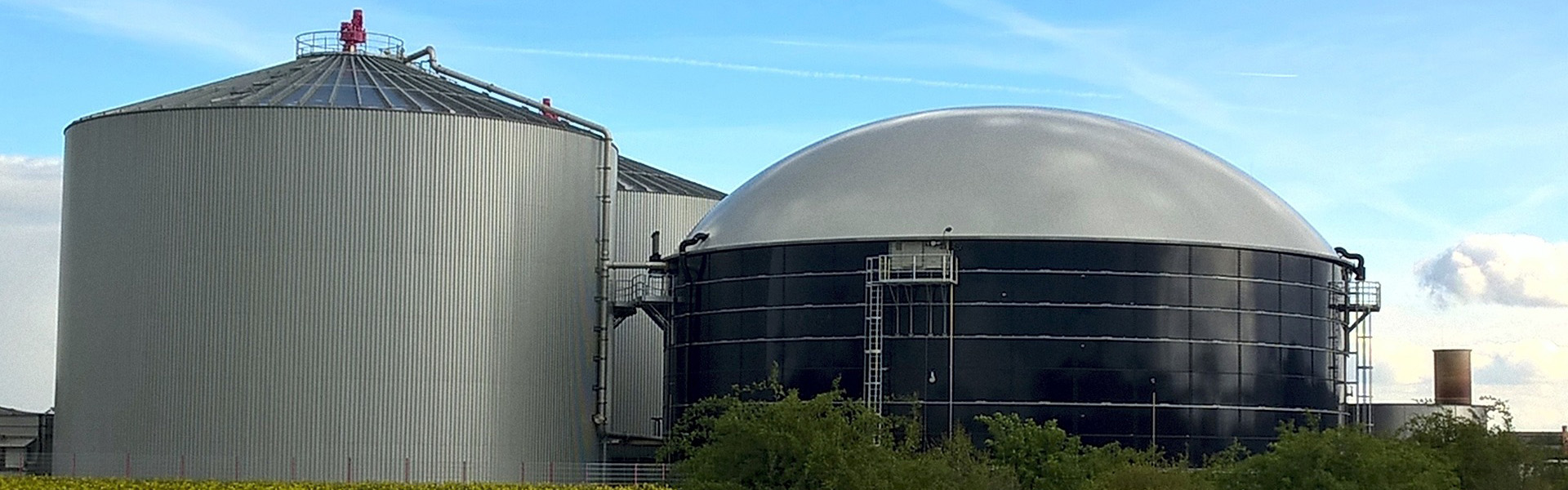
At its heart, a solid waste management biogas plant relies on anaerobic digestion (AD) — a biological process where microorganisms break down organic matter in oxygen‑free tanks. The main outputs are biogas (methane + CO₂) and a stable residue called digestate.
Feedstock preparation: Sorting, shredding, and removal of contaminants (plastics, metals).
Pasteurization (if required): Heating the material to eliminate pathogens.
Anaerobic digestion: Mesophilic (30–40°C) or thermophilic (50–60°C) operation.
Gas storage and treatment: Raw biogas is desulfurized and dried before use or upgrading.
These steps are fully automated in modern plants, ensuring stable performance even with varying waste composition.
Key Equipment Inside a Solid Waste Management Biogas Plant
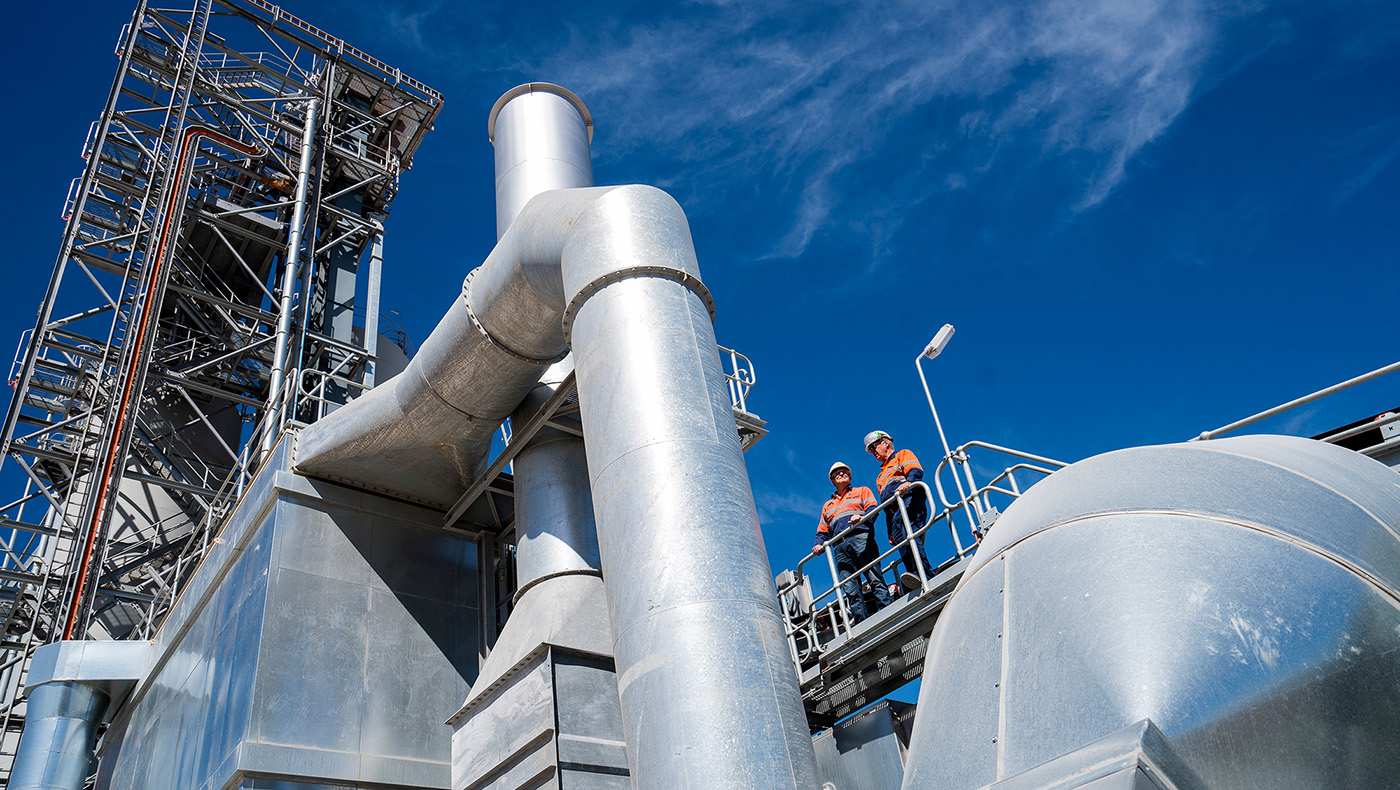
Reliable machinery determines the uptime and profitability of any solid waste management biogas plant. Core components include:
Feed hoppers and screw conveyors – for controlled waste dosing.
Digester tanks – made of stainless steel or coated steel, with mixing systems.
Biogas upgrading skids – membrane separation, pressure swing adsorption (PSA), or water scrubbing.
Combined heat and power (CHP) units – if electricity is the target, or gas conditioning for grid injection.
Digestate dewatering – screw presses or centrifuges to separate liquid fertilizer from solid fiber.
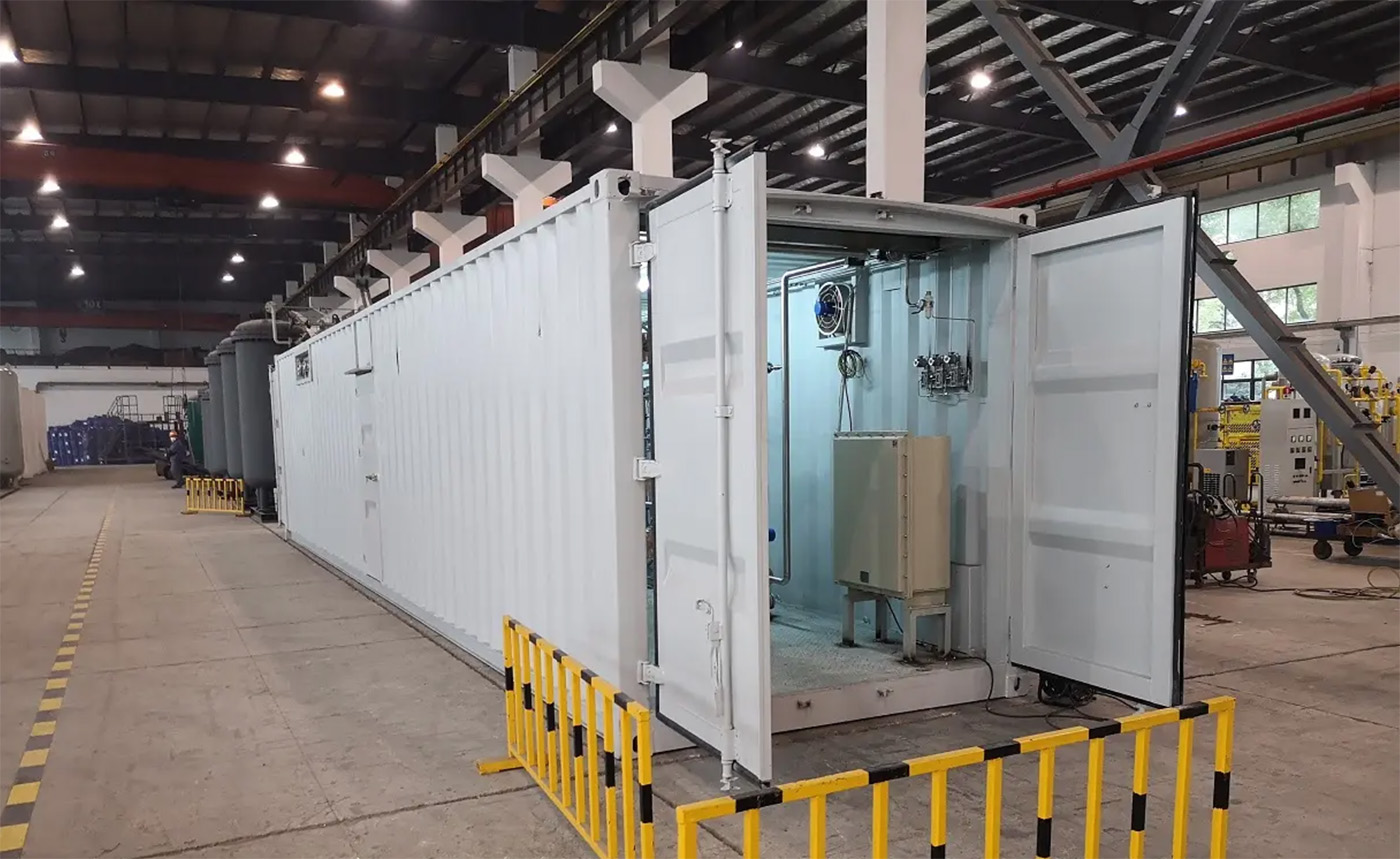
International suppliers now offer prefabricated modules that reduce on‑site construction time for a solid waste management biogas plant.
Feedstock Diversity: What Can Be Processed?
A well‑designed solid waste management biogas plant accepts a wide spectrum of organic materials. Typical feedstocks include:
Municipal solid waste (source‑separated organics).
Food processing residues (vegetable, fruit, dairy).
Agricultural waste – manure, crop stalks, spoiled hay.
Industrial organic sludges from pulp/paper or biofuel production.
Contaminant levels (e.g., plastics, sand) must be managed through pre‑sorting. Many operators combine several feedstocks to balance moisture and carbon‑to‑nitrogen ratio, boosting biogas yield.
Environmental and Economic Benefits
Installing a solid waste management biogas plant delivers measurable advantages:
Methane capture – prevents greenhouse gas emissions from landfills.
Renewable energy production – replaces fossil fuels in power or transport.
Waste volume reduction – up to 50% less solid mass after digestion.
Digestate as bio‑fertilizer – closes nutrient loops, reduces chemical fertilizers.
Financially, tipping fees for accepting waste plus revenue from electricity, heat, or biomethane create a robust business model. Many countries offer green certificates or feed‑in tariffs for biogas.
Biogas Upgrading: From Raw Gas to Renewable Natural Gas
Raw biogas contains 50–65% methane, 35–45% CO₂, and traces of H₂S. To inject into natural gas grids or use as vehicle fuel, a solid waste management biogas plant must include upgrading equipment. Modern technologies achieve >97% methane purity.
Membrane separation – selective permeation, compact and energy‑efficient.
Pressure Swing Adsorption (PSA) – uses activated carbon or zeolites to retain CO₂.
Water scrubbing – physical absorption of CO₂ in water, simple and robust.
Upgrading also includes compression, drying, and odorization to meet pipeline specifications. The resulting biomethane can be sold via gas grids or used in dedicated CNG stations.
Project Development: Steps to Build a Solid Waste Management Biogas Plant
Developing a new facility involves several phases:
Feasibility study: waste availability, gas yield potential, site selection, permits.
Technology procurement: choosing a turnkey supplier with proven references.
Construction & commissioning: civil works, tank erection, piping, and testing.
Start‑up and training: operator training and performance ramp‑up.
Using an EPC (engineering, procurement, construction) contractor simplifies delivery. Many turnkey providers specialize in solid waste management biogas plant projects from 500 kW to 5 MW electrical capacity.
Case Study: Urban Solid Waste Management Biogas Plant in Europe
In southern Germany, a solid waste management biogas plant processes 30,000 tonnes/year of household organic waste. The facility uses a thermophilic digester and a membrane upgrading unit. It produces 350 Nm³/h of biomethane (injected into the local grid) and 8,000 tonnes/year of liquid fertilizer. The plant achieves 98% methane recovery and pays back its investment in seven years.
Another example in California processes food waste from supermarkets. The solid waste management biogas plant includes a depackaging unit to remove plastics. Biogas is upgraded to CNG and fuels a fleet of refuse trucks, cutting diesel use by 1.2 million litres annually.
Maintenance and Operational Considerations
To maintain high availability, operators of a solid waste management biogas plant follow regular routines:
Daily checks of mixers, pumps, and temperature control.
Desulfurization media replacement (typically every 3–6 months).
Membrane or PSA performance monitoring (online gas analysis).
Digestate dewatering press maintenance.
Many providers offer remote monitoring and predictive maintenance packages, which reduce unplanned downtime and extend equipment life.
Future Trends in Solid Waste Management Biogas Plant Design
Innovation continues to improve efficiency. Emerging trends include:
Co‑digestion with algae or glycerin to boost methane yields.
Integration with carbon capture to produce food‑grade CO₂.
Smaller, modular containerized plants for decentralized use.
Digital twins for real‑time optimization of the digestion process.
These developments will make the solid waste management biogas plant even more central to circular economies and renewable energy portfolios.
From reducing landfill pressure to generating dispatchable renewable energy, the business case for a solid waste management biogas plant grows stronger each year. With mature upgrading technology and supportive policies, communities and industries can turn organic waste into a reliable revenue stream. Whether you are a municipality, a farmer, or a food processor, exploring this route is a practical step toward sustainability.