


News
We'll get back to you as soon as possible.
7 Key Things to Know About Plug Flow Digester Technology for 2026
If you manage a farm with livestock or operate an organic waste processing facility, you have likely heard about anaerobic digestion. Among the various reactor designs available, the plug flow digester stands out as a robust and reliable choice for handling high-solids feedstocks. Unlike completely mixed tanks, a plug flow digester operates on a simple principle: material enters one end and slowly moves through a long, heated tank as it digests, exiting at the opposite end. This design minimizes short-circuiting and is particularly effective for manure with bedding, crop residues, and other fibrous materials. In this article, we break down the technology, costs, applications, and what you need to consider if you are investing in a plug flow digester for your biogas operation.
What Is a Plug Flow Digester and How Does It Work?
A plug flow digester is a long, rectangular or tubular tank where fresh feedstock is added at one end, pushing existing material forward in a "plug" fashion. As the material travels through the tank, anaerobic microorganisms break down organic matter, producing biogas. The key feature is that there is little mixing along the length of the tank, creating a gradient of fresh material at the inlet and fully digested material at the outlet. This design is ideal for feedstocks with 11–14% total solids, such as dairy manure mixed with straw or corn stover. The plug flow digester maintains a constant temperature, usually in the mesophilic range (around 100°F or 38°C), to optimize bacterial activity. Biogas is collected under a flexible or rigid cover, while the digested solids can be separated for use as animal bedding or soil amendments.
5 Major Advantages of Choosing a Plug Flow Digester
Why do so many agricultural operations opt for a plug flow digester? Here are the primary benefits that make this technology stand out:
Handles High Solids: Unlike liquid digesters that require pumpable slurries, a plug flow digester can process materials with up to 15% solids, making it perfect for farms using sand or straw bedding.
Simple Design: With few moving parts inside the tank, maintenance is straightforward and operational reliability is high.
Low Energy Consumption: Mixing is minimal or absent, reducing parasitic electrical loads compared to continuously stirred tank reactors (CSTR).
Proven Track Record: Thousands of plug flow digester systems are operating successfully, particularly in North America and Europe, with decades of performance data.
Pathogen Reduction: The long retention time (typically 15–30 days) and consistent temperature help reduce pathogens in the effluent, which is beneficial for water quality and land application.
Applications: Where Does a Plug Flow Digester Make Sense?
The plug flow digester is not a one-size-fits-all solution. It excels in specific scenarios. The most common application is on dairy farms where manure contains bedding materials like straw, sawdust, or sand. These solids would settle or clog other digester types. Additionally, a plug flow digester can co-digest small amounts of off-farm organic waste, such as food processing residuals, to boost gas production. However, if your feedstock is mostly liquid (e.g., thin hog manure) or varies widely in consistency, you might need a different approach. The plug flow digester is best suited for steady, predictable feedstocks that flow as a semi-solid mass. For municipal sludge or industrial wastewater, other technologies like CSTR or covered lagoons are often more appropriate.
How Much Does a Plug Flow Digester Cost?
Pricing for a plug flow digester varies significantly based on size, location, and project scope. Here are typical cost factors to consider:
System Capacity: A small plug flow digester for a 500-cow dairy might cost $1.5 million to $2.5 million installed, including the digester tank, mixing equipment, biogas handling, and gen-set. Larger operations with 2,000+ cows can expect costs from $4 million to $8 million or more.
Site Preparation: Excavation, concrete work, and utility connections can add 20–35% to the base equipment cost.
Permitting and Engineering: Environmental permits and detailed engineering design typically run 10–15% of total project cost.
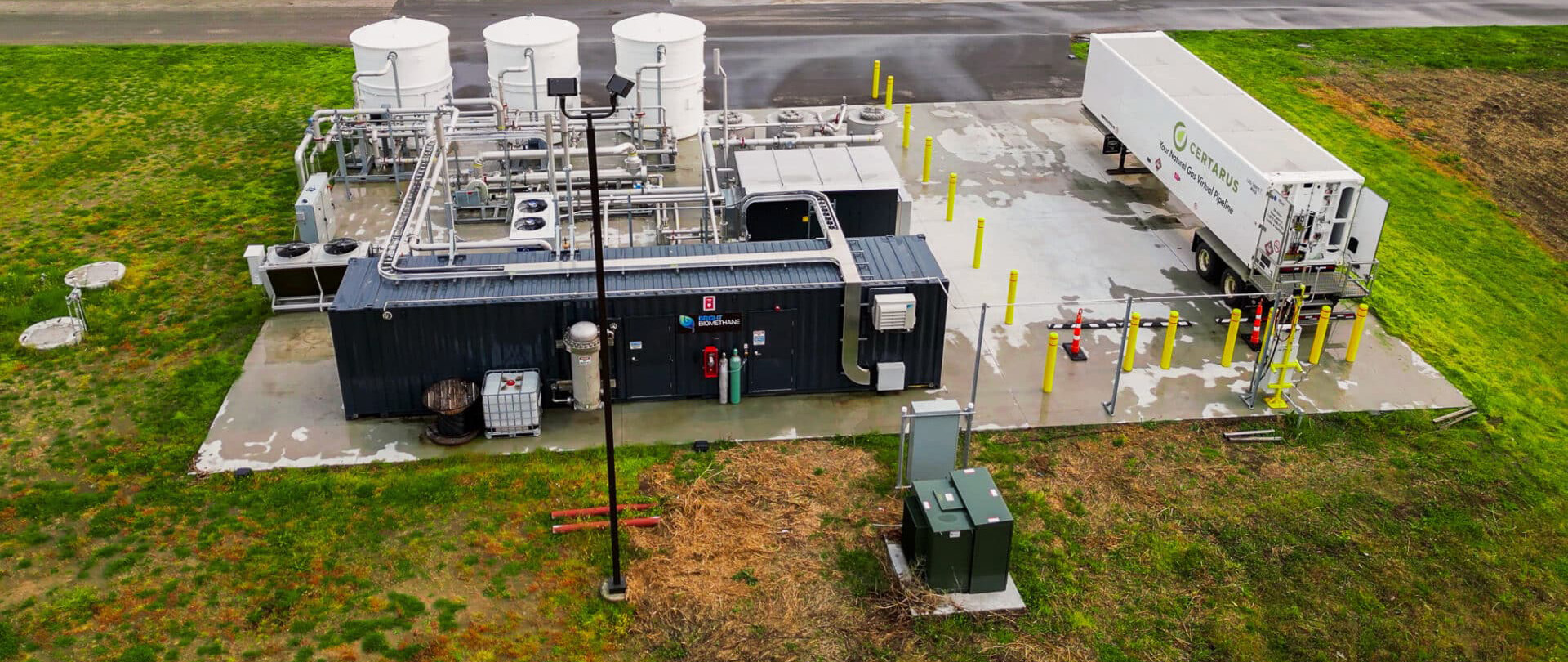
Biogas Upgrading: If you plan to inject biomethane into pipelines rather than generate electricity, adding a gas upgrading system (such as water scrubbing for biogas upgrading) will increase capital expenses substantially.
Operating Expenses: Annual O&M for a plug flow digester usually ranges from 2–5% of capital cost, covering labor, replacement parts, and routine maintenance.
It is wise to obtain multiple quotes and consider lifecycle costs, not just upfront investment, when evaluating a plug flow digester for your farm or facility.
Commercial Plug Flow Digester Suppliers and Services
Several established companies design and build plug flow digester systems worldwide. When researching vendors, look for experience with your specific feedstock and climate. Key players include:
DVO, Inc.: A leading US supplier of plug flow digester systems, particularly for dairy farms, with a focus on nutrient management and biogas utilization.
PlanET Biogas: German-based with global installations, offering modular plug flow digester designs that can be customized.
Biolectric: Specializes in smaller-scale digesters, including plug flow models for farms with 50–200 cows.
RCM International: Provides complete biogas plants, including plug flow digester technology, with a strong presence in Europe and North America.
ClearHorizon: Offers the "LPP" (linear parabolic plug flow) digester, designed for high-solids feedstocks and cold climates.
These suppliers typically offer turnkey services, from feasibility studies to commissioning and operator training. Many also provide long-term service agreements to keep your plug flow digester running at peak performance.
Key Design Considerations for Your Plug Flow Digester
Building a successful plug flow digester requires attention to several engineering details:
Heating System: Maintaining stable temperature is critical. Hot water pipes or floor heating coils are common, sized to maintain process temperature even in winter.
Mixing and Agitation: While plug flow relies on minimal mixing, some systems include occasional slow mixing to prevent scum layers or dead zones.
Biogas Collection: The cover must be gas-tight and durable. Common options include floating membrane covers or fixed domes with membrane liners.
Feedstock Preparation: A plug flow digester may need a mixing pit or macerator to ensure consistent particle size and solids content before pumping.
Odor Control: Although digestion reduces odors, the incoming feedstock and outgoing digestate can produce smells. Covered storage and biofilters are often part of the design.
Safety Systems: Biogas is flammable, so explosion-proof equipment, gas detection, and pressure relief valves are non-negotiable.
Maintenance and Operational Tips for Longevity
A well-maintained plug flow digester can operate for 20 years or more. Here are practical tips from experienced operators:
Monitor Feedstock Consistency: Avoid sudden changes in solids content or material type, as this can upset the bacterial population.
Check Heating Systems Regularly: A temperature drop of even a few degrees can slash gas production. Inspect pumps and heat exchangers routinely.
Remove Grit and Sediment: Over time, sand or grit can accumulate at the bottom of the tank. Plan for periodic cleaning every 5–10 years.
Inspect Membrane Covers: Look for tears or leaks, especially after severe weather. Keep spare parts on hand.
Train Operators: The success of your plug flow digester depends on daily attention. Invest in thorough training and written procedures.
Environmental and Economic Benefits
Investing in a plug flow digester offers multiple returns. Environmentally, it captures methane that would otherwise escape from manure storage, reducing greenhouse gas emissions. The digested solids can replace synthetic fertilizers and purchased bedding, cutting costs. Biogas can generate electricity, heat, or be upgraded to renewable natural gas (RNG) for sale. In many regions, incentives like renewable energy credits, carbon offsets, and grant programs improve the payback period. A plug flow digester also helps with compliance on nutrient management plans, particularly in watersheds with strict water quality rules. When combined with digestate separation, it becomes a cornerstone of modern farm sustainability.
Conclusion
The plug flow digester remains a top choice for farms and facilities with fibrous, high-solids feedstocks. Its simple design, reliability, and ability to handle bedding materials make it a practical investment for generating renewable energy and managing waste. While the upfront cost can be significant, the long-term benefits—both financial and environmental—often justify the expenditure. Whether you are just starting to explore anaerobic digestion or ready to move forward with a project, understanding the ins and outs of the plug flow digester will help you make the right decision for your operation. As the biogas industry grows, this proven technology will continue to play a vital role in turning organic waste into value.
Frequently Asked Questions
Q1: What is the typical retention time in a plug flow digester?
A1: Retention time in a plug flow digester usually ranges from 15 to 30 days, depending on temperature and feedstock. Mesophilic systems average around 20–25 days, while thermophilic designs can be shorter but are less common in plug flow configurations.
Q2: Can a plug flow digester handle food waste?
A2: Yes, but with caution. A plug flow digester can co-digest up to 10–20% food waste alongside manure, provided the material is well-mixed and free of contaminants. Higher proportions may require additional mixing or pretreatment to prevent acidification.
Q3: What is the difference between a plug flow digester and a complete mix digester?
A3: A plug flow digester has minimal internal mixing, with material moving as a plug from inlet to outlet. A complete mix digester uses mechanical or gas mixing to keep contents uniform. Plug flow is better for high-solids feedstocks, while complete mix handles liquids and slurries more effectively.
Q4: How much biogas can I expect from a plug flow digester?
A4: Biogas production depends on feedstock. For dairy manure, a plug flow digester typically produces 30–50 cubic meters per ton of fresh material. Adding co-substrates like corn silage can double or triple output. A 1,000-cow dairy might generate 200–400 kW of electricity continuously.
Q5: What maintenance does a plug flow digester require?
A5: Daily checks include temperature, pump operation, and gas flow. Weekly tasks involve inspecting seals and valves. Annually, you should plan for heating system servicing and cover inspections. Every 5–10 years, the tank may need desludging to remove accumulated grit.
Q6: Is a plug flow digester suitable for cold climates?
A6: Yes, with proper insulation and heating. Many plug flow digester systems operate successfully in northern US states and Canada. The tank is typically insulated, and the heating system is sized to maintain temperature even during extreme cold.
Q7: What permits do I need for a plug flow digester?
A7: Permitting varies by location but often includes environmental permits for construction, air emissions, water discharge, and zoning approvals. It is essential to consult local regulators early in the planning process for your plug flow digester project.