


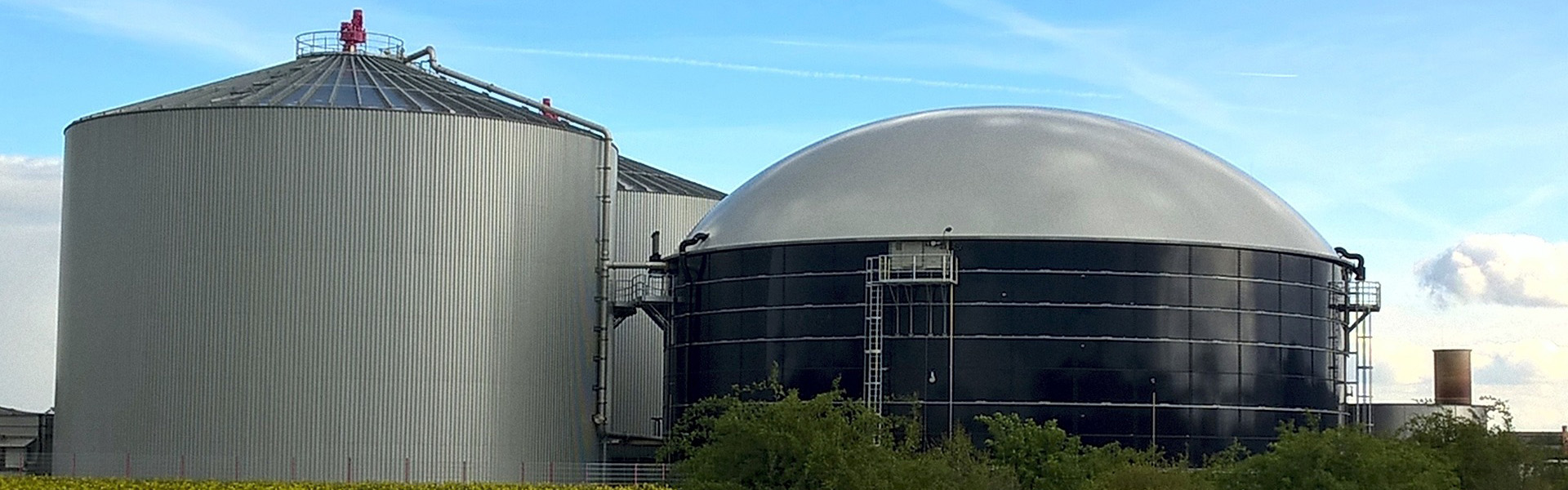
7 Key Factors to Evaluate When Investing in a Plug Flow Anaerobic Digester
Investing in a plug flow anaerobic digester is a strategic decision for biogas upgrading facilities aiming to process high-solids feedstocks efficiently. As the demand for renewable natural gas (RNG) grows, understanding the nuances of this specific digester design becomes crucial. Unlike continuously stirred tank reactors (CSTR), a plug flow anaerobic digester operates with minimal axial mixing, allowing biomass to move through a long, heated tank as a “plug”. This characteristic makes it particularly suitable for manure, crop residues, and organic municipal waste. In this article, we explore seven critical factors that project developers, engineers, and investors must consider when selecting and deploying a plug flow anaerobic digester within the biogas upgrading value chain. Whether you are upgrading biogas to pipeline quality or seeking robust organic waste solutions, these insights will help optimize performance and return on investment.
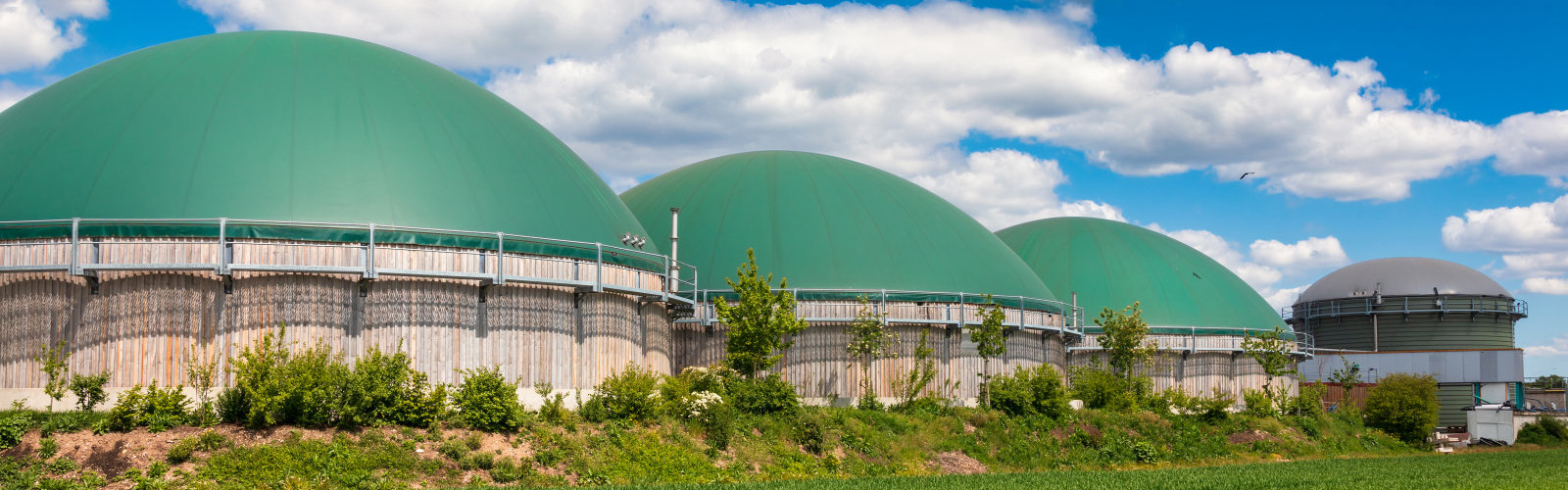
1. Core Principle: How a Plug Flow Anaerobic Digester Processes Feedstock
A plug flow anaerobic digester is typically a long, horizontal or slightly inclined tank. Fresh feedstock is introduced at one end and gradually moves toward the discharge end as new material pushes the old forward. The plug flow regime means there is little back-mixing; solids remain stratified, and different microbial populations develop along the length. This design naturally handles materials with 15–40% dry solids, which would be difficult to pump in a conventional mixed system. Because the plug flow anaerobic digester relies on natural settling and gravity, it consumes less energy for mixing. However, maintaining the plug flow condition requires consistent feedstock characteristics and controlled particle size. Operators must monitor the inlet zone to prevent floating layers or sedimentation that could disturb the gradual movement.
2. Feedstock Flexibility and Pre-Processing Steps
One of the main reasons to choose a plug flow anaerobic digester is its ability to digest high-fiber feedstocks like cow manure with bedding, crop stalks, and organic fraction of municipal solid waste. Yet not all feedstocks can be fed directly. Large contaminants such as stones, metals, or plastics must be removed to avoid damaging pumps or accumulating inside the digester. Particle size reduction to less than 2–5 cm is often recommended to ensure the material flows as a consistent plug. For a plug flow anaerobic digester receiving food waste, blending with manure or water may be necessary to adjust total solids and prevent acidification. Some facilities install a pre-mixing tank where additives like micronutrients or pH adjusters are introduced before the material enters the digester. Proper pre-processing directly impacts the longevity and gas yield of the plug flow anaerobic digester.
3. Sizing and Retention Time: Getting the Hydraulics Right
The volume of a plug flow anaerobic digester determines how long the feedstock remains inside—the hydraulic retention time (HRT). Typical HRT for these systems ranges from 15 to 30 days, depending on temperature (mesophilic or thermophilic) and feedstock biodegradability. A longer HRT improves volatile solids destruction but increases capital cost. When sizing a plug flow anaerobic digester, engineers must also consider the width-to-length ratio to avoid short-circuiting. If the plug flow is disrupted, fresh feedstock may exit prematurely, reducing biogas yield. Modeling tools and tracer studies help verify that the plug flow anaerobic digester maintains its intended displacement pattern. For facilities that plan to expand capacity later, modular plug flow designs are available, allowing additional tanks to be added in series.
4. Biogas Yield and Process Stability Factors
Biogas production from a plug flow anaerobic digester is influenced by temperature stability, carbon-to-nitrogen ratio, and the presence of inhibitory compounds like ammonia. Because the plug flow anaerobic digester has distinct zones, acidogenesis and methanogenesis can occur sequentially along the tank. This spatial separation can enhance stability if the system is well balanced. However, operators must watch for volatile fatty acid accumulation near the inlet. Regular sampling ports along the digester help track pH and alkalinity. Adding trace elements such as cobalt, nickel, and selenium can boost microbial activity in a plug flow anaerobic digester processing nitrogen-rich substrates. Many suppliers now offer custom nutrient packages tailored to the feedstock profile.
5. Integration with Biogas Upgrading Equipment
For projects aiming to produce biomethane, the connection between the plug flow anaerobic digester and upgrading equipment is vital. Raw biogas from a plug flow anaerobic digester typically contains 50–65% methane, 35–50% carbon dioxide, and trace amounts of hydrogen sulfide (often 500–3000 ppm). Before upgrading, the gas must be cooled, dehumidified, and desulfurized. Membrane separation, pressure swing adsorption (PSA), and water scrubbing are common upgrading technologies that pair well with plug flow digesters. Since a plug flow anaerobic digester can produce gas with fluctuating methane content due to feeding cycles, installing a gas buffer (like a double-membrane roof) ensures a steady flow to the upgrading skid. Upgrading equipment manufacturers often provide pre-fabricated units designed to handle the specific gas quality from a plug flow anaerobic digester, including H2S removal guarantees.
6. Capital and Operational Cost Considerations
Cost is a deciding factor for any biogas project. A plug flow anaerobic digester generally has lower mixing energy costs than CSTRs, but the construction may require more land area because of its horizontal layout. For a farm-based system processing manure, a plug flow anaerobic digester of 500–1000 m³ can cost between $500,000 and $1.5 million, excluding gas upgrading. Larger municipal or industrial installations can exceed $5 million. Key cost drivers include tank material (steel, concrete, or coated steel), heating systems, pumps, and the cover type. When adding biogas upgrading equipment, expect to invest an additional $0.5–2 million depending on capacity and purity targets. Operational expenses for a plug flow anaerobic digester include heating (often from cogeneration), periodic removal of settled solids, and maintenance of pumps and valves. Many suppliers offer performance warranties that cover gas output and uptime.
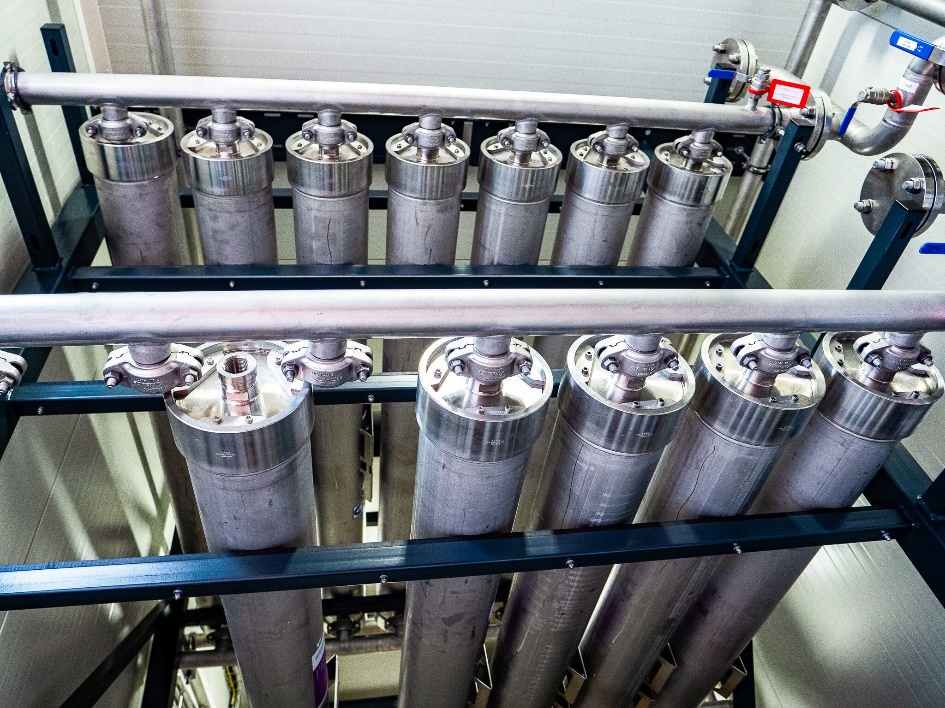
7. Selecting a Technology Provider and Long-Term Service Agreements
Not all plug flow anaerobic digester designs are equal. Experienced providers bring proprietary mixing concepts, heating arrangements, and process controls. When evaluating bids, ask about reference plants where a plug flow anaerobic digester has operated for at least five years with similar feedstocks. Service agreements should cover routine inspections, spare parts availability, and remote monitoring. Some manufacturers offer training programs for plant operators to understand the nuances of a plug flow anaerobic digester. It is also wise to check if the provider can supply or recommend compatible biogas upgrading modules, simplifying interface responsibilities. In the international biogas equipment manufacturing sector, companies that specialize in plug flow anaerobic digesters often collaborate with upgrading technology partners to deliver turnkey renewable natural gas plants.
A well-designed plug flow anaerobic digester remains one of the most robust solutions for converting solid organic wastes into renewable energy. By evaluating feedstock characteristics, retention time, process stability, upgrading compatibility, and total costs, project developers can confidently move forward. The choice of a plug flow anaerobic digester influences every downstream unit, from gas handling to grid injection. As the biogas industry matures, equipment manufacturers continue to refine plug flow designs, making them more reliable and easier to integrate with advanced upgrading systems. Always consult with technical experts and request pilot testing when possible.
Frequently Asked Questions
Q1: What is the typical retention time in a plug flow anaerobic digester?
A1: Retention time usually falls between 15 and 30 days. For a plug flow anaerobic digester operating under mesophilic conditions (around 37°C) with manure and crop residues, 20–25 days is common. Thermophilic operation may allow shorter retention but requires careful temperature control to avoid upset.
Q2: Can a plug flow anaerobic digester handle food waste effectively?
A2: Yes, but food waste often needs pre-processing to remove contaminants and adjust total solids. Mixing food waste with manure or recycled digestate helps buffer pH and provides essential nutrients. Many commercial plug flow anaerobic digester facilities successfully co-digest food waste with agricultural residues.
Q3: Which biogas upgrading technologies work best with a plug flow anaerobic digester?
A3: Membrane separation and PSA are widely used because they can handle the typical biogas composition from a plug flow anaerobic digester. However, a desulfurization step (biological or activated carbon) is essential upstream of the upgrading unit. Water scrubbing is also compatible if the gas is compressed appropriately.
Q4: How much does a plug flow anaerobic digester cost for a medium-sized farm?
A4: Costs vary widely based on location, material, and included equipment. For a 500-cow dairy, a complete plug flow anaerobic digester system (without upgrading) might range from $800,000 to $1.5 million. Adding biogas upgrading for RNG production could double that amount. Always obtain multiple quotes from reputable suppliers.
Q5: What maintenance does a plug flow anaerobic digester require?
A5: Daily checks include monitoring temperature, inlet flow, and gas production. Periodic tasks involve removing grit or sand from the bottom, inspecting heating pipes for scaling, and greasing pumps. The absence of mechanical mixers inside the main tank reduces maintenance compared to CSTRs, but the inlet and outlet zones of a plug flow anaerobic digester need regular attention to prevent blockages.
Q6: Can a plug flow anaerobic digester operate in cold climates?
A6: Yes, with proper insulation and heating. Most plug flow anaerobic digester tanks are heated via internal hot water pipes or external heat exchangers. In cold regions, tanks may be enclosed in a building or covered with thick insulation. Freezing of inlet pipes is a common design challenge that engineers address with heat tracing.
Q7: What is the maximum total solids content a plug flow anaerobic digester can handle?
A7: Some designs accept feedstocks with up to 40% total solids, especially if they are fibrous. However, many plug flow anaerobic digester operators aim for 12–20% total solids to ensure proper flow and avoid floating layers. The ideal range depends on the specific technology and feedstock characteristics.