


News
We'll get back to you as soon as possible.
5 Ways to Host Biogas Successfully on Your Farm or Industrial Site
For landowners, farmers, and industrial facility managers, the decision to host biogas upgrading equipment represents a significant opportunity. Host biogas arrangements allow property owners to lease land or buildings to energy companies, gaining a steady revenue stream while contributing to renewable natural gas (RNG) production. However, successfully hosting a biogas operation requires careful planning, technical understanding, and clear contractual agreements. In the international biogas equipment manufacturing sector, more project developers are seeking suitable sites to host biogas upgrading skids, digesters, and grid injection stations. This article outlines five essential considerations for anyone evaluating whether to host biogas infrastructure, from initial site assessment to long-term operational cooperation.
1. Site Selection and Space Requirements to Host Biogas Equipment
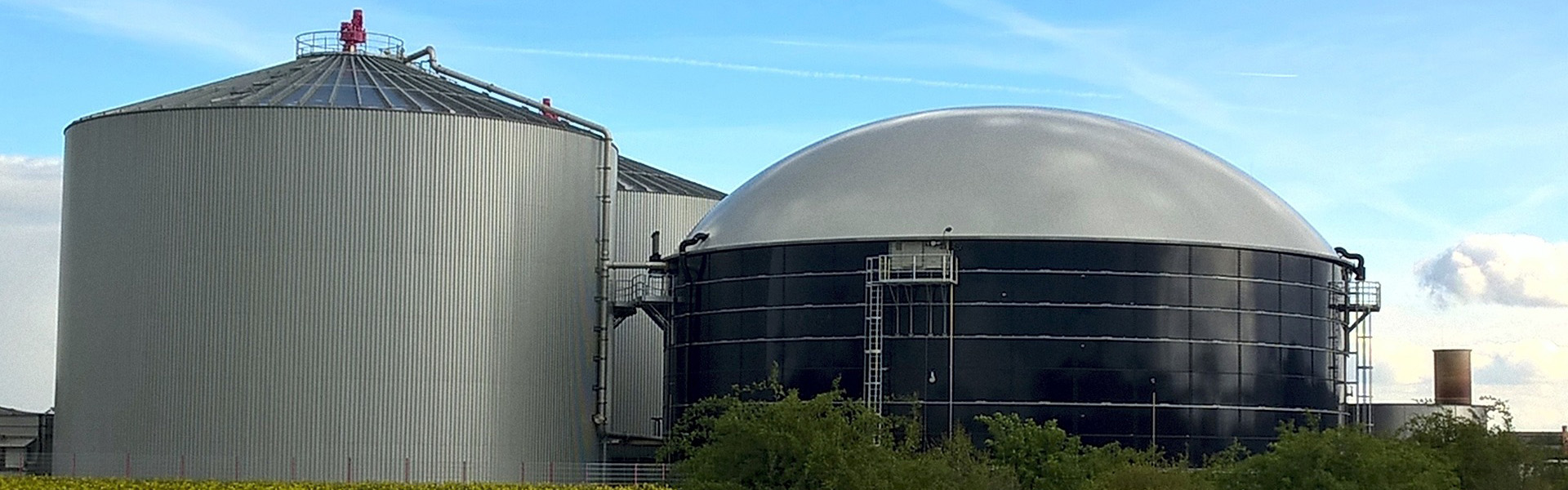
Before agreeing to host biogas facilities, evaluate your available land and access routes. A typical biogas upgrading installation requires space for the anaerobic digester, feedstock storage, digestate handling, gas upgrading containers, and a grid connection point. If you plan to host biogas equipment, you must provide a level, stable area with load-bearing capacity for heavy tanks and vehicles. Consider setbacks from property lines, water bodies, and neighbors. Many developers prefer sites with at least two acres to comfortably host biogas systems plus future expansion. Also assess the proximity to three-phase power lines and natural gas pipelines. Without nearby utilities, the cost to host biogas can increase significantly due to grid extension fees. Early discussions with the developer should clarify exactly what footprint they need and how it fits your property layout.
2. Feedstock Availability: The Foundation of Any Host Biogas Agreement
A viable project requires a consistent supply of organic material. If you are a farmer, your own manure and crop residues can be the primary feedstock. However, many host biogas arrangements involve importing additional substrates like food waste or industrial byproducts. When you decide to host biogas facilities, you must consider truck traffic, odor management, and storage of incoming materials. Some hosts worry about increased vehicle movements; developers can often route deliveries to minimize disruption. The quality and quantity of feedstock directly affect gas production and, consequently, your royalty payments if your contract includes a revenue share. Ensure the developer conducts a thorough feedstock analysis before construction. As the host, you should understand what materials will be accepted and how they will be handled daily.
3. Technology Selection: Matching Digester Design to Your Host Biogas Site
Not every digester type fits every location. When preparing to host biogas equipment, discuss whether the proposed technology suits your climate, soil conditions, and operational preferences. Plug flow digesters work well for high-solids manures, while complete mix tanks handle liquid wastes better. If your site experiences freezing winters, the developer must include adequate insulation and heating for tanks and pipes. Some hosts prefer below-grade construction to reduce visual impact. Also, ask about the biogas upgrading technology itself—membrane separation, pressure swing adsorption, or water scrubbing. Each has different space needs and maintenance requirements. A reputable developer will conduct a site visit and explain why their chosen system is optimal for your location. Your comfort with the technology matters because you will live alongside it for 15–20 years.
4. Gas Grid Connection and Biogas Upgrading Integration
To host biogas profitably, the upgraded biomethane must enter a pipeline or be used onsite. The nearest natural gas pipeline's pressure, diameter, and ownership determine interconnection costs. In some regions, the pipeline operator may require the project to install compression, metering, and odorant injection. If you host biogas facilities, you should understand who pays for these upgrades. Often, the developer covers interconnection, but the host may need to grant easements across their property. Additionally, the gas upgrading equipment itself produces tail gas (the CO₂ stream) which may need to be vented or captured. Discuss with the developer how they plan to handle all gas streams and whether any emissions could affect your existing operations. A transparent discussion about the gas side of the project prevents surprises later.
5. Financial Arrangements and Contracts When You Host Biogas
The financial structure of a host biogas agreement varies widely. Some hosts receive a fixed annual land lease payment. Others negotiate a royalty based on energy production or a percentage of revenues from RNG sales. In some cases, the host invests capital and becomes a joint venture partner. Before you sign anything to host biogas equipment, have a lawyer experienced in renewable energy review the contract. Key clauses include liability for environmental incidents, decommissioning responsibilities at the end of the project life, and force majeure provisions. Also check if the developer's insurance covers your assets. The contract should specify maintenance responsibilities—who fixes a broken pump or a leaking pipe on your land. Many hosts also negotiate free use of some heat or electricity generated for their own buildings. A well-structured agreement ensures that both parties benefit from the decision to host biogas.
6. Permitting and Community Relations for Host Biogas Sites
Permitting is often the longest phase of any biogas project. When you agree to host biogas facilities, you become involved in local approvals. Planning departments may require public hearings, and neighbors will have questions. Experienced developers handle most paperwork, but your support as the landowner carries weight with local officials. You can help by introducing the developer to community leaders and explaining the benefits—jobs, tax revenue, renewable energy. Some hosts worry about odors or noise. Modern biogas upgrading equipment is enclosed, and digesters are sealed systems. However, feedstock delivery areas can emit smells if not managed properly. Ask the developer about their plans for biofilters, enclosed receiving halls, and rapid clean-up of spills. Being proactive with neighbors often makes the difference between a smooth permit process and years of delays.
7. Long-Term Operations and Maintenance Responsibilities
Once construction finishes, the daily operation begins. In most host biogas arrangements, the developer retains an operations team. But the host may be asked to provide occasional access, monitor security, or allow workers to enter fields. Some hosts choose to train their own staff to assist with simple tasks like checking temperature gauges or clearing chutes. If you prefer minimal involvement, specify that in the contract. However, being an engaged host can lead to better communication and quicker resolution of issues. Over the decades of operation, parts will wear out. The developer should have a maintenance schedule and spare parts inventory. If you host biogas equipment, you should also know the emergency shutdown procedures and have contact numbers posted. A collaborative relationship between host and operator keeps the plant running smoothly and maximizes the income for everyone.
Deciding to host biogas infrastructure is a long-term commitment that can diversify farm income or monetize underused industrial land. By carefully evaluating site suitability, feedstock logistics, technology fit, grid access, financial terms, permitting hurdles, and operational roles, you position yourself for a successful partnership. The international biogas upgrading equipment industry continues to expand, and developers are actively looking for reliable partners to host biogas projects. Take your time, ask tough questions, and visit existing installations if possible. With the right preparation, hosting a biogas plant can be a rewarding venture for decades to come.
Frequently Asked Questions
Q1: What does it mean to host biogas equipment on my property?
A1: Hosting means you lease a portion of your land to a developer or energy company to install and operate biogas upgrading equipment, digesters, and related infrastructure. You typically receive lease payments or royalties, while the developer handles construction, permits, and daily operations.
Q2: How much land do I need to host biogas facilities?
A2: Most projects require at least one to two acres for the digester, feedstock storage, gas upgrading skid, and vehicle access. Larger projects with multiple digesters or extensive preprocessing may need five acres or more. The developer will conduct a site survey to confirm the exact footprint.
Q3: What are the typical financial returns when I host biogas?
A3: Returns vary. Some hosts get a fixed annual land rent, perhaps $2,000–$10,000 per acre. Others negotiate a percentage of revenues, which could range from 3% to 10% of RNG sales. A few hosts invest equity and share profits more substantially. Always have a financial advisor review the proposal.
Q4: Will hosting biogas create odors or noise?
A4: Modern biogas plants are designed to minimize odors. Digestate storage tanks are covered, and the upgrading equipment operates inside sound-attenuated containers. Feedstock delivery areas can produce smells, but developers often install biofilters or enclosed receiving bays to control emissions. Visiting a similar operating site is the best way to gauge real-world conditions.
Q5: Who pays if something breaks or needs replacement?
A5: In a typical host biogas agreement, the developer/operator is responsible for all maintenance and repairs. Your contract should clearly state that the operator bears the cost of parts, labor, and downtime. You should also require that the operator carries comprehensive insurance naming you as an additional insured.
Q6: Can I cancel the agreement if I want to use the land for something else?
A6: Biogas projects involve long-term financing and permits, so contracts usually run 15–25 years. Early termination would require compensating the developer for lost revenue and relocation costs. Before signing, understand the duration and any exit clauses. Some contracts allow termination after a certain period with advance notice.
Q7: Do I need special permits to host biogas?
A7: The developer typically obtains all environmental and construction permits. However, you as the landowner may need to sign zoning variance applications or attend public hearings. Local ordinances vary, so it's wise to consult with your planning department early to understand any restrictions on your property.
Q8: How does hosting biogas affect my property taxes?
A8: Adding industrial equipment could increase your property's assessed value, potentially raising taxes. Some jurisdictions offer tax incentives for renewable energy projects. Ask your local tax assessor about the implications before signing. In some host agreements, the developer agrees to pay any additional taxes resulting from the installation.
Q9: What happens at the end of the project life?
A9: The contract should include a decommissioning clause requiring the developer to remove all equipment, restore the soil, and cap any wells or pipes. You may want a bond or financial guarantee ensuring funds are available for cleanup even if the company no longer exists.
Q10: Can I host biogas if I don't have animals or crops?
A10: Yes. Industrial sites, landfills, and even large commercial properties can host biogas if they have space and utility access. Developers often look for locations near organic waste sources or gas pipelines, regardless of whether the host generates feedstock themselves.