


News
We'll get back to you as soon as possible.
Corn Ethanol Plant: Driving Renewable Fuel Production with Advanced Biogas Integration
A corn ethanol plant is more than just a facility that produces biofuel—it represents a cornerstone of the renewable energy landscape. By converting field corn into ethanol, these plants supply a cleaner-burning alternative to gasoline while generating valuable co-products. Today, the integration of biogas upgrading equipment is transforming the way a corn ethanol plant operates, allowing it to capture waste streams and turn them into pipeline-grade renewable natural gas. This evolution aligns perfectly with the international biogas upgrading equipment manufacturing sector, where innovation meets sustainability. In this article, we’ll explore the inner workings of a modern corn ethanol plant, how it can benefit from biogas technologies, and what the future holds for this dynamic industry.
Understanding the Core Operations of a Corn Ethanol Plant
At its heart, a corn ethanol plant is a biorefinery designed to extract fermentable sugars from corn kernels and convert them into ethanol through biological processes. The facility typically receives thousands of bushels of corn daily, which are ground, cooked, and treated with enzymes to break down starches into simple sugars. Yeast then ferments these sugars, producing ethanol and carbon dioxide. The ethanol is distilled and dehydrated to reach fuel-grade purity, while the remaining solids and liquids become animal feed or other co-products. But the story doesn’t end there: a forward-thinking corn ethanol plant looks at every output as a potential resource.
From Grain to Fuel: The Step-by-Step Process
Walking through a typical corn ethanol plant, you’d witness a carefully choreographed sequence. First, corn is cleaned and milled into a fine flour, then mixed with water and heat to create a slurry. Enzymes are added to liquefy the starch, and after cooling, the mash moves to fermentation tanks where yeast works for 48 to 60 hours. The resulting beer—a mixture of ethanol and solids—is pumped to distillation columns. Ethanol vapor rises, is condensed, and then passes through molecular sieves to remove any remaining water. The leftover whole stillage is centrifuged to separate thin stillage from wet cake. Thin stillage can be evaporated into syrup and combined with wet cake to produce distillers dried grains with solubles (DDGS), a high-protein animal feed. In an integrated corn ethanol plant, the thin stillage can also feed anaerobic digesters to generate biogas.
Essential Equipment for a High-Performance Corn Ethanol Plant
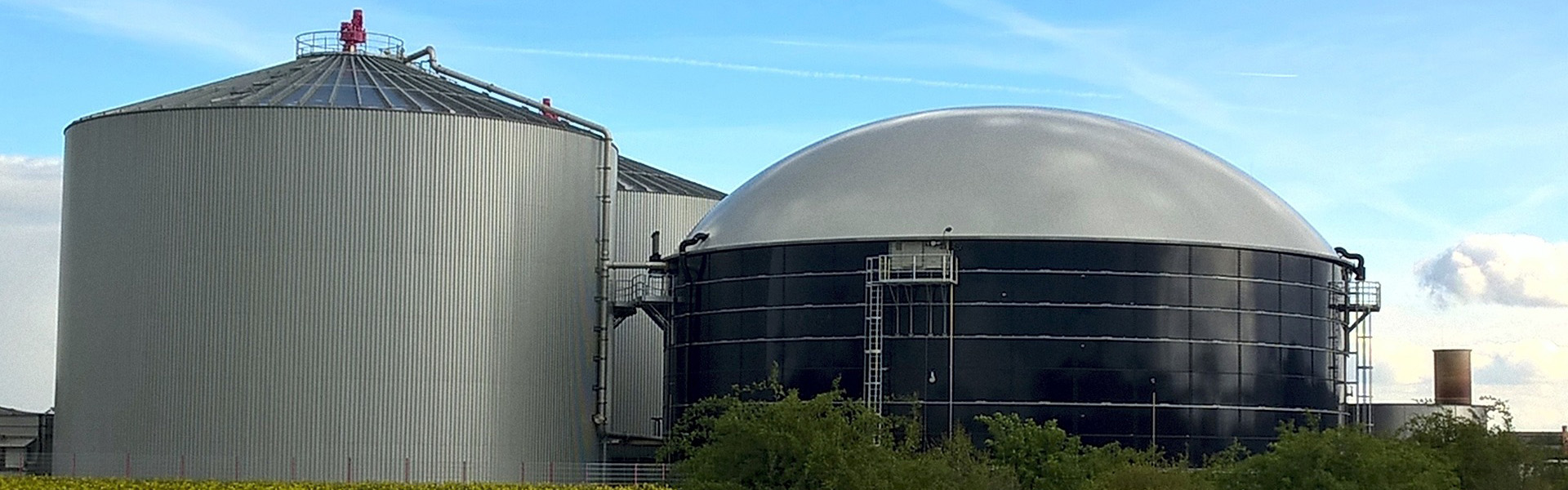
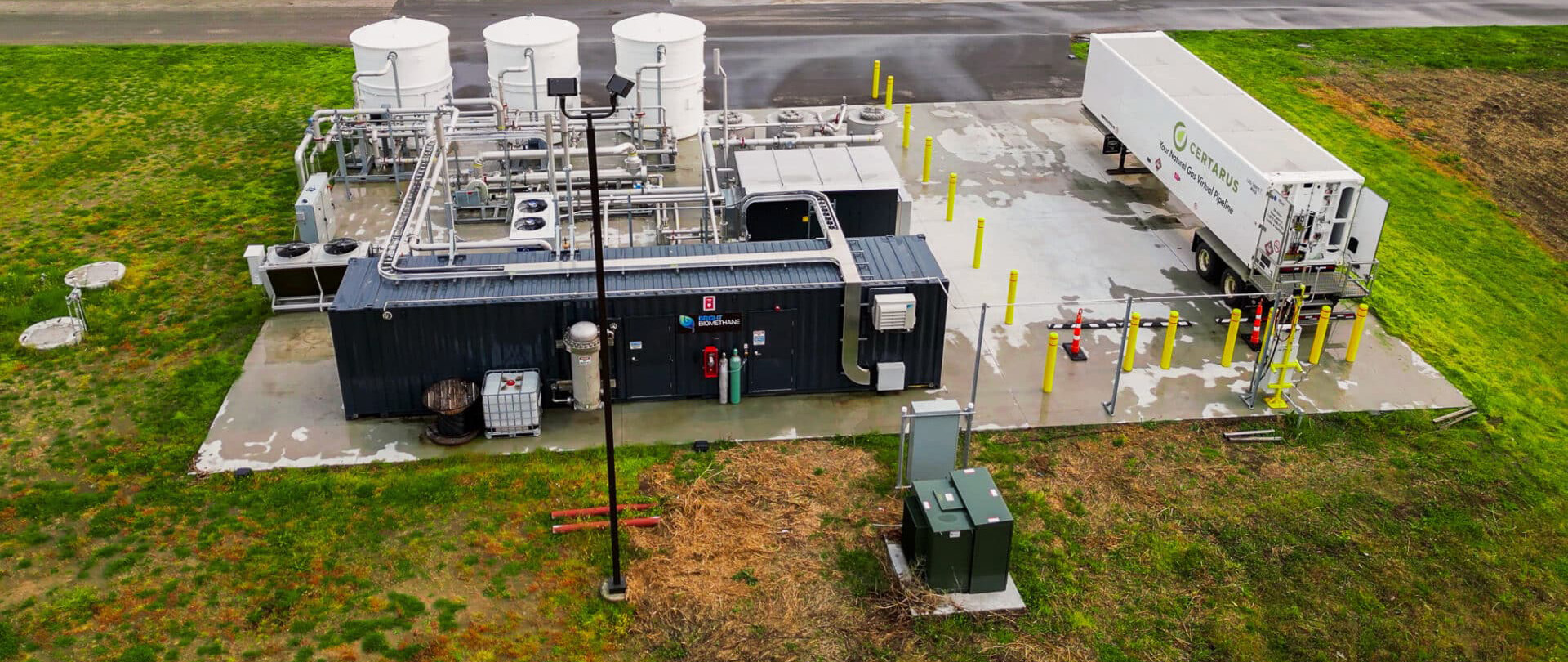
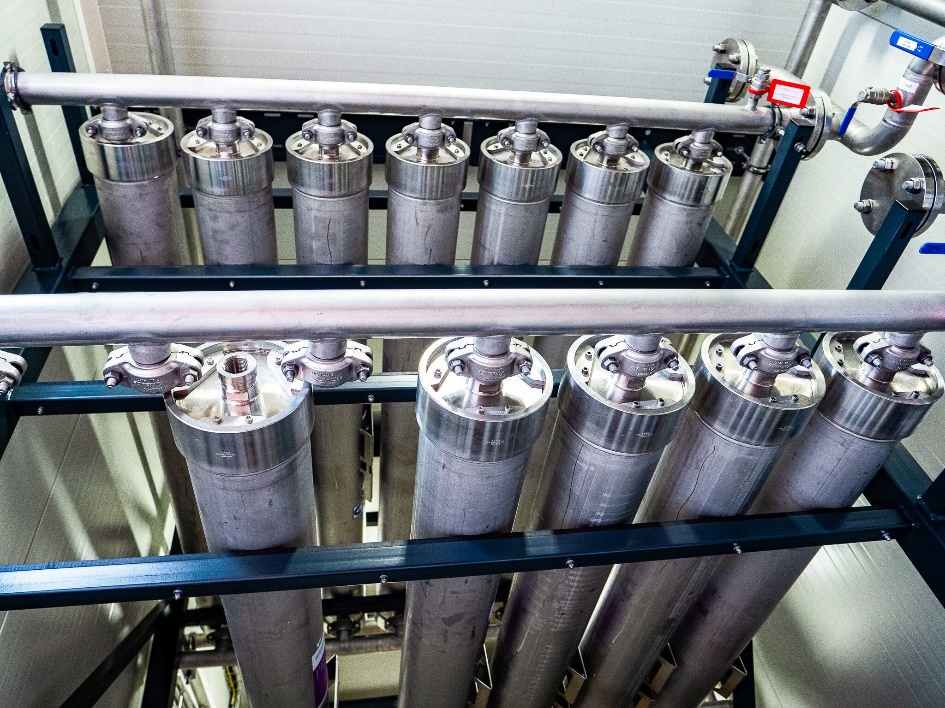
Running a successful corn ethanol plant requires robust machinery. Hammer mills or roller grinders handle the initial size reduction. Slurry tanks, jet cookers, and liquefaction tanks prepare the mash. Fermenters—often giant stainless steel vessels—must maintain strict temperature and pH control. Distillation columns, reboilers, and condensers separate ethanol, while molecular sieves achieve dehydration. Evaporators concentrate thin stillage, and dryers produce DDGS. Additionally, modern plants include emissions control systems, such as thermal oxidizers, to manage volatile organic compounds. When biogas upgrading enters the picture, a corn ethanol plant adds anaerobic digesters, gas holders, and upgrading skids that use membrane separation, pressure swing adsorption, or water scrubbing to purify biogas into biomethane.
Maximizing Value: Integrating Biogas Upgrading Equipment
The connection between a corn ethanol plant and biogas upgrading equipment is a natural fit. During ethanol production, organic-rich wastewater—specifically thin stillage and other process streams—can be digested anaerobically to produce biogas composed of methane and carbon dioxide. Instead of flaring this gas or using it only for low-grade heat, a corn ethanol plant can install biogas upgrading equipment to clean and condition it. The result is renewable natural gas (RNG) that meets pipeline standards. This RNG can be sold as a transportation fuel, injected into the natural gas grid, or used on-site to replace fossil natural gas in boilers and dryers. For equipment manufacturers in the international biogas sector, the corn ethanol plant represents a growing market with high-volume, consistent waste streams.
Environmental and Economic Synergies: Biogas and Ethanol
Integrating biogas upgrading brings dual benefits to a corn ethanol plant. Environmentally, it reduces methane emissions—a potent greenhouse gas—by capturing and utilizing biogas that would otherwise escape. It also lowers the plant’s carbon intensity, making the ethanol produced eligible for low-carbon fuel credits in programs like California’s LCFS or the federal RFS. Economically, a corn ethanol plant gains an additional revenue stream from RNG sales, potentially millions of dollars annually. Moreover, using biogas on-site cuts natural gas purchases, improving the bottom line. The digestate from anaerobic digestion can be processed into fertilizer, further closing the loop. For equipment manufacturers, this synergy underscores the importance of designing robust, efficient upgrading systems tailored to the variable gas flows from a corn ethanol plant.
Case Study: Successful Biogas Integration in a Corn Ethanol Plant
Consider a Midwestern corn ethanol plant processing 40 million gallons of ethanol per year. By installing an anaerobic digester and biogas upgrading equipment, it now treats a portion of its thin stillage, producing 200,000 MMBtu of RNG annually. The upgraded gas is injected into a nearby pipeline, generating over $2 million in new revenue from RNG credits and sales. The plant also reduced its purchased natural gas by 30%, cutting operating costs. This example shows how a corn ethanol plant can evolve into a multi-product biorefinery, leveraging international biogas upgrading technology to enhance sustainability and profitability.
Future Outlook: Innovations in Corn Ethanol and Biogas Technologies
Looking ahead, the corn ethanol plant will continue to innovate. Researchers are developing advanced enzymes and yeast strains that increase ethanol yield and reduce energy use. On the biogas side, membrane upgrading systems are becoming more compact and efficient, making retrofits easier for existing plants. Some facilities are exploring the production of sustainable aviation fuel (SAF) from ethanol, which would require even lower carbon intensity—something biogas integration can help achieve. As policies worldwide favor renewable fuels and circular economies, the corn ethanol plant equipped with biogas upgrading is poised to play a pivotal role. Equipment manufacturers must stay ahead by offering modular, cost-effective solutions that fit the unique footprint of each plant.
Conclusion: The Evolving Role of Corn Ethanol Plants
In summary, the modern corn ethanol plant is no longer just an ethanol producer; it is a hub of renewable energy and resource recovery. By embracing biogas upgrading equipment, these facilities reduce waste, lower emissions, and create new value. For stakeholders in the international biogas equipment manufacturing field, the corn ethanol plant represents a vital customer base with growing demand for sustainable technologies. As we move toward a low-carbon future, the integration of corn ethanol and biogas will only deepen, benefiting the environment, the economy, and energy security.
Frequently Asked Questions
Q1: What is the primary product of a corn ethanol plant?
A1: The primary product is fuel-grade ethanol, but a corn ethanol plant also produces valuable co-products such as distillers dried grains with solubles (DDGS) for animal feed, corn oil, and captured carbon dioxide. With biogas integration, it can also generate renewable natural gas.
Q2: How does biogas upgrading equipment fit into a corn ethanol plant?
A2: Biogas upgrading equipment is installed after an anaerobic digester that processes organic by-products like thin stillage. The equipment removes impurities (CO2, H2S, moisture) from the biogas, producing biomethane that meets pipeline quality and can be sold or used on-site.
Q3: What are the environmental benefits of adding biogas technology to a corn ethanol plant?
A3: It reduces methane emissions from waste treatment, lowers the overall carbon footprint of ethanol production, and can help the plant achieve low-carbon fuel certifications. It also displaces fossil natural gas, cutting greenhouse gas emissions further.
Q4: Can any existing corn ethanol plant be retrofitted with biogas upgrading?
A4: Most plants can be retrofitted, but a thorough feasibility study is necessary to evaluate waste stream volumes, available space, and economic returns. Many newer corn ethanol plants are designed with biogas integration in mind from the start.
Q5: Does biogas upgrading improve the profitability of a corn ethanol plant?
A5: Yes, it creates additional revenue from selling RNG and renewable credits, reduces expenses for purchased natural gas, and may provide carbon tax credits. These financial benefits can significantly improve the plant’s overall profitability.
Q6: What types of biogas upgrading technologies are commonly used in corn ethanol plants?
A6: Common technologies include membrane separation, pressure swing adsorption (PSA), water scrubbing, and amine scrubbing. The choice depends on plant size, gas flow rate, and desired methane purity. International equipment manufacturers offer skid-mounted units tailored for such applications.