


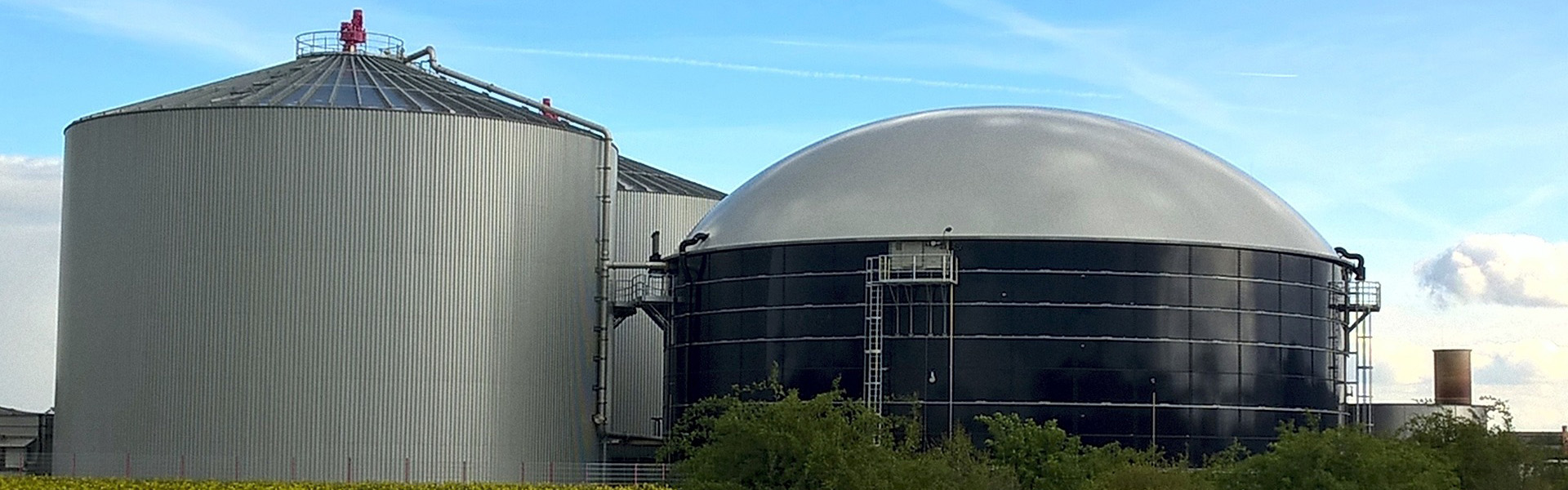
Compressor Biogas: Essential Equipment for Renewable Gas Upgrading and Transport
In the renewable energy sector, the term compressor biogas refers to a critical piece of machinery that transforms raw biogas into a usable, transportable fuel. Without compression, the biogas captured from anaerobic digesters—whether at farms, landfills, or wastewater plants—remains at low pressure, limiting its applications. A reliable compressor biogas system takes this gas and boosts its pressure, enabling it to be injected into natural gas pipelines, used as vehicle fuel, or stored efficiently. For manufacturers of biogas upgrading equipment on the international stage, understanding the role and selection of the right compressor biogas unit is essential for delivering complete, turnkey solutions to clients worldwide.

Why Compression Matters in Biogas Applications
Biogas, as it exits a digester, typically contains 50-70% methane and 30-50% carbon dioxide, along with trace contaminants. After upgrading—where CO2, hydrogen sulfide, and moisture are removed—the resulting biomethane is chemically similar to natural gas. But it still lacks pressure. A compressor biogas system solves this by raising the gas pressure from near atmospheric to levels required for pipeline entry (often 200 psi or higher) or for dispensing into compressed natural gas (CNG) vehicles. In short, a compressor biogas is the bridge between gas production and gas utilization.
Core Components of a Compressor Biogas System
A complete compressor biogas package involves more than just the compressor head. It includes intake filters to remove particulates, intercoolers to manage temperature rise during compression, lubrication systems, and safety controls. For biogas applications, materials must be compatible with trace corrosive elements like residual H2S, even after upgrading. Many international equipment manufacturers offer compressor biogas skids that are pre-assembled, tested, and ready to integrate with upgrading plants. These skids can be reciprocating, rotary screw, or centrifugal types, depending on flow rate and discharge pressure needs.
Matching Compressor Types to Biogas Projects
Choosing the correct compressor biogas design depends on several factors. Reciprocating compressors are common for smaller flows and high-pressure ratios, such as filling CNG cylinders. Rotary screw compressors handle larger volumes at moderate pressures, ideal for pipeline injection. Centrifugal compressors suit very large-scale applications like major grid feed-in. For a compressor biogas operating in a landfill setting, robustness against variable gas composition is key. For agricultural biogas plants, simplicity and low maintenance often drive decisions. Manufacturers now offer compressor biogas units with variable frequency drives to match fluctuating gas production, saving energy and reducing wear.
The Role of Compressor Biogas in Gas Upgrading Trains
Within a biogas upgrading facility, the compressor biogas typically sits at two possible positions. Some designs place compression before upgrading, raising raw biogas pressure to optimize membrane separation or water scrubbing efficiency. Others compress after upgrading, ensuring only clean biomethane passes through the compressor biogas internals. Each approach has trade-offs. Pre-upgrading compression exposes the compressor biogas to corrosive raw gas, requiring more robust metallurgy. Post-upgrading compression extends equipment life but may need additional cooling if the upgrading process heats the gas. International engineering firms evaluate these factors when designing compressor biogas integration for clients.
Pipeline Injection: A Primary Use for Compressor Biogas
One of the most common applications for a compressor biogas is pipeline injection. Once biogas is upgraded to pipeline-quality methane, it must be pressurized to match the pipeline operator's specifications. A compressor biogas station at the plant outlet boosts pressure to 200-500 psi for distribution lines or higher for transmission lines. This compressor biogas station often includes odorization units, flow meters, and emergency shutdown systems. For project developers, selecting a compressor biogas with high reliability is crucial because pipeline contracts often require consistent delivery volumes; downtime means lost revenue.
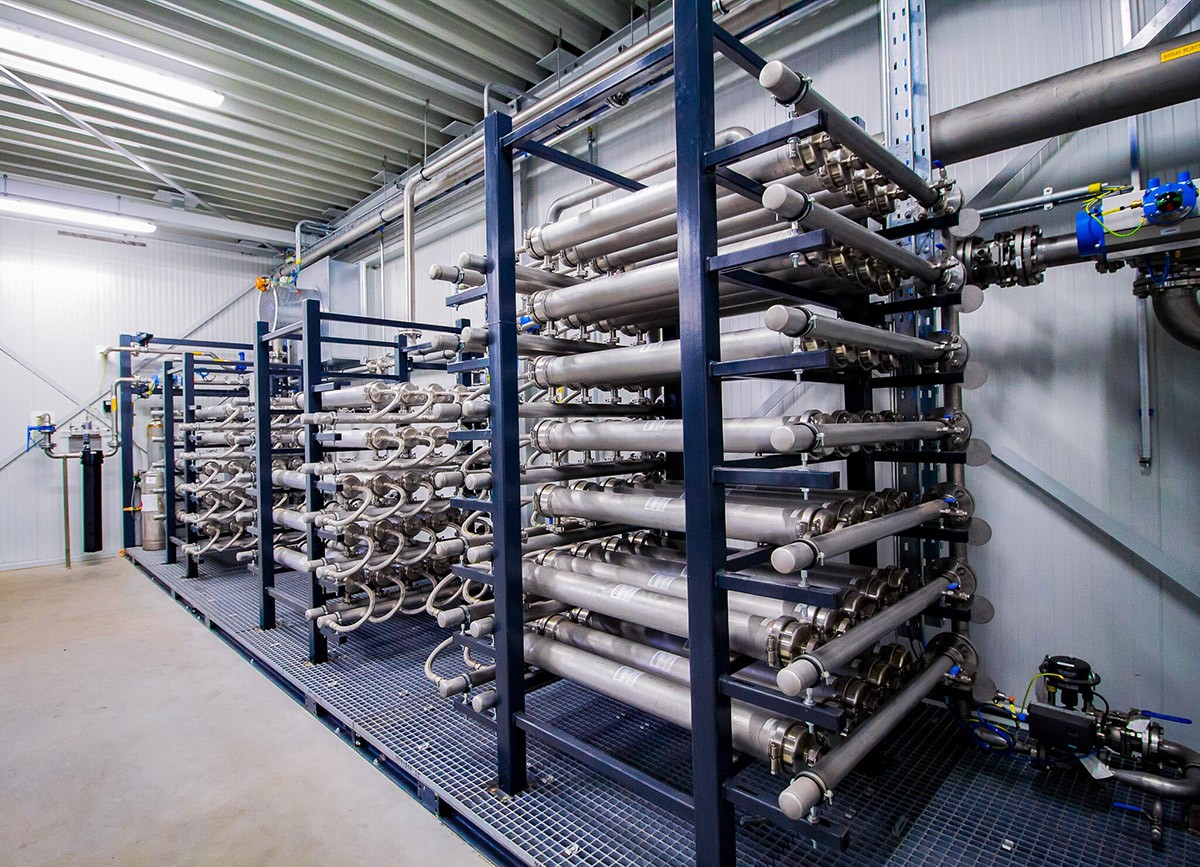
Vehicle Fuel: Compressor Biogas for Bio-CNG
Another growing market is bio-CNG for transportation. Here, a compressor biogas system compresses biomethane to 3,000-3,600 psi for dispensing into heavy-duty trucks, buses, or fleet vehicles. This requires a multi-stage compressor biogas design with efficient interstage cooling to handle the high pressure differential. Fast-fill stations use cascades of storage cylinders, with the compressor biogas refilling the cascade during off-peak hours. Time-fill stations, common for bus depots, use smaller compressor biogas units running longer periods. Both approaches depend on the compressor biogas operating reliably under frequent start-stop cycles.
Efficiency and Energy Consumption in Compressor Biogas Operations
Energy use is a major operating cost for any compressor biogas installation. Compression work follows thermodynamic laws; the power required depends on suction pressure, discharge pressure, and gas composition. Biogas and biomethane have different properties than natural gas, affecting compressor performance. Modern compressor biogas designs incorporate energy-saving features like variable speed drives, heat recovery from intercoolers, and low-pressure-drop valves. Some facilities use recovered heat from the compressor biogas to warm digesters or buildings, improving overall plant efficiency. Manufacturers now provide lifecycle cost analyses to help buyers choose the most economical compressor biogas for their specific conditions.
Safety Considerations for Compressor Biogas Installations
Handling flammable gas under pressure demands rigorous safety protocols. A compressor biogas package must include gas detection, flame arrestors, pressure relief valves, and emergency ventilation. In classified areas, the compressor biogas motor and controls must be rated for hazardous locations. Regular maintenance of the compressor biogas—checking seals, valves, and lubrication—prevents leaks that could lead to fires or explosions. International standards like ISO 13631 or API 618 guide the design of compressor biogas equipment for different regions. Buyers should verify that their compressor biogas supplier complies with local codes and provides adequate safety documentation.
Maintenance Practices to Extend Compressor Biogas Life
A well-maintained compressor biogas can operate for decades, but neglect leads to failures. Key maintenance tasks include changing oil and filters per manufacturer schedules, inspecting valves for wear, and monitoring vibration levels. For compressor biogas units handling raw gas, more frequent inspections of cylinders and pistons are needed due to potential corrosion. Remote monitoring systems now allow operators to track compressor biogas performance in real time, receiving alerts before minor issues become major breakdowns. Spare parts availability is another consideration when sourcing a compressor biogas from international suppliers—local stock can minimize downtime.
Economic Benefits of On-Site Compressor Biogas Use
For biogas plant owners, investing in a dedicated compressor biogas system can open new revenue streams. Instead of flaring excess gas or selling at low prices to a nearby user, a compressor biogas enables grid injection or direct vehicle fuel sales. These higher-value applications often pay back the compressor biogas investment within two to five years. Additionally, some regions offer renewable energy credits or carbon offsets for compressed biomethane used in transport, further improving the business case. For equipment manufacturers, highlighting these returns helps clients justify the upfront cost of a compressor biogas package.
International Trends in Compressor Biogas Technology
Globally, the compressor biogas market is evolving. Manufacturers are developing oil-free compressor biogas models to eliminate any risk of lubricant contamination in the gas stream. Compact, modular compressor biogas designs allow easier installation in retrofit projects. Digitalization brings smart controls that optimize compressor biogas operation based on gas availability and pricing signals. In developing countries, affordable compressor biogas units are enabling small-scale biogas upgrading for rural communities. As the biogas industry grows, the demand for reliable, efficient compressor biogas solutions will only increase.
Selecting a Supplier for Compressor Biogas Equipment
When sourcing a compressor biogas, buyers should evaluate potential suppliers on experience, service network, and compliance with standards. A reputable manufacturer will offer compressor biogas packages tailored to biogas and biomethane, not just adapted natural gas compressors. They should provide performance guarantees, commissioning support, and training for operators. Visiting existing compressor biogas installations and talking to other users can reveal real-world reliability. In the international biogas equipment field, long-term partnerships with compressor biogas suppliers ensure ongoing technical support and access to upgrades.
From farm-scale digesters to large landfill gas projects, the compressor biogas stands as an indispensable component of the renewable gas value chain. It enables clean biomethane to reach markets, power vehicles, and displace fossil fuels. For manufacturers and engineers in the biogas upgrading sector, mastering compressor biogas technology—selection, integration, and maintenance—is key to delivering successful projects. As the world shifts toward circular economies and decarbonized energy, the humble compressor biogas will continue to play a starring role behind the scenes.
Frequently Asked Questions
Q1: What is the main function of a compressor biogas system?
A1: A compressor biogas system increases the pressure of raw biogas or upgraded biomethane, making it suitable for pipeline injection, vehicle fueling, or storage. It is essential for transporting the gas from production to point of use.
Q2: Can I use a standard natural gas compressor for biogas?
A2: Not always. Biogas and biomethane may contain trace impurities like hydrogen sulfide or moisture that can corrode standard compressor components. A dedicated compressor biogas unit is designed with materials and seals that resist these contaminants, ensuring longer life and safer operation.
Q3: How do I size a compressor biogas for my plant?
A3: Sizing depends on your gas flow rate (in scfm or Nm³/h), required discharge pressure, and suction pressure. You also need to consider future expansion. Consult with a compressor biogas supplier who can model your specific conditions and recommend the right capacity and driver power.
Q4: What maintenance does a compressor biogas require?
A4: Routine maintenance includes oil and filter changes, valve inspections, checking belt tension (if applicable), and monitoring for leaks. The frequency depends on operating hours and gas cleanliness. A good compressor biogas supplier will provide a detailed maintenance schedule.
Q5: Is it better to compress before or after biogas upgrading?
A5: Both approaches have merits. Compressing before upgrading can improve the efficiency of some upgrading technologies, but exposes the compressor to corrosive raw gas. Compressing after upgrading protects the compressor but may require the upgrading system to operate at low pressure. Your equipment integrator can advise based on your specific process.
Q6: What safety features should a compressor biogas package include?
A6: Essential safety features include gas detection sensors, automatic shutdown on high temperature or pressure, pressure relief valves, flame arrestors on inlets and outlets, and proper ventilation. All electrical components in hazardous areas should be explosion-proof. Always ensure your compressor biogas meets local regulatory requirements.