


Compressed Biogas Plant: Driving the Future of Clean Energy with Advanced Upgrading Equipment
The global shift toward renewable energy has placed compressed biogas plant technology at the forefront of sustainable solutions. These facilities not only process organic waste but also upgrade raw biogas into high-purity fuel that can replace fossil natural gas. With increasing pressure to decarbonize transportation and industry, compressed biogas plants offer a practical path to reduce emissions while creating economic value from waste. Unlike traditional biogas setups, a compressed biogas plant incorporates purification and compression systems that deliver fuel meeting strict vehicle-grade standards. This article explores how these plants operate, their key components, benefits, and what the future holds for this rapidly growing sector.
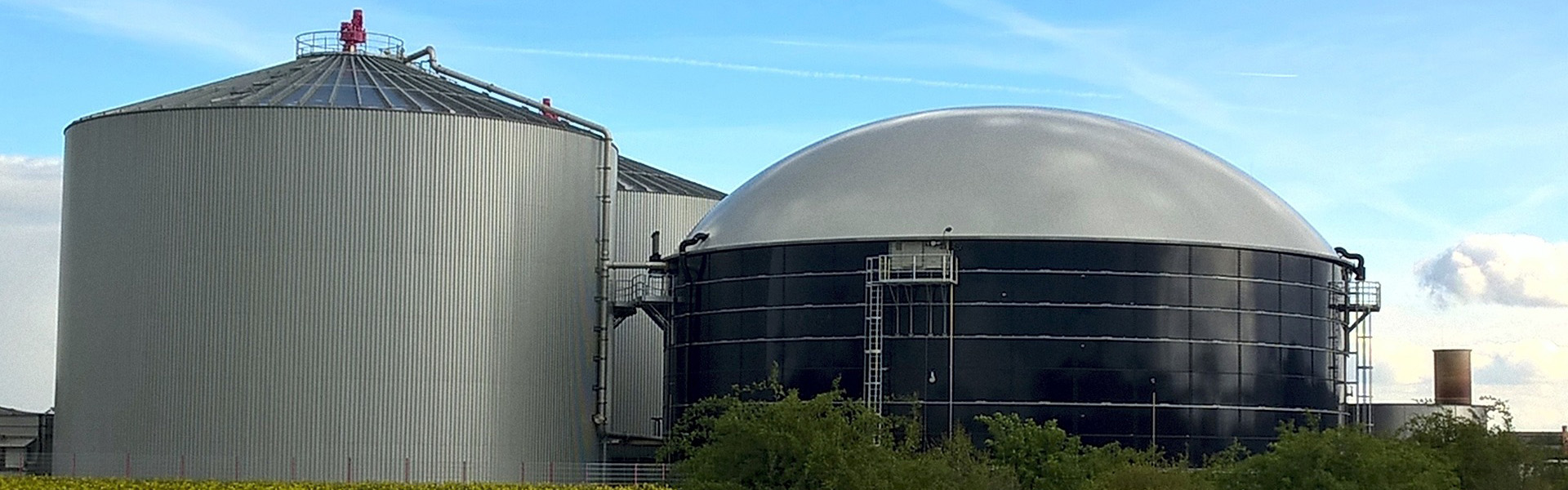
What Is a Compressed Biogas Plant and How Does It Work?
A compressed biogas plant is a facility that converts organic materials—such agricultural residue, municipal solid waste, or animal manure—into a clean, high-energy fuel. The process begins with anaerobic digestion, where microorganisms break down biomass in an oxygen-free environment, producing raw biogas composed mainly of methane and carbon dioxide. However, raw biogas cannot be used directly as vehicle fuel or injected into pipelines because of its impurities and low methane concentration.
In a compressed biogas plant, the raw gas undergoes upgrading. This step removes carbon dioxide, hydrogen sulfide, moisture, and other trace components, raising the methane content to above 90% or even 98%. After purification, the gas is compressed to high pressures—typically 200–250 bar—so it can be stored in cylinders or dispensed as bio-CNG. The entire process mirrors that of a natural gas compression station but uses a renewable feedstock. Many compressed biogas plants today employ membrane separation, pressure swing adsorption, or water scrubbing technologies to achieve the required purity levels. The end product is a versatile fuel that powers vehicles, heats buildings, or generates electricity with minimal carbon footprint.
Key Components of a Modern Compressed Biogas Plant
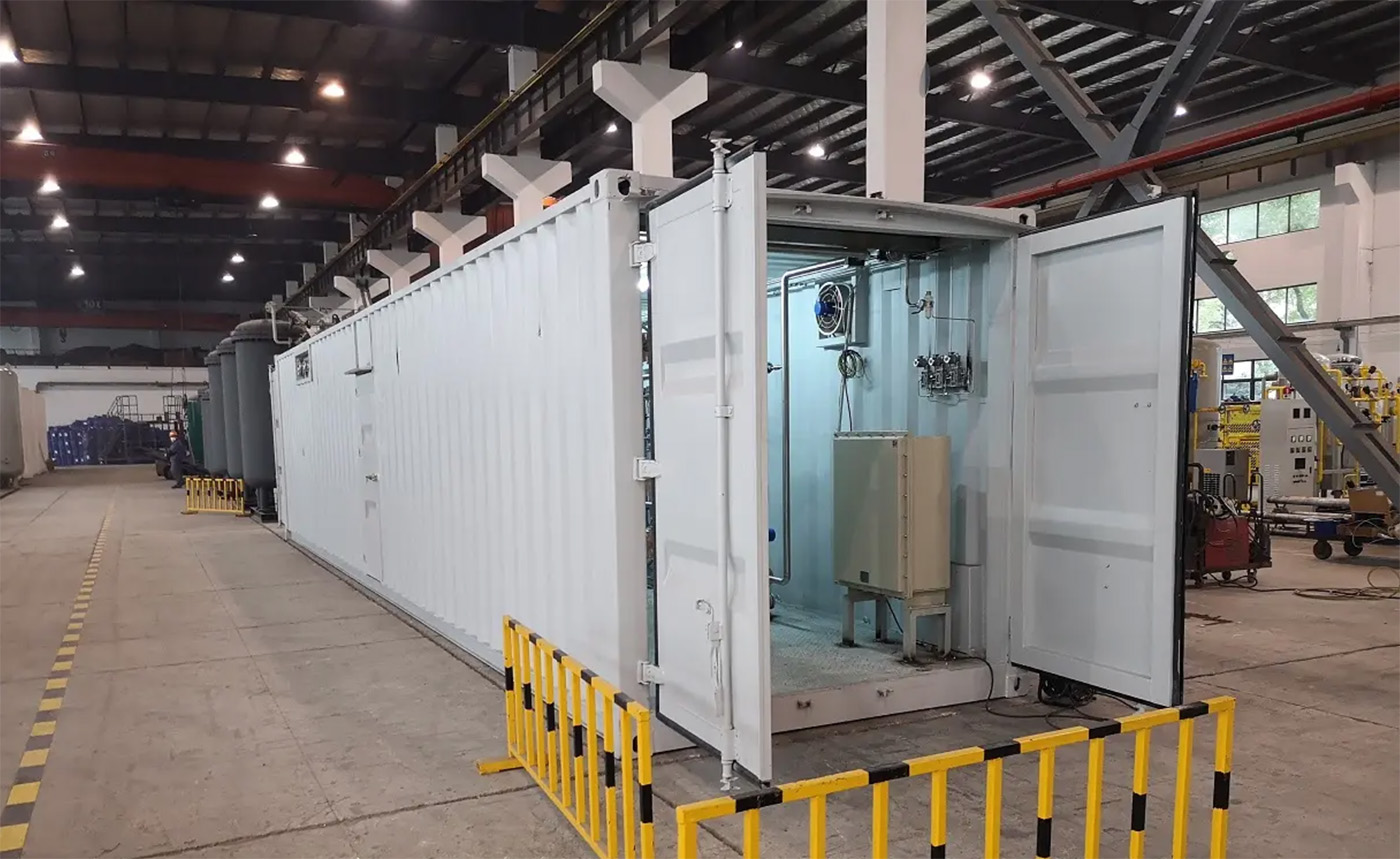
Building an efficient compressed biogas plant requires several integrated systems. First, the feedstock preparation unit ensures consistent material size and quality, which is vital for stable digestion. Then comes the anaerobic digester itself—often a continuous stirred-tank reactor or a plug-flow design—where biogas is generated over 20–40 days. The heart of a compressed biogas plant is its upgrading skid, which houses the purification equipment. Depending on the scale, this might include scrubbers, activated carbon filters, and compressors.
Gas storage is another critical element. Because biogas production is continuous but demand fluctuates, storage spheres or cascades buffer the supply. Finally, a dispensing system allows the compressed biogas to fill cylinders or be fed directly into vehicles. Modern compressed biogas plants also incorporate monitoring and control systems that optimize performance and ensure safety. Leading manufacturers in the international biogas upgrading equipment sector, such as those from Europe and North America, provide modular skids that simplify installation and scale-up. These components work in harmony to transform low-value waste into a high-value energy commodity.
Advantages of Setting Up a Compressed Biogas Plant
Investing in a compressed biogas plant brings multiple benefits to operators, communities, and the environment. Economically, it creates a revenue stream from waste that would otherwise incur disposal costs. Farmers, municipalities, and industries can sell the upgraded gas as vehicle fuel, which often fetches a higher price than raw biogas used for electricity. Moreover, a compressed biogas plant reduces dependence on imported fossil fuels, enhancing energy security.
Environmentally, the advantages are equally compelling. By capturing methane that would escape from landfills or open lagoons, these plants prevent a potent greenhouse gas from reaching the atmosphere. When the compressed biogas is burned in vehicles, it releases biogenic carbon dioxide—part of the natural carbon cycle—rather than fossil carbon. Many compressed biogas plants also produce digestate, a nutrient-rich byproduct that can replace synthetic fertilizers. In regions with strict emission regulations, such facilities help meet renewable energy targets and qualify for carbon credits. The circular economy model inherent in a compressed biogas plant appeals to both green investors and policy makers.
Applications of Compressed Biogas in Various Industries
The output from a compressed biogas plant finds use across multiple sectors. In transportation, it serves as a drop-in replacement for compressed natural gas (CNG) in buses, trucks, and even passenger cars. Fleet operators increasingly adopt bio-CNG to lower their carbon footprint while maintaining the same range and performance. Several cities in Europe and India have already converted their public transport fleets to run on fuel from compressed biogas plants.
Industrial applications are also growing. Factories use compressed biogas for process heating, replacing furnace oil or coal. In the agricultural sector, the gas can power irrigation pumps or dry crops. Some compressed biogas plants are connected to natural gas grids, injecting the upgraded methane after odorization. This allows households and businesses to use renewable gas without modifying appliances. Additionally, the captured carbon dioxide from the upgrading process can be sold for use in greenhouses or beverage carbonation, adding another revenue stream. As technology advances, the versatility of compressed biogas continues to expand, making it an attractive option for diverse end users.
Economic and Environmental Impact of Compressed Biogas Plants
From an economic perspective, a compressed biogas plant stimulates local employment. Construction requires engineers, equipment suppliers, and labour, while ongoing operations need technicians and collection crews for feedstock. In rural areas, these plants provide a new market for agricultural residues, boosting farm income. The financial viability of a compressed biogas plant depends on factors like feedstock cost, government subsidies, and the selling price of the fuel. However, with rising fossil fuel prices and carbon taxes, many projects achieve attractive returns.
Environmentally, the impact is profound. Lifecycle assessments show that replacing diesel with compressed biogas can reduce greenhouse gas emissions by 70–90% per kilometre. Moreover, diverting organic waste from landfills cuts methane emissions and reduces leachate problems. A well-designed compressed biogas plant also contributes to soil health through digestate application, closing the nutrient loop. As countries commit to net-zero targets, the role of such plants becomes even more critical. They offer a scalable solution that can be deployed quickly compared to other renewable technologies like large hydro or offshore wind.
Challenges and Solutions in Compressed Biogas Plant Implementation
Despite its promise, setting up a compressed biogas plant comes with hurdles. Feedstock availability and consistency can be problematic—seasonal variations in crop residues or contamination in municipal waste may disrupt operations. To mitigate this, plant operators often establish long-term contracts with multiple suppliers and invest in pre-treatment equipment. Another challenge is the high capital cost of upgrading and compression systems. However, declining equipment prices and innovative financing models, such as public-private partnerships, are making projects more accessible.
Regulatory barriers also exist. In some regions, unclear policies on bio-CNG pricing or grid injection slow down adoption. Industry associations and equipment manufacturers are working with governments to standardize specifications and create supportive frameworks. Technical issues, like methane slip during upgrading, require careful design to minimize losses. Leading compressed biogas plant designers now incorporate closed-loop systems that capture and recycle any escaped methane. By addressing these challenges head-on, the sector continues to mature and attract investment.
Future Trends in Compressed Biogas Technology
The compressed biogas plant industry is evolving rapidly. One trend is the integration of power-to-gas concepts, where excess renewable electricity is used to produce hydrogen that is then combined with biogas to increase methane yield. Another is the development of small-scale, containerized plants that can be deployed in remote locations or at farms, making the technology more decentralized. Digitalization also plays a role: remote monitoring and AI-based process control optimize digestion and upgrading, boosting efficiency and reducing downtime.
In the equipment manufacturing space, companies are focusing on lower-cost membranes and more durable compressors. The push for carbon neutrality is driving interest in bio-LNG (liquefied biogas), which requires additional cryogenic cooling but offers even higher energy density for long-haul transport. As a result, some compressed biogas plants are being designed with future expandability to include liquefaction. International collaboration is growing, with technology transfer from Europe to Asia and the Americas. These developments ensure that the compressed biogas plant will remain a cornerstone of the bioeconomy for decades.
The compressed biogas plant represents a mature yet still advancing solution for turning organic waste into a premium renewable fuel. By combining anaerobic digestion with state-of-the-art upgrading and compression, these facilities deliver environmental benefits, energy independence, and economic returns. Whether for vehicle fleets, industrial heating, or grid injection, the output from a compressed biogas plant fits seamlessly into existing infrastructure. As equipment costs fall and policies strengthen, more regions will likely embrace this technology. For stakeholders in the international biogas upgrading equipment sector, the coming years promise growth and innovation. Adopting a compressed biogas plant is not just a business decision—it is a commitment to a cleaner, more sustainable future.
Frequently Asked Questions
Q1: What is the difference between a biogas plant and a compressed biogas plant?
A1: A conventional biogas plant produces raw biogas that is typically used for on-site electricity or heat generation. In contrast, a compressed biogas plant includes additional purification and compression units that remove impurities and raise the methane content to over 90%, allowing the gas to be used as vehicle fuel or injected into natural gas grids. The compression step also enables storage in cylinders, similar to CNG.
Q2: How much does it cost to build a compressed biogas plant?
A2: The cost varies widely based on capacity, technology, and location. A small-scale plant processing 5–10 tonnes of feedstock per day might cost $1–3 million, while larger facilities handling 100+ tonnes can exceed $20 million. Key expenses include digesters, upgrading equipment, compression systems, and grid connection. Government subsidies and carbon credits can significantly reduce the net investment.
Q3: What are the main feedstocks used in a compressed biogas plant?
A3: Common feedstocks include agricultural residues (crop stalks, husks), animal manure, food waste, sewage sludge, and organic fractions of municipal solid waste. Some plants also use energy crops like maize silage, though waste-based feedstocks are preferred for sustainability and lower cost. The choice depends on local availability and seasonal consistency.
Q4: Is a compressed biogas plant profitable for small-scale farmers?
A4: Profitability depends on factors like feedstock cost, access to markets, and available incentives. Small-scale plants (e.g., 0.5–2 tonnes per day) can be viable if the farmer uses the gas for own vehicles or sells to nearby fleets. Cooperative models, where multiple farmers share a single compressed biogas plant, often improve economics by pooling resources and securing offtake agreements.
Q5: What government policies support compressed biogas plant development?
A5: Many countries offer feed-in tariffs, tax exemptions, capital subsidies, or renewable fuel mandates. In India, the SATAT initiative promotes bio-CNG by offering guaranteed purchase and financial assistance. The European Union’s Renewable Energy Directive sets targets for advanced biofuels. In the US, the Renewable Fuel Standard generates D3 RINs for cellulosic biofuel, providing a valuable credit. Checking local regulations is essential for project planning.
Q6: How does compressed biogas compare to CNG in terms of performance?
A6: Compressed biogas that meets vehicle-grade specifications (typically >95% methane) is chemically identical to fossil CNG. Therefore, it performs exactly the same in engines—same energy content, range, and power. The only difference is its renewable origin, which results in a much lower carbon footprint. Vehicles need no modifications to run on bio-CNG from a compressed biogas plant.