


News
We'll get back to you as soon as possible.
Compressed Biogas: The Renewable Fuel Transforming Waste into Energy
The global energy landscape is shifting, and compressed biogas has emerged as a leading contender in the race toward decarbonization. Unlike traditional fossil fuels, this upgraded form of biogas offers a clean, sustainable alternative that can power vehicles, heat homes, and support industrial processes. But what exactly makes compressed biogas so valuable? It starts with organic waste—agricultural residue, food scraps, or manure—which is processed through anaerobic digestion and then purified to remove impurities. The result is a high-methane fuel that performs identically to natural gas but with a fraction of the carbon footprint. For industries and governments seeking energy independence, compressed biogas represents a practical solution that turns local waste into a valuable resource. As equipment manufacturers refine upgrading technologies, the accessibility and efficiency of this fuel continue to improve, making it a cornerstone of the circular economy.
What Exactly Is Compressed Biogas?
Compressed biogas is purified biogas that has been compressed to high pressures, typically between 200 and 250 bar, for use as a vehicle fuel or for injection into natural gas grids. The raw biogas produced from anaerobic digestion contains 50–70% methane, with the remainder being carbon dioxide, hydrogen sulfide, and trace gases. Through upgrading processes like membrane separation, water scrubbing, or pressure swing adsorption, the methane concentration rises to over 90%. Once compressed, this fuel becomes bio-CNG, a direct substitute for fossil compressed natural gas.
The key distinction between raw biogas and compressed biogas lies in its energy density and purity. Raw biogas cannot be used in most engines because impurities cause corrosion and incomplete combustion. After upgrading and compression, however, it meets stringent fuel standards. Many countries now classify compressed biogas as an advanced biofuel, recognizing its ability to reduce lifecycle emissions by up to 90% compared to diesel or gasoline. For fleet operators and industries, this means adopting a renewable fuel without modifying existing equipment.
How Compressed Biogas Is Produced
The journey from organic waste to compressed biogas involves several stages. First, feedstock is collected and prepared. This might include shredding crop residues, mixing food waste, or handling manure slurries. The material then enters an anaerobic digester, where microorganisms break it down in an oxygen-free environment over 20 to 40 days. This produces raw biogas along with a nutrient-rich digestate that can be used as fertilizer.
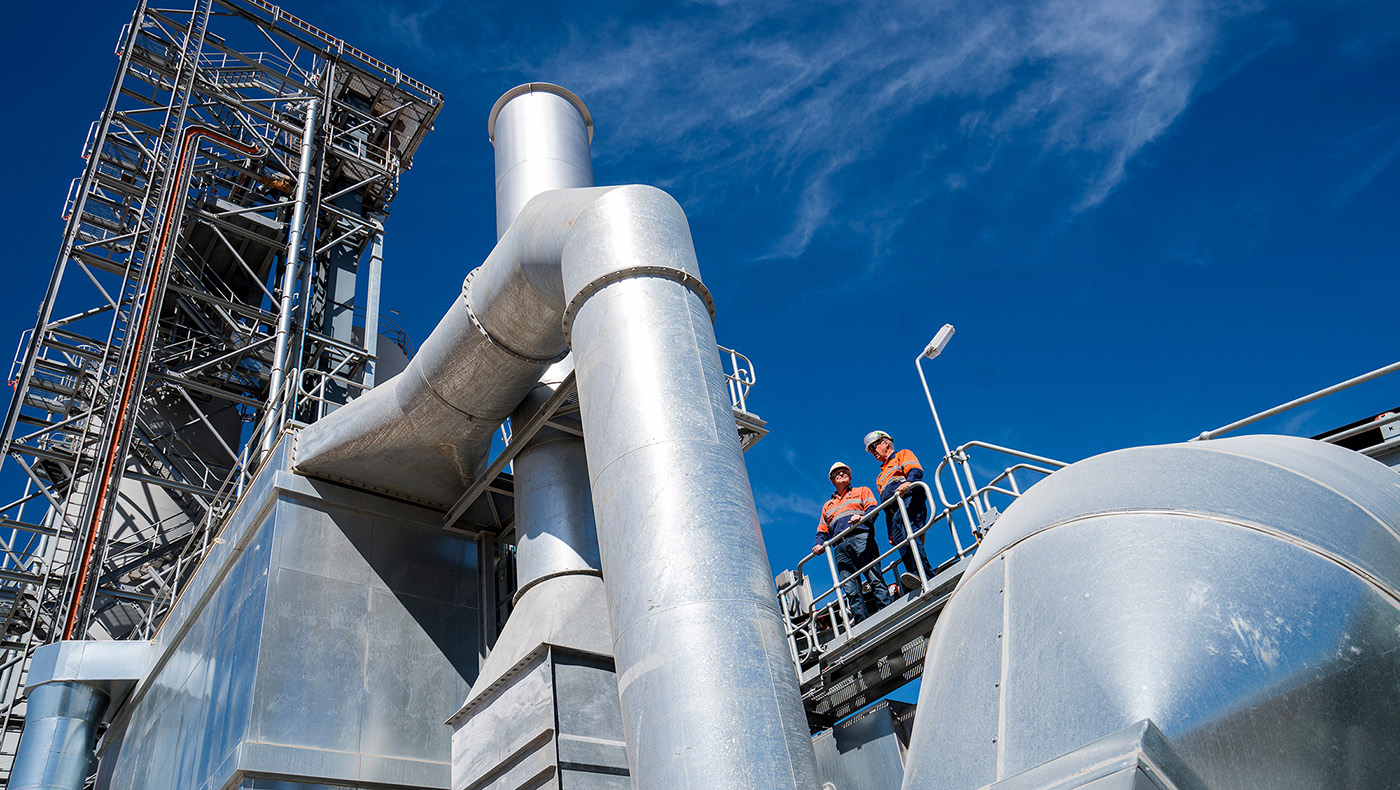
Next comes the upgrading phase, which is the heart of producing compressed biogas. The raw gas passes through purification systems that strip out carbon dioxide, hydrogen sulfide, moisture, and volatile organic compounds. Membrane technology is popular because it separates gases efficiently with minimal moving parts. Water scrubbing uses pressurized water to absorb CO2, while pressure swing adsorption relies on specialized materials to trap impurities. After purification, the methane-rich gas is compressed to high pressures. This step not only enables storage and transport but also gives compressed biogas its name. The final product is stored in cascades or cylinders, ready for dispensing.
Applications of Compressed Biogas Across Industries
Transportation remains the largest market for compressed biogas. Buses, trucks, and taxis running on bio-CNG benefit from lower fuel costs and reduced emissions. In cities like New Delhi and Stockholm, public transport fleets have successfully adopted compressed biogas, demonstrating its reliability in daily operations. Unlike electric vehicles, which face range limitations for heavy-duty use, compressed biogas offers the same range and refueling speed as fossil CNG.
Industrial applications are also expanding. Factories use compressed biogas for process heating, replacing coal or furnace oil. The cement and steel industries, hard-to-abate sectors, are exploring co-firing with compressed biogas to lower their carbon intensity. In agriculture, the fuel powers irrigation pumps and grain dryers, reducing dependence on diesel. Some compressed biogas is even liquefied to produce bio-LNG for marine and long-haul trucking, where energy density matters most. As upgrading equipment becomes more efficient, the cost of producing compressed biogas continues to fall, opening new markets.
Environmental Benefits of Switching to Compressed Biogas
The environmental case for compressed biogas is compelling. When organic waste decomposes in landfills or open lagoons, it releases methane—a greenhouse gas 28 times more potent than CO2. Capturing that methane and converting it into compressed biogas prevents those emissions while displacing fossil fuel use. The entire lifecycle, from feedstock collection to combustion, results in net-negative or near-neutral carbon emissions.
Using compressed biogas in vehicles also reduces particulate matter and nitrogen oxide emissions compared to diesel. This improves local air quality, particularly in urban areas with heavy traffic. Additionally, the digestate produced during anaerobic digestion returns nutrients to the soil, reducing the need for synthetic fertilizers. For farmers, this closes the loop: crops feed the digester, and the digester feeds the crops. With global pressure to meet Paris Agreement targets, compressed biogas offers a scalable solution that works within existing infrastructure.
Economic Viability of Compressed Biogas Projects
From a financial standpoint, compressed biogas projects make sense for several reasons. Feedstock costs are often low or negative, as waste generators pay to have material removed. Revenue comes from selling the fuel, receiving government subsidies, and trading carbon credits. In markets like Europe and India, policies such as the SATAT initiative guarantee offtake at stable prices, reducing investment risk.
The capital costs for producing compressed biogas have declined as technology matures. Membrane prices have dropped, and modular upgrading skids simplify installation. A medium-scale facility producing 5–10 tons of compressed biogas per day might cost $5–10 million, with payback periods of five to eight years under favorable conditions. Larger plants benefit from economies of scale. Moreover, the fuel itself commands a premium in markets with renewable fuel mandates. As natural gas prices fluctuate, compressed biogas provides a stable, locally sourced alternative.
Challenges Facing Compressed Biogas Adoption
Despite its advantages, compressed biogas faces hurdles. Feedstock availability can be inconsistent—seasonal crops, weather events, or competing uses for waste may disrupt supply. Long-term contracts with multiple suppliers help mitigate this, but logistics remain complex. Another issue is methane slip during upgrading, where small amounts of unburned methane escape. While modern equipment minimizes this, it remains an operational concern.
Infrastructure gaps also limit growth. Refueling stations for compressed biogas are sparse in many regions, though this is changing as governments invest in alternative fuel corridors. Grid injection requires pipeline connections and gas quality monitoring, adding upfront costs. Policy uncertainty in some countries discourages private investment. However, industry associations and equipment manufacturers are working to standardize specifications and advocate for stable regulations. Overcoming these barriers will unlock the full potential of compressed biogas.
Quality Standards and Testing for Compressed Biogas
To ensure safe and efficient use, compressed biogas must meet strict quality parameters. Methane content should exceed 90%, with minimal oxygen, hydrogen sulfide, and moisture. Dew point control is critical to prevent freezing in high-pressure cylinders. International standards like ISO 13686 or national specifications such as IS 16087 in India provide guidelines.
Testing occurs at multiple stages. Raw biogas is analyzed to optimize digester performance. After upgrading, gas chromatographs verify methane purity and detect contaminants. Continuous monitoring systems in compressed biogas dispensing units ensure that fuel delivered to vehicles meets specifications. Equipment manufacturers play a key role here, supplying sensors and control systems that maintain quality. For end users, certified fuel guarantees engine performance and longevity.
Future Outlook for Compressed Biogas
The future looks bright for compressed biogas. Technological advancements continue to lower costs and improve efficiency. Research into biological methanation, where hydrogen from renewable electricity is combined with CO2 to produce additional methane, could boost yields. Small-scale, containerized upgrading units are making compressed biogas accessible to farms and small communities.
Policy support is also strengthening. The European Union's Renewable Energy Directive sets binding targets for advanced biofuels. In the United States, the Renewable Fuel Standard creates a market for cellulosic biofuel credits. Developing countries in Asia and Africa see compressed biogas as a way to improve waste management and energy access simultaneously. As these trends converge, compressed biogas is poised to play a major role in the global energy mix. For stakeholders in the upgrading equipment sector, this means sustained demand and opportunities for innovation.
Compressed biogas represents a mature yet evolving solution for decarbonizing transportation, industry, and heating. By upgrading raw biogas into a high-purity fuel, it delivers environmental benefits, energy security, and economic returns. Whether used in city buses, factory boilers, or rural generators, compressed biogas performs reliably while reducing greenhouse gas emissions. The technology exists, the feedstocks are abundant, and the policy framework is improving. For those seeking a practical path to sustainability, compressed biogas offers a compelling answer. As more projects come online and equipment costs decline, this renewable fuel will likely become a fixture in the global energy landscape.
Frequently Asked Questions
Q1: What is the difference between compressed biogas and CNG?
A1: Compressed biogas and compressed natural gas (CNG) are chemically similar—both consist mainly of methane and are compressed to high pressures for use as fuel. The key difference lies in their origin. CNG is extracted from fossil fuel reserves, while compressed biogas is produced from organic waste through anaerobic digestion and upgrading. In terms of performance, vehicles cannot tell the difference, but the carbon footprint of compressed biogas is significantly lower.
Q2: Can compressed biogas be used in existing natural gas vehicles?
A2: Yes, vehicles designed to run on CNG can use compressed biogas without any modifications. Because the fuel meets the same purity and methane content standards, engines operate identically. This compatibility makes compressed biogas an easy drop-in replacement for fleets and individual vehicle owners.
Q3: How much does compressed biogas cost compared to diesel or gasoline?
A3: The price varies by region and feedstock availability, but compressed biogas is often 20–40% cheaper than diesel on an energy-equivalent basis. Government subsidies and carbon credits can further reduce the cost. Unlike fossil fuels, compressed biogas prices are more stable because they depend on local waste streams rather than global oil markets.
Q4: What feedstocks are used to make compressed biogas?
A4: A wide range of organic materials can be used, including agricultural residues (crop stalks, husks), animal manure, food waste, sewage sludge, and industrial organic byproducts. The choice depends on local availability and the design of the digestion system. Waste-based feedstocks are preferred because they offer disposal cost savings and environmental benefits.
Q5: Is compressed biogas really carbon-neutral?
A5: While no fuel is perfectly carbon-neutral, compressed biogas comes very close. The carbon dioxide released during combustion is biogenic, meaning it was originally captured from the atmosphere by plants. When considering the full lifecycle—including feedstock collection, processing, and transport—compressed biogas typically reduces greenhouse gas emissions by 70–90% compared to fossil fuels. Preventing methane release from waste adds to the climate benefit.
Q6: What are the storage requirements for compressed biogas?
A6: Compressed biogas is stored in high-pressure cylinders or cascades made of steel or composite materials. These vessels are similar to those used for CNG and must meet safety standards for pressure rating and burst resistance. Storage facilities require proper ventilation and leak detection systems. For vehicle refueling, dispensers control the flow and ensure safe transfer.
Q7: How does the production of compressed biogas help farmers?
A7: Farmers benefit in multiple ways. They can sell or supply crop residues and manure to biogas plants, creating an additional income stream. The digestate produced during biogas generation is a high-quality fertilizer that reduces the need for purchased synthetic inputs. Some farmers also use compressed biogas to power equipment, lowering their operational costs.