


News
We'll get back to you as soon as possible.
Compressed Bio Gas Plant: How It Works, Key Benefits, and Latest Technologies
The global push for decarbonisation has brought renewable energy solutions into the spotlight, and among them the compressed bio gas plant stands out as a practical, scalable option. These facilities take organic waste—agricultural residues, municipal garbage, or industrial by-products—and transform it into a clean, compressed fuel that can replace fossil natural gas. For professionals in the international biogas upgrading equipment manufacturing sector, the compressed bio gas plant represents the convergence of advanced purification technology and environmental responsibility. Whether you are a project developer, a policymaker, or simply curious about green energy, understanding how these plants operate and what they offer is essential.
In this article we will walk through the inner workings of a modern compressed bio gas plant, the equipment that makes it possible, its real‑world applications, and the factors driving its global adoption. We’ll also look at what the future holds for this technology and answer some common questions.
What Is a Compressed Bio Gas Plant?
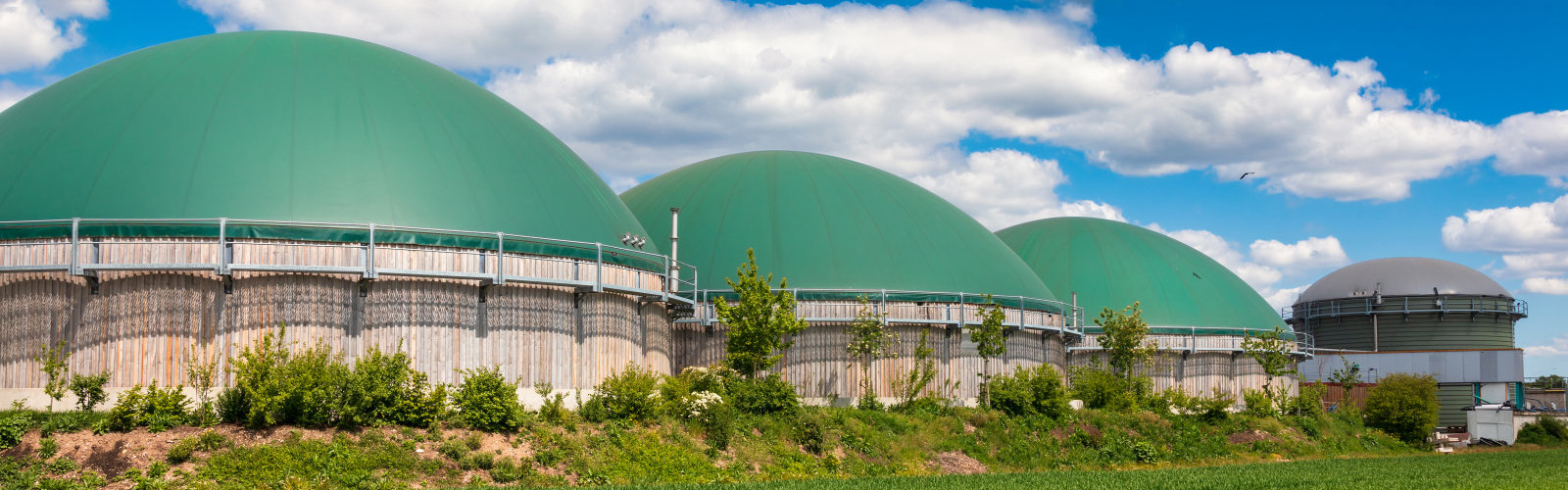
At its core, a compressed bio gas plant is a facility that upgrades raw biogas—produced by the anaerobic digestion of organic matter—into biomethane, and then compresses it for use as a vehicle fuel or for injection into natural gas grids. Raw biogas typically contains 50–70% methane, with the rest being carbon dioxide, traces of hydrogen sulphide, and moisture. To turn it into high‑quality fuel, these impurities must be removed.
The upgrading process is the heart of any compressed bio gas plant. International equipment manufacturers have developed several technologies for this step, including pressure swing adsorption (PSA), membrane separation, and water scrubbing. Once purified to over 95% methane, the gas is compressed to pressures around 200–250 bar so it can be stored and transported. The result is a renewable fuel with the same properties as compressed natural gas (CNG), but with a significantly lower carbon footprint.
Core Equipment in a Modern Compressed Bio Gas Plant
Building an efficient compressed bio gas plant requires a carefully integrated set of components. Each part must be reliable and tailored to the specific feedstock and output requirements. Here are the main sections:
Biogas Upgrading Systems
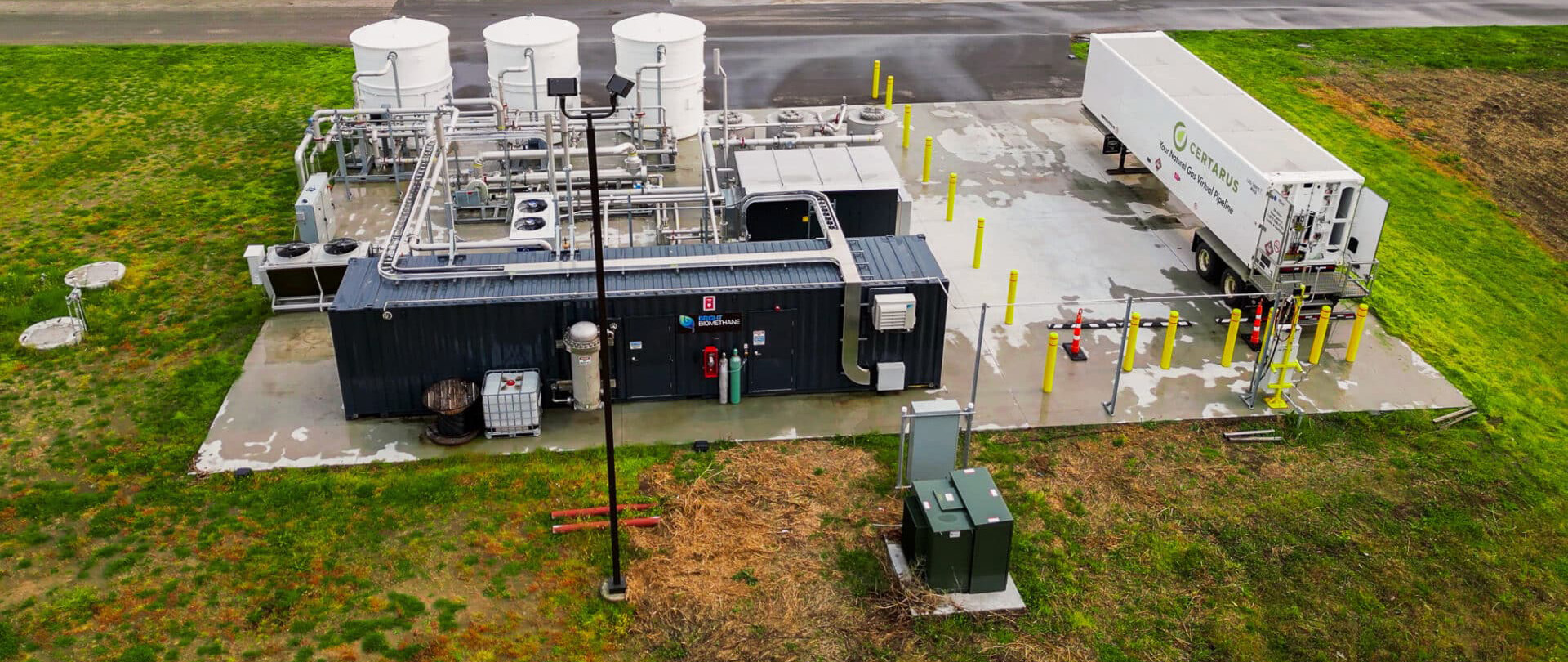
The choice of upgrading technology influences the overall performance of the plant. Membrane systems are popular for their simplicity and low energy consumption. PSA units use adsorbent materials to capture CO₂, while water scrubbing relies on the different solubilities of gases. Leading equipment suppliers now offer modular skid‑mounted units that reduce installation time and costs.
Gas Compression Units
After upgrading, the biomethane enters a multi‑stage compressor. These compressors are designed to handle pure, dry gas and must meet strict safety standards. The compression stage also includes cooling and drying to prevent condensation during storage.
Storage and Dispensing
Compressed bio gas is stored in cascades of high‑pressure cylinders. From there it can be dispensed directly into vehicles or transported via tube trailers. Some compressed bio gas plant designs also include connection points for grid injection, allowing surplus gas to feed into the local pipeline network.
Pre‑treatment and Desulphurisation
Before upgrading, raw biogas often requires cleaning to remove hydrogen sulphide and siloxanes, which can damage equipment. Biological or activated carbon filters are commonly used.
All these elements must work together seamlessly, which is why the engineering expertise of international equipment manufacturers is so critical. They provide not only hardware but also process design, automation, and after‑sales support.
Why Invest in a Compressed Bio Gas Plant?
The business case for building a compressed bio gas plant has strengthened in recent years thanks to policy support, rising fossil fuel prices, and corporate sustainability goals. Here are the main drivers:
Revenue from multiple streams: A plant can generate income from gate fees for accepting waste, from selling the upgraded gas, and from digestate (the nutrient‑rich residue) used as fertiliser.
Decarbonisation credits: Compressed bio gas qualifies for renewable energy certificates and carbon credits in many jurisdictions, adding a valuable revenue layer.
Energy independence: For farms, municipalities, and industries, producing their own fuel reduces exposure to volatile natural gas markets.
Waste management solution: Organic waste that would otherwise rot in landfills and emit methane is instead captured and turned into a useful product.
Many countries have introduced blending mandates or subsidies for biomethane, making the financial returns of a compressed bio gas plant increasingly attractive. In India, for example, the SATAT initiative aims to set up thousands of such plants to produce fuel for the transport sector.
Diverse Applications of Compressed Bio Gas Plants
The flexibility of compressed bio gas means it can replace fossil natural gas in almost any application. Some of the most common uses include:
Transportation Fuel
Compressed bio gas is an excellent fuel for fleets of buses, trucks, and taxis. It burns cleaner than diesel, reduces particulate emissions, and is often cheaper. Many cities are now converting their public transport to run on bio‑CNG produced at a local compressed bio gas plant.
Grid Injection
Where pipeline infrastructure exists, upgraded biomethane can be injected directly into the natural gas grid. This allows it to be used for heating, cooking, or industrial processes without any modification to end‑user equipment.
Industrial Heat
Industries that require steady, high‑temperature heat—such as ceramics, food processing, or textiles—can replace furnace oil or LPG with compressed bio gas. This not only cuts emissions but also helps meet corporate sustainability targets.
Power Generation
While less common than direct fuel use, some plants use compressed bio gas in generators to produce electricity, especially in off‑grid locations or as a backup power source.
The Importance of High‑Quality Upgrading Equipment for Compressed Bio Gas Plants
The upgrading section is the most technically demanding part of any compressed bio gas plant. Its efficiency determines the purity of the final product, the methane loss rate, and the overall operating cost. International equipment manufacturers continuously refine their designs to achieve higher recovery rates (often above 99.5%) and lower energy consumption.
Membrane technology, for instance, has advanced with new polymer materials that resist fouling and last longer. PSA systems now incorporate advanced valves and control algorithms that adapt to varying inlet gas compositions. Water scrubbing units have become more compact thanks to improved column packing.
When sourcing equipment for a compressed bio gas plant, buyers should look for proven track records, local service support, and compliance with international standards like ISO or ASME. The reliability of the upgrading skid often dictates the plant’s uptime and profitability.
Key Considerations When Planning a Compressed Bio Gas Plant
Developing a successful project involves more than just buying equipment. Several factors must be evaluated early:
Feedstock availability and consistency: The plant needs a steady supply of organic material with predictable methane potential. Agricultural waste, food processing residues, and source‑separated organics are common choices.
Site location: Proximity to feedstock sources, gas users, and the natural gas grid reduces transport costs. Land availability and permitting requirements also play a role.
Financing and incentives: Many governments offer capital subsidies, low‑interest loans, or tax breaks for renewable gas projects. Understanding these can improve the business model.
Technology selection: Each upgrading technology has its pros and cons. Membrane systems are simple, PSA offers high purity, and water scrubbing is robust. Pilot tests or vendor references can guide the choice.
Offtake agreements: Securing a buyer for the compressed bio gas—whether a fleet operator, an industrial user, or a utility—before construction reduces risk.
Experienced developers often work with engineering firms that specialise in compressed bio gas plant design to ensure all these aspects are addressed.
Future Trends in Compressed Bio Gas Plant Development
The compressed bio gas sector is evolving rapidly, driven by innovation and the need to decarbonise hard‑to‑abate sectors. Some trends to watch:
Small‑scale, decentralised plants: New compact upgrading units make it feasible to build compressed bio gas plants on farms or small communities, reducing the need for long‑distance waste transport.
Integration with carbon capture: Some projects now add CO₂ liquefaction units to capture the separated carbon dioxide for use in greenhouses or the food industry.
Digital monitoring and control: IoT sensors and AI‑based optimisation help plant operators maximise uptime and quickly detect performance issues.
Green hydrogen blending: Research is under way on combining biomethane with green hydrogen to produce synthetic methane or to adjust gas quality.
As these technologies mature, the cost of producing compressed bio gas is expected to fall further, making it competitive with fossil fuels even without subsidies.
The compressed bio gas plant is no longer a niche concept—it is a proven, bankable solution for turning organic waste into valuable renewable fuel. With the right combination of feedstock, upgrading equipment, and market access, these facilities deliver environmental and economic benefits. For the international biogas upgrading equipment manufacturing community, the focus remains on improving efficiency, reducing costs, and adapting to diverse local conditions. Whether you are considering your first project or looking to expand an existing operation, the time to explore compressed bio gas plant technology is now. It offers a clear path toward a circular economy, lower emissions, and energy security.
Frequently Asked Questions About Compressed Bio Gas Plants
Q1: What is the difference between biogas and compressed bio gas?
A1: Biogas is the raw gas produced from anaerobic digestion; it contains methane along with carbon dioxide and impurities. Compressed bio gas, also known as bio‑CNG, is biogas that has been purified to remove CO₂ and other contaminants, then compressed to high pressure so it can be used as a vehicle fuel or injected into gas grids. Essentially, compressed bio gas is the upgraded, high‑methane version of raw biogas.
Q2: What types of organic waste can feed a compressed bio gas plant?
A2: A wide range of feedstocks can be used, including agricultural residues (crop stubble, animal manure), food processing waste, municipal organic waste, and dedicated energy crops. The key is that the material must be biodegradable and have a consistent supply. Many plants also accept industrial by‑products like glycerine or spent grains from breweries.
Q3: How much does it cost to set up a compressed bio gas plant?
A3: Costs vary significantly depending on plant size, technology, and location. A small‑scale unit (say, 2–5 tonnes of waste per day) might cost between $1 million and $3 million, while larger commercial plants can exceed $15 million. The upgrading equipment typically accounts for 30–40% of the total investment. Incentives and subsidies can substantially reduce the net cost.
Q4: What is the typical payback period for a compressed bio gas plant?
A4: Payback periods depend on feedstock availability, gas selling price, and operational efficiency. In favourable conditions with steady revenue from gate fees, gas sales, and fertiliser, many projects achieve payback in 5 to 7 years. Some well‑designed plants in markets with high fuel prices or strong subsidies can recover their investment even sooner.
Q5: Is the technology for compressed bio gas plants mature and reliable?
A5: Yes, the core technologies—anaerobic digestion, biogas upgrading, and high‑pressure compression—have been used commercially for decades. Today’s equipment is highly reliable, with many manufacturers offering performance guarantees. Regular maintenance and proper feedstock management are essential to ensure long‑term reliability, but the sector has a proven track record worldwide.