


7 Key Benefits of CBG Biogas for Transportation, Industry, and the Environment
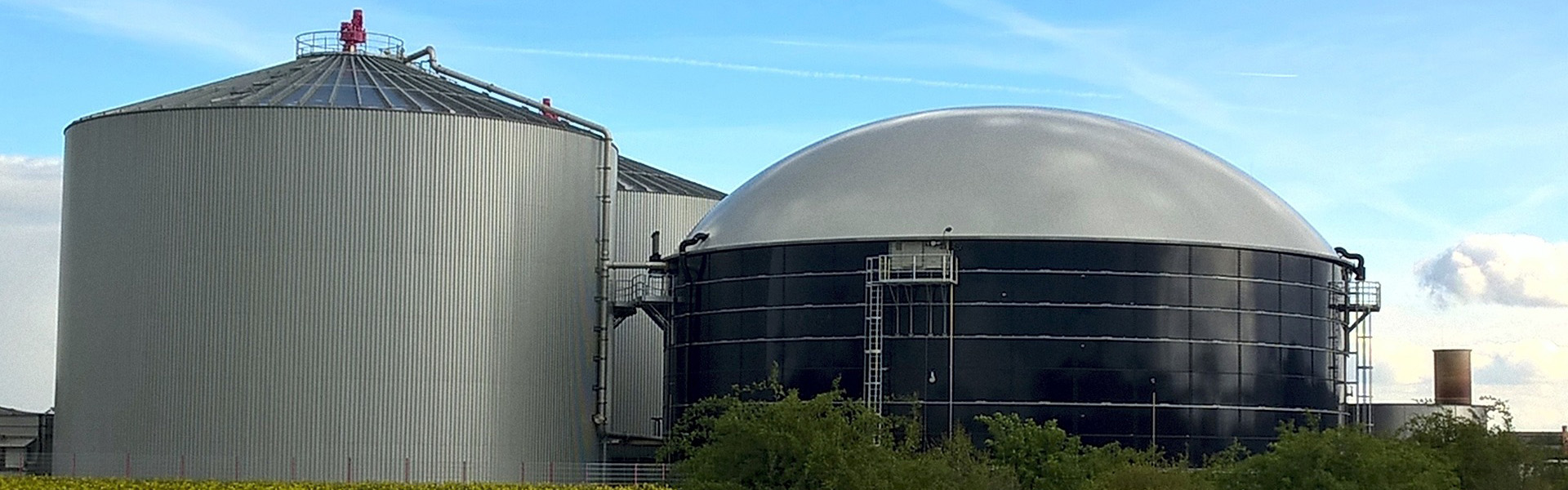
The energy landscape is shifting rapidly, and one of the most promising developments in the renewable gas sector is the rise of cbg biogas. Short for Compressed Biogas, cbg biogas refers to purified and compressed biomethane derived from organic waste sources. It is chemically similar to compressed natural gas (CNG) but comes from a renewable origin. For professionals in the international biogas upgrading equipment manufacturing field, cbg biogas represents both a technical achievement and a commercial opportunity.
Unlike raw biogas, which has limited applications due to its impurities, cbg biogas can directly replace fossil fuels in vehicles, industrial heating, and power generation. Its production involves sophisticated upgrading systems—membrane separation, pressure swing adsorption, or water scrubbing—that remove carbon dioxide, hydrogen sulphide, and moisture. The result is a high-purity methane fuel that burns cleanly and fits seamlessly into existing gas infrastructure.
In this article we break down seven distinct benefits of cbg biogas, exploring why governments, corporations, and communities are investing heavily in this technology. We also look at the role of upgrading equipment in making cbg biogas a reliable, scalable energy solution. Whether you are evaluating a new project or simply tracking industry trends, understanding these advantages will give you a clearer picture of where the market is headed.
1. Cleaner Fuel for the Transportation Sector
Transportation accounts for a significant share of global carbon emissions. Diesel and petrol engines release particulate matter, nitrogen oxides, and carbon dioxide. Switching to cbg biogas cuts these pollutants dramatically. Vehicles running on cbg biogas produce near-zero particulate emissions and significantly lower NOx levels compared to diesel.
Many fleet operators have already made the switch. City buses, garbage trucks, and commercial fleets now operate on cbg biogas in countries like Sweden, India, and Germany. The fuel works in existing CNG engines without modifications, making adoption straightforward. For equipment manufacturers, this growing demand translates into more orders for upgrading skids and compression units.
Refuelling infrastructure for cbg biogas is also expanding. Dedicated dispensing stations or shared CNG stations with dedicated cbg biogas supply are becoming more common. This trend supports the circular economy by turning local organic waste into transport fuel.
2. Waste-to-Wealth Model for Municipalities and Farmers
One of the strongest selling points of cbg biogas is its ability to turn problematic waste into a valuable asset. Agricultural residues, food waste, animal manure, and even landfill leachate can feed the anaerobic digesters that produce raw biogas. After upgrading, the resulting cbg biogas generates revenue.
For farmers, a cbg biogas plant offers an additional income stream. They can process crop stubble or manure that might otherwise be burned or left to decompose. Municipalities reduce the volume of waste sent to landfill while producing fuel for their own fleets. The digestate left after biogas production serves as a high-quality organic fertiliser, closing the nutrient loop.
This waste-to-wealth approach aligns with global circular economy goals. It also reduces methane emissions from uncontrolled decomposition, which is a potent greenhouse gas. Capturing that methane and converting it into cbg biogas delivers a double climate benefit.
3. Energy Independence and Security
Countries that rely heavily on imported natural gas face price volatility and supply risks. cbg biogas offers a domestic alternative. Because it is produced locally from organic waste, it reduces dependence on foreign fossil fuels. Even a modest network of cbg biogas plants can contribute to national energy security.
For industrial users, having a local source of cbg biogas insulates them from global gas market fluctuations. Long-term purchase agreements with plant operators provide price stability. This is especially valuable in energy-intensive industries like ceramics, steel processing, or food manufacturing.
The equipment that makes cbg biogas possible—upgrading membranes, compressors, and storage systems—is now manufactured in multiple regions. This further reduces supply chain risks and supports local job creation.
4. High-Quality Organic Fertiliser as a Co-Product
When discussing cbg biogas, the focus is usually on the gas itself. But the process also produces a valuable co-product: digestate. This nutrient-rich material comes from the anaerobic digestion tank after the biogas has been extracted. It contains nitrogen, phosphorus, potassium, and organic matter that improve soil health.
Farmers using digestate from a cbg biogas plant often report reduced need for synthetic fertilisers. This cuts their input costs and lowers the carbon footprint of their crops. The digestate can be separated into liquid and solid fractions, making it easier to transport and apply.
For plant operators, selling digestate adds another revenue stream. Some even process it further into bagged fertiliser products. In this way, a cbg biogas facility becomes a multi-output enterprise, maximising value from every tonne of feedstock.
5. Ready for Grid Injection
Natural gas grids are extensive in many parts of the world. cbg biogas, once upgraded to pipeline specifications, can be injected directly into these networks. This allows it to reach millions of homes and businesses without building new infrastructure.
Grid injection requires that the cbg biogas meets strict quality standards. This is where high-performance upgrading equipment becomes essential. Membranes or PSA systems must remove CO₂ to below 2–3% and eliminate moisture and trace contaminants. Odorisation may also be required for safety.
Several European countries already blend significant amounts of cbg biogas into their grids. France, for example, has set targets to increase biomethane injection sharply by 2030. In North America, pilot projects are exploring how cbg biogas from farms and landfills can feed into local pipelines.
6. Industrial Decarbonisation Made Practical
Industries that require high-temperature heat have few clean alternatives to fossil fuels. Electrification is difficult for processes like kilns, furnaces, or dryers. cbg biogas offers a drop-in replacement for natural gas, LPG, or even coal in some cases.
A factory switching to cbg biogas can often use its existing burners with minimal adjustment. The fuel provides the same energy density and combustion characteristics as fossil methane. This makes decarbonisation faster and less capital-intensive than switching to entirely new systems.
For equipment manufacturers, this industrial demand opens new markets. Food processing plants, brick kilns, and textile mills are all potential customers for cbg biogas. Partnering with upgrading technology providers helps these industries secure a reliable, green fuel supply.
7. Job Creation and Rural Development
Building and operating cbg biogas plants creates jobs across the value chain. Construction workers, engineers, plant operators, and maintenance technicians are all needed. Feedstock collection also employs local people, from farmers to waste hauliers.
Rural areas benefit especially. A cbg biogas plant can become an economic anchor, providing steady income for farms and supporting local service industries. It also encourages better waste management practices, reducing open dumping or burning.
As the industry grows, so does demand for specialised equipment. Membrane skids, compressors, and control systems are increasingly manufactured locally in some regions, further boosting employment. Governments recognising these benefits often offer incentives for cbg biogas projects.
How Upgrading Equipment Shapes CBG Biogas Quality
The value of cbg biogas depends entirely on its purity. Raw biogas contains 40–50% CO₂, plus hydrogen sulphide and moisture. Burning this directly would damage engines and pipelines. Upgrading removes these components, raising methane content to 95% or more.
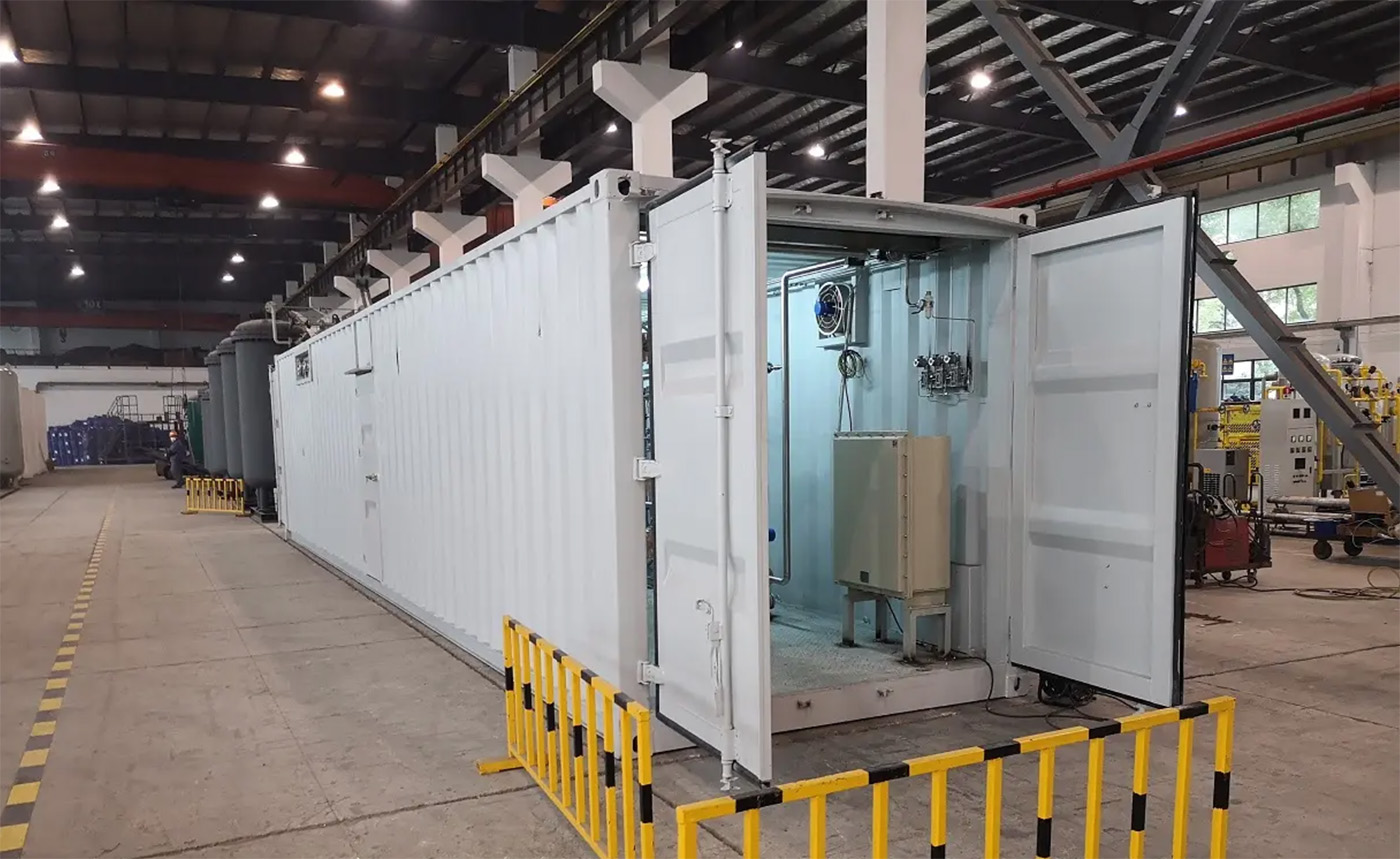
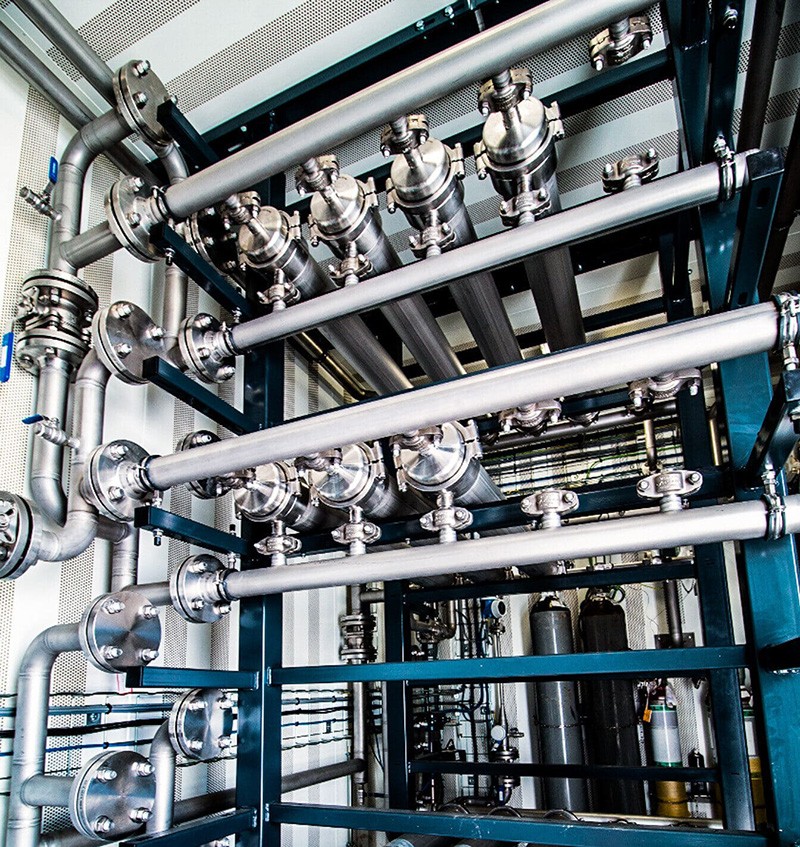
International equipment manufacturers have refined several upgrading methods. Membrane systems use selective permeability to separate methane from CO₂. Pressure swing adsorption (PSA) relies on materials that trap CO₂ at high pressure. Water scrubbing dissolves CO₂ in water under pressure. Each has its strengths, and the choice depends on project scale, feedstock, and local conditions.
Modern cbg biogas plants also incorporate sophisticated control systems. Sensors monitor gas composition in real time, adjusting process parameters automatically. This ensures consistent quality even when feedstock varies. Remote monitoring allows manufacturers to support plants worldwide, diagnosing issues before they cause downtime.
Key Considerations for Setting Up a CBG Biogas Plant
Developers planning a cbg biogas facility need to evaluate several factors:
Feedstock security: Long-term contracts with waste suppliers ensure steady operation.
Grid connection: If injecting into pipelines, proximity to the grid reduces connection costs.
End-user agreements: Having buyers lined up for the gas improves financing terms.
Technology selection: Pilot tests or vendor references help choose the right upgrading system.
Permitting and incentives: Understanding local regulations and support schemes is essential.
Experienced engineering firms can guide developers through these steps. They also handle integration between digesters, upgrading units, and compression systems. A well-designed cbg biogas plant operates reliably for decades with proper maintenance.
The Future of CBG Biogas
The coming years will likely see continued expansion of cbg biogas capacity. Policy support in the European Union, India, and parts of the Americas is driving investment. Technological improvements are lowering costs and increasing recovery rates.
We may also see integration with other sectors. Some projects now combine cbg biogas production with carbon capture, turning the separated CO₂ into food-grade gas or synthetic fuels. Others are exploring co-digestion of multiple feedstocks to boost gas yields.
For equipment manufacturers, the focus remains on efficiency, reliability, and adaptability. Plants must handle varying feedstock compositions and operate in diverse climates. Advances in materials science and automation will keep pushing performance higher.
cbg biogas offers a practical path to decarbonising transport, industry, and heating while solving waste management challenges. Its benefits extend from cleaner air to rural job creation, and the technology to produce it is mature and proven. For companies involved in upgrading equipment, the growing demand for cbg biogas represents a sustained opportunity. As more projects come online worldwide, the sector will continue to refine its processes and deliver fuel that meets the highest standards. Whether you are a policymaker, investor, or engineer, understanding the full potential of cbg biogas is essential for navigating the energy transition.
Frequently Asked Questions About CBG Biogas
Q1: What exactly is CBG biogas?
A1: cbg biogas stands for Compressed Biogas. It is produced by purifying raw biogas from anaerobic digestion to remove carbon dioxide, hydrogen sulphide, and moisture. The resulting gas, which is over 95% methane, is then compressed to high pressure for use as a renewable fuel in vehicles, industry, or for injection into natural gas grids.
Q2: How is CBG biogas different from CNG?
A2: Compressed Natural Gas (CNG) is a fossil fuel extracted from underground reserves. cbg biogas is a renewable fuel made from organic waste such as agricultural residues, food waste, or manure. Once upgraded, both fuels are chemically very similar (mostly methane) and can be used interchangeably in the same vehicles and equipment.
Q3: What types of waste can be used to produce CBG biogas?
A3: A wide variety of organic materials work well. Common feedstocks include crop stubble, animal manure, food processing waste, municipal organic waste, and industrial by‑products like glycerol. The key requirements are that the material is biodegradable and available in consistent quantities.
Q4: Is CBG biogas really carbon-neutral?
A4: The combustion of cbg biogas releases CO₂, but that carbon was originally captured from the atmosphere by plants during photosynthesis. This makes the overall cycle nearly carbon-neutral, especially when compared to fossil fuels. Additionally, producing cbg biogas prevents methane emissions from uncontrolled waste decomposition, which is a powerful greenhouse gas.
Q5: What equipment is needed to produce CBG biogas?
A5: A complete plant includes an anaerobic digester, a biogas upgrading system (such as membranes, PSA, or water scrubbers), gas compressors, high‑pressure storage vessels, and often a dispensing unit for vehicle refuelling or a grid injection station. Pre‑treatment equipment for removing hydrogen sulphide and moisture is also required.
Q6: What are the main challenges in operating a CBG biogas plant?
A6: Maintaining a consistent feedstock supply is one of the biggest operational factors. Feedstock composition can vary, affecting gas production and upgrading efficiency. Proper maintenance of upgrading membranes or adsorbents is also critical to avoid downtime. Finally, securing stable long‑term buyers for the gas is essential for profitability.
Q7: Are there government incentives for CBG biogas projects?
A7: Yes, many countries offer support. In India, the SATAT initiative provides subsidies and purchase guarantees. The European Union’s Renewable Energy Directive encourages biomethane production. The United States offers tax credits and renewable fuel standards that benefit cbg biogas producers. Incentives vary by region, so local research is recommended.