


Biomethane Plant Cost & Feasibility: A 2026 Market Analysis
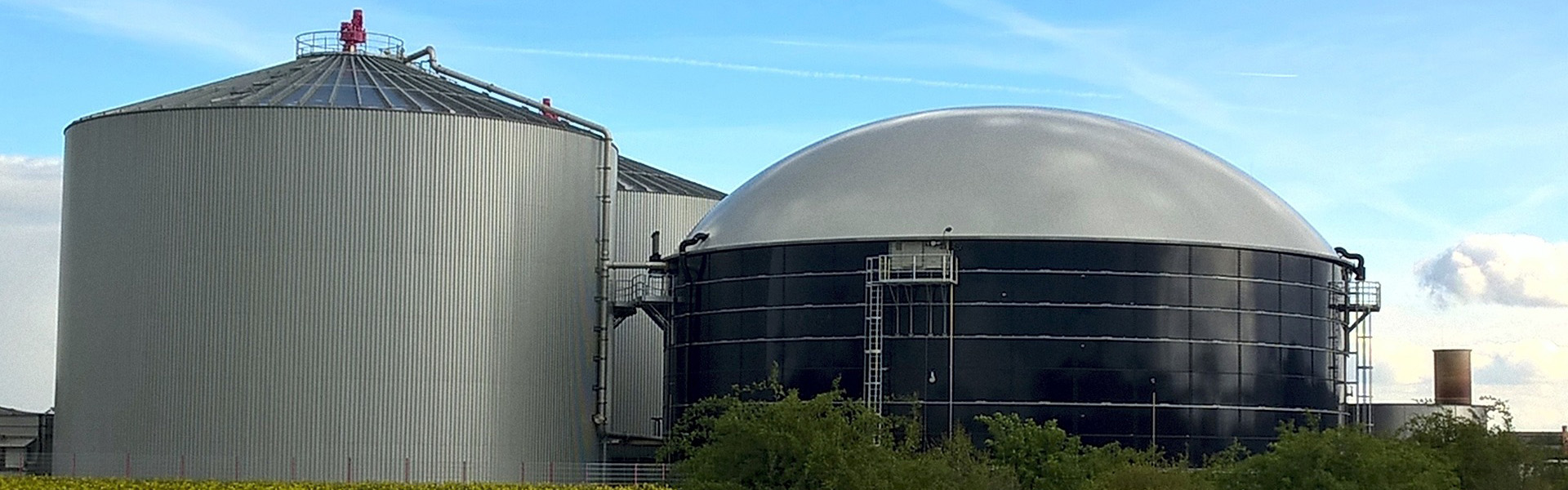
The global shift toward renewable energy has placed biomethane plant technology at the forefront of the biogas upgrading sector. For project developers and investors, understanding the economics behind these facilities is critical. A biomethane plant transforms raw biogas from anaerobic digestion into a high-purity gas that can be injected into national grids or used as vehicle fuel. This article breaks down the current costs, technological requirements, and return-on-investment scenarios for these systems in 2026.
Why Biomethane Upgrading Equipment Matters Now
Energy security concerns across Europe and North America have accelerated the demand for domestic renewable gas production. Upgrading equipment manufacturers are seeing a surge in orders as farms, landfills, and wastewater treatment facilities look to monetize their biogas streams. Unlike simple combustion for electricity, biomethane production offers a higher-value end product with multiple revenue streams.
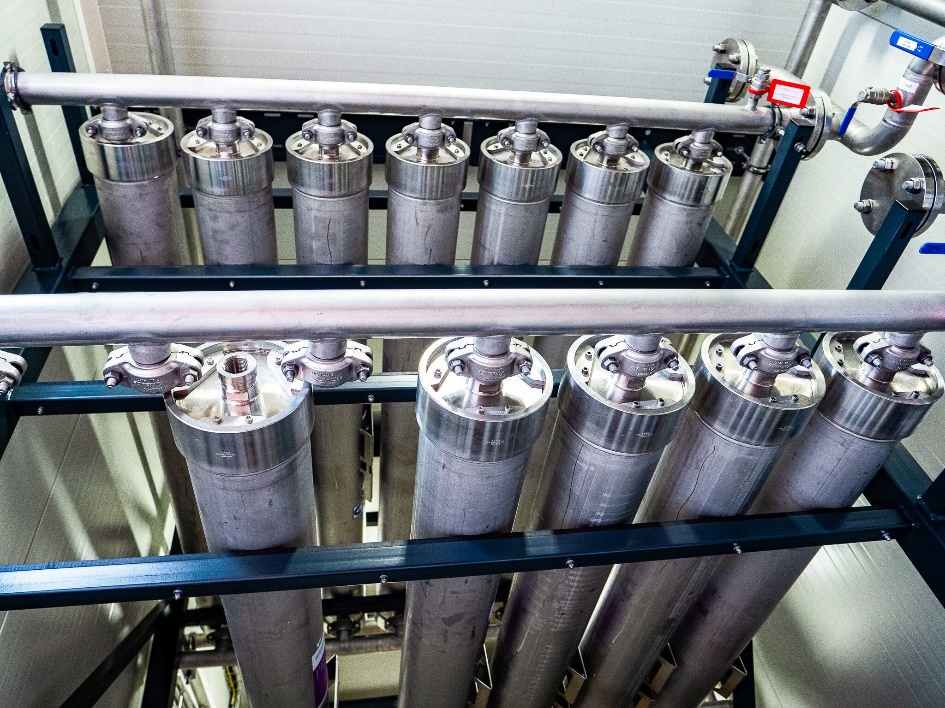
The equipment used in a biomethane plant has evolved significantly over the past five years. Membrane separation technology now dominates the market due to its lower energy consumption and smaller footprint. Water scrubbers remain popular in areas with high water availability, while pressure swing adsorption (PSA) systems are preferred for specific gas compositions.
Key Cost Drivers for a New Biomethane Plant
When budgeting for a biogas upgrading facility, several factors influence the final price tag. Equipment manufacturers typically quote based on capacity, measured in normal cubic meters per hour (Nm³/h). A small-scale unit processing 100 Nm³/h of raw biogas will cost considerably less per cubic meter than a large industrial installation.
Feedstock Quality and Pre-Treatment Needs
Raw biogas composition varies wildly depending on the feedstock. Landfill gas often contains siloxanes and VOCs that damage upgrading membranes. Agricultural biogas may have high hydrogen sulfide levels. A biomethane plant must include pre-treatment steps to protect the core upgrading equipment. These additional components can add 15-25% to the overall project cost.
Grid Injection Requirements
Injecting biomethane into a natural gas network is technically complex. Grid operators impose strict specifications for gas quality, pressure, and odorization. The connection point often requires metering stations, compression, and safety systems. These balance of plant costs are frequently underestimated by first-time developers.
Technology Comparison: Membrane vs. Water Scrubbing
Equipment manufacturers offer two primary technologies for new projects. Membrane systems use selective permeation to separate methane from carbon dioxide. They are compact, skid-mounted, and require no chemicals or water discharge permits. A modern membrane-based biomethane plant can achieve methane purities above 98% with methane loss below 0.5%.
Water scrubbing remains relevant for specific applications. High-pressure water absorbs CO2 while methane passes through. The water is then flashed in a separate vessel to release the CO2. This technology handles dirty gas better than membranes but consumes significant electricity for pumping. Operational costs for water scrubbers are typically higher unless waste heat is available for regeneration.
Site Selection and Infrastructure
Location decisions directly impact project economics. A biomethane plant needs three things: a consistent biogas supply, access to the gas grid or a vehicle fueling station, and utility connections. Rural sites often require new power lines or gas pipelines, adding months to the construction timeline.
Proximity to the biogas source matters less than pipeline access. Gas can be transported short distances in low-pressure lines, but grid injection points are fixed. Some projects have failed because the distance to the grid connection made pipeline construction uneconomical. Site planners should engage with grid operators during the feasibility stage.
Operational Expenses and Maintenance
Once operational, a biomethane plant incurs regular costs that affect profitability. Electricity consumption is the largest variable expense. Membrane systems use compressors to raise biogas pressure, typically consuming 0.2-0.3 kWh per Nm³ of raw gas processed. Water scrubbers use additional pumps, pushing consumption toward 0.4 kWh.
Maintenance contracts with equipment manufacturers provide peace of mind but add fixed annual costs. Membrane modules require replacement every 5-8 years, representing a significant capital expense. Activated carbon filters for H2S removal need changing every few months. Operators must budget for these consumables from day one.
Revenue Streams for Biomethane Producers
The business case for a biomethane plant rests on multiple income sources. Renewable energy certificates or guarantees of origin command premium prices in voluntary markets. Vehicle fuel applications benefit from tax incentives in many jurisdictions. Grid injection allows producers to sell gas directly to utilities or industrial users.
Digestate, the byproduct of anaerobic digestion, gains value when separated. The liquid fraction can be used as fertilizer, while the solid fraction becomes bedding material or soil amendment. Some biomethane plant operators report that digestate sales cover 10-15% of their operating costs.
Financing Options and Incentive Programs
Government support remains crucial for project viability. The European Union's RePowerEU plan includes targets for biomethane production, unlocking funding through member states. In the United States, the Inflation Reduction Act provides tax credits for renewable natural gas projects. These incentives can reduce payback periods from ten years to five.
Private investors now view biomethane plant projects as infrastructure assets with predictable returns. Energy majors are acquiring existing facilities and developing new ones to meet corporate sustainability goals. Project developers should explore off-take agreements with creditworthy counterparties before approaching lenders.
Future Trends in Upgrading Technology
Equipment manufacturers continue to innovate. Electrified membrane systems eliminate the need for natural gas-fired heaters, reducing operational carbon footprints. Cryogenic upgrading separates CO2 as a liquid, enabling carbon capture and storage or utilization. These advanced systems command higher capital costs but offer additional revenue through carbon credits.
Digital monitoring platforms now come standard with new installations. Remote diagnostics allow manufacturers to optimize performance and predict maintenance needs. A modern biomethane plant generates data on every aspect of operation, from methane slip to compressor vibration. This information helps operators maximize uptime and profitability.
Environmental Permitting and Compliance
Permitting timelines often determine project success. A biomethane plant requires environmental permits for air emissions, water discharge, and sometimes waste handling. The regulatory landscape varies by jurisdiction, but common requirements include noise studies, traffic impact assessments, and odor management plans.
Grid connection agreements involve technical negotiations. Gas network operators may require additional equipment to protect pipeline integrity. These discussions can take six months or longer, so starting early is essential. Some projects have secured all permits only to stall during grid connection talks.
The biomethane industry is entering a phase of rapid expansion driven by policy support and private capital. A well-designed biomethane plant converts organic waste into a valuable energy resource while reducing greenhouse gas emissions. Success requires careful technology selection, realistic cost estimation, and early engagement with regulators and grid operators. As equipment costs decline and carbon markets mature, the financial case for biomethane production continues to strengthen.
Frequently Asked Questions
Q1: What is the typical cost range for a biomethane plant?
A1: Small-scale systems processing 100 Nm³/h of raw biogas start around $1.5 million USD, including upgrading equipment and grid connection. Larger industrial facilities handling 1000+ Nm³/h can exceed $10 million. These figures exclude the anaerobic digestion front-end, which adds 30-50% to total project costs.
Q2: Can a biomethane plant operate without grid injection?
A2: Yes, biomethane can be compressed into CNG for vehicle fueling or liquefied into LBG for heavy transport. Some facilities use biomethane in on-site combined heat and power units. However, grid injection typically offers the highest revenue potential due to stable pricing and large demand volumes.
Q3: How long does it take to build a biomethane plant?
A3: Construction typically requires 12-18 months from breaking ground to commissioning. Permitting adds 6-24 months depending on location and regulatory complexity. Equipment manufacturing lead times currently extend to 8-10 months due to high global demand.
Q4: What happens to the CO2 removed during upgrading?
A4: Most biomethane plants vent the separated CO2 to atmosphere. Emerging projects capture this CO2 for greenhouse enrichment, beverage carbonation, or conversion into synthetic fuels. Carbon capture adds capital costs but may qualify for additional tax credits.
Q5: Is biomethane production profitable without subsidies?
A5: Profitability depends on local gas prices, feedstock costs, and scale. Large facilities with low-cost waste inputs can achieve positive returns in markets with high natural gas prices. Most projects still rely on renewable energy certificates or tax incentives to meet investor return requirements.