


News
We'll get back to you as soon as possible.
7 Key Benefits of Installing a Modern Biogas Unit on Your Farm
In the global shift towards renewable energy, farmers and industrial waste managers are constantly seeking efficient ways to turn waste into wealth. For the past decade, the biogas unit has evolved from a simple waste digester into a sophisticated piece of engineering. Today, upgrading to a modern system isn't just about being eco-friendly; it’s about financial sense and operational efficiency. If you are in the agricultural sector or manage organic waste, understanding the capabilities of a high-efficiency biogas unit is crucial for staying competitive.

What Exactly is a Modern Biogas Unit?
Before diving into the benefits, we need to clarify what we mean by a modern biogas unit. Gone are the days of simple concrete pits covered with tarpaulin. Today’s systems are prefabricated, modular, and often equipped with digital monitoring tools. They are designed to handle specific feedstocks, from maize silage to food waste, and convert them into usable energy with minimal manual intervention.
1. The Significant Reduction in Operational Costs
One of the most immediate benefits farmers notice after installing a biogas unit is the drop in their monthly energy bills. By generating your own power and heat, you become less dependent on the volatility of the national grid.
Electricity Generation: The gas produced runs a generator to power your farm.
Heat Recovery: The excess heat can be used to warm barns or greenhouses.
Fuel Savings: For larger operations, upgraded gas can even fuel farm vehicles.
When you run the numbers, a properly sized biogas unit often pays for itself within three to five years, purely on energy savings alone.
2. Turning Waste Management into a Revenue Stream
Traditionally, disposing of manure, slaughterhouse waste, or expired crops costs money. With a biogas unit, that waste becomes the raw material for profit. Instead of paying for disposal, you are feeding your energy plant. Furthermore, in many regions, you can sell excess electricity back to the grid. This transforms a cost center into a profit center, making the investment in a biogas unit a strategic financial decision for the long haul.
3. Producing High-Quality Biofertilizer
The digestion process in a biogas unit doesn't destroy nutrients; it transforms them. The material that comes out of the digester—known as digestate—is a potent, odor-reduced fertilizer. It is richer in ammonium nitrogen than raw manure, meaning crops can uptake it more easily. Farmers using digestate from a biogas unit often report reduced spending on chemical fertilizers while improving soil structure and organic matter content.
4. Enhancing Energy Independence
Energy security is a hot topic globally. For farms and factories, relying on external power sources is a risk. A dedicated biogas unit provides a constant, reliable source of energy. Unlike solar or wind, biogas production is consistent. It doesn't stop when the sun goes down or the wind stops blowing. This base-load power capability ensures that your operations continue smoothly, protecting you from energy price spikes and supply interruptions.
5. Significant Environmental and Carbon Benefits
Installing a biogas unit is one of the most effective ways to lower your carbon footprint. When manure decomposes naturally, it releases methane directly into the atmosphere—a gas 25 times more potent than CO2. By capturing that methane in a sealed biogas unit and burning it for energy, you convert it into CO2, which is significantly less harmful. This process alone can make a farm carbon neutral or even carbon negative.
6. Odor Control and Improved Working Conditions
Ask any livestock farmer, and they will tell you that spreading raw manure creates a smell that can be felt miles away. This leads to complaints from neighbors and a less pleasant working environment. A biogas unit changes that. The anaerobic digestion process breaks down the volatile organic compounds that cause the stench. The resulting digestate has a much milder, earthy smell. This makes spreading schedules more flexible and keeps the peace with the surrounding community.
7. Scalability and Modular Design
Modern biogas unit manufacturers focus on scalability. You don't need to be a massive industrial farm to benefit. Many companies now offer modular units that can be installed in phases. You can start small, processing only your current waste, and then add additional tank capacity or upgrading equipment as your operation grows. This flexibility ensures that the biogas unit grows with your business, protecting your initial investment.
Key Components of a High-Performance System
To ensure your biogas unit operates at peak efficiency, it relies on several critical components. Upgrading these parts can significantly boost gas yield.
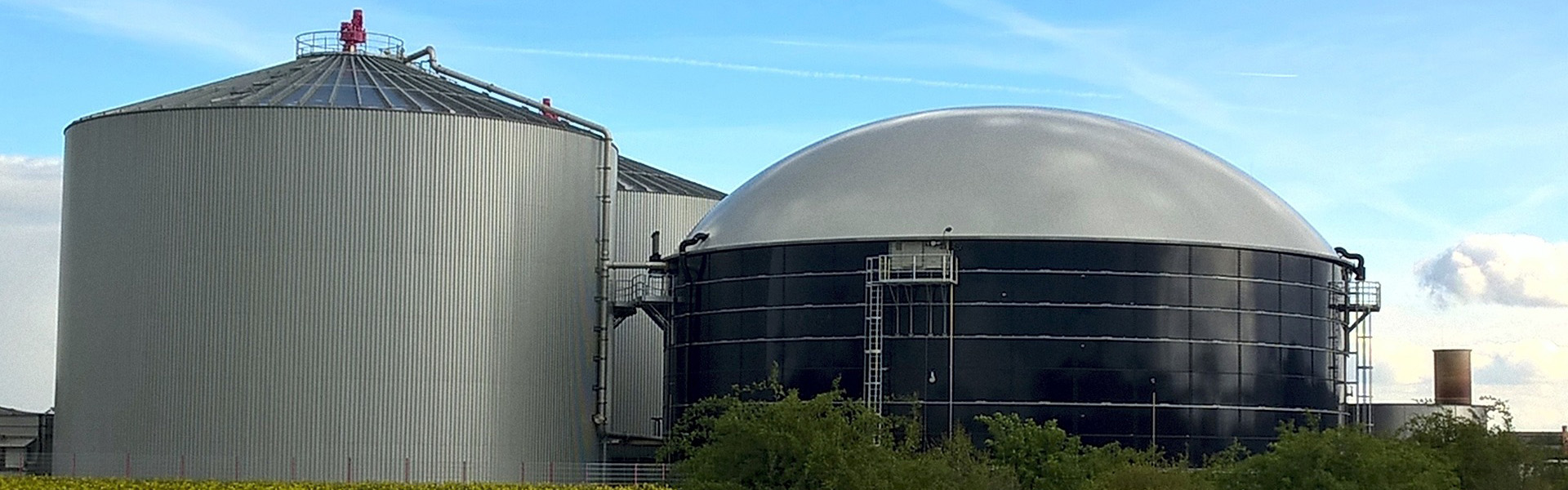
The Digester Tank: This is the heart of the biogas unit where the magic happens. Modern tanks are made of stainless steel or glass-fused-to-steel for durability.
Mixing Systems: Proper agitation ensures that bacteria have constant access to fresh feedstock, maximizing gas production.
Gas Storage: Double-membrane roofs are standard now, providing flexible storage to balance consumption and production.
CHP Unit: The Combined Heat and Power engine converts the gas into electricity and heat.
How to Choose the Right Biogas Unit for Your Needs
Selecting a biogas unit isn't a one-size-fits-all decision. You need to consider the type and volume of waste you produce daily. A dairy farm with slurry will need a different setup than a food processing plant with high-solid waste. It is essential to work with a manufacturer that offers a detailed feasibility study. They should analyze your feedstock to predict gas yields and recommend the correct size of the biogas unit to meet your energy goals.
Maintenance Tips for Long-Term Performance
Like any piece of heavy machinery, a biogas unit requires regular attention. However, modern designs have made maintenance simpler than ever.
Feedstock Consistency: Keep a regular schedule. Shocking the bacteria inside the biogas unit with too much food at once can stop gas production.
Inspecting Seals and Valves: Check for leaks weekly. Methane loss is bad for the environment and your wallet.
Desulfurization: Ensure the gas cleaning system is working. Hydrogen sulfide is corrosive and can damage engines if not removed by the biogas unit's filtration system.
Agitation Checks: Verify that the mixing arms are turning freely to prevent crust buildup.
The Future of On-Site Energy Production
As technology advances, the humble biogas unit is becoming a smart device. We are seeing integration with IoT sensors that allow operators to check gas production from their phones. New upgrading technologies allow the biogas unit to produce renewable natural gas (RNG) that is pure enough to inject into the natural gas grid. This opens up even larger markets for farm energy. Investing in a modern biogas unit today positions your business at the forefront of the circular economy.
Whether your goal is to cut costs, help the environment, or create a new revenue stream, a modern biogas unit is the solution. It takes a waste problem and turns it into a sustainable asset. By understanding the technology and choosing the right system, you ensure that your investment pays dividends for decades to come. The transition to a biogas unit is more than an upgrade; it is a commitment to a profitable and sustainable future.
Frequently Asked Questions (FAQ)
Q1: How much does a commercial biogas unit cost to install?
A1: The cost varies widely depending on size and complexity. A small farm-scale biogas unit might start around $50,000, while large industrial systems can run into millions. The key is to calculate the return on investment based on your energy displacement and potential tipping fees for taking in waste.
Q2: Can a biogas unit handle food waste, or just manure?
A2: Yes, most modern biogas unit designs are built to co-digest. Mixing manure with food waste (like vegetable scraps or fats) often increases gas production significantly. However, you must ensure the biogas unit is equipped with the right mixing and pasteurization equipment to handle these "hotter" feedstocks safely.
Q3: What happens if I produce more gas than I can use?
A3: Most systems include a gas flare to burn excess gas safely. However, a better option is to install a larger gas storage membrane on your biogas unit. This allows you to store gas for peak usage times. Alternatively, you can upgrade the system to inject gas into the grid if you have a biomethane upgrading unit.
Q4: How much maintenance does a biogas unit require daily?
A4: A well-designed biogas unit requires about 1-2 hours of operator time per day. This includes checking temperatures, monitoring pressure, and adding feedstock. Modern units are highly automated, so the daily work is mostly observation and record-keeping rather than physical labor.
Q5: Is the leftover material from the biogas unit safe to use on organic crops?
A5: Yes, the digestion process in a sealed biogas unit pasteurizes the material, killing weed seeds and pathogens. The resulting digestate is often considered a superior fertilizer to raw manure and is widely accepted in organic farming systems, though you should always check with your specific local certification body.