


7 Critical Steps in the Biogas to Biomethane Upgrading Process You Should Know
The energy landscape is shifting rapidly, and one of the most exciting developments is the ability to transform raw biogas into pipeline-quality renewable natural gas (RNG). For waste processors and farmers, the journey of biogas to biomethane opens doors to lucrative markets and significant environmental credits. Understanding this upgrading process is essential for anyone looking to maximize the value of their anaerobic digestion system. Whether you are a seasoned operator or just exploring the technology, grasping the nuances of the biogas to biomethane conversion can help you make informed investment decisions.
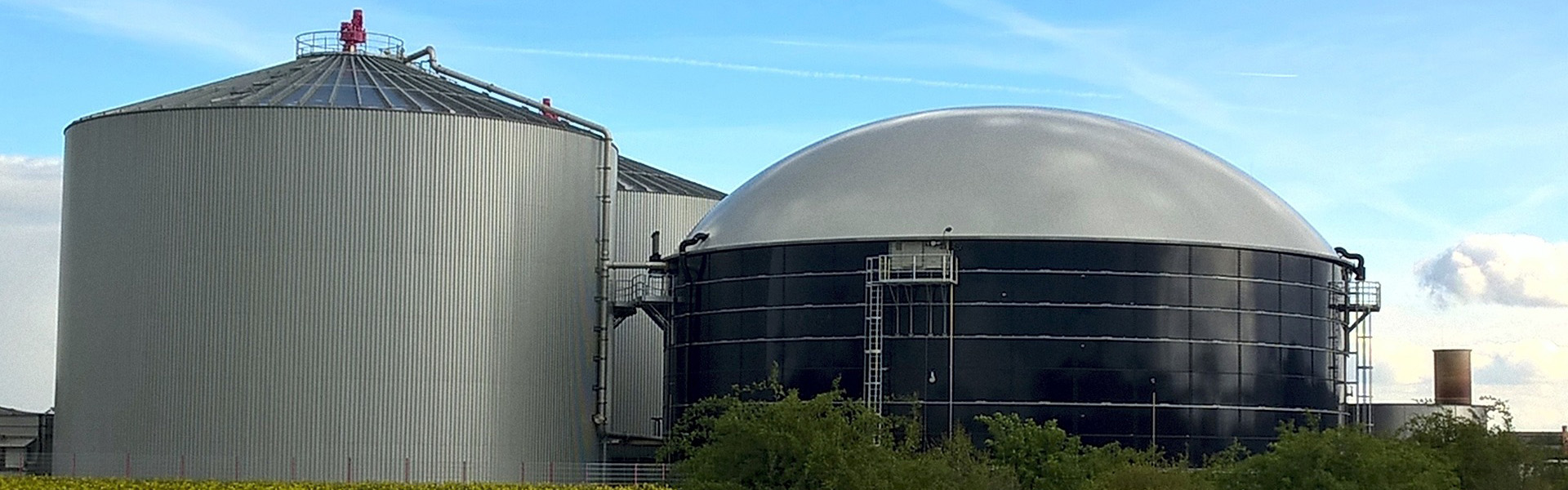
Why Upgrade? The Value of Biomethane
Raw biogas typically contains 50-70% methane, with the rest being carbon dioxide, trace gases, and impurities. While this mixture can run a combined heat and power (CHP) engine, its applications are limited. By processing biogas to biomethane, you remove the CO2 and impurities, leaving a gas that is over 95% methane. This purified product is identical to natural gas and can be injected into the grid, used as vehicle fuel, or sold as a direct substitute for fossil natural gas. The price premium for biomethane over raw gas is substantial, making the upgrade a smart financial move.
1. Pre-Cleaning: Protecting Your Equipment
Before the actual separation begins, the raw gas must be cleaned. This first step in the biogas to biomethane chain is often underestimated. Raw biogas contains hydrogen sulfide (H2S), siloxanes, ammonia, and moisture. If these contaminants enter the upgrading equipment, they can cause corrosion, fouling, and permanent damage. A robust pre-treatment system typically includes:
Biological desulfurization: Injecting small amounts of air into the digester headspace to convert H2S to elemental sulfur.
Activated carbon filters: To polish the gas and remove any remaining H2S and siloxanes.
Chilling: To knock out moisture and particulates.
Skipping proper pre-cleaning will lead to frequent downtime and costly repairs in your biogas to biomethane plant.
2. Compression: Getting the Gas Ready
Once the gas is clean, it needs pressure. Most upgrading technologies require the gas to be compressed to between 4 and 10 bar. This step is energy-intensive but necessary. The compressor pushes the gas through the subsequent separation stages. In a typical biogas to biomethane facility, you will find screw or piston compressors designed specifically for flammable gases. Proper sizing of this component is critical; if the compressor is too small, it becomes a bottleneck for the entire upgrade operation.
3. The Core Technology: Membrane Separation
Membrane separation is currently the most popular method for converting biogas to biomethane. It works on the principle of selective permeation. The gas is pushed through bundles of hollow fibers made of polymers. CO2 and other small molecules pass through the membrane walls faster than methane. The result is two streams:
Retentate (Product): Methane-rich gas (biomethane).
Permeate (Waste): CO2-rich gas with some methane.
Modern membrane systems are modular, allowing for easy scaling. They have no moving parts in the separation stage, which means low maintenance. However, they require careful control of pressure and temperature to maintain efficiency. Many operators choose membrane systems for their biogas to biomethane projects because of the reliability and compact footprint.
4. Alternative Technology: Pressure Swing Adsorption
Another common method in the biogas to biomethane industry is Pressure Swing Adsorption (PSA). This technology uses vessels filled with adsorbent materials (like activated carbon or zeolites) that trap CO2 at high pressure. When the pressure is released, the CO2 desorbs, regenerating the material. PSA systems are very effective at producing high-purity methane (up to 98%+). They are well-suited for smaller flow rates and can handle variable inlet gas compositions. However, the valves and switching mechanisms require more maintenance than membrane systems. Choosing between PSA and membranes depends on your specific site conditions and desired output quality for your biogas to biomethane plant.
5. Water Scrubbing: A Physical Approach
Water scrubbing is one of the oldest and most proven methods for biogas to biomethane upgrading. It relies on the fact that CO2 and H2S are much more soluble in water than methane. The compressed gas is fed into a packed column where water flows counter-currently. The water absorbs the impurities, and the clean methane exits the top. The water can then be regenerated by flashing it to a lower pressure in a separate tank, releasing the CO2. Water scrubbing is robust and can handle contaminants well, but it consumes more water and electricity compared to other methods. Still, for some operators, the simplicity of water scrubbing makes it the preferred choice for biogas to biomethane conversion.
6. Final Polishing and Odorization
Even after the main separation, the biomethane may need final polishing to meet pipeline specifications. This often involves a second stage of membrane filtration or activated carbon to knock out any remaining CO2 or trace compounds. Additionally, for grid injection, the gas must be odorized. Natural gas is odorless, so utility companies add a mercaptan smell for leak detection. In a biogas to biomethane facility, you will need an odorization unit that injects the correct amount of odorant automatically based on flow rate.
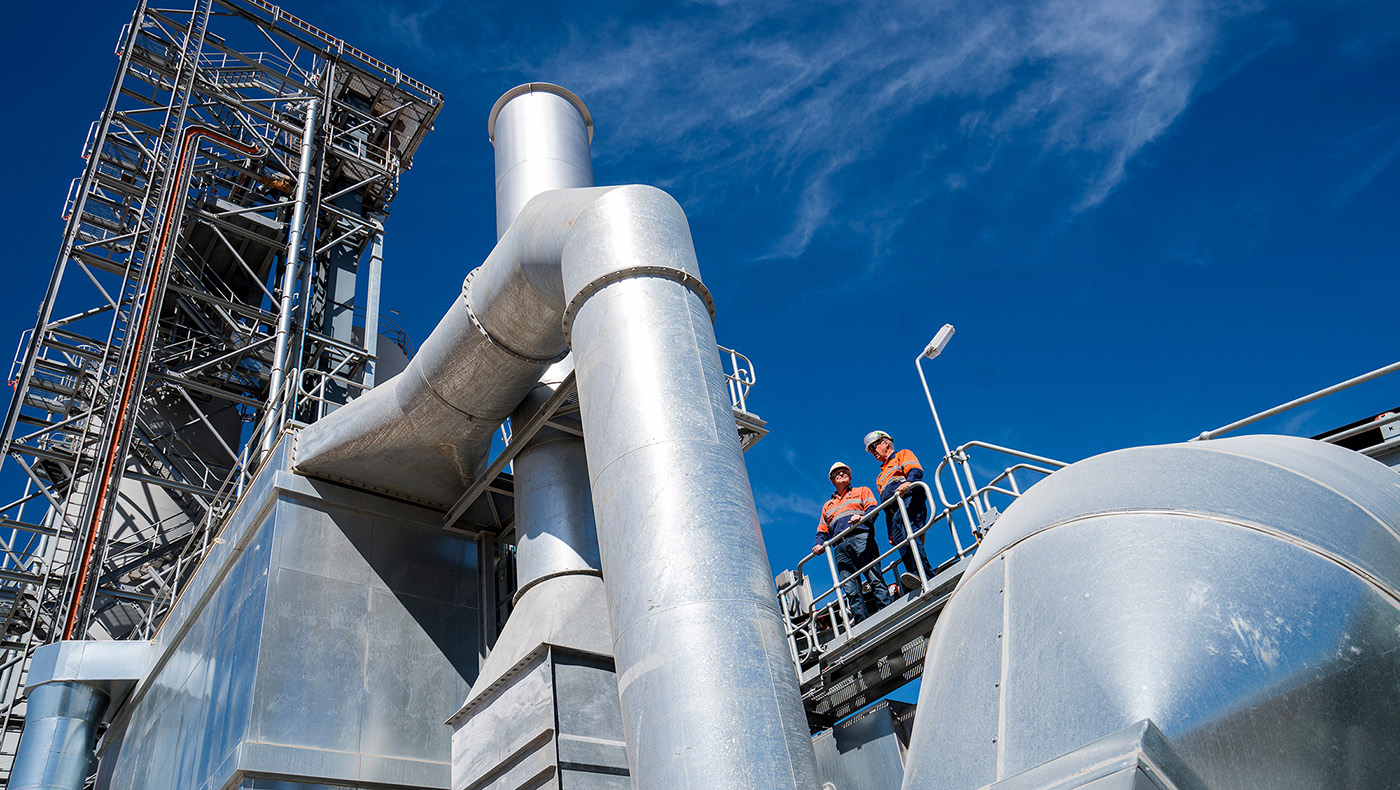
7. Grid Injection or Compression for Vehicle Fuel
The final step is getting the biomethane to market. For grid injection, you need a metering station and a connection point with the local gas utility. This involves compliance with strict gas quality standards and often requires a gas chromatograph to continuously monitor the methane content. If you are producing vehicle fuel (CNG), you will need a high-pressure compressor (up to 250 bar) and a dispensing unit. Each path has different capital requirements, but both significantly increase the revenue potential compared to simply burning the gas onsite. The decision on how to utilize your biogas to biomethane should be based on local incentives and market demand.
Economics of Biogas to Biomethane Projects
The capital cost for a biogas to biomethane upgrading plant can range from $500,000 for a small unit to several million for large industrial systems. However, the returns are compelling. Biomethane commands a higher price than raw electricity generation, especially when you factor in environmental credits like Renewable Identification Numbers (RINs) in the US or Renewable Energy Certificates in Europe. Many projects see payback periods of 3-7 years. The key is to secure a long-term offtake agreement for the gas. Without a buyer for your biomethane, the investment in upgrading equipment makes little sense.
Environmental Impact of Upgrading
Converting biogas to biomethane has a double environmental benefit. First, it captures methane that would otherwise escape from manure or waste, preventing a potent greenhouse gas from entering the atmosphere. Second, it displaces fossil natural gas. When biomethane is used as a transportation fuel, it can reduce lifecycle greenhouse gas emissions by over compared to diesel, because the biogenic CO2 released during combustion was recently pulled from the atmosphere by plants. This makes biogas to biomethane projects a key tool in the fight against climate change.
Common Challenges and How to Overcome Them
Operating a biogas to biomethane facility is not without challenges. Variability in feedstock can cause fluctuations in raw gas quality, which stresses the upgrading system. To mitigate this, operators should maintain a consistent digester feed and consider installing a gas buffer storage before the upgrading skid. Another challenge is methane slip—the loss of methane in the waste stream. Modern systems are designed to keep methane slip below 1%, but regular maintenance and tuning are required. Working with experienced suppliers who offer remote monitoring can help you keep your biogas to biomethane plant running at peak performance.
The Future of Biomethane
As governments tighten renewable fuel standards, the demand for biomethane is skyrocketing. We are seeing a surge in biogas to biomethane projects worldwide, from dairy farms in the Midwest to food waste processors in Europe. New technologies, such as biological methanation (using hydrogen to convert leftover CO2 into more methane), are on the horizon, promising even higher efficiencies. For now, upgrading remains the most direct path to maximizing the value of your biogas. Investing in a biogas to biomethane system positions you at the forefront of the circular economy, turning waste into a premium, low-carbon fuel.
The journey of biogas to biomethane is a sophisticated yet accessible way to elevate your renewable energy output. From pre-cleaning to grid injection, each step requires attention to detail and quality equipment. By understanding the technologies available—membrane, PSA, water scrubbing—you can choose the right path for your operation. The economic and environmental rewards are substantial, making biogas to biomethane one of the smartest investments in the renewable sector today.
Frequently Asked Questions (FAQ)
Q1: What is the
difference between biogas and biomethane?
A1: Biogas is the raw
gas produced in a digester, typically containing 50-70% methane, along with CO2
and impurities. Biomethane is the product after upgrading biogas to
biomethane, where the CO2 and contaminants are removed, resulting
in a gas that is over 95% methane and interchangeable with fossil natural
gas.
Q2: How much does
it cost to set up a biogas to biomethane upgrading system?
A2:
Costs vary widely based on capacity and technology. A small-scale system
processing 100 Nm³/h of raw gas might cost around $500,000 to $1 million. Larger
industrial units can exceed $5 million. It is essential to get a detailed quote
based on your specific gas flow and site conditions.
Q3: Can any biogas
be upgraded to biomethane?
A3: Yes, most biogas from anaerobic
digestion can be upgraded. However, the gas must first be cleaned of
contaminants like hydrogen sulfide and siloxanes to protect the upgrading
equipment. Landfill gas can also be upgraded, though it often requires more
extensive pre-treatment due to higher levels of trace compounds.
Q4: What is
methane slip, and why does it matter in biogas to
biomethane?
A4: Methane slip refers to the small amount of
methane that escapes in the waste stream (off-gas) during the upgrading process.
Since methane is a potent greenhouse gas, minimizing slip is critical.
Modern biogas to biomethane systems are
designed to keep methane slip below 1%, and some technologies like membranes can
achieve even lower levels.
Q5: Is biomethane
suitable for use in existing natural gas vehicles?
A5:
Absolutely. Biomethane is chemically identical to fossil natural gas. Once
your biogas to biomethane plant produces
gas that meets the required purity standards, it can be compressed and used
directly in any natural gas vehicle without modifications.
Q6: Do I need a
special permit to inject biomethane into the natural gas
grid?
A6: Yes, grid injection requires a connection agreement
with the local gas utility and compliance with strict gas quality standards. You
will need to install a metering station and often a gas chromatograph to
continuously verify the gas composition. The utility will specify the required
methane concentration, Wobbe index, and other parameters.
Q7: How long
does a biogas to biomethane plant typically last?
A7: With
proper maintenance, a well-built upgrading plant can operate for 20 years or
more. Membrane modules may need replacement every 5-10 years depending on
operating conditions, while compressors and other rotating equipment require
regular servicing but can last the life of the plant.