


News
We'll get back to you as soon as possible.
How a Biogas Purification System Improves Energy Efficiency and Environmental Compliance
Biogas production has grown rapidly as industries and farms look for ways to turn organic waste into usable energy. But raw biogas straight from the digester contains impurities that limit its use. This is where a biogas purification system becomes essential. These systems remove contaminants, making the gas suitable for power generation, vehicle fuel, or injection into natural gas grids. For businesses in renewable energy, investing in the right purification technology is not just about compliance—it’s about maximizing the value of every cubic meter of gas produced.
What Makes Up a Biogas Purification System?
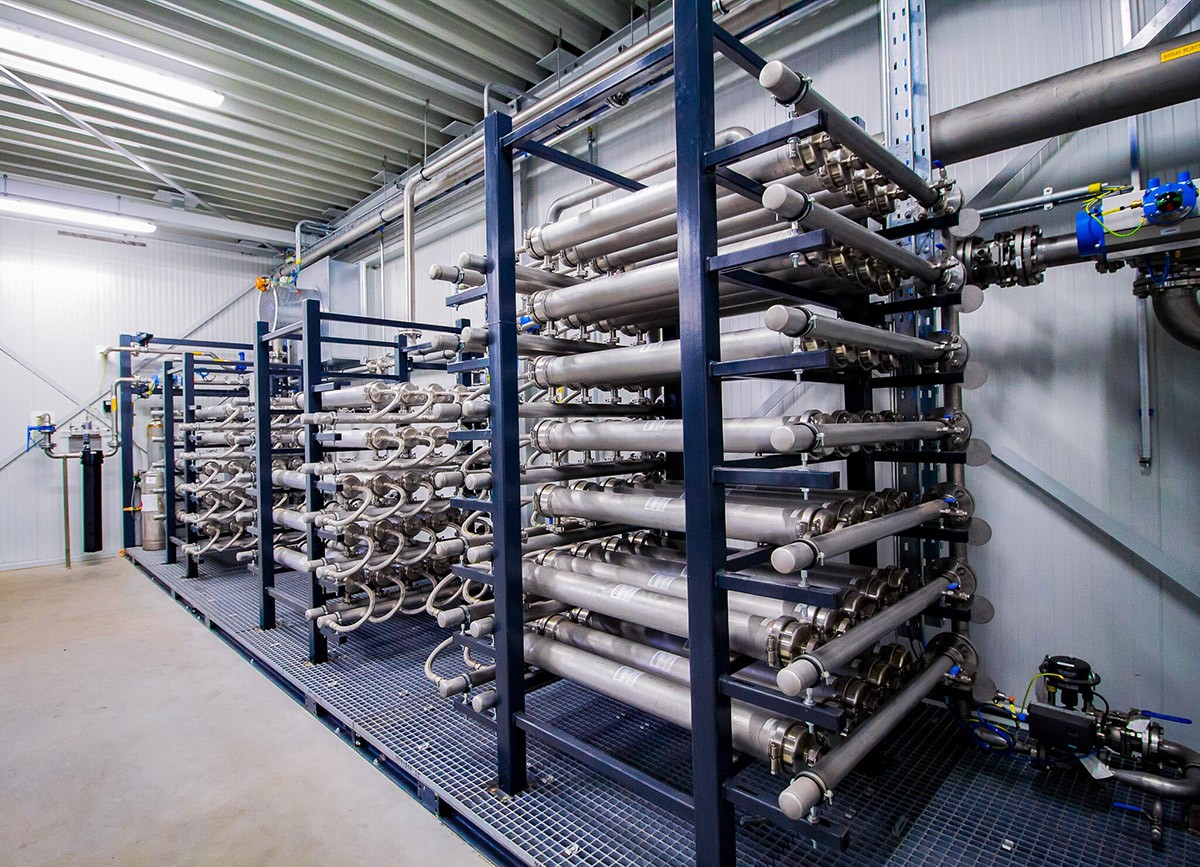
A biogas purification system typically includes several components designed to remove specific impurities. The main targets are carbon dioxide (CO2), hydrogen sulfide (H2S), moisture, and trace gases like siloxanes and ammonia. Each contaminant requires a different treatment method. For example, H2S removal often uses biological filters or activated carbon, while CO2 removal might involve membrane separation or water scrubbing. Understanding these components helps operators choose the right configuration for their feedstock and end-use goals.
Modern systems are modular, allowing facilities to scale up as production increases. This flexibility is important for farms or industrial plants that plan to expand. Instead of replacing the entire setup, they can add new modules to handle higher volumes. This approach reduces upfront costs and makes maintenance simpler.
Why Hydrogen Sulfide Removal Is Critical
Hydrogen sulfide is one of the most damaging contaminants in raw biogas. It is corrosive and can destroy engines, pipes, and storage tanks if left untreated. A reliable biogas purification system includes a dedicated H2S removal stage to protect downstream equipment. Common methods include dosing with iron chloride in the digester or passing gas through a bed of iron oxide pellets. Biological desulfurization, where bacteria convert H2S into elemental sulfur, is also gaining popularity because it avoids chemical costs and produces less waste.
Without proper H2S removal, maintenance costs skyrocket. Engine overhauls may be needed every few months instead of every few years. For operations running generators 24/7, this can mean the difference between profit and loss.
Carbon Dioxide Separation for Higher Energy Value
Raw biogas typically contains 40% to 60% methane, with the rest mostly CO2. While methane provides the energy, CO2 does not burn and reduces the heating value. To upgrade biogas to biomethane, a biogas purification system must strip out most of the CO2. This increases the methane concentration to above 90%, making it compatible with natural gas networks.
Several technologies compete in this space. Pressure swing adsorption (PSA) uses materials that trap methane while letting CO2 pass through. Membrane systems separate gases based on molecular size. Water scrubbing relies on CO2’s higher solubility in water compared to methane. Each method has trade-offs in cost, energy use, and methane loss. Operators need to weigh these factors based on their specific situation.
Moisture Control Prevents Corrosion and Blockages
Biogas leaving the digester is saturated with water vapor. As the gas cools, condensation forms, leading to liquid water in pipes. This causes corrosion and can freeze in cold weather, blocking flow. A standard biogas purification system includes refrigeration dryers or desiccant dryers to knock out moisture. Some systems also use underground piping to cool the gas naturally before it enters the drying unit.
Keeping gas dry is especially important for injection into utility pipelines. Grid operators have strict moisture specs to prevent pipe corrosion and hydrate formation. Even for on-site use, dry gas ensures consistent combustion in boilers or engines.
Siloxane and Trace Contaminant Removal
Landfill gas and sewage digester gas often contain siloxanes—compounds from industrial products like cosmetics and detergents. When burned, siloxanes turn into silica, a white powder that coats engine parts and reduces efficiency. Removing these requires specialized media like activated carbon or silica gel.
A well-designed biogas purification system monitors for these trace contaminants and changes media beds before performance drops. Some facilities use two beds in series, so when the first is exhausted, the second catches any slip. This approach buys time for scheduled media replacement without unscheduled downtime.
Energy Balance and Operational Costs
Running a purification system consumes energy—pumps need electricity, compressors use power, and some processes require heat. However, the energy lost in purification is far less than the energy gained by using high-quality biomethane. Modern systems aim for low parasitic loads. For instance, membrane systems operate at high pressure but have no moving parts beyond the compressor. Water scrubbers recycle water to cut pumping costs.
Operators should look at total lifecycle cost, not just the purchase price. A cheap system with high energy use or frequent media changes may cost more over ten years than a premium system with efficient design. When evaluating a biogas purification system, consider utility rates, labor for maintenance, and disposal costs for spent media.
Meeting Environmental Regulations
Emission rules are tightening worldwide. Flaring raw biogas releases CO2 and unburned methane, a potent greenhouse gas. Purifying biogas allows it to replace fossil fuels, reducing net emissions. In some regions, injecting biomethane into the grid earns renewable energy credits or carbon offsets.
A certified biogas purification system helps facilities document their gas quality for regulators and credit buyers. Regular testing ensures the gas meets pipeline specs or vehicle fuel standards. Without proper records, credits may be denied, leaving money on the table.
System Sizing and Future Expansion
Sizing a purification system correctly matters. Undersized units become bottlenecks when gas production peaks. Oversized units waste capital and run inefficiently at partial load. Good engineering practice involves studying historical gas output and projecting future growth.
Many vendors offer skid-mounted systems that are easy to install and relocate. This works well for temporary projects or sites testing new feedstocks. If the project proves successful, adding a second skid can double capacity without disrupting the first unit. This scalability makes modern biogas purification system designs attractive to investors who want to phase their spending.
Automation and Remote Monitoring
Today’s purification systems come with programmable logic controllers (PLCs) that adjust settings automatically based on gas composition. Sensors track methane content, H2S levels, and moisture. Alerts go to operators’ phones if parameters drift. Remote monitoring allows a single technician to oversee multiple sites, cutting labor costs.
For companies managing several digesters, this connectivity provides data to optimize performance across the fleet. If one site shows rising H2S, operators can check if the feedstock changed or if the biological scrubber needs adjustment. This proactive approach prevents small issues from becoming expensive repairs.
Common Questions About Biogas Purification Systems
Q1: How long does a biogas purification system last?
A1: With proper maintenance, major components like vessels and piping can last 20 years or more. Consumables like activated carbon and membranes need replacement every 2 to 10 years depending on gas quality and operating hours.
Q2: Can I use the same system for different feedstocks?
A2: Yes, but you may need to adjust operating parameters. For example, switching from food waste to manure changes H2S levels and moisture content. A flexible system with adjustable flow rates and media types can handle varying inputs.
Q3: What is the typical methane loss during purification?
A3: Good systems keep methane loss below 2%. Older or poorly maintained units might lose 5% or more. Methane loss represents lost revenue, so it pays to monitor this metric closely.
Q4: Do I need a permit to install a purification system?
A4: Permitting requirements vary by location. Many areas require air quality permits if you plan to inject gas into the pipeline or use it as vehicle fuel. Check with local environmental agencies early in the planning stage.
Q5: How much space does a biogas purification system need?
A5: A system for a 500 kW generator might fit in a 40-foot container. Larger installations for pipeline injection could require a building the size of a small warehouse. Vendors usually provide layout drawings with dimensions.
Q6: What maintenance tasks are required weekly?
A6: Common weekly tasks include checking pressure gauges, draining water traps, inspecting belts on blowers, and recording gas composition data. Some systems have self-cleaning filters that reduce hands-on work.
Q7: Can purified biogas be stored for later use?
A7: Yes, but storage requires high-pressure tanks or low-pressure gas holders. Compression adds cost, so many facilities use the gas as it is produced. If storage is needed, factor in the extra equipment and safety measures.
Choosing the Right Technology Partner
Selecting a supplier for your biogas purification system is as important as the hardware itself. Look for companies with reference plants operating on similar feedstocks. Ask about their service response times and spare parts availability. A vendor with local support can get you running faster if something breaks.
Some suppliers offer performance guarantees—if the system doesn’t meet specified output, they cover the difference. These guarantees provide peace of mind when presenting the project to lenders or investors. Always read the fine print to understand what conditions void the warranty.
Future Trends in Biogas Upgrading
Research continues on new materials that separate gases more efficiently. Ionic liquids and advanced membranes show promise for lowering energy use. Some developers are testing electrochemical cells that pull methane directly from dilute gas streams. While not yet commercial, these technologies could reshape the industry in the next decade.
For now, proven technologies like water scrubbing and PSA dominate the market. They offer reliable performance with predictable costs. Facilities that build today can often retrofit new technologies later if they leave space and connections for upgrades.
A well-designed biogas purification system transforms low-quality digester gas into a valuable renewable fuel. It protects equipment, opens new revenue streams, and helps meet environmental goals. By understanding the components, costs, and operational needs, project developers can choose systems that deliver solid returns for years. Whether you run a small farm digester or a large industrial plant, purification is the step that turns waste into worth. Take time to assess your gas quality, future plans, and support options before making a purchase. The right system will pay for itself many times over through reduced downtime and higher gas sales.