


Why Biogas Purification Matters for Renewable Energy Projects
The global shift toward renewable energy has put a spotlight on biogas as a versatile fuel source. Farms, landfills, and wastewater plants generate biogas daily, but raw gas contains impurities that limit its use. Before it can power engines or feed into pipelines, it must be cleaned. This process, known as biogas purification, removes harmful components and raises the energy content. For project developers and plant operators, understanding the steps involved helps in making smart investment decisions that pay off over the long term.
What Biogas Purification Actually Does
Raw biogas is a mix of methane, carbon dioxide, and trace contaminants. While methane burns cleanly, the other components cause problems. Biogas purification separates these unwanted elements, leaving a stream of nearly pure methane. The process also protects downstream equipment from corrosion and wear. Without proper treatment, engines and compressors fail prematurely, leading to costly repairs and lost production time.
The purification process typically happens in stages. First, bulk contaminants like hydrogen sulfide get removed. Then, finer separation targets carbon dioxide and moisture. Each stage uses different technologies, from biological filters to membrane separators. The exact setup depends on the gas source and the intended end use.
Why Purification Cannot Be Skipped
Some new operators think they can run engines on raw biogas to save money. This almost always backfires. Hydrogen sulfide turns into sulfuric acid when it burns, eating away metal parts from the inside. Siloxanes, common in landfill gas, form abrasive silica deposits on pistons and valves. Moisture causes rust and encourages bacterial growth in pipes.
A proper biogas purification strategy prevents these issues. It extends equipment life and reduces maintenance intervals. For example, engines running on clean biomethane may need oil changes every 1,500 hours instead of every 500 hours. Over a year, that adds up to significant savings in labor and consumables.
Main Contaminants Targeted During Purification
Understanding what gets removed helps operators troubleshoot problems and optimize performance. The main targets include:
Hydrogen sulfide is toxic and corrosive. Even low levels cause damage over time. Removal methods include biological oxidation, where bacteria convert H2S to elemental sulfur, or chemical scavenging using iron-based media.
Carbon dioxide dilutes the methane, lowering the heating value. For pipeline injection or vehicle fuel, CO2 must come down to 2-3% or less. Membrane systems and water scrubbers handle this job efficiently.
Moisture causes condensation in pipes and freezes in cold weather. Refrigeration dryers or desiccant dryers knock out water vapor before it becomes liquid.
Siloxanes come from industrial chemicals in wastewater and landfills. When burned, they turn into a white powder that coats internal surfaces. Activated carbon beds capture these compounds before they enter engines.
Ammonia appears in gas from certain feedstocks like poultry manure. It forms nitrogen oxides during combustion, which can exceed emission permits. Water scrubbing removes most ammonia effectively.
Common Technologies Used in Biogas Purification
Several methods compete in the market, each with strengths and weaknesses. Water scrubbing is one of the oldest and most reliable approaches. It works because CO2 dissolves in water much better than methane does. Compressed biogas bubbles through a column of water, and the CO2 transfers into the liquid. The water can be regenerated by releasing the pressure, allowing continuous operation.
Pressure swing adsorption uses materials that trap methane while letting CO2 pass through. These systems cycle between high-pressure adsorption and low-pressure regeneration. They produce high-purity biomethane but consume more electricity than some alternatives.
Membrane separation relies on polymer fibers that allow CO2 to permeate faster than methane. Banks of membrane modules strip CO2 in stages. This technology has no moving parts besides the feed compressor, which keeps maintenance simple.
Biological desulfurization uses bacteria that oxidize H2S into elemental sulfur or sulfate. Air or oxygen is injected into the gas stream, and the bacteria growing on packing material do the rest. This method avoids chemical costs and produces minimal waste.
How Biogas Purification Affects Project Economics
Installing purification equipment adds capital cost, but it also unlocks higher-value markets. Raw biogas might only be usable in a boiler on site. After biogas purification, the same gas can be sold as renewable natural gas (RNG) at prices several times higher. In many regions, RNG commands premiums because it qualifies for low-carbon fuel credits.
The payback period depends on scale and local incentives. A dairy farm with 500 cows might see a 5-year payback on a small purification skid. Larger landfills can pay off systems in 2-3 years thanks to economy of scale. Operators should run the numbers with realistic gas production data before committing.
Operating costs matter too. Consumables like activated carbon need replacement periodically. Membranes lose performance after 5-10 years. Electricity for compressors and pumps adds to the monthly bill. Comparing these ongoing costs across different technologies helps avoid surprises.
Matching Purification to End Use
The purity level required depends entirely on how the gas will be used. For a boiler or direct-fired heater, simple H2S removal and drying might be enough. Engines and generators need higher standards to avoid deposits and corrosion. Pipeline injection requires the strictest specifications, often set by utility companies.
Vehicle fuel applications demand even higher purity, with methane content above 96% and no compressor oil carryover. This usually means adding a polishing step after the main purification. Operators planning to sell compressed natural gas (CNG) for trucks should verify that their system meets fuel-grade standards.
Sizing and Installation Considerations
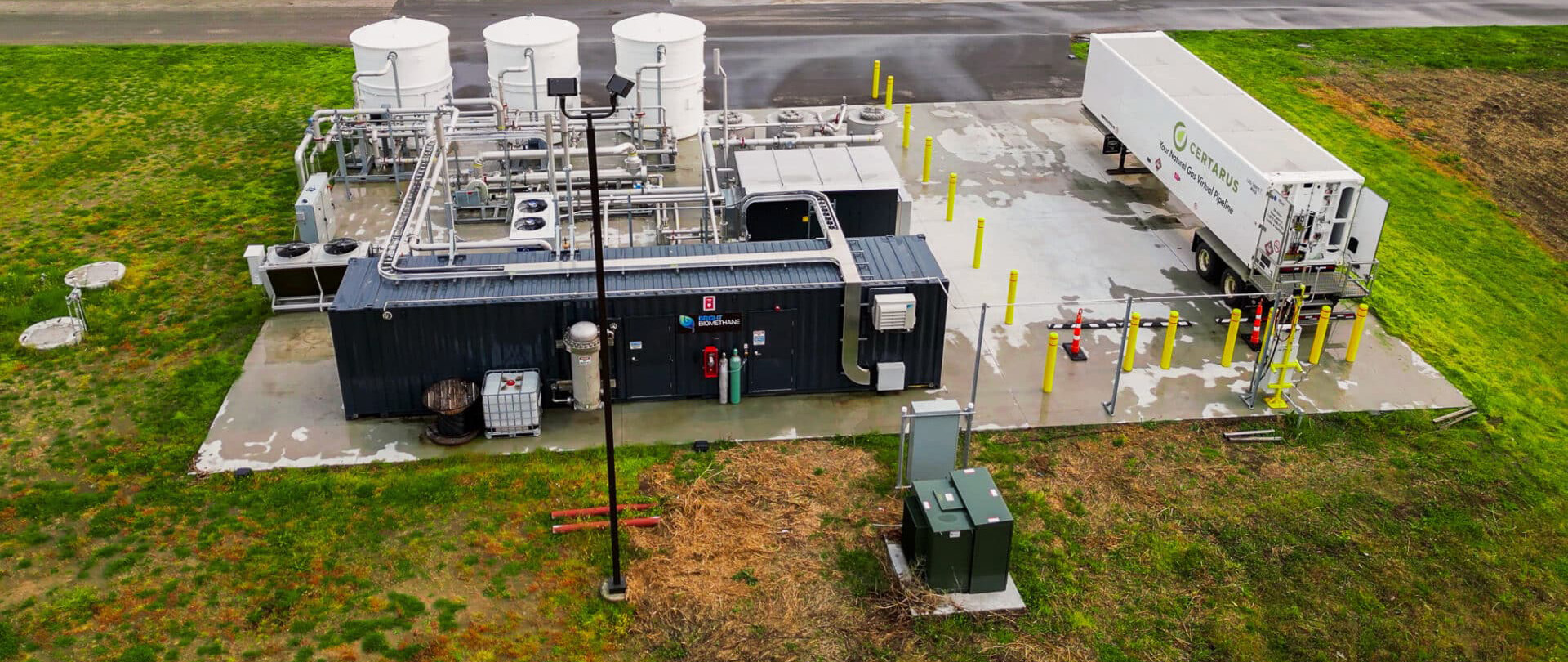
Space constraints sometimes limit purification options. Membrane systems have a small footprint, making them attractive for tight sites. Water scrubbers need tall columns and large tanks, requiring more real estate. Skid-mounted units simplify installation because they arrive pre-piped and pre-wired. The site just needs a concrete pad and connections for gas, power, and drains.
Future expansion should factor into sizing decisions. If gas production is expected to grow, a modular system allows adding capacity later. Some vendors design cabinets that accept additional membrane bundles or extra adsorber vessels without shutting down the existing train.
Monitoring and Control Systems
Modern purification equipment includes sensors that track gas composition in real time. Methane analyzers verify product quality. H2S monitors trigger alarms if levels climb. Flow meters measure production for reporting and sales. Data logging helps operators spot trends, like rising CO2 indicating membrane fouling.
Automation reduces labor demands. A programmable logic controller adjusts valves and compressors based on inlet conditions. Remote access lets technicians check performance from their phones, cutting site visits. For distributed projects with multiple digesters, centralized monitoring makes management feasible.
Safety Aspects of Biogas Purification
Methane is flammable, and some purification steps involve pressurized equipment. Proper safety systems include flame arrestors, pressure relief valves, and gas detection sensors. Ventilation prevents accumulation of leaked gas in enclosed spaces. Hydrogen sulfide is lethal even at low concentrations, so areas where raw biogas flows require personal monitors for workers.
Regular inspections catch small issues before they become hazards. Checking for leaks around flanges and seals should be part of weekly rounds. Training operators on emergency procedures ensures they respond correctly if something goes wrong.
Environmental Benefits Beyond Energy
Capturing methane that would otherwise escape into the atmosphere reduces greenhouse gas emissions. Methane has a global warming potential many times higher than CO2. Biogas purification enables this capture by making the gas usable. Even if the purified gas gets flared during maintenance, it burns as CO2 instead of releasing raw methane.
The leftover CO2 from purification originally came from organic matter, so it is biogenic and considered carbon neutral. Some projects even capture this CO2 for greenhouses or carbonated beverages, adding another revenue stream.
Common Questions About Biogas Purification
Q1: How much methane is lost during purification?
A1: Well-designed systems lose less than 2% of the methane. Older or poorly maintained units might lose 5% or more. Methane loss represents lost revenue, so operators should monitor this number and tune the system if it climbs.
Q2: Can I purify biogas from any feedstock?
A2: Yes, but different feedstocks produce different impurities. Food waste tends to have high oil and grease content. Sewage gas contains more siloxanes. Manure has variable H2S levels. The purification train must be designed for the specific gas composition expected.
Q3: How often do filters and media need changing?
A3: Activated carbon for H2S removal might last 6 to 18 months depending on inlet concentration. Carbon for siloxane removal typically lasts 2 to 4 years. Membrane life averages 8 to 12 years. Regular sampling tells you when performance drops.
Q4: What utility connections are required?
A4: Most systems need electricity for controls and compressors. Water scrubbers require a water supply and drain. Some desulfurization methods need a small amount of air injected. Check with your vendor for specific requirements.
Q5: Does cold weather affect purification?
A5: Yes, freezing temperatures can cause water to ice up in pipes and valves. Systems in cold climates need insulation and heat tracing. Indoor installation protects equipment from winter conditions.
Q6: How do I know if my gas meets pipeline specs?
A6: Pipeline companies provide tariff sheets listing required methane content, heating value, and impurity limits. Independent labs can test gas samples to verify compliance before you connect. Online analyzers confirm quality during continuous operation.
Q7: Can I oversize my purification system for future growth?
A7: Oversizing by more than 20% can cause turndown problems. Systems running far below design capacity may not operate efficiently. Modular designs that allow adding capacity later are usually better than buying one giant unit upfront.
Q8: What training do operators need?
A8: Operators should understand basic gas chemistry, safety procedures, and how to interpret control panel readings. Vendor training during commissioning covers routine tasks like draining water traps and replacing filters. Refresher courses help when new staff join.
Maintenance Tips for Long-Term Reliability
Keeping a purification system running smoothly requires consistent attention. Daily checks might include verifying pressure readings and listening for unusual compressor noises. Weekly tasks often involve draining accumulated liquids and inspecting belts. Monthly work could include lubricating moving parts and testing safety devices.
Keeping spare parts on hand minimizes downtime when something fails. Common spares include seals, gaskets, and sensors. For remote sites, stocking a spare compressor head can save weeks of waiting for shipping. Maintenance logs help track when parts were last replaced, so replacements happen before failures occur.
Choosing Between Vendors
Not all purification equipment is built the same. Some vendors specialize in agricultural projects, while others focus on landfills or industrial waste. Ask for references from similar installations and call those operators to ask about their experience. Find out how responsive the vendor was when problems came up.
Warranty terms vary widely. Some cover parts for one year, others for five. Read the fine print about what voids the warranty, such as running on unexpected gas compositions. Performance guarantees give recourse if the system fails to meet specifications.
Policy and Incentive Landscape
Government programs increasingly support biogas purification projects. Renewable fuel standards create demand for RNG. Tax credits and grants offset capital costs in many jurisdictions. Carbon markets pay for methane destruction. Staying informed about available incentives improves project economics.
Some incentives require third-party verification of gas quality and quantities. Installing certified metering and sampling ports from the start avoids retrofitting costs later. Working with consultants who understand compliance requirements helps navigate the paperwork.
Final Thoughts on Biogas Purification
Turning waste into valuable fuel depends on effective cleaning. Biogas purification removes the barriers that keep raw biogas from reaching its full potential. Whether the goal is generating electricity, fueling vehicles, or selling into pipelines, the purification step determines whether the project succeeds or struggles. By choosing the right technology, sizing appropriately, and maintaining diligently, operators can achieve reliable performance for decades. The investment pays back through higher gas value, lower maintenance, and environmental credits that reward clean energy production.