


News
We'll get back to you as soon as possible.
7 Essential Factors for a Profitable Biogas Production Plant in 2026
The global shift toward renewable energy has positioned biogas technology as a cornerstone of sustainable development. For investors, farmers, and industrial operators, understanding what makes a biogas production plant efficient and profitable is crucial. These facilities do more than just manage waste; they create a valuable energy resource while reducing greenhouse gas emissions. This article discusses the core elements that contribute to a successful operation in the international biogas equipment manufacturing sector.
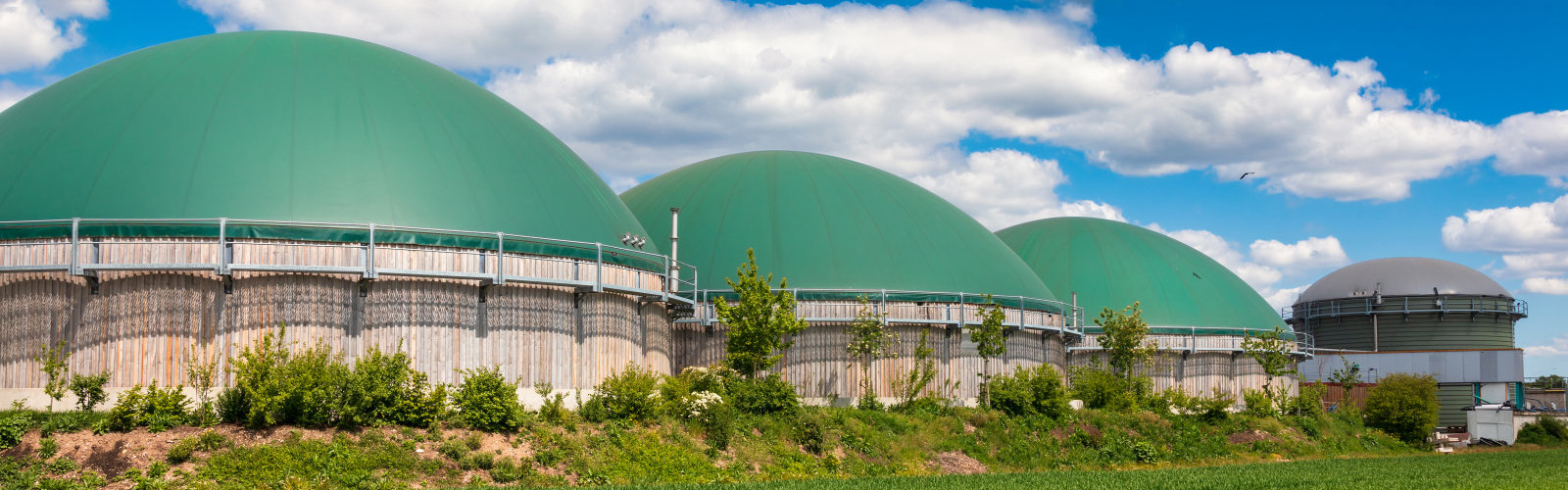
The Economic Viability of a Modern Biogas Production Plant
Before breaking ground, every developer looks at the bottom line. The economic model of a biogas production plant has improved significantly over the last decade. Revenue streams are no longer limited to energy sales. Operators can generate income from gate fees for accepting organic waste, selling digestate as biofertilizer, and participating in renewable energy certificate programs.
Equipment manufacturers now focus on modular designs that reduce installation time. This directly impacts return on investment. A facility that begins generating gas faster means quicker payback. Furthermore, advancements in combined heat and power units allow plants to achieve higher electrical efficiency, often exceeding 40%. This turns a higher percentage of the biogas into sellable electricity or biomethane for grid injection.
Site Selection and Raw Material Logistics
Location remains a deciding factor for profitability. A biogas production plant requires a consistent supply of feedstock. Being close to farms, food processing industries, or municipal waste collection points minimizes transportation costs. These costs can quickly eat into profit margins if not carefully managed.
The type of feedstock also dictates the technology required. Plants processing liquid manure have different needs compared to those handling solid crop silage or organic municipal waste. Modern plants are often designed with multi-feedstock capabilities. This flexibility allows operators to adapt to market changes and material availability, ensuring the digester always runs at optimal capacity.
Core Anaerobic Digestion Technology
The heart of any facility is the digester tank. Here, bacteria break down organic matter in an oxygen-free environment. The choice between wet and dry fermentation systems depends on the solid content of the input material. For a standard agricultural mix, a continuously stirred tank reactor remains the industry standard.
Internationally, equipment suppliers are pushing for better mixing technologies. Proper agitation prevents the formation of a floating crust and ensures all bacteria have access to fresh nutrients. This maximizes gas yield per ton of substrate. Without efficient mixing, a biogas production plant suffers from dead zones, reducing overall productivity and potentially causing costly maintenance issues.
Gas Upgrading and Utilization Pathways
Raw biogas contains about 50-70% methane, with the rest being CO2 and trace gases. To achieve the highest value, many facilities now include upgrading equipment. This process removes impurities and CO2, creating biomethane that is interchangeable with natural gas. This can be injected into the gas grid or used as vehicle fuel.
For plants that do not upgrade, combined heat and power engines are the standard. The key here is heat utilization. A plant that only uses the electricity and wastes the heat is leaving money on the table. Successful operations integrate heat into local district heating networks or use it for industrial drying processes, improving overall energy efficiency.
Process Monitoring and Control Systems
Modern profitability relies heavily on data. A well-instrumented biogas production plant uses sensors to monitor temperature, pH, volatile fatty acids, and gas composition in real time. These parameters give operators insight into the health of the microbial community.
Automated control systems can adjust feeding rates based on gas production. If the system detects a drop in pH, it can halt feeding to prevent acidification. This level of control prevents downtime and ensures stable, continuous gas output. For equipment manufacturers, providing robust and reliable automation is a key selling point in markets where labor costs are high.
Digestate Management and Environmental Compliance
The material left after digestion is not waste; it is a resource. Digestate is a nutrient-rich fertilizer that can replace synthetic alternatives. Proper storage and treatment are necessary to maximize its value and comply with environmental regulations. A responsible biogas production plant will have covered storage for digestate to prevent ammonia loss and odor.
Some advanced facilities include digestate separation units. The liquid fraction, high in nitrogen, can be used directly on fields. The solid fiber fraction can be dried and sold as a soil conditioner or even as a bedding material for livestock. This closes the loop on the circular economy model.
Safety Standards and Long-Term Reliability
Safety is non-negotiable. Biogas is flammable, and the process involves confined spaces. International standards dictate specific requirements for gas detection, pressure relief, and electrical classification. Reputable equipment suppliers ensure their components meet these stringent requirements.
Regular maintenance schedules are vital. A small leak or a failing pump in a biogas production plant can lead to significant production losses. Building a plant with high-quality components from certified manufacturers reduces the risk of unplanned shutdowns and ensures the facility operates safely for its entire design life, typically 20 years or more.
Investing in a biogas production plant represents a commitment to a sustainable future and a sound financial opportunity. By focusing on feedstock logistics, advanced digestion technology, efficient gas utilization, and robust safety protocols, operators can build facilities that deliver consistent returns. As the global demand for renewable energy and waste management solutions grows, the role of innovative and reliable biogas equipment will only become more central to the industry.
Frequently Asked Questions
Q1:
What is the typical payback period for a biogas production
plant?
A1: The payback period varies significantly based on
size, feedstock, and local energy prices. Generally, well-planned facilities can
expect a return on investment within 5 to 8 years, especially when utilizing
multiple revenue streams like electricity sales and fertilizer
production.
Q2:
Can a small farm benefit from owning a biogas production
plant?
A2: Yes. Small-scale, prefabricated units are becoming
more common. These systems are designed to handle the manure and crop waste from
a single farm, reducing the farm's energy bills and providing a natural
fertilizer, making the operation more self-sufficient.
Q3:
What maintenance is required for the equipment in a biogas
plant?
A3: Regular maintenance includes checking and lubricating
moving parts in pumps and mixers, inspecting gas-tight seals, calibrating
sensors, and servicing the combined heat and power engine according to the
manufacturer's schedule. Proper maintenance prevents unplanned
downtime.
Q4:
How does a biogas production plant handle odors?
A4: Modern
plants are designed to be airtight. The digestion process itself is odorless.
Any potential odors come from feedstock delivery and storage. This is managed by
keeping buildings under negative pressure and routing the air through a
biofilter or thermal oxidizer before release.
Q5:
Is it possible to use only food waste in a biogas production
plant?
A5: Absolutely. Many commercial plants are designed
specifically for source-separated organic municipal solid waste and food
processing residuals. These materials often have a high gas yield, making them
an excellent feedstock, though they may require pasteurization pre-treatment to
meet sanitation standards.