


News
We'll get back to you as soon as possible.
5 Key Types of Biogas Plants Driving the Renewable Energy Market
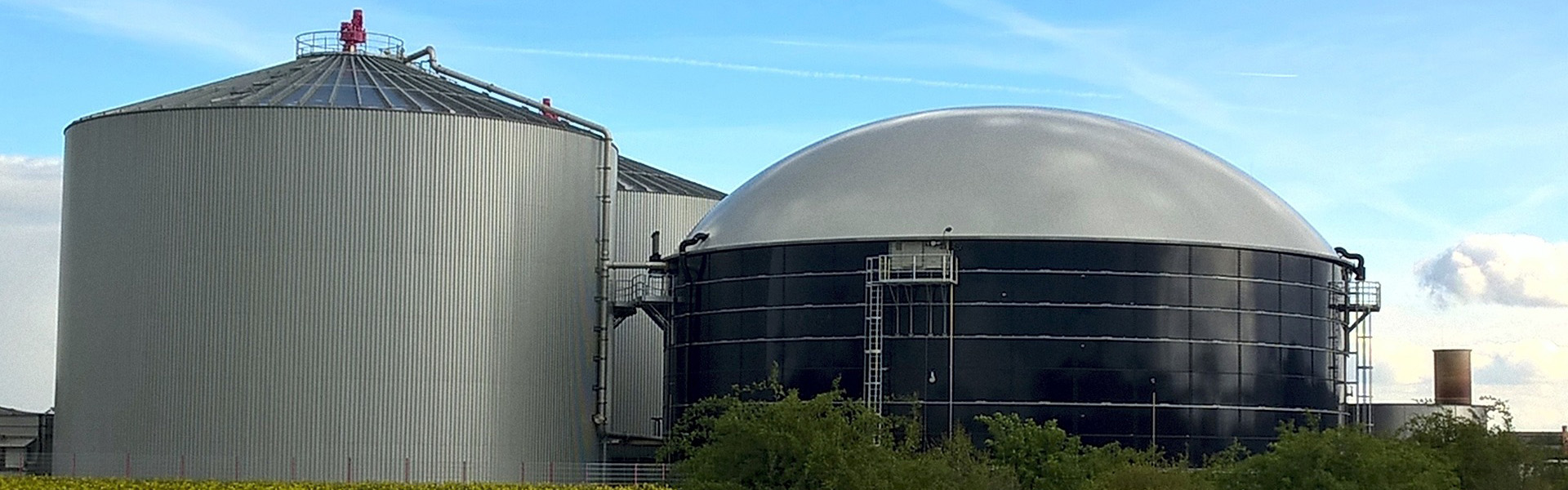
The renewable energy landscape is changing rapidly, and organic waste processing sits at the center of this transformation. Across farms, factories, and municipal waste sites, biogas plants are becoming essential infrastructure for managing waste while generating power. These systems capture natural decomposition processes to produce methane-rich gas that can heat homes, generate electricity, or fuel vehicles. Understanding the different configurations and technologies available helps investors and operators make informed decisions when entering this growing market.
The Basic Principle Behind All Biogas Plants
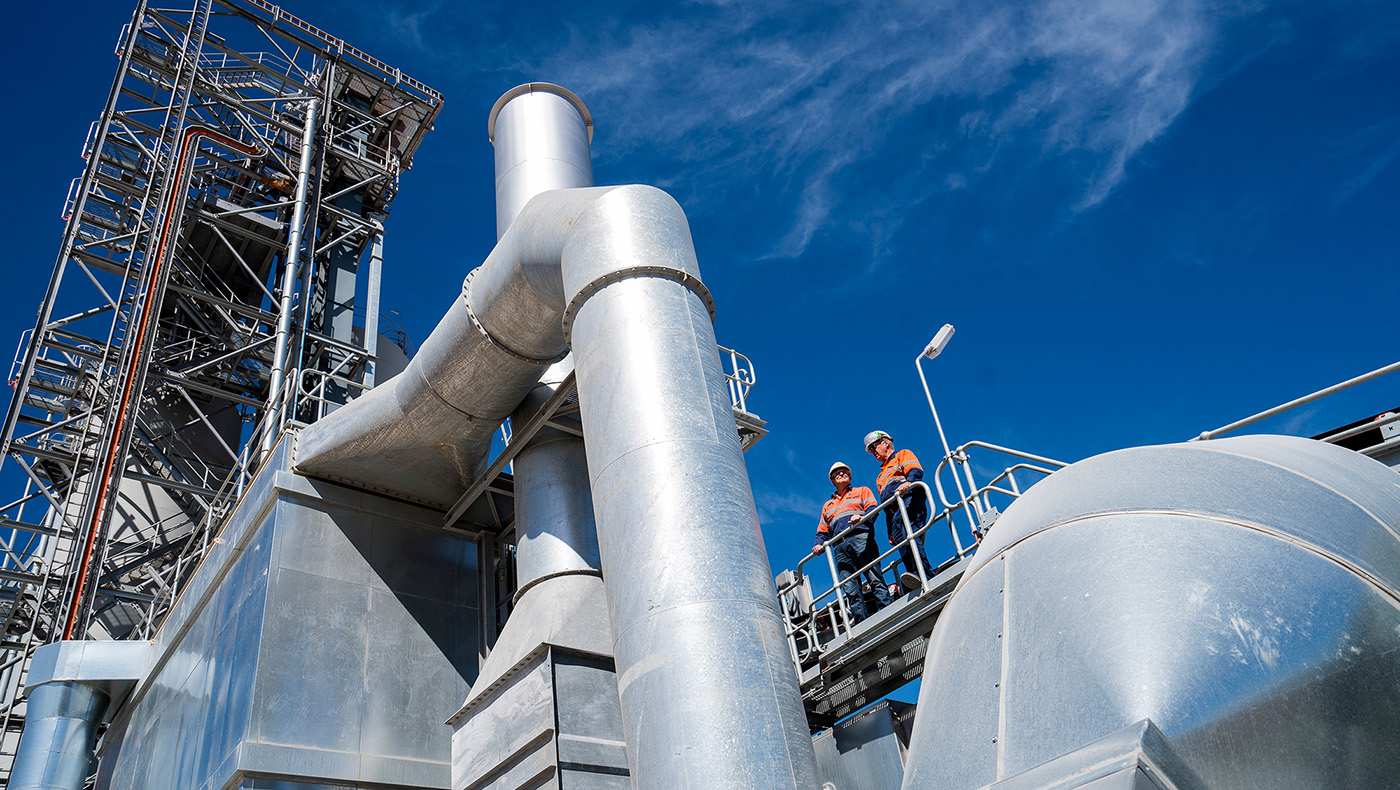
Every facility operates on the same biological principle. Microorganisms break down organic material in an oxygen-free environment. This anaerobic digestion releases a mixture of gases, primarily methane and carbon dioxide. The beauty of this process lies in its simplicity. Organic waste that would otherwise release methane into the atmosphere from landfills is instead captured in a controlled environment.
The equipment required varies based on scale and feedstock. However, all biogas plants share common components: a reception area for incoming material, digestion tanks, gas storage, and a system for utilizing the gas. The digestate left behind serves as a nutrient-rich fertilizer, closing the loop on the waste-to-value chain.
Agricultural Biogas Plants
Farms produce significant amounts of organic material. Manure, crop residues, and spoiled silage represent both a disposal challenge and an opportunity. Agricultural facilities are typically located on individual farms or serve multiple farms in a region. These biogas plants help farmers diversify their income streams while solving waste management problems.
The size of agricultural installations varies considerably. A small dairy operation might install a tank system handling manure from a few hundred cattle. Larger centralized facilities may process material from dozens of farms, along with purpose-grown energy crops. In Europe, particularly Germany and Denmark, agricultural biogas has become a standard part of modern farming operations. The digestate produced returns valuable nutrients to the fields, reducing the need for chemical fertilizers.
Industrial Wastewater Treatment Facilities
Food processing, beverage production, and other industries generate wastewater with high organic content. Discharging this water directly to municipal treatment systems often incurs high fees. Installing dedicated biogas plants on industrial sites allows companies to treat their wastewater internally while recovering energy.
Breweries, distilleries, and potato processing plants are excellent candidates for this technology. The organic compounds in their wastewater break down readily in anaerobic conditions. The biogas generated can offset natural gas consumption in boilers or run combined heat and power units. These industrial systems often use different reactor designs than agricultural plants. Upflow anaerobic sludge blanket reactors and internal circulation reactors handle high loading rates with relatively small footprints. For manufacturers in the food and beverage sector, these installations represent a proven path to reducing operational costs and meeting sustainability targets.
Municipal Solid Waste and Organic Recycling Facilities
Cities generate enormous quantities of organic waste. Kitchen scraps, yard trimmings, and food waste from commercial sources typically end up in landfills. Modern waste management strategies increasingly divert this material to dedicated biogas plants designed to handle the complexities of municipal organics.
These facilities require more sophisticated preprocessing than agricultural or industrial systems. The incoming waste stream contains contaminants like plastics, metals, and glass that must be removed before digestion. Advanced separation equipment, pasteurization units, and multi-stage digestion processes ensure the system runs smoothly. The payoff comes in the form of high gas yields and reduced landfill volumes. Many European cities now operate these facilities as standard practice, and adoption is growing in North America and Asia as landfill space becomes scarce and diversion targets become stricter.
Landfill Gas Recovery Systems
Landfills have been generating biogas naturally for decades. The difference with modern biogas plants is intentional design and capture. Landfill gas recovery involves installing a network of wells and pipes throughout a waste site to collect the gas produced by decomposing materials.
These systems differ from engineered digesters because they work with an existing waste mass rather than actively managed feedstock. Gas production fluctuates based on weather, waste composition, and landfill age. However, the scale can be substantial. Large landfills often generate enough gas to power thousands of homes. The equipment used focuses on gas extraction, treatment, and compression. While landfill gas contains lower methane concentrations than purpose-built digesters, the sheer volume of material makes these projects economically attractive. Many landfill operators now view gas recovery as a standard revenue stream rather than an afterthought.
Small-Scale and Decentralized Biogas Units
Not every situation calls for large infrastructure. Small-scale biogas plants serve individual households, small farms, or community facilities in developing regions. These systems use simple, low-cost designs that families can operate and maintain with minimal training.
Fixed-dome designs and floating-drum digesters have been used for decades in countries like India, Nepal, and Vietnam. A typical家庭 unit might process manure from a few cows and provide enough cooking gas for a household. This eliminates the need for firewood or charcoal, reducing deforestation and improving indoor air quality. International development programs have promoted these small installations for their multiple benefits. More recently, prefabricated small-scale systems have entered markets in developed countries for homeowners and small businesses looking to process kitchen waste. While the energy contribution from each individual unit is modest, the cumulative impact across millions of installations is significant.
Economic Considerations for Biogas Plants
Building any of these facilities requires careful financial analysis. Capital costs vary widely based on technology, scale, and location. Agricultural systems tend toward the lower end of the cost spectrum, while sophisticated municipal installations with extensive preprocessing represent premium investments. Operating expenses include feedstock handling, maintenance, and labor.
Revenue comes from multiple sources. Electricity sales, heat utilization, biomethane injection, tipping fees for accepting waste, and fertilizer sales all contribute. Successful biogas plants typically rely on two or more of these income streams to maintain profitability through market fluctuations. Government policies play a major role in many markets. Feed-in tariffs, renewable energy credits, and carbon markets can make the difference between a marginal project and a highly profitable one. Equipment manufacturers increasingly focus on helping customers navigate these financial considerations during the planning phase.
Environmental Benefits Beyond Energy
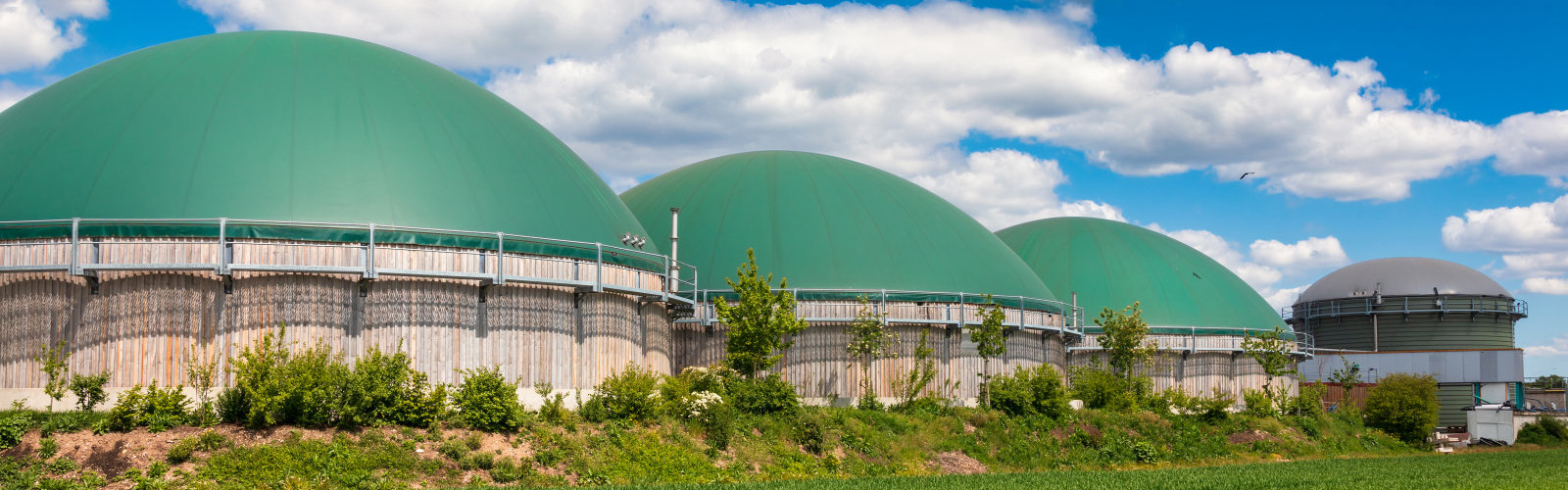
While energy production drives most projects, the environmental case for biogas plants extends further. Methane has a global warming potential many times higher than carbon dioxide over a 20-year period. Capturing methane from manure storage, landfills, and wastewater prevents this potent greenhouse gas from reaching the atmosphere.
The displacement of fossil fuels with renewable biogas provides additional climate benefits. When biogas replaces coal or natural gas for power generation, the net emissions reduction is substantial. Nutrient management improves when digestate replaces synthetic fertilizers. Pathogens and weed seeds are reduced during the digestion process. For communities facing air quality issues from open burning of agricultural waste, biogas offers an alternative that improves public health. These multiple benefits explain why policymakers increasingly support biogas development even when the pure energy economics appear challenging.
Technology Trends in Biogas Plants
Equipment continues to evolve. Membrane separation for biogas upgrading allows production of pipeline-quality natural gas at lower cost than older technologies. Prefabricated modular systems reduce installation time and improve quality control. Remote monitoring through industrial internet platforms lets operators track performance from anywhere.
Mixing technology has advanced to handle higher solids content while reducing energy consumption. Sensor systems provide real-time data on volatile fatty acids and other process indicators, allowing operators to optimize feeding rates. These improvements increase the reliability and profitability of modern biogas plants. Manufacturers investing in research and development gain competitive advantages in international markets where customers demand the latest technology.
The diversity of biogas plants reflects the variety of organic waste streams available worldwide. From small household units in rural Asia to massive industrial facilities serving cities, these systems turn disposal problems into energy solutions. As equipment manufacturers continue improving efficiency and reducing costs, adoption will likely accelerate. For anyone involved in waste management, farming, or renewable energy, understanding the options available in the biogas sector provides a foundation for sound investment decisions.
Frequently Asked Questions
Q1: How long does
it take to build a commercial biogas plant?
A1: Construction
timelines depend on size and complexity. Small agricultural systems may be
operational in 3-6 months. Larger industrial or municipal facilities typically
require 12-18 months from groundbreaking to commissioning, including permitting
and equipment delivery.
Q2: What
feedstocks work best in biogas plants?
A2: High-energy materials
like fats, oils, and food processing waste produce the most gas per ton. Manure
provides lower gas yields but excellent buffering capacity that stabilizes the
digestion process. Most successful facilities use a mix of feedstocks to balance
nutrition for the bacteria.
Q3: Do biogas
plants smell bad?
A3: Modern facilities are designed to contain
odors. The digestion process itself occurs in sealed tanks. Any odors come from
feedstock delivery and storage areas, which can be managed through building
ventilation systems connected to biofilters. Neighbors typically notice little
to no odor from well-run operations.
Q4: What
maintenance do biogas plants require daily?
A4: Operators check
temperatures, pressures, and gas production rates daily. They monitor feedstock
quality and manage delivery schedules. Mechanical components like pumps and
mixers need regular inspection. Most facilities also perform routine laboratory
analysis of digester contents to ensure biological stability.
Q5: Can
existing natural gas boilers use biogas directly?
A5: Yes, with
minor modifications. Natural gas equipment typically requires adjustments to
air-fuel ratios and burner configurations to handle biogas efficiently. For
high-biomethane content gas upgraded to pipeline quality, existing natural gas
appliances often need no modifications at all.