


From Waste to Wheel: How Biogas CNG Is Reshaping the Heavy-Duty Transport Sector
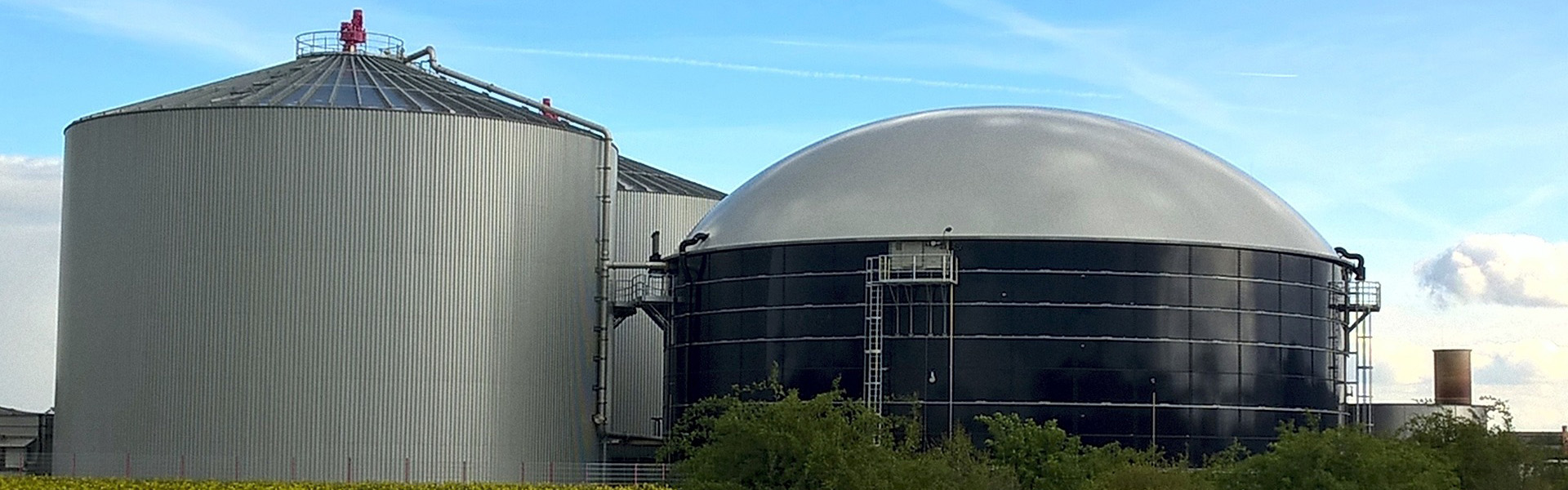
The transportation industry is under immense pressure to decarbonize, particularly in the heavy-duty sector where battery-electric solutions still face range and payload limitations. One alternative has moved from the fringes to the mainstream: biogas CNG. This is not merely compressed natural gas; it is renewable fuel derived from organic waste, upgraded to meet the strict purity standards required for vehicle fuel. Across Europe and North America, fleet operators are increasingly turning to biogas CNG as a direct replacement for diesel, leveraging existing natural gas vehicle technology while achieving negative carbon emissions. The shift represents a significant opportunity for biogas plant operators to enter the high-value transport fuel market, provided they understand the technical and regulatory landscape.
What Exactly Defines Biogas CNG in the Current Market
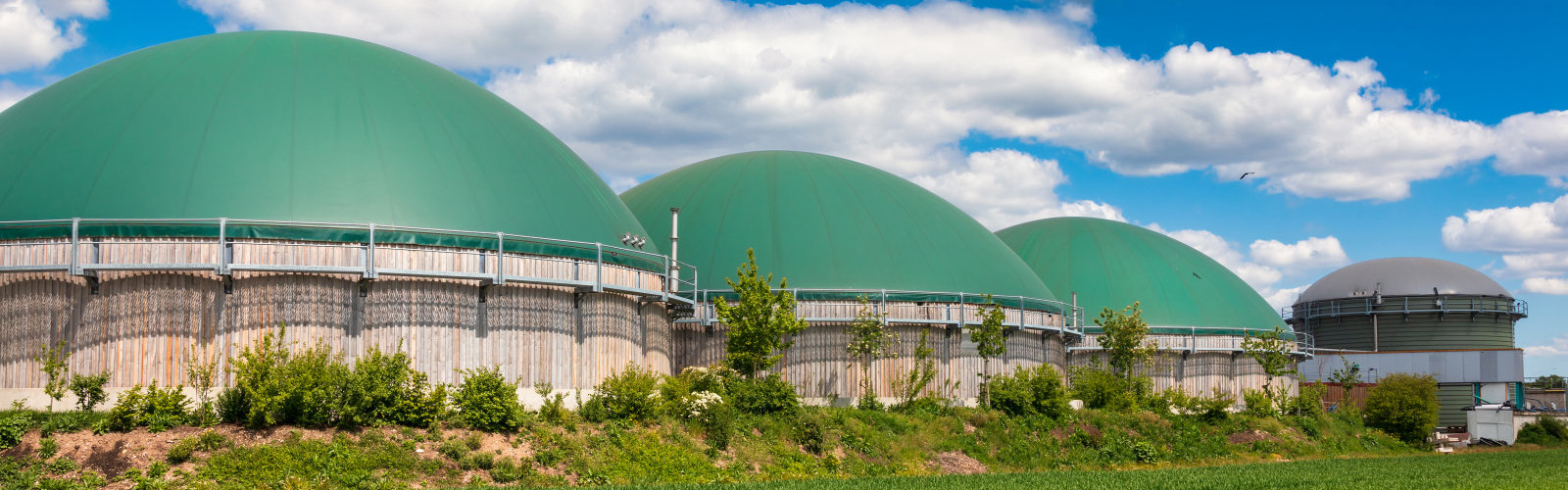
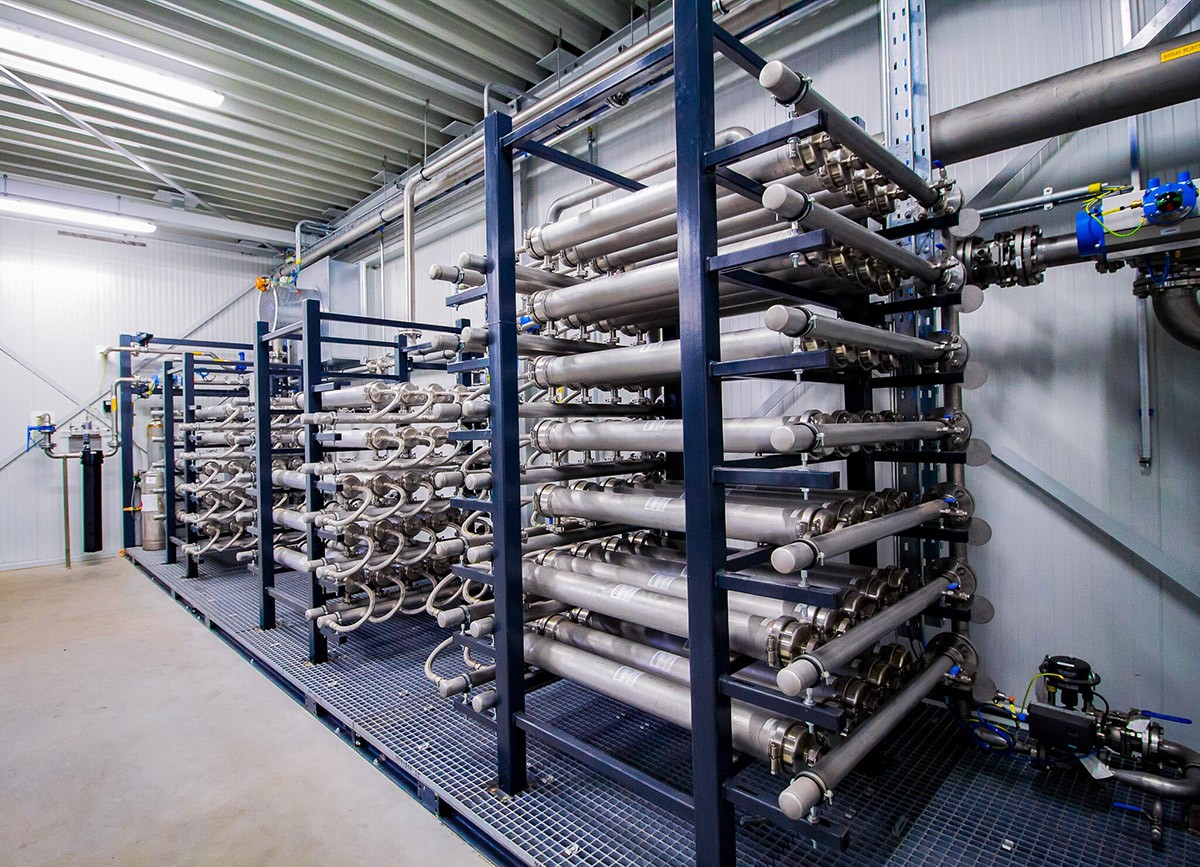
When we talk about biogas CNG, we refer to biomethane that has been compressed to a pressure of 200 to 250 bar to serve as a vehicle fuel. The distinction between raw biogas and biogas CNG is critical. Raw biogas typically contains 50-65% methane, along with carbon dioxide, hydrogen sulfide, and moisture. To become biogas CNG, this raw gas must undergo a rigorous upgrading process—typically via water scrubbing, pressure swing adsorption (PSA), or membrane separation—to achieve methane concentrations above 96%.
Once upgraded, the biomethane is chemically identical to fossil natural gas. The final compression stage then transforms it into biogas CNG, ready for dispensing into heavy-duty trucks, refuse collection vehicles, or municipal buses. What makes this fuel particularly attractive is its carbon intensity score. In California’s Low Carbon Fuel Standard (LCFS) program, biogas CNG produced from dairy waste can achieve carbon intensity values as low as -300 gCO₂e/MJ, effectively meaning its use removes carbon from the atmosphere rather than adding it.
The Technical Backbone: Compression and Upgrading Systems
Producing biogas CNG at commercial scale requires a carefully orchestrated combination of gas upgrading and compression technologies. The upgrading unit removes CO₂ and impurities, but the compression stage is where the fuel is shaped into its final form.
A typical biogas CNG fueling station or cascade system uses a multi-stage compressor designed specifically for high-pressure methane applications. Unlike standard industrial compressors, units handling biogas CNG must achieve leak-tight seals to prevent methane slip—a critical environmental and safety concern. Oil-free reciprocating compressors have become the industry standard for this application, as any oil carryover would contaminate the vehicle fuel and potentially damage the on-board fuel systems of natural gas vehicles. Many modern facilities now integrate the compressor directly with the upgrading skid, creating a seamless process from raw gas intake to vehicle fueling nozzle.
Quality Standards and Certification for Vehicle Fuel
Entering the biogas CNG market means submitting to strict quality control regimes. In Europe, the standard EN 16723 governs biomethane for injection into natural gas grids and for use as transport fuel. For biogas CNG, parameters such as water dew point, methane number, and the absence of particulates are tightly controlled.
In North America, the ASTM D1945 and D3588 standards define acceptable fuel composition. Any producer of biogas CNG must install online gas chromatographs to continuously monitor methane content and contaminants. Sulfur content is particularly scrutinized; biogas CNG intended for vehicle use must have total sulfur below 30 mg/m³ to prevent corrosion in high-pressure storage cylinders and fuel system components. Certification bodies like the Renewable Energy Directive (RED) in Europe or the Environmental Protection Agency (EPA) in the US also require rigorous chain-of-custody documentation to verify that the biogas CNG meets renewable fuel standards.
Economic Drivers: Fueling Contracts and Carbon Credits
The business case for producing biogas CNG differs significantly from simply selling electricity or injecting gas into a pipeline. The transport fuel market typically offers premium pricing, especially in jurisdictions with strong carbon credit mechanisms.
A producer of biogas CNG can monetize the fuel in three distinct revenue streams: the physical sale of the fuel, renewable identification numbers (RINs) in the US, or LCFS credits in California and Oregon. In many cases, these credits represent 50-70% of the total revenue per gallon of biogas CNG. For plant operators, this means long-term offtake agreements with fuel retailers or large fleet operators become the foundation of project financing. A typical 500 Nm³/h upgrading facility producing biogas CNG can fuel upwards of 1,500 heavy-duty trucks per day, generating annual revenues that far exceed those of a purely grid-injection project.
Infrastructure Considerations for Dispensing and Storage
Moving biogas CNG from the production facility to the vehicle requires specialized infrastructure. There are two primary models: on-site fueling stations located directly at the biogas plant, or virtual pipeline systems where biogas CNG is transported via tube trailers to remote retail stations.
For on-site stations, the biogas CNG is typically stored in cascade storage systems consisting of multiple high-pressure cylinders. This allows for fast-fill dispensing, where a heavy-duty truck can be fueled in under 10 minutes. For virtual pipelines, the biogas CNG is loaded into tube trailers at pressures up to 250 bar and transported to satellite stations. This model is particularly common in agricultural regions where the biogas production site is distant from major transport corridors. The tube trailers themselves represent a significant capital investment, often costing $200,000 to $300,000 per unit, but they enable producers to access urban fuel markets without constructing permanent pipeline infrastructure.
Safety Protocols in High-Pressure Methane Operations
Working with biogas CNG at 250 bar introduces risks that must be managed through rigorous safety design. Methane is lighter than air and forms explosive mixtures at concentrations between 5% and 15% in air. Facilities handling biogas CNG must incorporate gas detection systems throughout the compressor building and dispensing areas.
All electrical equipment in areas where biogas CNG is present must meet hazardous location classifications—typically Zone 1 or Zone 2 under ATEX in Europe, or Class I Division 1 under NEC in North America. The high-pressure storage vessels themselves are subject to strict inspection regimes; hydrostatic testing is required at regular intervals to verify integrity. Personnel handling biogas CNG must be trained in emergency shutdown procedures and the unique properties of high-pressure methane releases, which can cause cold burns due to the Joule-Thomson effect when gas expands rapidly.
The Role of Biogas CNG in Circular Economy Models
One of the most compelling aspects of biogas CNG is how it closes the loop in circular economy systems. When used in refuse collection trucks, the fuel is literally powering the vehicles that collect the organic waste which was processed to create the biogas CNG in the first place.
Several municipalities in Europe have adopted this closed-loop model. The trucks that collect household food waste run on biogas CNG produced from that very same waste stream. This creates a self-sustaining system where the cost of waste collection is partially offset by the value of the fuel produced. For fleet managers, the switch to biogas CNG also provides predictable fuel costs, as biomethane prices are generally less volatile than diesel, which is subject to global crude oil markets.
Comparing Biogas CNG to Other Renewable Fuels
In the renewable fuels landscape, biogas CNG competes with biodiesel, renewable diesel (HVO), and battery-electric solutions. Each has its place, but biogas CNG holds distinct advantages for specific applications.
Biodiesel and HVO still rely on agricultural feedstocks that raise land-use concerns, while biogas CNG utilizes genuine waste streams. Battery-electric trucks face weight penalties—the batteries for a long-haul truck can weigh over 4,000 kg, reducing payload capacity. For biogas CNG, the weight of the fuel system is comparable to diesel, and range exceeds 1,000 kilometers on a single fill. The fueling infrastructure for biogas CNG is also more mature than high-power DC charging networks for heavy trucks. From a well-to-wheel efficiency perspective, biogas CNG may not match the efficiency of direct electrification, but its ability to deliver negative carbon emissions makes it an indispensable tool for meeting aggressive climate targets.
Future Outlook: Bio-LNG and the Maritime Connection
While biogas CNG is well-established for heavy-duty road transport, the industry is now seeing a parallel growth in bio-LNG (liquefied biomethane). For long-haul international transport, bio-LNG offers even greater energy density than biogas CNG and is beginning to penetrate the maritime sector.
However, biogas CNG will remain the dominant form of renewable gas for regional transport fleets and municipal applications. The capital cost for a biogas CNG fueling station is significantly lower than a liquefaction facility, making it accessible to smaller producers. As engine manufacturers continue to refine natural gas engine technology, the efficiency gap between biogas CNG and diesel continues to narrow. Combined with the expanding network of public biogas CNG fueling stations in countries like Germany, Italy, and the United States, the fuel is poised for continued growth as the decarbonization timeline for transport accelerates.
Frequently Asked Questions (FAQ)
Q1: Can any
natural gas vehicle run on biogas CNG without
modifications?
A1: Yes. Once upgraded
and compressed, biogas CNG is chemically
identical to fossil compressed natural gas. Any vehicle designed to operate on
CNG—whether a passenger car, bus, or heavy-duty truck—can run
on biogas CNG without any engine
modifications. The fueling infrastructure, including the vehicle’s on-board
storage cylinders and fuel system, is exactly the same.
Q2: What is the
typical cost to set up a biogas CNG fueling
station?
A2: The cost varies widely
depending on capacity and whether the station is a private fleet facility or a
public retail station. A small private biogas
CNG station with a single dispenser and 4,000 gallons
per day capacity typically costs between $800,000 and $1.5 million. Larger
public stations with multiple dispensers and higher flow rates can exceed $3
million. These costs include the high-pressure compressor, storage cascade,
dispensers, and gas detection systems.
Q3: Is biogas CNG
truly carbon negative, and how is that
calculated?
A3: Biogas
CNG can achieve carbon-negative status when produced
from waste sources like dairy manure or landfill gas. The calculation under
programs like California’s LCFS accounts for methane that would have been
released into the atmosphere if the waste had not been captured. Methane has a
global warming potential 28 to 84 times greater than CO₂ over a 20-year period.
By capturing that methane and converting it to biogas
CNG to displace diesel, the net effect is a reduction
in atmospheric greenhouse gases greater than the combustion emissions, resulting
in a negative carbon intensity score.
Q4: What purity
standards must biogas CNG meet for vehicle
use?
A4: Biogas
CNG must meet stringent specifications. Methane
content must typically exceed 96%. Water dew point must be below -20°C at the
operating pressure to prevent freezing in high-pressure systems. Total sulfur
must be under 30 mg/m³, and particulate matter must be removed to protect fuel
injectors. In Europe, compliance with EN 16723 is standard; in North America,
ASTM D1945 defines the required gas composition for biogas
CNG used in vehicle applications.
Q5: How much
biogas is needed to fuel a heavy-duty truck
fleet?
A5: A typical Class 8
heavy-duty truck consumes approximately 30 to 40 diesel gallon equivalents (DGE)
of biogas CNG per day, depending on route
length and load. To fuel a fleet of 50 trucks, a facility would need to produce
roughly 1,500 to 2,000 DGE of biogas
CNG daily. In terms of raw biogas production, this
translates to approximately 350 to 500 Nm³/h of raw gas input, assuming a
typical upgrading yield of 98% methane recovery and a methane content of 55% in
the raw gas.