


News
We'll get back to you as soon as possible.
6 Critical Upgrades for a Modern Bio Ethanol Plant: Maximizing Biogas Yield and Process Integration
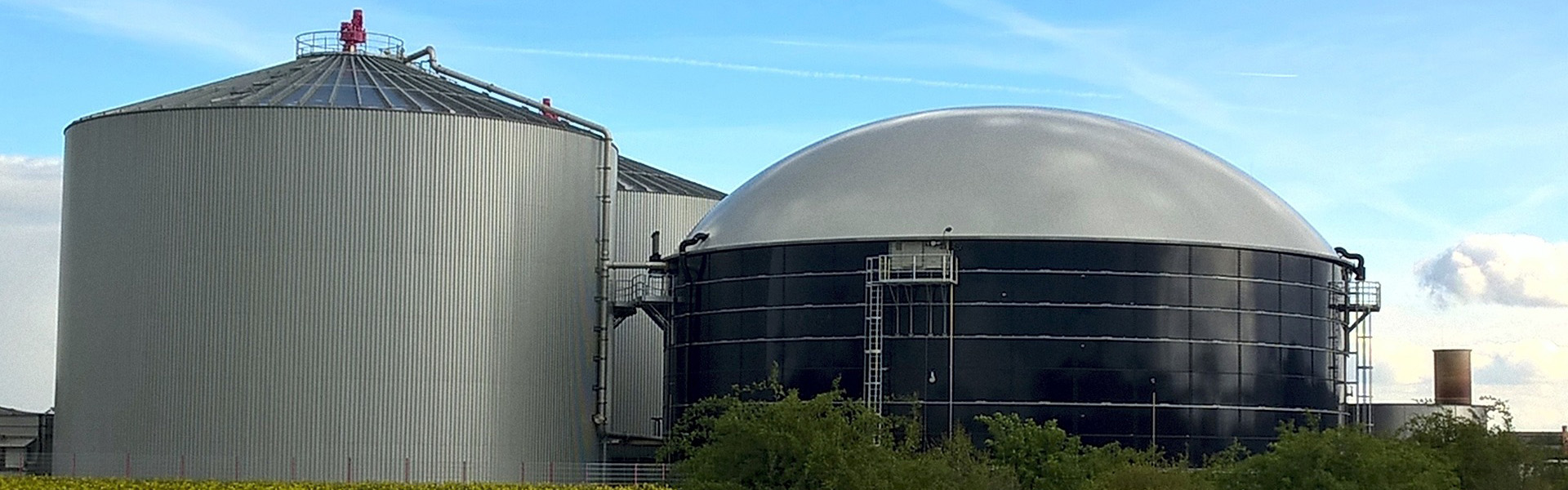
Operating a bio ethanol plant in today’s environment requires more than just fermentation efficiency. The integration of advanced biogas upgrading systems, carbon capture, and waste-to-value processes has become essential. Many facility managers overlook the symbiotic relationship between ethanol production and biogas generation. However, a well-optimized bio ethanol plant can convert its organic residues into high-purity biomethane, drastically reducing natural gas purchases and carbon intensity scores. This article outlines six critical technical upgrades that transform a conventional bio ethanol plant into a biorefinery with superior economic and environmental performance.
1. Anaerobic Digestion Integration for Stillage Processing
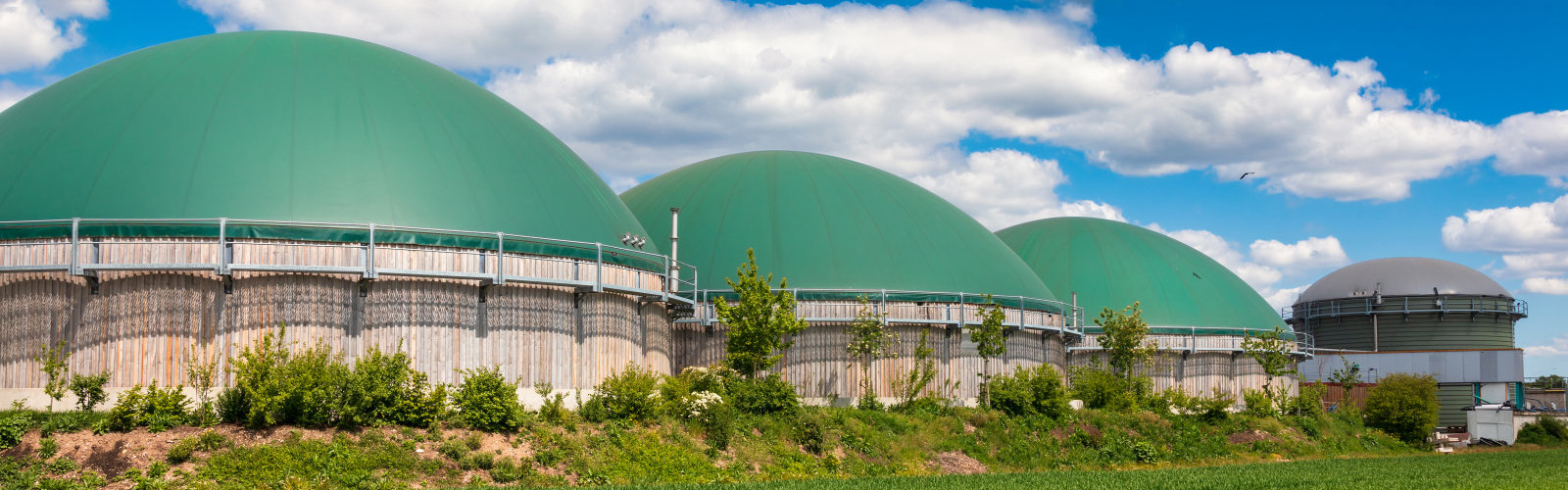
The most significant untapped resource in any grain-based bio ethanol plant is the thin stillage and syrup streams. Traditional dry mill facilities typically send these streams to evaporators, consuming substantial thermal energy. By integrating a high-rate anaerobic digester, the bio ethanol plant can convert soluble organic loads into biogas containing 55–65% methane.
This biogas, when upgraded, replaces fossil natural gas in the plant’s thermal oxidizers or boilers. For a 100-million-gallon-per-year bio ethanol plant, anaerobic digestion can generate up to 600 MMBtu/day of biogas, offsetting 30–40% of natural gas consumption. The digested effluent also produces a higher-value animal feed co-product with reduced viscosity.
2. Biogas Upgrading: Membrane vs. PSA Technology
Raw biogas from digesters contains significant CO₂, H₂S, and moisture, making it unsuitable for direct injection into thermal systems or natural gas grids. A modern bio ethanol plant must incorporate a biogas upgrading system that delivers pipeline-spec biomethane. Two primary technologies dominate this space: pressure swing adsorption (PSA) and membrane separation.
PSA systems offer high methane recovery (98–99%) and are robust for variable biogas flows. Membrane systems provide a smaller footprint and lower capital cost but require careful pre-treatment to remove siloxanes and VOCs. For a bio ethanol plant with steady stillage composition, membrane systems have become increasingly reliable. The upgraded biomethane can be used for process heat, power generation, or injected into local gas networks under renewable natural gas (RNG) programs.
3. Carbon Capture and Liquefaction for LCFS Credits
Fermentation itself produces a highly concentrated CO₂ stream—typically 99% purity. Rather than venting this coproduct, a forward-thinking bio ethanol plant can install carbon capture and liquefaction systems. The captured biogenic CO₂ serves multiple markets: food-grade applications, enhanced oil recovery, or industrial gas supply.
More importantly, under Low Carbon Fuel Standard (LCFS) programs in California and Oregon, sequestering fermentation CO₂ or using it for beneficial purposes generates additional carbon credits. For a bio ethanol plant producing 100 million gallons annually, carbon capture can add $5–10 million in annual revenue through credit generation while reducing the facility’s carbon intensity (CI) score by 10–15 points.
4. Waste Heat Recovery from Biogas Combustion
Thermal efficiency often lags in older ethanol facilities. A significant upgrade involves installing waste heat recovery systems on biogas boilers or thermal oxidizers. The recovered heat can pre-heat digester feedstocks, evaporate syrup, or provide space heating for fermentation areas.
Implementing a combined heat and power (CHP) configuration at a bio ethanol plant further amplifies efficiency. Using upgraded biomethane in a gas turbine or reciprocating engine generates electricity and captures thermal energy for process needs. Overall efficiencies can exceed 80%, compared to 35–40% for grid power and separate boiler operation.
5. Advanced Water Recycling and Zero Liquid Discharge (ZLD)
Water intensity remains a key sustainability metric for any bio ethanol plant. Traditional facilities consume 3–4 gallons of water per gallon of ethanol. By implementing membrane bioreactors (MBRs) and reverse osmosis (RO) systems, plants can recycle up to 90% of process water.
Zero liquid discharge (ZLD) configurations, using evaporators and crystallizers, allow the bio ethanol plant to eliminate wastewater discharge entirely. This not only meets stringent environmental permits but also recovers valuable salts and nutrients. The economics improve when combined with anaerobic digestion, as the digestate can be dewatered and sold as organic fertilizer.
6. Digital Process Optimization and AI-Based Control
The complexity of integrating ethanol production, anaerobic digestion, biogas upgrading, and carbon capture demands advanced process control. A modern bio ethanol plant employs distributed control systems (DCS) with predictive analytics and machine learning algorithms.
These systems optimize fermentation schedules, digester feed rates, and upgrading parameters in real time. For example, AI can predict stillage composition based on incoming grain quality, adjusting digester loading to maintain optimal biogas output. Data from the bio ethanol plant is continuously logged to create digital twins, enabling operators to simulate changes before implementation, reducing downtime and increasing throughput by 5–8%.
Economic Case: Combining Upgrades for Maximum Value
Implementing these six upgrades transforms a conventional bio ethanol plant into a multi-product biorefinery. The combined effect of biogas substitution, carbon credits, water recycling, and advanced control yields an internal rate of return (IRR) typically exceeding 20% for facilities of 50 million gallons per year or larger.
Capital costs vary widely based on existing infrastructure, but modular systems for biogas upgrading and carbon capture have declined significantly over the past five years. Many bio ethanol plant operators are now using energy service contracts or third-party financing to deploy these technologies with minimal upfront investment.
Regulatory Drivers and Market Incentives
Policy support continues to accelerate investment in bio ethanol plant upgrades. The Renewable Fuel Standard (RFS) in the United States, the Renewable Energy Directive (RED III) in Europe, and various state-level LCFS programs all reward the production of low-carbon biofuels.
For a bio ethanol plant that implements biogas upgrading and carbon capture, the resulting renewable natural gas and low-CI ethanol generate multiple revenue streams: fuel sales, RINs (Renewable Identification Numbers), LCFS credits, and carbon offsets. This policy landscape has created a robust business case for even mid-sized facilities to pursue comprehensive retrofits.
Future-Proofing the Bio Ethanol Plant
The industry is moving toward “net-zero” production by 2030–2035. Facilities that delay upgrades risk becoming stranded assets. Early adopters of integrated biogas, carbon capture, and water recycling will capture premium markets, secure long-term offtake agreements, and maintain competitive positioning.
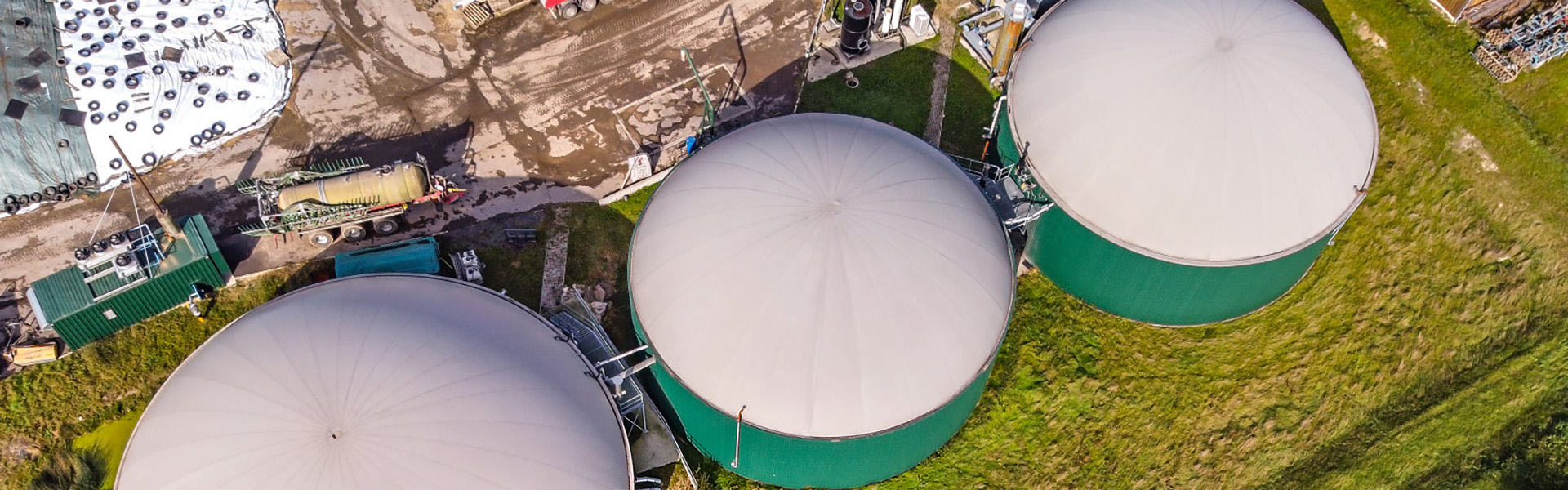
Leading companies now view the bio ethanol plant not as a single-product facility but as a platform for multiple renewable commodities: ethanol, biomethane, biogenic CO₂, and organic fertilizers. This diversification stabilizes revenue against volatile commodity prices and aligns with investor ESG expectations.
Frequently Asked Questions (FAQ)
Q1: What is the typical payback period for installing a biogas upgrading system at a bio ethanol plant?
A1: For a standard 50–100 million gallon per year bio ethanol plant, the payback period for a biogas upgrading system (including anaerobic digestion and membrane/PSA upgrading) ranges from 3 to 5 years. This is based on natural gas displacement savings of $6–10 per MMBtu and available renewable energy incentives. Facilities that also qualify for LCFS credits or RINs often achieve payback in under 3 years.
Q2: Can a bio ethanol plant inject upgraded biomethane directly into the natural gas pipeline?
A2: Yes, provided the bio ethanol plant installs a gas cleanup system that meets pipeline specifications. This typically includes hydrogen sulfide removal (to <4 ppm), moisture drying (to <7 lb/MMscf), and oxygen removal (<1%). The upgraded gas must also be odorized and metered. Many utilities have interconnection standards for renewable natural gas; working with the local gas utility early in the project is essential.
Q3: How does carbon capture at a bio ethanol plant affect the carbon intensity score?
A3: Carbon capture reduces the carbon intensity (CI) score of the ethanol by preventing biogenic CO₂ from being released to the atmosphere. For a bio ethanol plant that captures and sequesters fermentation CO₂, CI scores can drop by 10–20 points, depending on the capture rate and sequestration method. Under the California LCFS, this can increase credit generation by $1–2 per gallon of ethanol.
Q4: What are the main challenges when integrating anaerobic digestion into an existing bio ethanol plant?
A4: The primary challenges include: 1) Space constraints for digester tanks and biogas handling equipment, 2) Managing the sulfur content in stillage to prevent H₂S corrosion, 3) Balancing the water balance as digestate returns to the evaporators, and 4) Ensuring reliable feedstock consistency from the front-end process. Successful integration requires detailed mass balance modeling and often involves a phased approach starting with a portion of the stillage stream.
Q5: What incentives are currently available for bio ethanol plant upgrades in the United States?
A5: Several incentives apply: 1) The Inflation Reduction Act (IRA) provides a 45Q tax credit for carbon capture ($85/ton for permanent sequestration), 2) The 45Z Clean Fuel Production Credit offers up to $1.00 per gallon for low-CI ethanol, 3) USDA’s Rural Energy for America Program (REAP) provides grants up to 50% of project costs for renewable energy systems, and 4) State-level LCFS programs in California, Oregon, and Washington provide per-ton credits for biomethane and low-CI ethanol. Many utilities also offer interconnection and interconnection cost-sharing for renewable natural gas projects.
Modernizing a bio ethanol plant with these six critical upgrades creates a resilient, multi-product facility capable of thriving in a carbon-constrained economy. The integration of biogas upgrading, carbon capture, water recycling, and advanced control systems not only improves the bottom line but also positions the facility as a leader in sustainable biofuel production. For plant managers and investors, the time to evaluate these technologies is now, as policy tailwinds and technology maturity have aligned to make comprehensive retrofits both economically and operationally compelling.