


News
We'll get back to you as soon as possible.
5 Performance Metrics That Define a High-Yield Anaerobic Digestion System for Biogas Upgrading
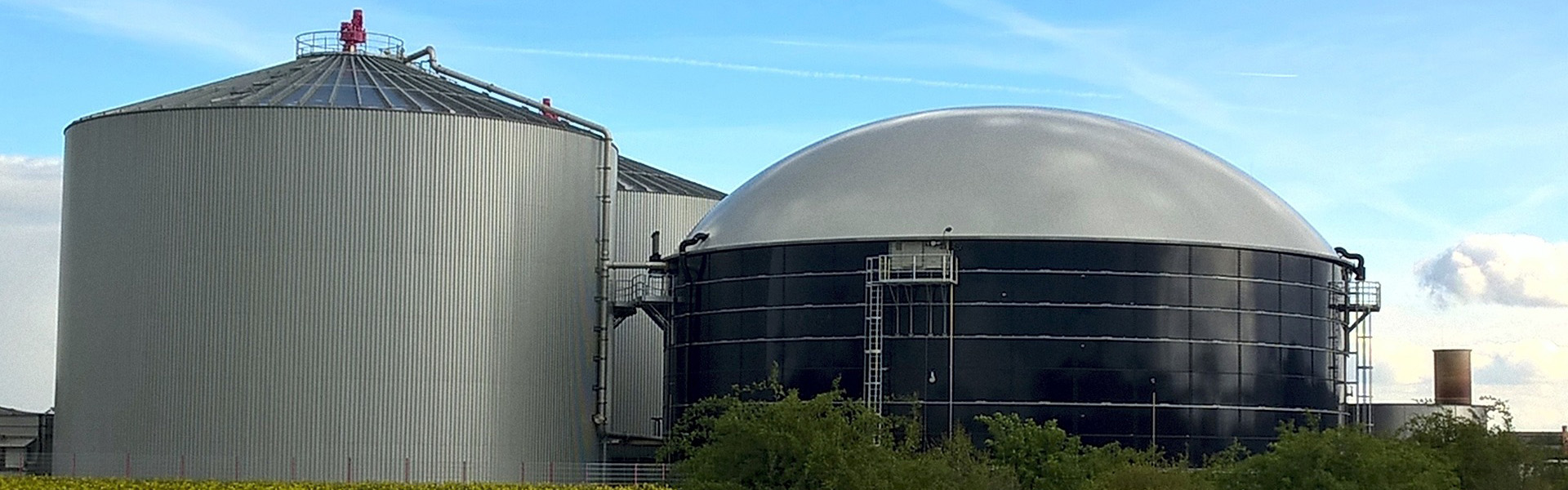
Selecting the right anaerobic digestion system for industrial biogas production goes far beyond choosing a tank and a mixer. For facilities processing agricultural waste, food processing residuals, or municipal organic fractions, the performance of the anaerobic digestion system directly determines the quality and quantity of biogas available for upgrading to biomethane. Operators in the international biogas sector have learned that focusing on five specific performance metrics separates profitable, stable facilities from those plagued by downtime and variable gas quality. This article breaks down those metrics and explains how modern anaerobic digestion system design, combined with advanced biogas upgrading equipment, delivers consistent returns.
1. Organic Loading Rate Stability
One of the first indicators of a well-engineered anaerobic digestion system is its ability to maintain stable organic loading rates (OLR). OLR measures the mass of volatile solids fed per cubic meter of digester volume per day. A high-performance anaerobic digestion system operates within a consistent OLR range—typically 3 to 6 kg VS/m³/day for wet systems—without experiencing volatile fatty acid accumulation or pH drops.
When OLR fluctuates, the microbial community struggles to keep pace. The result is reduced biogas yield, increased hydrogen sulfide concentrations, and foam formation. Modern anaerobic digestion system controls include online volatile fatty acid analyzers and feed-forward algorithms that adjust feedstock pumping based on real-time gas production data.
Facilities that maintain stable OLR report methane yields 15–20% higher than those with frequent load variations. This directly impacts the economics of the downstream biogas upgrading equipment, which operates most efficiently with consistent inlet gas composition and flow rates.
2. Methane Yield Per Ton of Feedstock
Methane yield—measured as normal cubic meters of methane per ton of volatile solids (Nm³ CH₄/t VS)—remains the ultimate efficiency metric for any anaerobic digestion system. Theoretical maximum yields vary by feedstock: energy crops deliver 350–450 Nm³/t VS, while food waste can reach 500–600 Nm³/t VS. However, achieving these numbers in practice requires precise process control.
Superior anaerobic digestion system design incorporates multiple stages: a hydrolysis tank for complex polymers, followed by a methanogenic reactor with optimized retention times. This two-stage configuration allows each microbial group to operate under ideal conditions. Facilities using such configurations report consistently achieving 85–90% of theoretical methane potential.
For the biogas upgrading plant, higher methane content in the raw gas (55–65% vs. 50–55% in single-stage systems) reduces the energy required for CO₂ separation, lowering operational costs by 10–15%.
3. Hydrogen Sulfide Concentration Control
Raw biogas from any anaerobic digestion system contains hydrogen sulfide (H₂S), typically ranging from 500 to 5,000 ppm depending on feedstock sulfur content. High H₂S concentrations cause corrosion in engines, boilers, and especially in biogas upgrading membranes. Controlling H₂S at the source—within the anaerobic digestion system—reduces downstream treatment costs.
Several methods achieve this. Microaeration, where small amounts of oxygen are injected into the digester headspace, promotes the growth of sulfide-oxidizing bacteria. This biological desulfurization can reduce H₂S by 90–95% without chemical addition. Other facilities use iron chloride dosing directly into the feedstock, precipitating iron sulfide within the digester.
Operators who actively manage H₂S within the anaerobic digestion system find that their biogas upgrading equipment requires 50% less frequent polishing media replacement and experiences significantly lower membrane fouling rates.
4. Hydraulic Retention Time Optimization
Hydraulic retention time (HRT) represents the average time feedstock remains inside the anaerobic digestion system. Shorter HRT increases throughput but risks washing out slow-growing methanogens. Longer HRT improves conversion but requires larger vessels. Modern plants balance these factors through careful solids retention time (SRT) management.
Advanced anaerobic digestion system configurations separate HRT from SRT using internal settling zones or external membrane filtration. These systems retain active biomass while allowing treated effluent to exit quickly. Results show SRT exceeding 30 days while HRT drops to 10–15 days—a combination that increases volumetric methane productivity by 40% compared to conventional continuously stirred tank reactors.
This efficiency gain matters for biogas upgrading because it produces a more consistent biogas flow rate, allowing the gas conditioning equipment to run at steady-state conditions rather than constantly adjusting to flow variations.
5. Process Temperature Stability
Temperature stability separates high-performing anaerobic digestion system installations from those that struggle with seasonal variability. Most industrial systems operate in the mesophilic range (35–40°C) or thermophilic (50–55°C). Thermophilic systems offer higher reaction rates and better pathogen kill, but they are more sensitive to temperature swings.
Best-in-class anaerobic digestion system installations use heat exchangers that recover waste heat from biogas upgrading compressors or combined heat and power (CHP) units. This integrated thermal management maintains temperature within ±0.5°C of setpoint, even during cold weather or feedstock changes. Temperature stability directly correlates with methane yield consistency—systems with tight temperature control report 8–12% higher annual gas production than those with swings exceeding 2°C.
Selecting Biogas Upgrading Equipment to Match Digester Performance
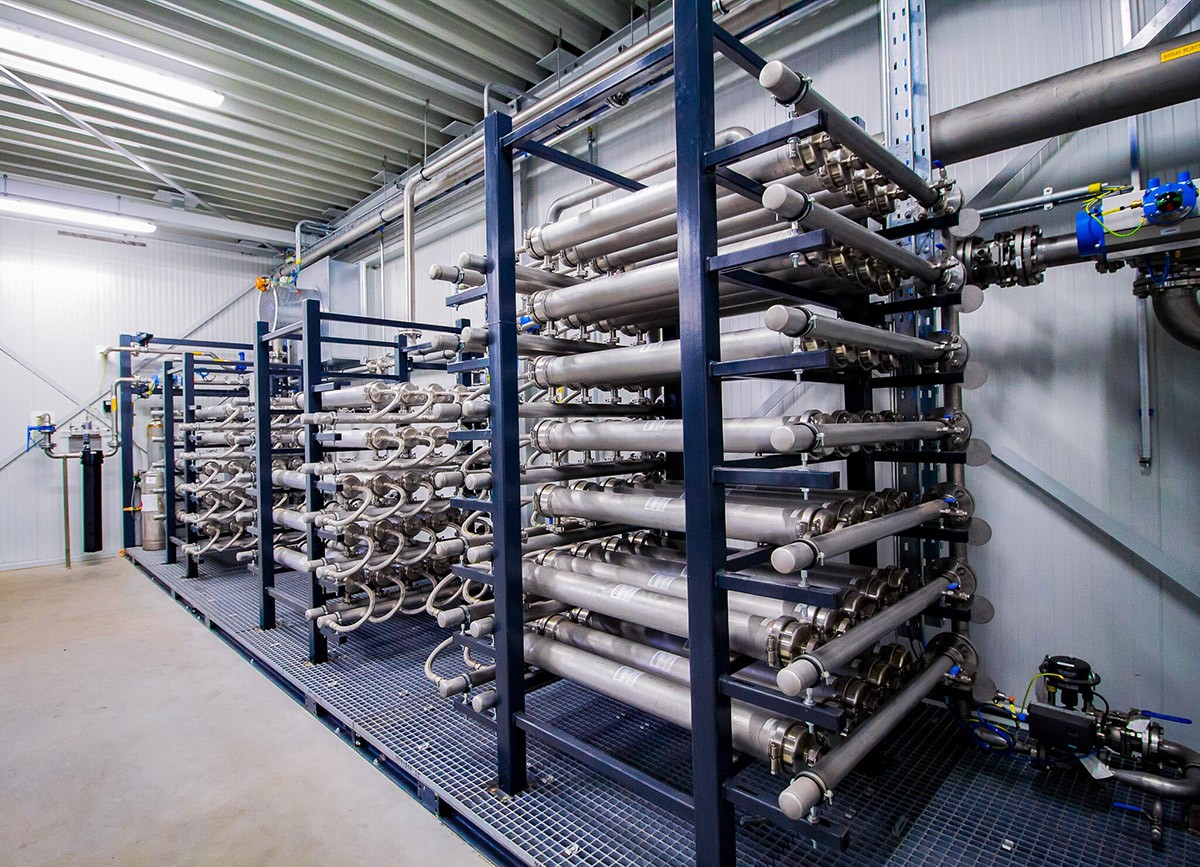
Even the best anaerobic digestion system produces raw biogas that contains moisture, H₂S, siloxanes, and CO₂. The biogas upgrading plant must be sized and configured to match the specific characteristics of that gas. Water scrubbing, pressure swing adsorption (PSA), and membrane systems all require different inlet gas specifications.
Facilities that design their anaerobic digestion system and upgrading equipment as an integrated system achieve the lowest total cost of ownership. For example, a digester with biological desulfurization can feed directly into a membrane upgrading system without a separate chemical polishing step, reducing capital costs by 15–20%.
Similarly, when the anaerobic digestion system produces consistent gas pressure (50–100 mbar), the biogas upgrading compressors run with fewer starts and stops, extending equipment life and reducing maintenance frequency.
Monitoring and Control Systems for Modern Digesters
Digitalization has transformed anaerobic digestion system management. Modern facilities deploy sensors for pH, redox potential, temperature, and gas composition at multiple points. Cloud-based supervisory control and data acquisition (SCADA) platforms aggregate this data, providing operators with real-time visibility into process health.
Predictive algorithms alert operators to impending instability—such as early-stage volatile fatty acid accumulation—allowing corrective action before gas production drops. This predictive capability increases overall anaerobic digestion system uptime to over 95%, compared to 85% for manually controlled facilities.
Biogas upgrading plants connected to these control systems automatically adjust their operating parameters based on incoming gas quality, maintaining high methane recovery rates (97–99%) even when feedstock composition varies.
Case Examples of Performance-Driven Installations
Several European and North American facilities demonstrate the value of focusing on these five metrics. A food waste anaerobic digestion system in the Netherlands achieved 92% of theoretical methane yield by implementing two-stage digestion with microaeration for H₂S control. The facility’s membrane upgrading plant operates at 98% availability, producing pipeline-spec biomethane with less than 1 ppm H₂S.
Another installation, processing agricultural residues in California, integrated waste heat from its biogas upgrading compressors to maintain digester temperature. This thermal integration improved gas production by 12% and reduced the anaerobic digestion system’s auxiliary power consumption by 18%.
These examples confirm that operational excellence begins with the anaerobic digestion system itself, not merely with the upgrading equipment downstream.
Frequently Asked Questions (FAQ)
Q1: What is the typical lifespan of an industrial anaerobic digestion system?
A1: A properly designed and maintained anaerobic digestion system typically operates for 20 to 25 years before major tank or component replacement. Stainless steel digesters with proper corrosion protection and regular inspection often exceed this timeframe. The mechanical components—pumps, mixers, and gas handling equipment—generally require replacement or major overhaul every 10 to 15 years depending on duty cycle and maintenance quality.
Q2: How does feedstock variation affect the anaerobic digestion system's performance?
A2: Feedstock variation is one of the biggest challenges for any anaerobic digestion system. Sudden changes in solids content, protein levels, or contamination can destabilize the microbial community, leading to reduced gas production or complete process failure. Modern facilities manage this by using storage tanks for homogenization, online feedstock analyzers, and adaptive control systems that gradually adjust feeding rates when composition changes are detected.
Q3: What is the minimum scale for a viable biogas upgrading project paired with an anaerobic digestion system?
A3: Economic viability depends on biogas flow rate. For a anaerobic digestion system to support biogas upgrading to biomethane, the facility typically needs at least 200–300 Nm³/hour of raw biogas production (equivalent to roughly 1.5–2.5 MW of thermal input). Below this scale, the capital cost of upgrading equipment and interconnection infrastructure becomes difficult to justify unless specific high-value incentives (such as LCFS credits or feed-in tariffs) are available.
Q4: How often should biological desulfurization systems within the anaerobic digestion system be maintained?
A4: Biological desulfurization systems integrated into the anaerobic digestion system require relatively low maintenance. Air injection systems need periodic calibration and filter changes every 6 to 12 months. The bacteria responsible for H₂S oxidation self-regulate under stable conditions. However, operators should monitor oxygen injection rates closely to prevent excess oxygen entering the digester, which can inhibit methanogens. Quarterly checks of the microaeration system typically suffice for most installations.
Q5: Can an existing anaerobic digestion system be retrofitted to improve biogas yield without replacing the entire facility?
A5: Yes, significant improvements are possible through targeted retrofits. Adding a second-stage digester or a post-digestion tank increases total retention time and can boost methane yield by 15–25%. Installing mixing systems that prevent solids settling and improve mass transfer often yields a 10–15% increase. Many older facilities also benefit from upgrading to advanced online monitoring and control systems, which optimize feeding patterns and reduce process variability. These retrofits typically pay back within 2 to 4 years through increased gas production and reduced operational instability.
Q6: How does the choice of biogas upgrading technology affect the upstream anaerobic digestion system design?
A6: The upgrading technology imposes specific requirements on the anaerobic digestion system. Membrane upgrading systems require very low H₂S levels (<100 ppm) to prevent membrane damage, which often necessitates either biological desulfurization within the digester or a separate polishing step. Water scrubbing systems tolerate higher H₂S but require consistent gas pressure. PSA systems are robust against variations but need dry gas. Integrating the digester and upgrading plant design from the outset—rather than retrofitting—allows optimized matching of H₂S control, gas conditioning, and pressure management, resulting in 10–15% lower combined capital and operating costs.
The five performance metrics outlined here provide a framework for evaluating and improving any anaerobic digestion system. Operators who monitor organic loading rate stability, methane yield, H₂S control, hydraulic retention time optimization, and temperature stability consistently achieve higher biogas production and lower operating costs. When these metrics are properly managed, the downstream biogas upgrading equipment operates at peak efficiency, delivering maximum renewable natural gas output. For facilities looking to expand or modernize, starting with a thorough assessment of these five parameters will identify the highest-value improvement opportunities.