


News
We'll get back to you as soon as possible.
How to Optimize an Anaerobic Digestion Plant for High-Efficiency Biogas Upgrading
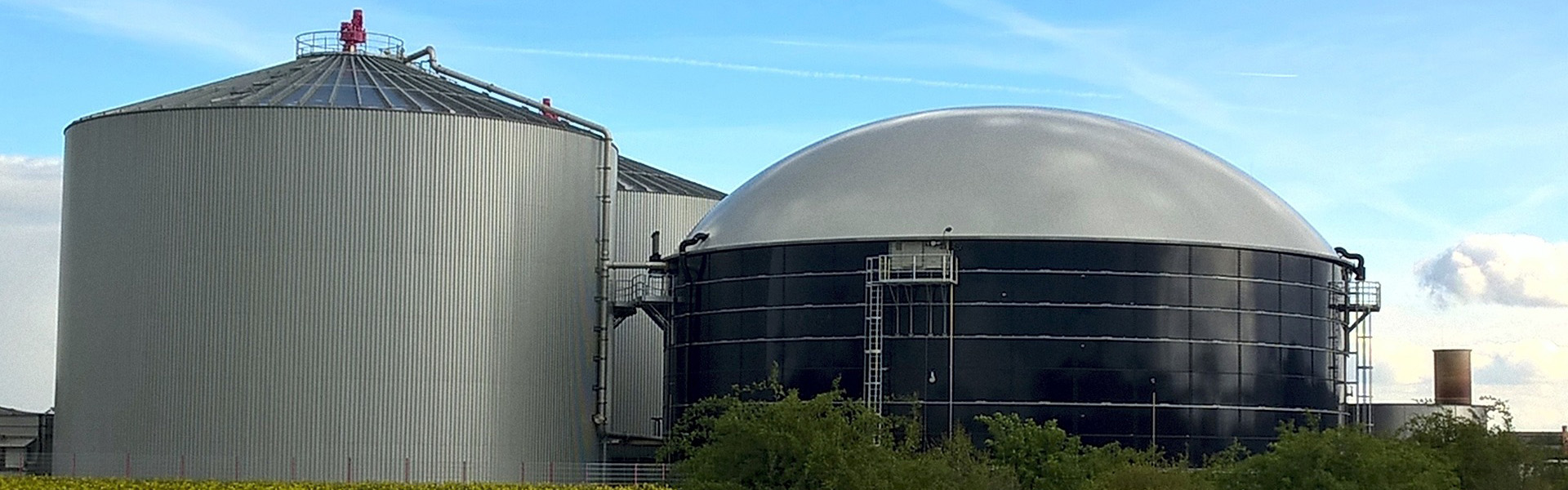
For manufacturers of biogas upgrading equipment, the performance of the facility begins long before the gas reaches the membrane skid or pressure swing adsorption unit. It starts with the design and operational discipline of the anaerobic digestion plant itself. We spend a great deal of time consulting with operators who struggle with fluctuating methane concentrations, excessive hydrogen sulfide, or unexpected downtime in their upgrading systems. In nearly every case, the root cause traces back to how the anaerobic digestion plant is being fed, mixed, and monitored. Understanding this relationship allows us to deliver equipment that not only separates biomethane but does so with maximum efficiency and minimal wear.
The international biogas market has matured. Clients are no longer satisfied with simply building a digester and adding a gas scrubber. They demand integrated solutions where the biological heart and the mechanical lungs of the facility work in perfect harmony. A well-managed anaerobic digestion plant produces a consistent raw gas profile—stable methane percentage, predictable trace gas levels, and steady pressure. This consistency is the single most important factor in determining the lifespan of compressors, membranes, and adsorbent materials in the upgrading section. When the upstream biology is unstable, even the most sophisticated gas upgrading equipment will fail prematurely.
Feedstock Management: The First Point of Control
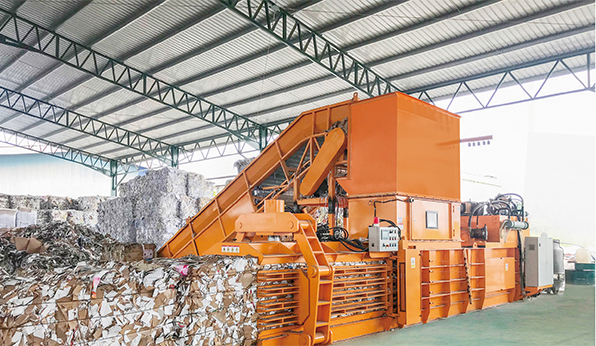
Every anaerobic digestion plant lives or dies by its feedstock strategy. The mixture of organic material entering the digester dictates the microbial health and, consequently, the gas quality. In our work supplying upgrading systems globally, we see operators often focus solely on maximizing organic loading rate to boost gas volume. This is a mistake.
High loading rates without sufficient hydraulic retention time lead to volatile fatty acid accumulation. When this happens in an anaerobic digestion plant, the pH drops, methanogens become inhibited, and the biogas methane content can fall from 55% down to 45% in a matter of days. For a water scrubber or PSA unit, that drop means the system must work harder to reject nitrogen and oxygen, increasing energy consumption by up to 30%. We advise our clients to implement controlled feedstock blending, using co-substrates strategically to maintain a balanced C:N ratio and avoid ammonia toxicity.
Reactor Design and Mixing Efficiency
The physical configuration of an anaerobic digestion plant directly impacts gas yield and impurity profiles. Mixing is one of the most underappreciated factors. Inadequate mixing creates dead zones where solids settle and acids accumulate. Conversely, excessive mixing can shear microbial flocks and disrupt syntrophic relationships between bacteria and methanogens.
From an equipment manufacturing perspective, we look for anaerobic digestion plant designs that incorporate intermittent mixing strategies. This approach reduces energy consumption while maintaining homogeneous conditions. More importantly, consistent mixing ensures that hydrogen sulfide concentrations remain stable. When H2S levels fluctuate widely—spiking from 200 ppm to 1,500 ppm without warning—the biological desulfurization systems we integrate into upgrading skids cannot adapt quickly enough. The result is accelerated corrosion of stainless steel piping and premature failure of activated carbon filters.
Temperature Control and Seasonality
Temperature stability is non-negotiable in any commercial anaerobic digestion plant. Most facilities operate in the mesophilic range around 37°C to 40°C. A deviation of just 2°C can reduce microbial activity by 15% or more. For gas upgrading equipment manufacturers, temperature swings translate directly into flow variability.
When an anaerobic digestion plant experiences temperature drops overnight due to inadequate insulation or undersized heat exchangers, biogas production falls during the coldest hours. The upgrading equipment, designed for continuous operation, suddenly receives a reduced flow rate. This forces compressors to cycle on and off repeatedly, increasing mechanical stress. We have seen cases where poor thermal management in the anaerobic digestion plant reduced compressor valve life from five years to eighteen months. Installing properly sized heat exchangers with automated temperature control loops is a relatively small investment that pays enormous dividends in downstream equipment longevity.
Gas Pre-Treatment Integration
One of the most critical interfaces in any biogas facility is the connection between the anaerobic digestion plant and the gas upgrading unit. Raw biogas leaving the digester carries moisture, hydrogen sulfide, siloxanes, and sometimes particulate matter. If these contaminants reach the upgrading equipment, efficiency plummets.
Modern anaerobic digestion plant designs incorporate biological desulfurization through micro-aeration. By injecting small amounts of oxygen into the digester headspace or feed line, naturally occurring sulfur-oxidizing bacteria convert H2S into elemental sulfur. This biological approach reduces the load on downstream polishing steps. For equipment manufacturers, this means we can specify smaller activated carbon vessels or less aggressive chemical scrubbing systems. However, the micro-aeration must be carefully controlled. Too much oxygen in the anaerobic digestion plant can create explosive conditions or inhibit methanogens. We work with plant designers to ensure oxygen dosing systems include fail-safe interlocks that protect both the biological process and the gas upgrading infrastructure.
Pressure Management and Gas Storage
The anaerobic digestion plant produces gas continuously, but upgrading equipment often operates more efficiently under steady-state conditions. This creates a need for adequate gas storage and pressure management between the two systems.
Double-membrane gas holders are common in modern anaerobic digestion plant configurations. They provide buffer capacity that smooths out production fluctuations. From our perspective as upgrading equipment suppliers, we need to see consistent inlet pressure—typically between 4 and 8 bar after compression. If the anaerobic digestion plant lacks sufficient storage or if the gas holder is undersized, the upgrading unit experiences pressure swings that reduce separation efficiency. In membrane systems, pressure drops below the optimal range cause methane slip to increase, sending valuable product back to the flare. We often recommend installing dedicated buffer tanks with pressure transmitters that communicate directly with the digester control system to maintain equilibrium.
Digestate Handling and Recirculation
The anaerobic digestion plant does not only produce biogas; it also produces digestate. How this digestate is handled affects the biological stability of the entire facility. Many operators recirculate centrate—the liquid fraction from digestate dewatering—back to the front of the plant. This recirculation can concentrate ammonium and sodium over time.
Elevated ammonium levels in an anaerobic digestion plant cause ammonia inhibition, particularly in mesophilic systems. The methanogens become stressed, and volatile fatty acids begin to accumulate. The first sign for gas upgrading equipment is a gradual increase in hydrogen sulfide followed by a drop in methane yield. To prevent this, advanced anaerobic digestion plant designs now incorporate ammonia stripping or partial nitritation-anammox treatment for reject water. These technologies remove inhibitory compounds before they can recirculate, preserving the biological stability that upstream equipment manufacturers rely upon.
Safety Systems and Regulatory Compliance
Safety is paramount in any anaerobic digestion plant. Biogas is flammable, and the combination of methane, oxygen, and pressure creates inherent risks. For international equipment manufacturers, we must ensure that the interfaces between our upgrading systems and the anaerobic digestion plant meet ATEX, IECEx, or local hazardous area classifications.
Zone classification is often misunderstood. The anaerobic digestion plant itself typically has Zone 1 or Zone 2 areas around flanges and valves. However, when raw gas is compressed and upgraded, the risk profile changes. We design our equipment with flame arrestors, excess flow valves, and automatic shutdown systems that communicate directly with the anaerobic digestion plant control system. A coordinated safety approach ensures that if a sensor detects oxygen ingress into the digester or a pressure anomaly in the upgrading train, the entire facility can be safely isolated without venting methane to the atmosphere.
The success of biogas upgrading equipment ultimately depends on the stability and design of the anaerobic digestion plant it serves. We have spent years observing that facilities with well-managed feedstock strategies, consistent temperature control, adequate gas storage, and proactive digestate management consistently achieve higher biomethane yields and lower operational costs. Our role as equipment manufacturers extends beyond supplying membrane skids and compressors. We partner with plant designers and operators to ensure that every anaerobic digestion plant we work with is engineered for biological stability, because that stability is the foundation upon which profitable gas upgrading is built.
Frequently Asked Questions (FAQs)
Q1: What is the most common cause of methane concentration drops in an anaerobic digestion plant, and how does it affect upgrading equipment?
A1: The most common cause is volatile fatty acid accumulation resulting from organic overloading or insufficient hydraulic retention time. When the anaerobic digestion plant becomes overloaded, methanogens cannot consume the acids fast enough, pH drops, and methane content declines. For upgrading equipment like membrane systems, this forces the unit to operate at lower efficiency, increasing methane slip and raising energy consumption by 15 to 25 percent. Consistent feedstock management and regular VFA monitoring are essential to prevent this.
Q2: Can an anaerobic digestion plant designed for combined heat and power be retrofitted to supply gas to a biomethane upgrading system?
A2: Yes, but modifications are typically required. CHP engines tolerate wider fluctuations in gas quality and pressure compared to upgrading equipment. A anaerobic digestion plant being retrofitted for upgrading usually needs additional gas drying, siloxane removal, and pressure stabilization equipment. The biological process may also require optimization—such as improved mixing or trace element supplementation—to ensure the raw gas meets the stricter methane purity and impurity limits required by membrane or PSA units.
Q3: How does hydrogen sulfide produced in the anaerobic digestion plant damage gas upgrading equipment?
A3: Hydrogen sulfide is corrosive. When it combines with moisture present in raw biogas, it forms sulfuric acid. In a anaerobic digestion plant with high H2S levels, this acidic mixture can corrode compressor valves, heat exchangers, and membrane housings. It also rapidly depletes activated carbon in polishing vessels. Effective biological or chemical desulfurization upstream is critical to protecting upgrading assets and avoiding unplanned maintenance shutdowns.
Q4: What is the ideal hydraulic retention time for an anaerobic digestion plant supplying a gas upgrading unit?
A4: The ideal hydraulic retention time typically ranges from 20 to 40 days for mesophilic wet digestion systems. Shorter retention times increase the risk of biomass washout and process instability. For an anaerobic digestion plant feeding an upgrading unit, stability is more important than maximizing throughput. A stable process with a retention time of 25 to 30 days generally produces consistent gas quality with predictable methane content and manageable impurity levels, which is optimal for downstream upgrading equipment performance.
Q5: How often should an anaerobic digestion plant recalibrate its gas analyzers to ensure upgrading equipment receives accurate data?
A5: Gas analyzers at the anaerobic digestion plant outlet should be calibrated at least every three to six months, depending on the manufacturer's specifications and the level of contaminants present. Hydrogen sulfide and moisture can degrade sensor accuracy over time. Inaccurate readings lead to improper adjustments in the upgrading process, potentially causing methane slip or inefficient operation. Many modern facilities now use automated calibration systems that integrate with plant SCADA to ensure continuous data reliability for upgrading control systems.