


Maximizing Efficiency in Anaerobic Digestion for Biogas Production: Key Technologies and Operational Insights
In the global push toward renewable energy, industries are increasingly turning to biological processes that convert organic waste into usable fuel. Among these, anaerobic digestion for biogas production stands out as a mature yet continuously evolving technology. It offers a dual benefit: reducing the volume of waste destined for landfill while generating a methane-rich gas that can power engines, boilers, or be upgraded to biomethane. For equipment manufacturers and plant operators, the challenge lies not in the basic science—which has been understood for decades—but in optimizing every stage of the process to maximize yield, stability, and return on investment. This article explores the critical factors that influence performance in modern anaerobic digestion for biogas production systems, from feedstock selection to advanced gas upgrading solutions.
Understanding the Microbial Ecosystem
At its core, anaerobic digestion for biogas production relies on a delicate balance of microbial communities. Hydrolytic bacteria break down complex polymers like cellulose and proteins into simpler sugars and amino acids. Acidogenic bacteria then convert these into volatile fatty acids, which are finally transformed by methanogens into methane and carbon dioxide. Any disruption to this chain—whether from temperature fluctuations, pH shifts, or toxic compounds—can severely reduce biogas output.
Operators often underestimate the importance of inoculum quality when starting a new digester. Using digestate from a stable, functioning plant can shorten startup time from months to weeks. Furthermore, modern sensor systems now allow for real-time monitoring of volatile fatty acid concentrations and alkalinity, enabling preemptive adjustments before the system tips into imbalance. In high-rate systems, such as those using fixed-film or granular sludge reactors, maintaining this microbial balance becomes even more critical because biomass retention times are decoupled from hydraulic retention times.
Feedstock Variability and Pre-Treatment Strategies
No two organic waste streams are identical, and the composition of inputs directly dictates biogas potential. While anaerobic digestion for biogas production can process everything from agricultural residues to food waste and sewage sludge, each substrate presents unique challenges. High-lipid substrates, for instance, offer elevated methane yields but risk inhibiting microbial activity if fats accumulate. Lignocellulosic materials like straw or woody biomass require pre-treatment to break down recalcitrant structures before bacteria can access the embedded sugars.
Commercial equipment suppliers now offer a range of pre-treatment solutions tailored to specific feedstocks. Thermal hydrolysis, for example, uses high-pressure steam to solubilize organic matter and destroy pathogens, significantly increasing biogas yields from municipal sludge. Mechanical pre-treatment, such as maceration or ultrasonic disruption, improves substrate homogeneity and surface area availability. For plants processing variable feedstocks, flexible pre-treatment lines that can adapt to incoming material quality are becoming a standard feature in modern anaerobic digestion for biogas production facilities.
Process Parameters That Dictate Yield
Three operational parameters consistently emerge as the most influential in determining plant profitability: temperature, mixing, and organic loading rate. Mesophilic systems, operating around 35–40°C, offer stability and lower energy input, making them the default choice for many applications. Thermophilic systems, operating at 50–60°C, accelerate reaction rates and pathogen kill but demand closer control and higher-grade equipment. The choice between them often depends on downstream requirements for sanitization and the value placed on throughput.
Mixing is another frequently overlooked variable. Inefficient mixing leads to dead zones where solids accumulate, reducing active volume and creating localized acid pockets that suppress methanogenesis. Advanced mixing systems, whether gas-injection or mechanical, are designed to maintain near-homogeneous conditions throughout the digester. Meanwhile, organic loading rate—the amount of feedstock added per unit volume per day—must be carefully calibrated to avoid overwhelming the microbial consortium. Many equipment manufacturers now provide dynamic control systems that automatically adjust feed rates based on real-time gas production and intermediate metabolite levels.
Biogas Upgrading: From Raw Gas to Pipeline-Grade Biomethane
Raw biogas typically contains 50–70% methane, with carbon dioxide, hydrogen sulfide, and trace contaminants making up the balance. For many applications, such as on-site combined heat and power (CHP), this raw gas is sufficient. However, the highest value markets—injection into natural gas grids or use as vehicle fuel—require upgrading to biomethane with methane concentrations above 96%. This is where specialized equipment for anaerobic digestion for biogas production becomes indispensable.
Water scrubbing remains one of the most widely adopted upgrading technologies due to its simplicity and reliability. In this process, pressurized biogas is contacted with water, which absorbs carbon dioxide and hydrogen sulfide. Pressure swing adsorption (PSA) offers an alternative, using selective adsorbents to separate methane under pressure. Membrane separation is gaining traction for smaller installations, providing a compact footprint with lower capital costs. Each technology has trade-offs in terms of methane recovery rate, energy consumption, and sensitivity to contaminants. For plants considering grid injection, the selection of upgrading equipment must also account for local gas quality regulations and the availability of connection infrastructure.
Reducing Operational Downtime Through Robust Design
Equipment reliability directly impacts the financial viability of any biogas facility. Unplanned downtime not only halts gas production but also disrupts waste acceptance and may incur penalty fees for utilities expecting contracted gas deliveries. Critical components such as pumps, mixers, and compressors must be specified with adequate redundancy and constructed from materials resistant to corrosive conditions—particularly in the presence of hydrogen sulfide or ammonia.
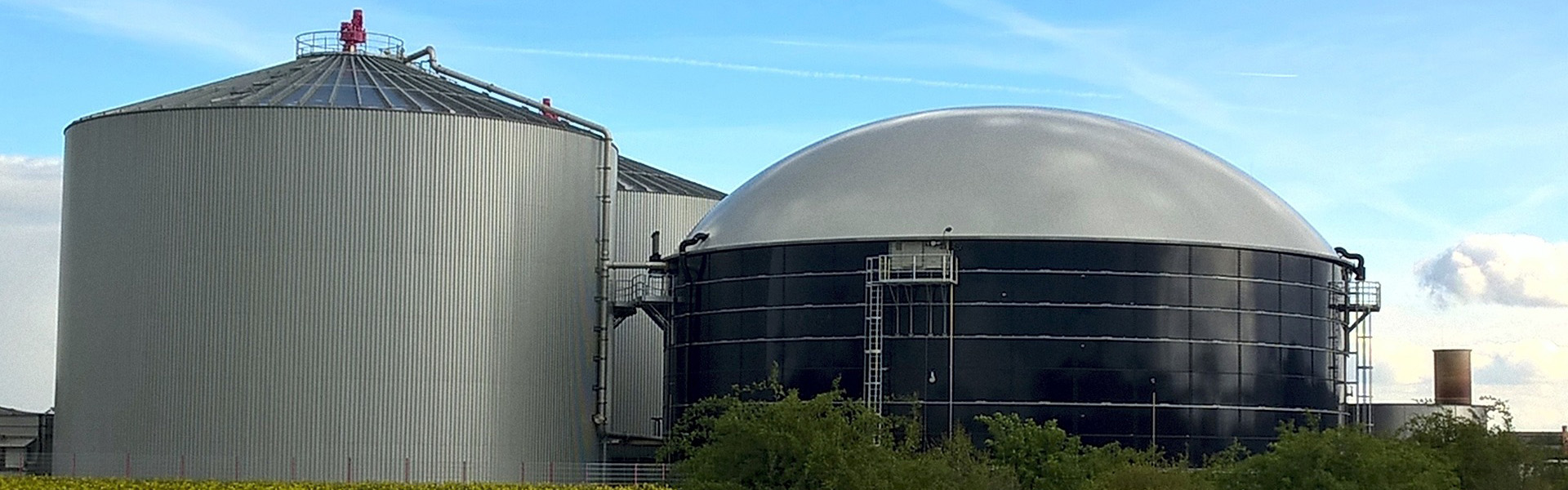
Leading suppliers in the biogas equipment sector have moved toward modular, skid-mounted systems that simplify maintenance and reduce field erection time. For example, integrated gas upgrading units with built-in monitoring and automatic switching between parallel trains allow plants to maintain output even during servicing. Similarly, digesters constructed with double-membrane roofs and internal corrosion protection extend asset life beyond 20 years. When evaluating equipment for anaerobic digestion for biogas production, operators should prioritize vendors that offer comprehensive service agreements and documented mean-time-between-failure data for key components.
Integrating Renewable Energy with Grid Demands
As renewable penetration increases on electricity grids, biogas plants are being called upon to provide flexible generation rather than constant baseload power. This shift has implications for both digester operation and gas utilization. CHP units can be modulated to ramp output up or down in response to grid signals, but this requires gas storage capacity to decouple production from electricity generation. Some advanced facilities now incorporate dual-fuel engines that can switch between biogas and natural gas, ensuring continuous power supply during maintenance or temporary drops in biogas production.
For plants upgrading to biomethane, grid injection offers a different kind of flexibility—gas can be stored virtually in the natural gas network and drawn upon when needed. However, this route requires compliance with strict gas quality specifications and often involves long-term supply agreements. The decision between CHP and upgrading ultimately depends on local energy prices, incentive structures, and the plant’s proximity to gas infrastructure.
Economic Considerations and Revenue Streams
Beyond the sale of energy, modern anaerobic digestion for biogas production facilities can tap into multiple revenue streams that improve project economics. Digestate, the residual material after digestion, contains valuable nutrients and can be sold as a biofertilizer, provided it meets quality standards for heavy metals and pathogens. In many jurisdictions, the separation of digestate into liquid and solid fractions allows for targeted application—the solid fraction serving as a soil conditioner, the liquid as a readily available fertilizer.
Carbon credits represent another emerging revenue source. By displacing fossil fuels and avoiding methane emissions from uncontrolled decomposition of organic waste, biogas projects can generate verified emission reductions. Additionally, gate fees for accepting waste from municipalities or food processors often constitute a significant portion of revenue, sometimes exceeding energy sales. For equipment manufacturers, understanding these economic drivers is essential when designing systems that balance capital cost with operational flexibility and output quality.
Small-Scale vs. Industrial Systems
While large centralized plants dominate the biogas landscape, there is growing interest in smaller, distributed systems that process waste at its source. Farms, food processing plants, and even municipal wastewater facilities can benefit from on-site anaerobic digestion for biogas production, reducing transport costs and utilizing heat locally. However, scaling down introduces new constraints: economies of scale are lost, and automation becomes critical to offset reduced labor availability.
Prefabricated containerized digesters have emerged as a solution for small to medium-scale applications. These units integrate pre-treatment, digestion, and gas upgrading into a single transportable enclosure, with plug-and-play connectivity. While per-unit methane production costs are higher than for large plants, the total lifecycle cost can be competitive when transport, tipping fees, and energy independence are factored in. For equipment suppliers, offering standardized modular platforms that can be deployed rapidly opens up markets among agricultural cooperatives, industrial facilities, and remote communities.
Future Directions: AI and Process Optimization
The next frontier in anaerobic digestion for biogas production lies in the application of artificial intelligence and machine learning to process control. Traditional control strategies rely on setpoint-based automation, but AI systems can analyze hundreds of data streams—from feedstock composition to weather forecasts—to predict upsets and optimize feeding schedules in real time. Early adopters report yield improvements of 10–15% alongside reduced chemical consumption for pH adjustment.
Predictive maintenance is another area where AI adds value. By monitoring vibration, temperature, and power draw on rotating equipment, algorithms can forecast failures days or weeks in advance, allowing planned interventions that avoid unplanned outages. As sensor costs continue to fall and data analytics become more sophisticated, the ability to extract incremental efficiency gains will increasingly separate top-performing plants from the rest. Equipment manufacturers that integrate these digital capabilities into their offerings will be well-positioned to lead the next generation of biogas technology.
Common Questions About Anaerobic Digestion for Biogas Production
Q1: What is the
typical payback period for a commercial anaerobic digestion for biogas
production plant?
A1: Payback periods vary significantly based
on scale, feedstock type, and local energy prices, but most commercial
facilities achieve payback between 5 and 10 years. Plants with stable gate fees
for waste acceptance and access to premium markets like biomethane grid
injection often reach the lower end of this range. Factors such as equipment
redundancy, feedstock pre-treatment requirements, and financing costs also
heavily influence the final calculation.
Q2: How does
hydrogen sulfide removal impact biogas upgrading equipment
selection?
A2: Hydrogen sulfide is corrosive and can rapidly
degrade upgrading equipment if not properly managed. For plants with high H₂S
concentrations—common with food waste or slaughterhouse residues—biological
desulfurization or iron-based adsorbents are typically installed upstream of
upgrading. Some upgrading technologies, such as water scrubbing, co-remove H₂S
with CO₂, but membranes and PSA systems generally require prior H₂S reduction to
avoid membrane damage or adsorbent fouling.
Q3: Can anaerobic
digestion for biogas production handle mixed municipal solid
waste?
A3: Yes, but mixed municipal waste requires extensive
pre-treatment to remove non-organic contaminants like plastics, metals, and
glass. Mechanical-biological treatment (MBT) facilities combine sorting,
shredding, and separation to produce an organic-rich fraction suitable for
digestion. The presence of contaminants increases operational complexity and
maintenance costs, so dedicated organic waste streams are generally preferred
for higher efficiency and reliability.
Q4: What are the
main causes of digester failure and how can they be
prevented?
A4: Most failures stem from organic overloading,
ammonia inhibition, or accumulation of inert solids. Preventing these requires
robust monitoring of volatile fatty acids, ammonia levels, and total solids.
Adequate mixing to prevent sedimentation, gradual acclimation to new feedstocks,
and maintaining a buffer capacity through alkalinity supplementation are
standard preventive measures. Many modern facilities also incorporate automated
feed control systems that adjust loading based on real-time biogas production
rates.
Q5: How does
temperature control affect methane yield in anaerobic digestion
systems?
A5: Temperature stability is more critical than the
absolute temperature itself. While both mesophilic and thermophilic systems can
achieve high yields, temperature swings of more than 1–2°C per day can inhibit
methanogenic activity. Thermophilic systems offer faster reaction rates and
better pathogen destruction but are more sensitive to fluctuations. Proper
insulation, heat exchanger design, and integration with CHP waste heat recovery
are essential for maintaining stable temperatures
year-round.