


News
We'll get back to you as soon as possible.
How Anaerobic Digestion Technology Is Shaping the Future of Renewable Gas Equipment
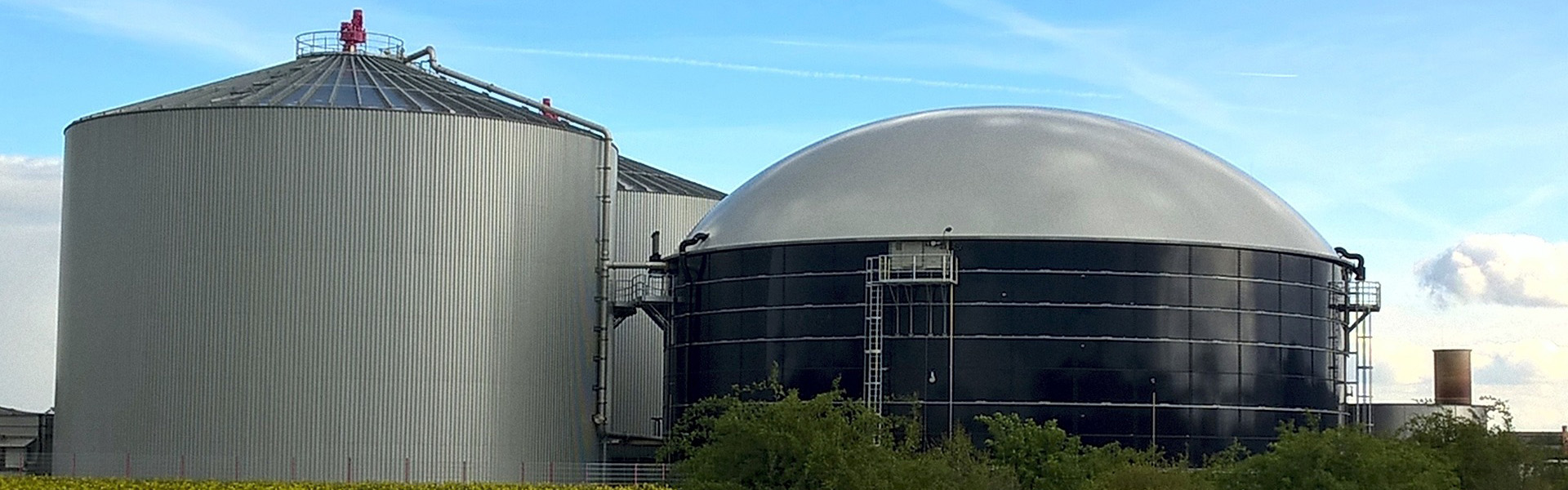
In the field of renewable energy equipment, few biological processes have seen as much engineering refinement over the past two decades as anaerobic digestion. What was once considered a simple farm-scale method for manure treatment has evolved into a highly controlled industrial process. For manufacturers of gas upgrading systems, digesters, and ancillary equipment, the focus has shifted toward maximizing methane yield, ensuring operational stability, and delivering gas that meets strict pipeline or vehicle fuel standards. Understanding the mechanical, biological, and chemical demands of anaerobic digestion is no longer optional—it is the foundation upon which reliable biogas plants are built.
The Core Components of a Modern Anaerobic Digestion System
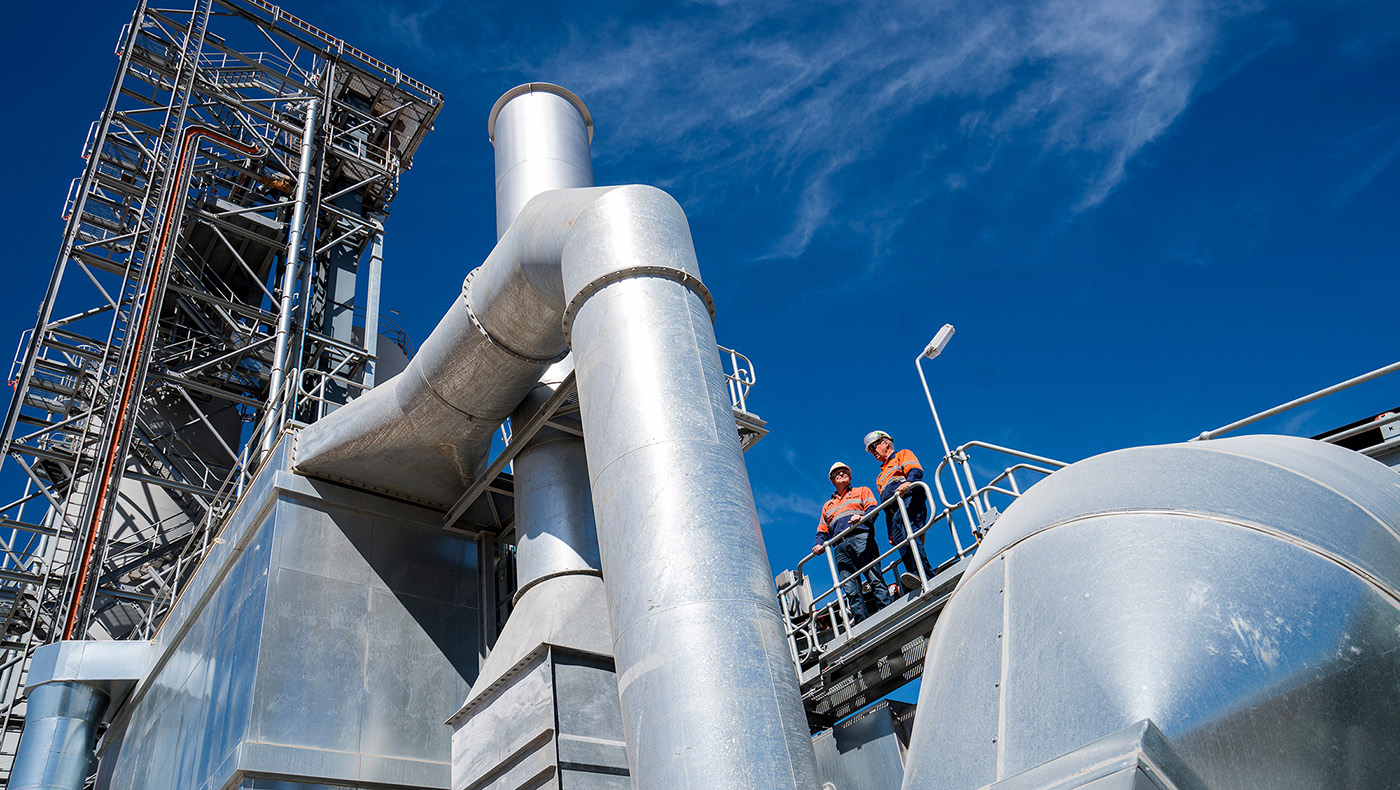
Any industrial facility built around anaerobic digestion consists of several interdependent systems. The digester vessel itself is only one part. Upfront, feedstock handling equipment must remove contaminants and homogenize the organic material. Inside the digester, mixing mechanisms keep solids in suspension and prevent stratification. Heating systems maintain precise temperature control, typically in the mesophilic or thermophilic range, depending on the feedstock and desired retention time.
Downstream, the gas train begins with desulfurization to remove corrosive hydrogen sulfide. From there, raw biogas may go directly to a combined heat and power unit, or it may pass through upgrading equipment that strips out carbon dioxide and trace impurities to produce biomethane. Each component must be sized and specified to match the throughput and characteristics of the incoming organic waste. For equipment suppliers, this means offering modular solutions that can be tailored to site-specific conditions while maintaining the reliability that plant operators demand.
Feedstock Diversity and Its Impact on Process Design
No two anaerobic digestion plants receive the same input materials. A facility processing agricultural residues such as maize silage or cattle manure faces different challenges than one handling source-separated food waste or industrial wastewater. Each feedstock carries its own balance of carbohydrates, proteins, and lipids, each with a distinct biogas yield and degradation rate.
Lipid-rich substrates, for instance, offer high methane potential but require careful management to prevent long-chain fatty acid accumulation, which can inhibit microbial activity. Lignocellulosic materials demand pre-treatment—thermal, mechanical, or chemical—to make cellulose and hemicellulose accessible to hydrolytic bacteria. For equipment manufacturers, this diversity drives the need for flexible pre-treatment options. A well-designed anaerobic digestion facility will often incorporate multiple feedstock intake lines and pre-treatment stages to handle seasonal variations in waste availability without disrupting digester stability.
Temperature Regimes and Their Operational Trade-Offs
Temperature control ranks among the most critical factors in anaerobic digestion system design. Mesophilic systems, operating at 35 to 40 degrees Celsius, remain the industry standard for their stability and lower heating demand. They tolerate fluctuations better than their thermophilic counterparts and generally require less sophisticated control systems.
Thermophilic systems, operating at 50 to 60 degrees Celsius, offer higher reaction rates and superior pathogen destruction. This makes them attractive for plants processing food waste or materials destined for agricultural land application where sanitation is mandatory. However, thermophilic anaerobic digestion demands tighter temperature tolerances—swings of more than one or two degrees can suppress methanogen activity. Equipment suppliers address this through advanced heat exchanger designs, integrated with combined heat and power units that recycle engine jacket water to maintain stable digester temperatures.
The Role of Mixing in Maintaining Process Stability
Mixing is often underestimated in anaerobic digestion system design, yet it directly influences both gas yield and long-term equipment reliability. Poor mixing leads to solids settling, dead zones where organic matter accumulates, and localized pH drops that can cascade into process failure.
Different mixing strategies carry distinct advantages and drawbacks. Gas injection systems use recirculated biogas to agitate the digester contents, providing gentle mixing without mechanical components submerged in the tank. Mechanical mixers, whether top-entry or side-entry, offer more aggressive agitation but require regular maintenance and robust sealing to prevent leaks. For larger installations, multiple mixing points arranged in a grid pattern ensure complete circulation. Modern anaerobic digestion facilities increasingly employ variable-speed mixing systems that adjust intensity based on solids concentration and gas production rates, reducing energy consumption during periods of lower loading.
Biogas Upgrading: From Raw Gas to Grid-Ready Biomethane
Raw biogas from anaerobic digestion typically contains 50 to 70 percent methane, with carbon dioxide making up most of the remainder. Hydrogen sulfide, ammonia, and siloxanes are present in smaller quantities but can cause significant damage to downstream equipment if not removed.
For facilities aiming to inject gas into natural gas networks or supply vehicle fuel, upgrading is mandatory. Water scrubbing remains one of the most widely adopted technologies due to its simplicity. Biogas is pressurized and contacted with water, which absorbs carbon dioxide and hydrogen sulfide. Pressure swing adsorption uses adsorbent materials to selectively retain carbon dioxide while methane passes through. Membrane systems separate gases based on molecular size and solubility, offering a compact footprint that appeals to smaller installations.
Each upgrading technology imposes specific requirements on the upstream anaerobic digestion process. For example, membrane systems require intensive pre-treatment to remove hydrogen sulfide and moisture, as these contaminants can damage membrane fibers. Equipment manufacturers in the gas upgrading sector must therefore take a holistic view, ensuring that their systems integrate seamlessly with the digester and gas treatment stages that precede them.
Managing Hydrogen Sulfide in Anaerobic Digestion
Hydrogen sulfide generation is an inevitable consequence of anaerobic digestion when sulfur-containing feedstocks are processed. In concentrations as low as 500 parts per million, hydrogen sulfide becomes corrosive to steel, concrete, and sensitive equipment such as engines and gas analyzers.
Biological desulfurization offers a cost-effective solution for many plants. By injecting controlled amounts of air or oxygen into the digester headspace or a separate biological scrubber, naturally occurring sulfur-oxidizing bacteria convert hydrogen sulfide into elemental sulfur. For facilities with high sulfur loads, iron chloride dosing directly into the digester precipitates hydrogen sulfide as iron sulfide, removing it from the gas phase before it can cause corrosion.
For gas upgrading applications, sulfur management becomes even more critical. Membrane and pressure swing adsorption systems have limited tolerance for hydrogen sulfide, and exceeding those limits can lead to irreversible damage. Equipment manufacturers increasingly offer integrated desulfurization packages designed specifically for the gas quality requirements of downstream upgrading units.
Digestate Handling and Nutrient Recovery
The residual material after anaerobic digestion—known as digestate—contains most of the nutrients from the original feedstock. Nitrogen, phosphorus, and potassium remain available for agricultural use, but their form and concentration depend on the digestion conditions and any post-treatment applied.
Separation technologies have become standard in larger facilities. Screw presses, centrifuges, and belt filter presses separate digestate into a solid fraction and a liquid fraction. The solid fraction, often with higher organic matter content, can be composted or used directly as a soil conditioner. The liquid fraction contains soluble nutrients and can be applied to crops through irrigation systems.
For equipment suppliers, offering integrated digestate handling solutions adds value beyond the core anaerobic digestion system. Properly designed digestate management not only generates an additional revenue stream but also ensures compliance with increasingly stringent nutrient application regulations in many regions.
Process Monitoring and Automation
The complexity of modern anaerobic digestion facilities demands sophisticated monitoring and control systems. Real-time sensors track temperature, pH, redox potential, and gas composition. Advanced plants also monitor volatile fatty acid concentrations and alkalinity, providing early warning of impending instability.
Automated control systems use this data to adjust feed rates, mixing intensity, and heating output. When volatile fatty acids begin to rise, the system can reduce loading or increase buffer addition before the pH drops to inhibitory levels. For gas upgrading equipment, integration with the digester control system ensures that gas treatment capacity aligns with production rates.
Manufacturers of anaerobic digestion equipment increasingly provide cloud-based monitoring platforms that allow operators to oversee multiple plants from a centralized location. Predictive algorithms can identify trends that precede equipment failures, enabling planned maintenance rather than costly unplanned outages.
Economic Drivers for Anaerobic Digestion Investment
Revenue streams for anaerobic digestion facilities typically come from three sources: gate fees for accepting waste, energy sales from biogas or biomethane, and digestate sales. The balance between these streams varies by region and by facility design.
Gate fees often provide the most stable income, particularly for plants processing municipal or commercial food waste. Energy revenues depend on local electricity and gas prices, as well as any renewable energy incentives in place. Digestate income is generally the smallest contributor but can become significant in regions with high fertilizer prices.
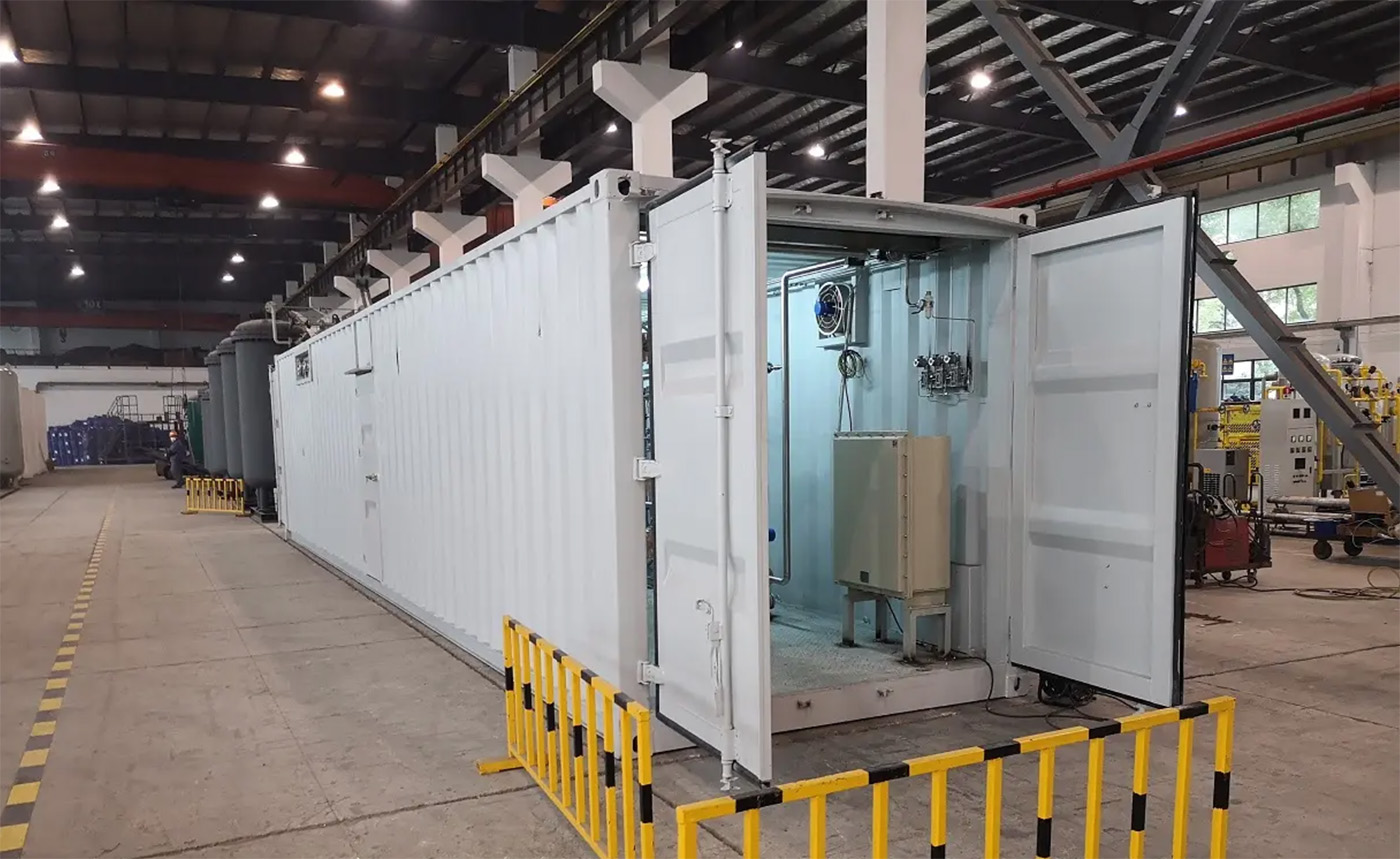
For equipment manufacturers, understanding these economic drivers informs product development. A facility relying heavily on gate fees may prioritize throughput and reliability over maximum methane yield. A plant focused on energy sales may invest in upgrading equipment to access premium biomethane markets. Equipment packages that offer flexibility—allowing operators to shift between CHP and upgrading as market conditions change—command a premium in the current market.
Common Questions About Anaerobic Digestion
Q1:
What is the typical lifespan of a commercial anaerobic digestion plant?
A1: Well-designed industrial anaerobic digestion plants
typically operate for 20 to 25 years before major refurbishment. Stainless steel
components and properly maintained concrete structures can last even longer. The
digester itself generally has the longest service life, while mechanical
components such as mixers, pumps, and upgrading equipment may require
replacement every 10 to 15 years depending on duty cycle and maintenance
practices.
Q2:
How does feedstock contamination affect anaerobic digestion
equipment?
A2: Contaminants such as plastics, metals, sand, and
textiles cause significant wear on pumps, mixers, and piping. Sand and grit
accelerate abrasion in mechanical components. Plastics and textiles can wrap
around mixer shafts and clog heat exchangers. Effective pre-treatment
systems—including hydrocyclones for sand removal and automatic screens for
plastics—are essential to protect downstream equipment. Plants without adequate
pre-treatment typically face much higher maintenance costs and more frequent
unplanned downtime.
Q3:
Can anaerobic digestion handle high-ammonia feedstocks like poultry
litter?
A3: Yes, but ammonia levels above 3,000 to 5,000
milligrams per liter can inhibit methanogenic activity. Specialized process
configurations, such as ammonia stripping or two-stage digestion, can overcome
this limitation. Two-stage systems separate the acidogenic and methanogenic
phases, allowing each microbial community to operate under optimal conditions.
Some equipment manufacturers now offer dedicated high-ammonia digester designs
with integrated ammonia control systems.
Q4:
What is the typical methane yield range for different
feedstocks?
A4: Methane yields vary widely by feedstock. Food
waste typically yields 450 to 550 cubic meters of methane per ton of volatile
solids. Energy crops like maize silage yield 300 to 400 cubic meters per ton.
Manure yields are significantly lower, ranging from 150 to 250 cubic meters per
ton, but benefit from co-digestion with higher-yielding substrates. These
figures assume properly designed and operated anaerobic digestion systems with
adequate retention times and process control.
Q5:
How often should upgrading equipment be serviced?
A5: Service
intervals depend on the upgrading technology and incoming gas quality. Membrane
systems typically require membrane replacement every 5 to 8 years, with
quarterly inspections of pre-treatment filters. Pressure swing adsorption
systems need adsorbent replacement every 3 to 5 years. Water scrubbers require
regular packing inspection and occasional replacement. The most critical factor
is maintaining consistent gas quality from the digester—variations in hydrogen
sulfide or moisture content significantly shorten the lifespan of upgrading
components.