


News
We'll get back to you as soon as possible.
Complete Solutions for Solid Waste Management Biogas Plant Systems
In the rapidly evolving landscape of renewable energy and waste treatment, industries and municipalities are increasingly turning to integrated systems that tackle two pressing issues at once: the mounting volume of organic refuse and the demand for clean energy. At the heart of this intersection lies the solid waste management biogas plant, a facility designed not merely to dispose of waste but to transform it into a valuable resource. For professionals in the international biogas upgrading equipment manufacturing sector, understanding the nuances of these plants is essential, as they represent the most sophisticated convergence of mechanical processing, biological conversion, and gas purification technologies available today.
The Core Functionality of a Solid Waste Management Biogas Plant
A solid waste management biogas plant operates on a relatively straightforward biological principle, but its execution requires high-precision engineering. Unlike traditional landfills that simply store waste, this facility creates a controlled environment where organic materials—such as food scraps, agricultural residues, and municipal organic waste—are broken down by microorganisms in an oxygen-free environment, a process known as anaerobic digestion. The result is the production of biogas, a mixture primarily composed of methane and carbon dioxide.
For manufacturers of biogas upgrading equipment, the initial design phase of a solid waste management biogas plant is critical. The consistency of the incoming waste, which often contains contaminants like plastics or metals, dictates the pre-treatment requirements. Without robust upstream processing—including shredders, pulpers, and hydro-mechanical separation units—the downstream anaerobic digesters and upgrading skids cannot function efficiently. This holistic view, from waste reception to gas injection, is what defines a modern, profitable facility.
Advanced Pre-Treatment Technologies for Feedstock Optimization
One of the biggest challenges in this sector is the heterogeneity of solid waste. Unlike liquid manure or single-source agricultural substrates, municipal solid waste varies greatly in composition. Therefore, a high-performance solid waste management biogas plant must begin with a sophisticated pre-treatment line.
These pre-treatment systems are designed to remove inert materials and create a homogeneous slurry that the bacteria can easily consume. Pulpers and macerators break down the organic fraction, while sophisticated separation units extract non-organic contaminants. For equipment manufacturers, this stage presents a significant market opportunity. Providing durable, high-throughput separators and hydrolysis tanks ensures that the anaerobic digesters receive a consistent feed. This consistency directly correlates to higher biogas yields, making the solid waste management biogas plant more economically viable. When the feedstock is optimized, the subsequent biogas upgrading equipment can operate at peak efficiency, reducing wear and tear and maximizing methane recovery.
Anaerobic Digestion: The Biological Engine
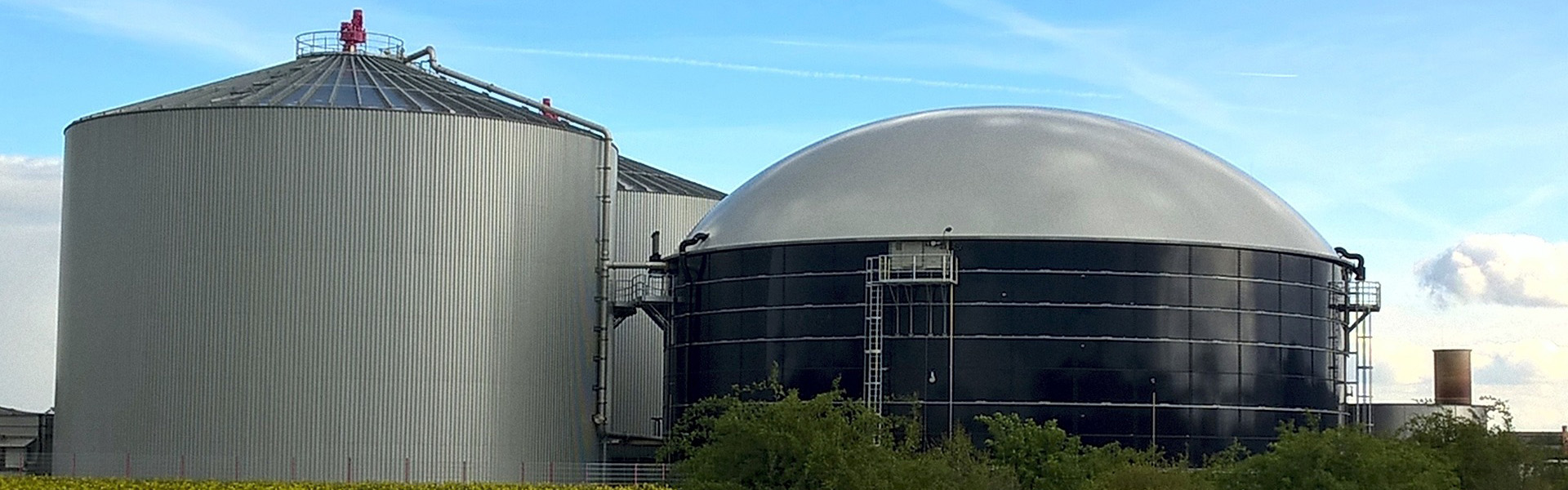
The heart of any solid waste management biogas plant is the anaerobic digester. This is where the actual conversion happens. Typically, these digesters are large, sealed concrete or steel tanks equipped with sophisticated mixing systems, heating units, and monitoring sensors.
For a facility handling solid waste, the digester design often utilizes a wet or dry fermentation process. Dry fermentation is particularly suited for feedstock with high solid content (above 15-20%), which is common in municipal solid waste. Manufacturers focusing on this niche must offer robust mixing technologies—such as central propeller mixers or long-shaft submersible mixers—that can handle fibrous materials without clogging. The stability of the biological process within a solid waste management biogas plant relies heavily on maintaining mesophilic or thermophilic temperatures consistently. Any fluctuation can disrupt the microbial colonies, leading to reduced gas production. Consequently, the integration of advanced sensors and automated control systems is not a luxury but a necessity for operators looking to maintain uptime and profitability.
Biogas Upgrading: From Raw Gas to Grid-Ready Biomethane
Once the biogas is produced, it must be refined. Raw biogas contains corrosive hydrogen sulfide, moisture, and significant amounts of carbon dioxide. For a solid waste management biogas plant to be truly sustainable and revenue-generating, this raw gas must be upgraded to biomethane, a direct substitute for natural gas.
This is where international biogas upgrading equipment manufacturers play a pivotal role. Modern upgrading units utilize several technologies, including water scrubbing, pressure swing adsorption (PSA), and membrane separation. In the context of a solid waste management biogas plant, membrane separation technology is gaining traction due to its compact footprint and low chemical usage. These systems separate methane from carbon dioxide with high efficiency, often achieving methane purities above 96%.
Furthermore, the carbon dioxide captured during this process, if purified, can be utilized in the food and beverage industry or for horticulture, adding another revenue stream. For manufacturers, offering integrated upgrading skids that include sulfur removal, gas compression, and gas chromatography analysis is essential to meet the stringent gas grid injection standards found in markets like the European Union and North America.
Digestate Processing and Circular Economy
It is crucial to remember that a solid waste management biogas plant produces more than just energy. The byproduct of anaerobic digestion is digestate, a nutrient-rich material. However, because the feedstock is solid waste, this digestate must often undergo post-treatment to qualify as a commercial fertilizer.
Post-treatment typically involves pasteurization to eliminate pathogens, followed by solid-liquid separation. The liquid fraction can be used as liquid fertilizer, while the solid fraction can be composted into a soil amendment. For equipment manufacturers, providing efficient decanter centrifuges and pasteurization units is vital. When a solid waste management biogas plant successfully closes the loop—turning waste into energy and returning nutrients to the soil—it aligns perfectly with the principles of the circular economy, making it far more attractive to investors and government regulators.
Regulatory Compliance and Carbon Credit Potential
Operating a facility that handles municipal waste requires strict adherence to environmental regulations. A modern solid waste management biogas plant must comply with stringent emission limits, particularly concerning odor control and wastewater discharge. Manufacturers of upgrading equipment often provide thermal oxidizers or bio-filters to ensure that the facility meets local air quality standards.
Moreover, the environmental benefits of such plants translate into significant carbon credit opportunities. By capturing methane that would otherwise escape from a landfill (methane is 28 times more potent a greenhouse gas than carbon dioxide over 100 years) and replacing fossil fuels with biomethane, these plants generate verifiable carbon savings. For international equipment manufacturers, partnering with carbon finance experts to offer "turnkey" solutions that include monitoring, reporting, and verification (MRV) systems can add immense value to the solid waste management biogas plant projects they supply.
Economic Viability and Operational Efficiency
The economic success of a solid waste management biogas plant hinges on three pillars: tipping fees (revenue from accepting waste), energy sales (electricity or biomethane), and the sale of co-products (digestate and captured CO2). For manufacturers, designing equipment that minimizes parasitic load—the energy consumed by the plant itself—is key.
Efficiency starts with the motors and drives used in the pre-treatment stage and extends to the heat exchangers that maintain digester temperatures. In a well-designed solid waste management biogas plant, the net energy output should be high enough to provide a rapid return on investment. Manufacturers who focus on modular designs also offer a distinct advantage. Modular systems allow plants to scale up incrementally, matching the growth of the waste supply. This flexibility reduces initial capital expenditure risk for developers, making the adoption of a solid waste management biogas plant a more accessible proposition for mid-sized municipalities and private waste management companies.
Future Trends: Digitalization and AI Integration
The future of the industry lies in digitalization. The next generation of the solid waste management biogas plant will be managed by artificial intelligence (AI) and machine learning algorithms that predict feedstock variations, optimize mixing cycles, and automate maintenance schedules.
For biogas upgrading equipment manufacturers, this means embedding sensors into every critical component—compressors, membranes, and valves—to feed data into cloud-based analytics platforms. Predictive maintenance can reduce downtime by up to 30%, a significant factor in the profitability of a solid waste management biogas plant. As the industry moves toward Industry 4.0 standards, manufacturers who provide smart, connected equipment will dominate the market. These technologies also facilitate remote troubleshooting, which is invaluable for plants located in remote areas or in regions with a shortage of specialized technical staff.
Common Questions About Solid Waste Management Biogas Plants
Q1:
What is the typical lifespan of a solid waste management biogas
plant?
A1: A
well-constructed solid waste management biogas
plant typically has a lifespan of 20 to 25 years for
the civil structures and anaerobic digesters. However, the mechanical equipment,
such as pumps, mixers, and the biogas upgrading equipment, usually requires
replacement or major refurbishment every 10 to 15 years, depending on the
abrasiveness of the feedstock and the maintenance schedule.
Q2:
Can a solid waste management biogas plant process all types of
waste?
A2: No, a solid
waste management biogas plant is specifically designed
for the organic fraction of solid waste. While the pre-treatment system can
remove contaminants like metals, glass, and plastics, the facility is not
intended for hazardous waste, electronic waste, or construction debris. High
levels of inert materials can damage the mechanical equipment and reduce the
efficiency of the anaerobic digestion process.
Q3:
How much methane can be produced from one ton of solid
waste?
A3: The yield varies
significantly based on the composition of the waste. On average, one ton of
organic municipal solid waste processed in an efficient solid waste
management biogas plant can produce between 80 to 120
cubic meters of biogas. After upgrading, this translates to roughly 50 to 80
cubic meters of biomethane, which is equivalent to approximately 50 to 80 liters
of gasoline equivalent in energy content.
Q4:
What are the main safety risks associated with these
plants?
A4: The primary safety risks
in a solid waste management biogas
plant include the flammability of methane (explosion
risk), hydrogen sulfide toxicity (which can be fatal even at low
concentrations), and the dangers associated with confined space entry in
digesters and storage tanks. Modern facilities rely on continuous gas detection
systems, automated shut-off valves, and strict lockout/tagout procedures to
mitigate these risks.
Q5:
Is government incentive necessary for
profitability?
A5: While the economics
of a solid waste management biogas
plant have improved significantly with rising fossil
fuel prices and carbon credits, government incentives such as Renewable Energy
Certificates (RECs), investment tax credits, and high landfill taxes often play
a crucial role in making the initial capital investment viable. However, in
regions with high waste disposal fees (tipping fees) and robust renewable
natural gas markets, these plants can achieve profitability independent of
direct subsidies.
Q6:
How does the maintenance of biogas upgrading equipment differ from other
industrial gas systems?
A6: The biogas
upgrading equipment in a solid waste management biogas
plant faces unique challenges because the gas is
saturated with moisture and often contains trace siloxanes and volatile organic
compounds that are not present in natural gas. Consequently, the maintenance
schedule is more intensive, requiring frequent replacement of activated carbon
filters for siloxane removal and specialized cleaning protocols for membranes or
scrubbers to prevent fouling that can degrade performance rapidly.
The transition from viewing organic waste as a liability to recognizing it as a valuable asset is driving the global expansion of advanced waste treatment infrastructure. The solid waste management biogas plant stands at the forefront of this transition, offering a commercially viable path to decarbonization, energy independence, and sustainable agriculture. For stakeholders in the international biogas upgrading equipment manufacturing field, success lies in providing not just individual components, but integrated, reliable, and efficient systems that maximize methane yield while minimizing operational complexity. As technology advances and the demand for renewable natural gas surges, the solid waste management biogas plant will continue to evolve, solidifying its role as a cornerstone of the circular economy and a critical asset for communities worldwide. By focusing on durability, digital integration, and end-to-end efficiency, equipment manufacturers can ensure that these plants deliver consistent returns while making a lasting positive impact on the environment.