


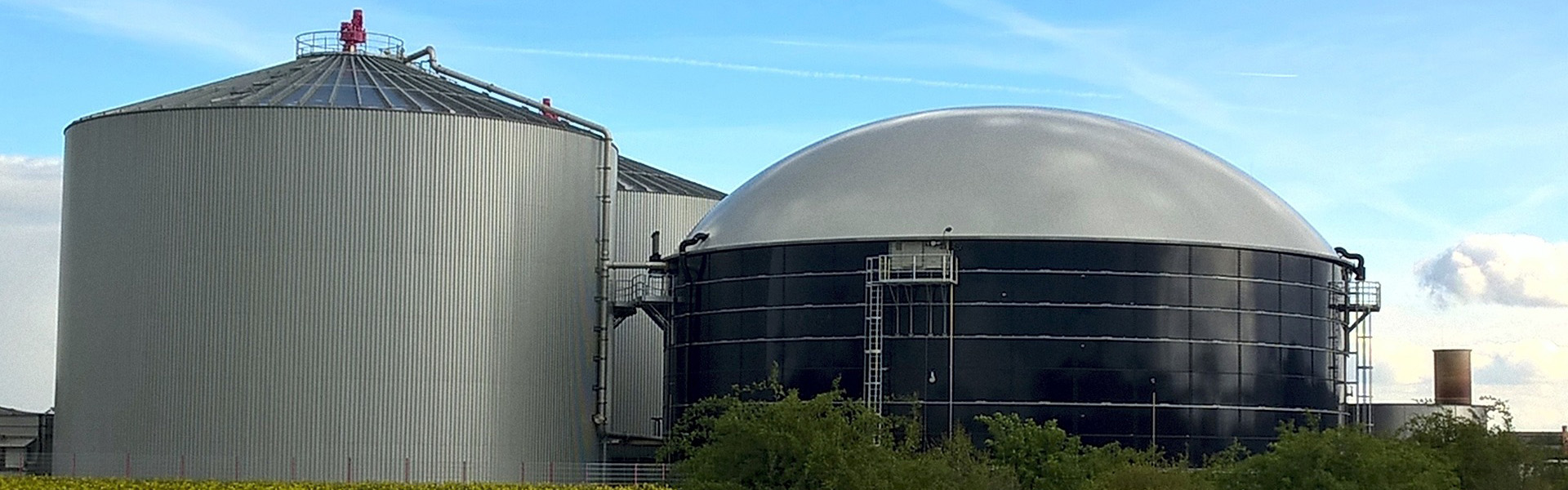
Why RNG Turnkey Solutions Are Transforming Renewable Gas Projects
The renewable natural gas (RNG) industry has matured rapidly over the past decade. What once required project developers to coordinate dozens of separate contractors—from civil engineers to biogas upgrading equipment manufacturers—has now evolved into a more streamlined approach. Project owners increasingly seek a single point of responsibility. They want someone who can handle everything from feedstock evaluation to gas grid injection. This shift has placed rng turnkey solutions at the center of the conversation. For stakeholders in the international biogas upgrading equipment manufacturing sector, understanding what makes a true turnkey offering is essential. It is no longer enough to simply deliver a membrane skid or a water scrubber. The market now demands integrated project delivery.
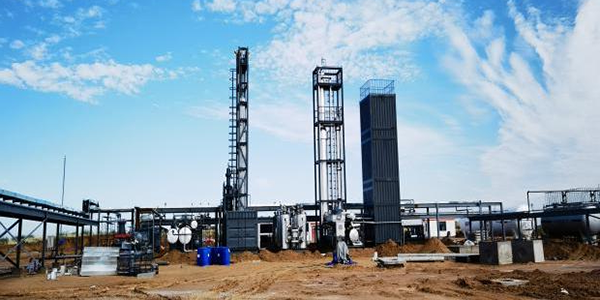
What Sets True RNG Turnkey Solutions Apart
A genuine rng turnkey solutions provider does not simply supply equipment. They assume full responsibility for the entire project lifecycle. This begins with feasibility studies and permitting. It extends through engineering, procurement, construction, commissioning, and ongoing operations and maintenance. For a developer looking to build a facility, the appeal is obvious. Instead of managing ten different subcontractors, they work with one accountable partner. That partner coordinates the anaerobic digesters, the gas cleanup systems, the compression trains, and the interconnection to the gas pipeline. In the world of biogas upgrading, rng turnkey solutions represent the difference between a project that faces delays and one that meets its commercial operation date.
The complexity of modern RNG projects demands this level of integration. Feedstock variability, grid interconnection requirements, and environmental permitting all create risk. A fragmented approach multiplies those risks. When a single entity delivers rng turnkey solutions, risk is consolidated. The provider has skin in the game. They are responsible for performance guarantees, which means they select components that work together reliably.
Project Development Under a Single Umbrella
Developing an RNG facility involves multiple distinct phases. Site selection requires evaluating proximity to feedstock sources and gas pipeline infrastructure. Permitting involves air quality permits, wastewater discharge permits, and often local zoning approvals. Engineering must balance process efficiency with capital cost constraints. Procurement involves sourcing digesters, upgrading equipment, gas storage, and flares. Construction management coordinates civil works, mechanical installation, and electrical integration. Finally, commissioning verifies that every component performs as designed.
When a developer chooses rng turnkey solutions, all these phases fall under one umbrella. The provider assigns a dedicated project manager who oversees every milestone. This eliminates the finger-pointing that often occurs when multiple contractors are involved. If a digester mixer fails during startup, the turnkey provider resolves the issue without the developer having to mediate between the digester supplier and the mechanical contractor. This unified approach is particularly valuable in the biogas upgrading equipment sector, where process integration is critical. A membrane system cannot perform optimally if the gas pretreatment upstream is undersized. With rng turnkey solutions, the provider designs the entire gas train as a cohesive system.
Engineering Integration Across the Gas Train
The heart of any RNG project is the gas upgrading system. Raw biogas typically contains 50-60 percent methane, 40-50 percent carbon dioxide, trace hydrogen sulfide, siloxanes, and moisture. Upgrading removes these contaminants to produce pipeline-spec or vehicle-fuel-spec biomethane. However, the upgrading equipment cannot function in isolation. It requires precise conditions at the inlet. Pressure, temperature, and contaminant levels must stay within strict ranges. This is where integrated engineering matters.
A provider offering rng turnkey solutions designs the entire gas train holistically. They select gas compression stages that match the upgrading technology. They size sulfur polishing vessels to handle peak hydrogen sulfide loads. They incorporate siloxane removal systems when the feedstock includes landfill gas or wastewater treatment gas. They also design the biogas upgrading equipment controls to communicate seamlessly with upstream digesters and downstream compression. This integration ensures that the facility operates at peak efficiency across varying feedstock conditions. Without this holistic view, plants often experience frequent shutdowns or fail to meet pipeline gas quality specifications.
Technology Selection for Long-Term Reliability
No single upgrading technology fits every project. Water scrubbing works well for facilities with access to low-cost water and where carbon dioxide utilization is not a priority. Pressure swing adsorption offers high methane recovery but requires careful pretreatment to protect the adsorbent materials. Membrane systems provide a compact footprint and low chemical usage, making them popular for projects with space constraints. A provider of rng turnkey solutions must maintain expertise across all these technologies. They evaluate the specific project conditions—feedstock type, gas quality requirements, site constraints, and utility availability—before recommending a solution.
This technology-agnostic approach benefits the project owner. The provider selects the biogas upgrading equipment that best fits the project, not simply the technology they manufacture in-house. Some turnkey providers are also original equipment manufacturers. Others partner with best-in-class suppliers. Either way, the focus remains on long-term reliability. Downtime in an RNG facility directly impacts revenue. A facility that fails to deliver gas under a long-term off-take agreement faces financial penalties. Rng turnkey solutions emphasize reliability through careful technology selection, redundancy where appropriate, and robust maintenance protocols.
Feedstock Flexibility and Pre-Treatment
Feedstock is the lifeblood of any RNG project. Agricultural waste, food waste, municipal organic waste, and landfill gas all present unique challenges. Each feedstock type contains different levels of contaminants. Food waste often includes plastics and packaging materials. Landfill gas contains siloxanes that can damage engine components and gas upgrading equipment. Agricultural residues may have high total solids content requiring specialized pumping and mixing.
A strong rng turnkey solutions provider brings expertise in feedstock pre-treatment. They design receiving areas, shredding equipment, and hydrolysis systems that prepare the feedstock for anaerobic digestion. They also understand how feedstock variability affects downstream biogas upgrading equipment. If the project involves multiple feedstock sources, the turnkey solution includes blending strategies to maintain consistent digester performance. This upstream expertise is often overlooked by equipment-only suppliers, but it is essential for project success. Without proper pre-treatment, digesters experience foaming, scum layer formation, and reduced gas yields.
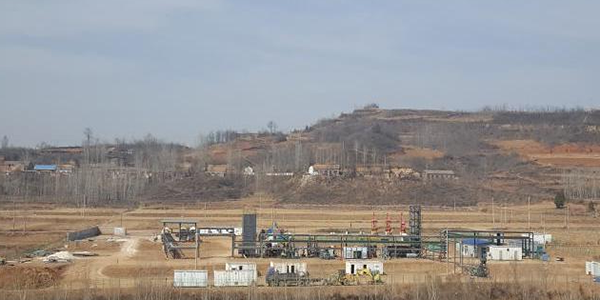
Gas Interconnection and Utility Coordination
One of the most challenging aspects of RNG development is interconnecting to the natural gas pipeline. Pipeline operators impose strict quality specifications. Total inerts, oxygen content, hydrogen sulfide, and other constituents must stay within narrow limits. The interconnection agreement also dictates pressure requirements, metering standards, and odorization protocols. Navigating this process requires experience with local gas utilities and pipeline companies.
Providers of rng turnkey solutions typically handle interconnection as part of their scope. They coordinate with the utility early in the project to understand requirements. They design the gas upgrading equipment to meet those requirements with margin. They also manage the installation of gas chromatographs, custody transfer meters, and odorant injection systems. This utility coordination is a specialized skill. Developers without this experience often face lengthy delays at the interconnection stage. Turnkey providers streamline this process because they have existing relationships with utilities and a track record of successful interconnections.
Operations and Maintenance Considerations
An RNG facility is not a set-it-and-forget-it asset. It requires daily attention. Operators must monitor digester temperatures, pH levels, and feeding rates. Gas upgrading equipment needs regular calibration and preventive maintenance. Membrane systems may require periodic cleaning or module replacement. Pressure swing adsorption systems require valve maintenance. A facility that neglects maintenance will see methane recovery decline and operating costs rise.
The best rng turnkey solutions include ongoing operations and maintenance services. The provider trains the owner’s staff or offers full-service operations contracts. Remote monitoring platforms allow experts to track performance metrics in real time. When issues arise, the turnkey provider has the engineering resources to diagnose and resolve problems quickly. This aftercare distinguishes true turnkey providers from those who walk away after commissioning. For developers seeking financing, having an operations and maintenance agreement with a reputable turnkey provider strengthens the project’s bankability. Lenders want to see that experienced operators will manage the facility.
Economic Drivers and Return on Investment
RNG projects require significant capital investment. The economics depend on multiple revenue streams. These include tipping fees for waste acceptance, renewable fuel credits such as D3 RINs in the United States, low carbon fuel standard credits in California and other jurisdictions, and the sale of pipeline gas or vehicle fuel. Project developers evaluate these revenue streams against capital expenditures and operating costs.
A turnkey approach can improve project economics in several ways. First, it reduces soft costs. The developer spends less time on project management, procurement, and contract administration. Second, it reduces contingency reserves. With a single point of responsibility, there is less risk of cost overruns from interface issues. Third, rng turnkey solutions often achieve faster project schedules. Faster schedules mean earlier revenue generation. For investors, time-to-completion directly impacts internal rates of return. Finally, integrated design often reduces operating costs because the facility runs more efficiently with fewer unplanned outages.
Risk Management and Performance Guarantees
Risk allocation is a central concern in any capital project. Traditional project delivery models spread risk across multiple contractors. If something goes wrong, the developer spends time and money determining liability. Turnkey delivery flips this model. The provider accepts performance risk. They guarantee gas flow rates, methane purity, and overall plant availability. If the facility does not perform as promised, the provider bears the cost of corrective work.
This risk transfer is valuable to developers, especially those entering the RNG space for the first time. A provider offering rng turnkey solutions with performance guarantees demonstrates confidence in their engineering and execution capabilities. The performance guarantees cover key metrics such as methane recovery efficiency, specific energy consumption, and on-stream time. These guarantees align the provider’s incentives with the owner’s goals. Both parties want the facility to perform at its best. When performance falls short, the provider’s resources are deployed to fix the issue rather than litigate responsibility.
Common Questions About RNG Turnkey Solutions
Q1: What is
included in a typical RNG turnkey solutions package?
A1: A
comprehensive rng turnkey
solutions package generally includes feedstock
pre-treatment systems, anaerobic digesters, biogas upgrading equipment, gas
compression, pipeline interconnection facilities, flares, and all associated
controls and electrical infrastructure. It also covers engineering design,
procurement, construction, commissioning, and often a multi-year operations and
maintenance agreement. The exact scope varies by project, but the defining
characteristic is that the developer receives a fully operational facility
without needing to coordinate separate contractors.
Q2: How do RNG
turnkey solutions handle permitting and regulatory
compliance?
A2: Reputable turnkey
providers include permitting support as part of their service. They assist with
air permits, wastewater permits, and local land use approvals. Their experience
across multiple jurisdictions allows them to anticipate regulatory requirements
early in the design phase. This proactive approach prevents costly redesigns
later. For projects requiring environmental impact assessments or zoning
variances, the turnkey provider often manages the technical studies and expert
testimony needed to secure approvals.
Q3: Can a turnkey
solution work with different types of
feedstock?
A3: Yes. A
well-designed rng turnkey
solutions approach is feedstock-flexible. Providers
assess the specific feedstock characteristics—whether food waste, agricultural
manure, or landfill gas—and design the pre-treatment and digestion systems
accordingly. For projects planning to accept multiple feedstock types, the
turnkey solution includes receiving systems capable of handling variability
while maintaining stable digester conditions and consistent gas quality for the
upgrading equipment.
Q4: What
performance guarantees should I expect from a turnkey
provider?
A4: Performance guarantees
typically cover methane recovery percentage, biogas upgrading equipment uptime,
and outlet gas quality. Methane recovery guarantees often range from 98 to 99.5
percent depending on the technology. Uptime guarantees usually exceed 95 percent
on an annual basis. Gas quality guarantees ensure that the biomethane meets
pipeline or vehicle fuel specifications. Some providers also guarantee specific
energy consumption and maintenance costs for the first several years of
operation.
Q5: How long does
it take to develop an RNG project using turnkey
solutions?
A5: Project timelines vary
based on size, feedstock type, and interconnection complexity. A typical
facility with rng turnkey solutions can
move from signed agreement to commercial operation in 18 to 30 months. This
timeline includes engineering, equipment procurement, permitting, construction,
and commissioning. Turnkey delivery generally shortens the schedule compared to
traditional delivery models because activities overlap and coordination delays
are minimized.
Q6: Are turnkey
solutions more expensive than managing contractors
separately?
A6: The upfront contract
value for rng turnkey solutions may
appear higher than the sum of individual equipment quotes. However, turnkey
pricing includes engineering, project management, risk contingency, and
performance guarantees. When comparing total project cost—including soft costs,
contingencies, and the cost of delays—turnkey delivery often proves more
cost-effective. Developers also benefit from predictable costs and a single
point of accountability, which simplifies financing and reduces administrative
burden.
The RNG industry has reached a stage where project complexity demands a new approach. Developers are no longer content to piece together components from multiple suppliers while managing interfaces, permits, and contractors themselves. The market has responded with rng turnkey solutions that deliver fully integrated facilities backed by performance guarantees. For manufacturers of biogas upgrading equipment, this shift represents both a challenge and an opportunity. The challenge lies in expanding capabilities beyond equipment supply to encompass full project delivery. The opportunity lies in becoming a trusted partner that guides projects from concept to commercial operation. As renewable natural gas continues to gain traction as a scalable decarbonization solution, the providers who master rng turnkey solutions will define the future of the industry. Their work turns complex engineering challenges into operational assets that generate clean energy, reduce emissions, and deliver reliable returns for project developers and investors alike.