


News
We'll get back to you as soon as possible.
Maximizing RNG Production: How Biogas Upgrading Equipment Shapes the Future of Renewable Energy
When discussions turn to sustainable energy infrastructure, the focus is increasingly shifting toward how we refine raw organic matter into a pipeline-ready resource. At the heart of this evolution lies advanced manufacturing in the biological gas upgrading sector. Specifically, the term rng biogas has become a cornerstone for engineers, project developers, and energy firms looking to convert waste streams into high-value renewable natural gas. The precision of the equipment used in this process determines not only the purity of the final product but also the economic viability of the entire facility.
For those unfamiliar with the technical landscape, rng biogas refers to the process of refining raw biogas—produced from anaerobic digestion or landfill gas—into renewable natural gas. This upgraded product is chemically identical to fossil-based natural gas, allowing it to be injected into existing pipelines or used as vehicle fuel. However, achieving this requires sophisticated equipment, and manufacturers in this space are constantly innovating to improve methane recovery rates while minimizing operational expenses.
The Role of Advanced Membrane Separation in rng Biogas Facilities
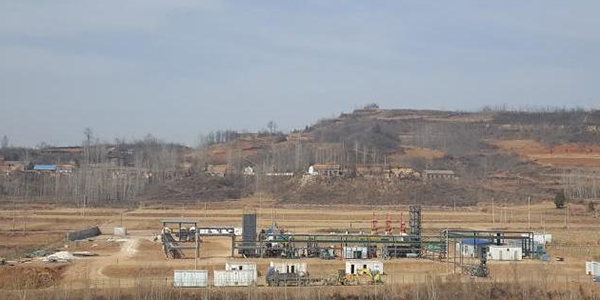
One of the most critical components in any upgrading plant is the membrane separation unit. Manufacturers specializing in rng biogas equipment have refined membrane technology to selectively separate carbon dioxide, hydrogen sulfide, and other contaminants from methane. Modern systems now utilize multi-stage membrane skids that can handle fluctuating feed gas compositions without compromising output quality.
These systems are designed for modularity. A facility operator can start with a single skid and expand capacity as feedstock volumes increase. This scalability is essential for municipal waste treatment plants and agricultural digesters that plan to grow their energy output over time. The durability of the membranes themselves is a key selling point, with leading manufacturers offering lifespans exceeding ten years under proper operating conditions.
Water Scrubbing Innovations That Reduce Operational Costs
Water scrubbing remains one of the most widely adopted methods for producing rng biogas, particularly in regions with abundant water resources. However, newer equipment designs have dramatically reduced the energy consumption associated with this process. Traditional water scrubbers required significant electricity for high-pressure pumps and compressors. Today’s systems incorporate variable frequency drives and optimized packing materials to lower parasitic loads.
Manufacturers have also introduced closed-loop water treatment packages that recycle process water with minimal losses. This is particularly important for facilities in arid regions where water costs are a primary concern. By integrating these advancements, equipment providers ensure that rng biogas projects achieve better returns on investment while maintaining methane slip rates below regulatory thresholds.
Pressure Swing Adsorption: Precision in Gas Separation
For projects requiring exceptionally high methane purity—often above 98%—pressure swing adsorption (PSA) systems are the preferred choice. PSA technology uses specialized adsorbent materials to capture CO2 and other impurities under pressure. The manufacturing quality of the adsorbent media and the valve sequencing systems directly impacts the reliability of rng biogas production.
Modern PSA units feature advanced control algorithms that adjust cycle times based on real-time gas composition analysis. This dynamic adjustment prevents premature adsorbent saturation and extends media life. Equipment manufacturers now offer containerized PSA solutions that arrive at the site pre-tested, reducing installation time by up to 40%. Such innovations are critical for developers looking to meet project deadlines without compromising on gas quality standards.
Cryogenic Upgrading: High-Purity Output for Vehicle Fuel Standards
When the end application is compressed renewable natural gas for heavy-duty transport, cryogenic upgrading equipment becomes essential. These systems use low temperatures to separate methane from other components, producing rng biogas that meets the strictest vehicle fuel specifications. The manufacturing complexity of cryogenic units is higher than other technologies, but the output purity can reach 99.5%.
Manufacturers in this niche focus heavily on thermal efficiency. By recovering cold energy during the process, modern cryogenic plants can significantly reduce overall energy consumption. This is particularly advantageous for facilities located near industrial zones where liquid nitrogen or other cryogenic fluids are readily available. The result is a rng biogas product that commands premium pricing in transportation fuel markets.
Biogas Desulfurization: Protecting Downstream Equipment
No discussion of rng biogas equipment is complete without addressing pretreatment systems. Hydrogen sulfide, even in trace amounts, can rapidly degrade membranes, compressors, and engines. Leading manufacturers now offer biological desulfurization units that use naturally occurring bacteria to remove H2S without the need for chemical replacement.
These biological systems are designed for low-maintenance operation. They automatically adjust air injection rates based on real-time H2S measurements, ensuring that downstream rng biogas equipment operates within safe parameters. For facilities processing high-sulfur feedstocks like food waste or manure, this pretreatment step is non-negotiable. The cost savings from avoided equipment corrosion often pay for the desulfurization system within the first two years of operation.
Compressor Integration and Grid Injection Standards
Once the gas is upgraded, it must be compressed to meet pipeline or vehicle fueling pressures. The integration of compressors with rng biogas upgrading systems requires careful engineering to avoid pressure mismatches. Equipment manufacturers now offer fully integrated packages where compressors, dryers, and odorization units are combined on a single skid.
This integrated approach simplifies site layout and reduces the number of interconnecting pipes, which are potential leak points. For grid injection projects, the equipment must comply with local gas utility specifications, which often include requirements for gas composition monitoring and emergency shutdown systems. Manufacturers with global experience understand these regional variations and can configure rng biogas systems to meet specific utility requirements without costly field modifications.
Monitoring and Control Systems for Continuous Compliance
Modern rng biogas facilities rely heavily on data-driven operations. Advanced control platforms now provide operators with real-time visibility into methane concentration, flow rates, and equipment health. Manufacturers have moved away from proprietary control systems toward open-architecture platforms that integrate seamlessly with existing plant SCADA systems.
Predictive maintenance features are becoming standard. By analyzing vibration data from compressors and pressure trends across membrane skids, these systems can alert operators to developing issues before they cause unplanned downtime. For rng biogas producers, where production uptime directly correlates with revenue, such reliability features are invaluable. Manufacturers that invest in robust control software often differentiate themselves in a competitive market.
Sustainability Metrics and Carbon Intensity Scoring
As renewable fuel standards become more stringent, the carbon intensity of rng biogas production is under increased scrutiny. Equipment manufacturers now provide detailed lifecycle assessments for their systems, helping project developers secure environmental credits. Lowering the carbon footprint of the upgrading process itself—through energy-efficient designs and reduced methane slip—adds direct value to the final product.
Some manufacturers have begun incorporating solar-ready designs that allow facilities to power their upgrading equipment with on-site renewable electricity. This approach further reduces the carbon intensity score of the rng biogas produced, making it more attractive to corporate buyers with sustainability commitments. The trend toward net-zero manufacturing facilities among equipment suppliers also resonates with environmentally conscious investors.
Future-Proofing Investments Through Modular Design
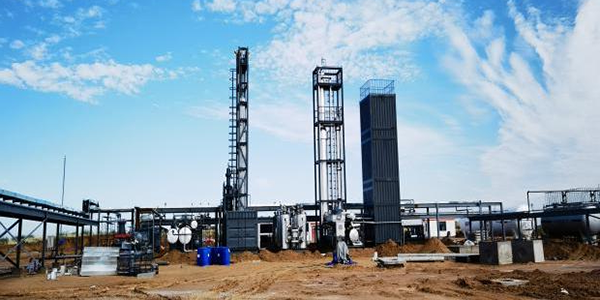
The rng biogas market is characterized by rapidly evolving technologies and changing regulatory landscapes. Equipment manufacturers that prioritize modularity enable operators to adapt to these changes without scrapping entire systems. A modular approach allows facilities to add polishing steps, increase capacity, or incorporate new contaminant removal technologies as requirements evolve.
For project developers securing financing, the ability to demonstrate future flexibility is critical. Lenders and equity investors favor equipment that can accommodate technological upgrades without major capital outlays. Manufacturers who design their rng biogas systems with standardized interfaces and spare capacity in their skids provide a clear competitive advantage.
Common Questions About rng Biogas Equipment
Q1:
What is the typical methane recovery rate for modern rng biogas upgrading
systems?
A1: Modern rng
biogas upgrading equipment typically achieves methane
recovery rates between 98% and 99.5%. The exact rate depends on the technology
used—membrane systems often operate at 98-99%, while advanced PSA and cryogenic
units can exceed 99%. Manufacturers continuously refine their processes to
minimize methane slip, as even small losses affect project economics and carbon
intensity scores.
Q2:
How do I select the right rng biogas equipment for my feedstock
type?
A2: Feedstock composition directly influences equipment
selection. For agricultural digesters with relatively consistent gas quality,
membrane or water scrubbing systems are often cost-effective. For landfill gas
projects with high siloxane and oxygen content, pretreatment systems become
critical, and PSA or cryogenic units may be preferred.
Reputable rng biogas equipment
manufacturers will conduct a thorough analysis of your gas composition, flow
rates, and end-use requirements before recommending a specific
technology.
Q3:
What maintenance costs should I expect for a commercial-scale upgrading
plant?
A3: Maintenance costs for rng
biogas facilities typically range from 3% to 5% of
initial capital expenditure annually. Membrane systems require periodic cleaning
and membrane replacement every 8 to 12 years. PSA units need adsorbent media
replacement every 5 to 7 years. Compressors, being moving equipment, represent
the highest routine maintenance category. Manufacturers offering predictive
maintenance monitoring can help reduce unplanned repair costs by 20% to
30%.
Q4:
Can rng biogas equipment be integrated with existing anaerobic
digesters?
A4: Yes, most rng
biogas equipment is designed for straightforward
integration with existing anaerobic digestion facilities. The upgrading system
is typically installed downstream of the digester’s gas storage and initial
treatment steps. Manufacturers provide engineering support for integrating
control systems, gas flow management, and safety shutdown protocols. Retrofits
are common, particularly for digesters that originally produced electricity but
are now shifting to renewable natural gas production for higher
value.
Q5:
What certifications should I look for when purchasing rng biogas equipment?
A5: For grid injection projects in North America,
equipment should comply with AGA or CSA standards for gas quality and safety. In
Europe, DVGW certification is often required. Additionally, look for ISO 9001
certification for manufacturing quality and ISO 14001 for environmental
management. For rng biogas intended for
vehicle fuel, equipment must meet ASTM D1945 or equivalent gas purity standards.
Leading manufacturers provide comprehensive documentation to streamline the
permitting and utility interconnection process.
The shift toward renewable natural gas is accelerating, and the quality of rng biogas equipment directly determines whether a project succeeds financially or struggles with operational challenges. From membrane skids that maximize methane recovery to cryogenic systems that meet the strictest vehicle fuel standards, the manufacturing sector continues to push boundaries in efficiency and reliability. Developers and operators who partner with experienced equipment providers gain not only superior hardware but also the process expertise necessary to navigate regulatory complexities and optimize long-term performance.
As global demand for low-carbon fuels intensifies, the role of advanced biogas upgrading technology becomes increasingly central. Facilities that invest in robust rng biogas systems today position themselves to capture value from waste streams while contributing to meaningful reductions in greenhouse gas emissions. The manufacturers leading this space understand that success is measured not just in cubic meters of gas processed, but in the durability, adaptability, and efficiency of the solutions they deliver. For anyone serious about renewable energy infrastructure, the conversation about rng biogas equipment is where practical engineering meets environmental impact—and where the future of sustainable fuel is being built.