


News
We'll get back to you as soon as possible.
Inside the Biogas Plant Production Process: From Feedstock to Renewable Energy
Turning organic waste into clean energy requires a carefully controlled technical sequence. The biogas plant production process involves multiple stages: feedstock handling, anaerobic digestion, raw biogas cleaning, and finally upgrading to biomethane. Each step directly impacts the final gas quality and overall plant profitability. Modern facilities now integrate membrane separation technology to achieve methane concentrations above 98%, making the entire value chain more sustainable.
Why the Biogas Plant Production Process Matters for Clean Energy
Without a standardized production flow, biogas plants suffer from low methane yields and high operational costs. The biogas plant production process determines how efficiently organic matter converts to energy. A well-designed process reduces fermentation time from 60 days to just 3–7 days, as seen with advanced steam explosion pretreatment. This efficiency gain means smaller digester tanks and lower capital investment. For plant operators, controlling each production phase translates directly into higher revenues from biomethane sales or grid injection.
Feedstock Pretreatment: Steam Explosion and Particle Size Reduction
Raw biomass like straw, corn stover, or food waste arrives with complex structures that resist bacterial breakdown. Effective pretreatment is the first critical step in the biogas plant production process. Steam explosion reactors treat the material with high-pressure steam, then suddenly release pressure. This ruptures lignocellulosic fibers, creating a slurry that mixes completely with water. The result? No stratification or floating layers inside the digester. Fermentation time for pretreated straw drops from 60 days to only three days. Additionally, pellet mills reduce feedstock particle size from 30–50mm down to 2–3mm, increasing biogas harvest by 11%.
Anaerobic Digestion: The Core Biological Stage
Inside the airtight digester, methanogen bacteria break down organic matter in the absence of oxygen. This biological heart of the biogas plant production process produces raw biogas containing roughly 55–65% methane and 35–45% carbon dioxide. Temperature control (mesophilic or thermophilic), pH balance, and mixing all affect gas yield. Modern plants with advanced pretreatment see degradation times as short as three days, compared to conventional 28-day cycles. Shorter retention times mean smaller digesters – some operators reduce tank investment by up to 90%. The output raw biogas then moves to the cleaning stage.
Raw Biogas Cleaning: Removing H2S, Siloxanes, and Moisture
Before upgrading, raw biogas must be free of corrosive components. Hydrogen sulfide (H2S) damages engines and membranes. In a complete biogas plant production process, biological desulfurization or iron sponge filters reduce H2S below 200 ppm. Moisture removal via refrigeration or adsorption prevents condensation in downstream equipment. Some facilities also extract siloxanes from landfill gas, protecting combined heat and power (CHP) units. Cleaned but still CO2-rich gas is now ready for the upgrading stage – the step that transforms it into pipeline-grade biomethane.
Membrane Biogas Upgrading: Achieving Methane Purity Above 98%
Membrane separation has become the dominant technology for modern upgrading. Inside a membrane skid, high-pressure gas flows through hollow fibers that selectively permeate CO2, while methane passes through. This stage of the biogas plant production process can achieve methane recovery rates above 99.5%. Three-stage membrane systems, often housed in 40ft containers, produce final biomethane with CO2 content below 2%. Compared to water scrubbing or PSA, membrane systems have smaller footprints and lower energy use. Operators can also add CO2 liquefaction as an option, turning captured CO2 into a saleable byproduct and improving carbon intensity scores.
Integrating CO2 Liquefaction and Final Utilization
After membrane upgrading, the purified biomethane is compressed and injected into natural gas grids or used as vehicle fuel. The separated CO2 stream, if liquefied, becomes valuable for greenhouses or industrial processes. A complete biogas plant production process aims for zero waste. Some plants combine membrane technology with PSA for landfill gas applications, handling variable inlet compositions. The final output meets international standards like ISO 11454 for biomethane. Plant owners report that adding CO2 recovery increases overall project revenue by 15–20%, making the investment in advanced upgrading systems highly attractive.
Key Equipment That Defines Modern Biogas Production
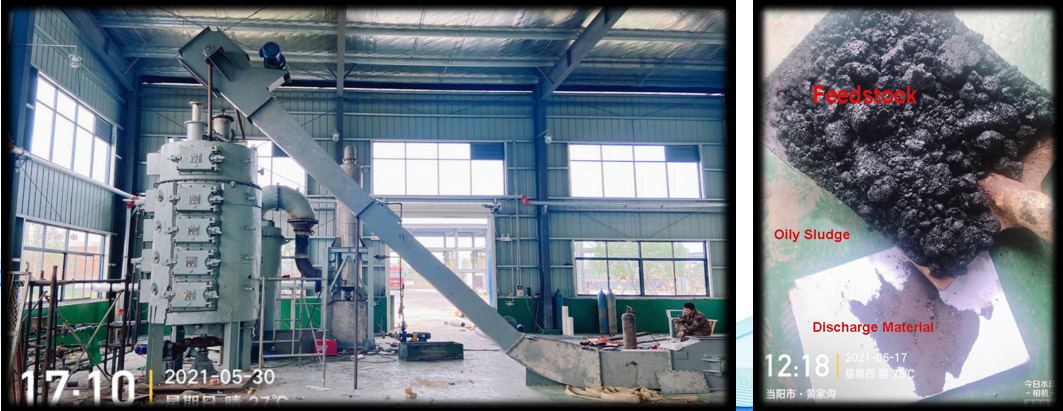
Reliable hardware determines whether a biogas plant production process runs profitably or suffers downtime. Three core machines make the difference: steam explosion reactors, straw-oriented pellet mills, and membrane upgrading units. Steam explosion shortens fermentation dramatically. Pellet mills that combine milling and pelletizing work with wet straw (up to 30% moisture). Membrane systems with high separation efficiency operate continuously with minimal maintenance. Manufacturers like OPM supply these in modular containers, allowing stepwise plant expansion. When selecting equipment, check gearbox accuracy – wind-turbine-grade gearboxes (0.08μm precision) last over 15 years, even in 24/7 operation.
Operational Tips for Maximizing Biogas Yield
Small adjustments can significantly raise output from your biogas plant production process. Monitor the carbon-to-nitrogen ratio of incoming feedstock – ideal is 20:1 to 30:1. Too much nitrogen leads to ammonia inhibition. Keep digester temperature fluctuation below 1°C per day. For membrane units, replace pre-filters regularly to prevent fouling. Consider co-digesting multiple feedstocks (manure, crop residues, food waste) to balance nutrients. Plants using steam explosion report that discharging material below 50°C prevents thermal shock to digesters. Also, check that no bridging or clogging occurs in feed pipes – the slurry form from steam explosion eliminates these problems naturally.
Common Questions About the Biogas Plant Production Process
Q1: What is the typical duration of the entire biogas plant production process from feedstock to biomethane?
A1: With conventional digesters, the process takes 28–60 days. However, modern plants using steam explosion pretreatment shorten the biogas plant production process to only 3–7 days for the fermentation stage. Including cleaning and membrane upgrading, the total cycle from wet feedstock to grid-ready biomethane can be completed in under 10 days under optimal conditions.
Q2: Which upgrading technology gives the highest methane purity: membrane, PSA, or water scrubbing?
A2: Three-stage membrane systems consistently achieve methane purity above 98% with CO2 levels below 2%. Pressure swing adsorption (PSA) typically reaches 96–97%, while water scrubbing gives 95–97%. Membranes also have the smallest footprint and lowest parasitic energy loss, making them the preferred choice for new biogas plant production process designs.
Q3: How much can steam explosion reduce digester tank size requirements?
A3: Because steam explosion shortens fermentation time from 60 days to just 3 days, the required digester volume can be reduced by up to 90%. A plant that would need 10,000 m³ of tank capacity with untreated straw may only need 1,000 m³ after integrating steam explosion into the biogas plant production process. This dramatically lowers capital costs.
Q4: What maintenance do membrane upgrading units require?
A4: Membrane units in a biogas plant production process require pre-filter changes every 2,000–4,000 hours, plus an annual membrane integrity test. The membranes themselves last 5–10 years with proper gas cleaning (H2S below 200 ppm, no siloxanes). Some operators run mobile containerized units that can be swapped out during service, minimizing downtime.
Q5: Can the same process handle both agricultural waste and landfill gas?
A5: Yes, but with modifications. Landfill gas often contains higher levels of siloxanes and variable methane content (35–55%). For landfill applications, the biogas plant production process typically adds siloxane removal filters and combines membrane technology with PSA to handle fluctuating conditions. Agricultural biogas from digesters is more consistent and requires only membrane upgrading.
Q6: What is the typical payback period for upgrading an existing biogas plant with membrane technology?
A6: Most operators see payback within 2–4 years after adding membrane upgrading. Selling biomethane (instead of raw biogas for heat) increases revenue by 300–400%. CO2 liquefaction as an add-on cuts payback to 18–30 months. The exact biogas plant production process economics depend on local gas prices and any renewable energy certificates available.
Optimizing each step of the biogas plant production process – from steam explosion pretreatment to three-stage membrane upgrading – turns low-value waste into pipeline-grade renewable gas. Facilities that adopt integrated systems see shorter retention times, lower tank investment, and higher methane yields. Whether you operate a farm-based digester or a centralized waste-to-energy plant, investing in high-efficiency membranes and robust pretreatment equipment delivers measurable returns. For plant-specific engineering support and containerized upgrading solutions, consult with suppliers who provide both hardware and process know-how.