


News
We'll get back to you as soon as possible.
Biogas Plant Equipment: What You Need for Reliable Biomethane Production
When someone says they run a biogas plant equipment setup, they are not talking about a single machine. A working commercial installation needs over a dozen different components – from feedstock pumps to gas upgraders. And choosing the wrong piece can cost you months of downtime. This article walks through each essential category of biogas plant equipment, what to look for in real-world conditions, and where most buyers make mistakes. No theory, just practical advice from plants that process 50+ tons of organic waste daily.
The market for biogas plant equipment has changed rapidly in the last five years. Membrane separators have become cheaper, pre-treatment gear is more automated, and remote monitoring is now standard. But the basics remain: every plant still needs robust digesters, reliable gas cleaning tools, and a upgrading unit that does not break down every month. Read on to learn which components are worth the investment and which ones you can buy used.
1. Feedstock Receiving and Pre‑treatment Tools
Everything starts at the reception pit. Your biogas plant equipment list must include a receiving hopper with a drainage screw. Organic waste arrives wet, often packed in plastic bags or mixed with stones. A screw press or a hammer mill comes next. Shredding reduces particle size below 12 mm – otherwise fibers clog the digester feed pipe.
For liquid feedstocks like slaughterhouse blood or dairy whey, you need a macerator pump and a holding tank with gentle mixing. Solids such as supermarket waste require a depackaging unit that tears outer layers but keeps organic inside. Many operators forget a metal separator (magnet drum or eddy current) – that mistake often kills the shredder knives within six months.
Budget roughly 15% of your total mechanical investment on pre‑treatment. Cheap pre‑treatment is the number one reason why otherwise well‑designed plants run at 60% capacity.
2. Anaerobic Digester Hardware – Tanks, Mixers, and Heating
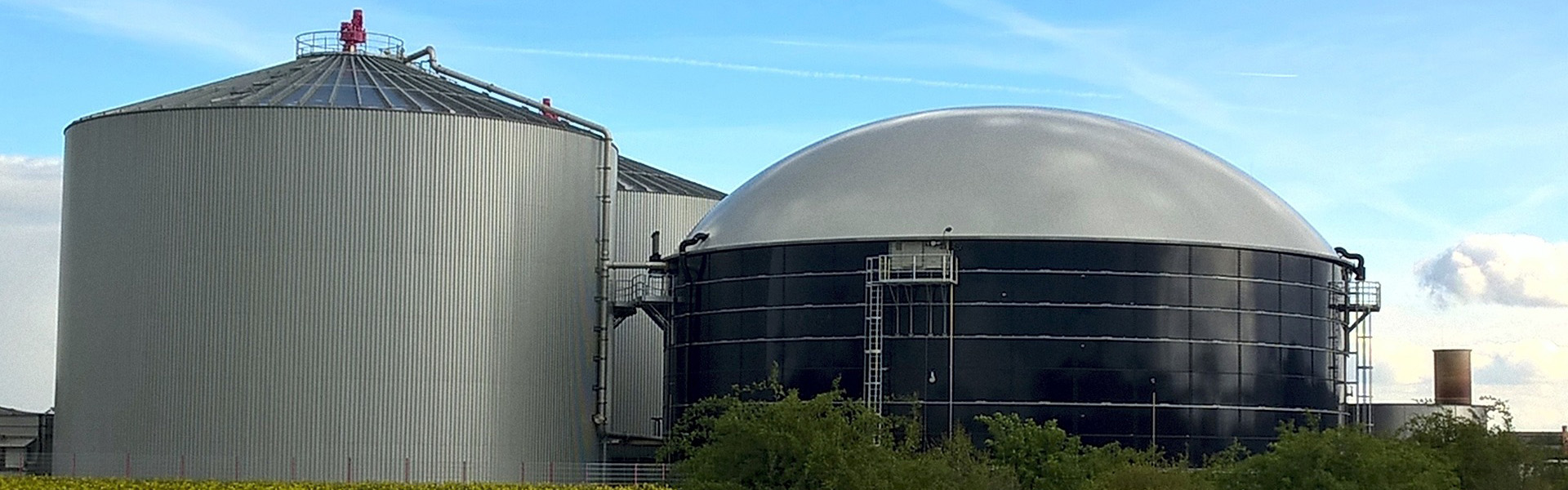
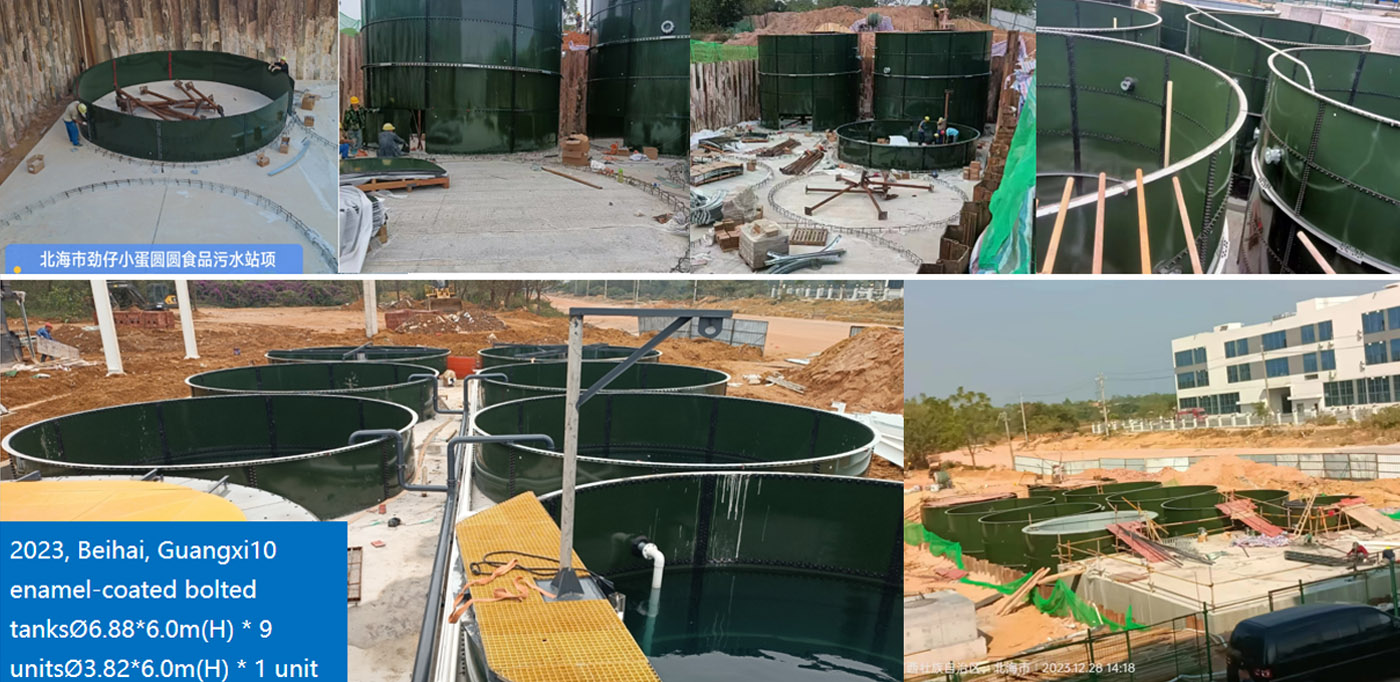
The digester is the heart, but it is not just a concrete box. Modern biogas plant equipment for digestion includes stainless steel or epoxy‑coated concrete tanks with double‑membrane roofs for gas storage. Mixing technology decides how much gas you actually get. Top‑entry propeller mixers are common but consume a lot of electricity. Submersible side‑entry mixers or gas injection systems (recirculating compressed biogas from the bottom) work better for fibrous feedstocks.
Heating pipes run inside the walls or through external heat exchangers. You need to keep mesophilic digestion at 37‑40°C – every 1°C drop reduces gas yield by 5%. The heating system should be oversized because winter heat losses surprise many first‑time builders. Also include a recirculation pump for each digester, plus a spare pump on the shelf. When a heating pump fails in December, you have about 8 hours to fix it before the biology stalls.
Do not forget foam sensors. Foam can block the gas pipe and collapse a membrane roof. A simple conductance probe costs little but saves thousands in repairs.
3. Raw Biogas Cleaning – Desulfurization and Condensate Removal
Raw biogas from the digester contains hydrogen sulfide (H₂S) – often 1000‑3000 ppm. H₂S corrodes pipes, engines, and upgrading membranes. The standard solution is biological desulfurization: inject a tiny amount of air (2‑6% of biogas volume) directly into the digester headspace. Bacteria oxidize H₂S into elemental sulfur, which settles and is removed with the digestate. This costs almost nothing to run. For very high H₂S levels (above 5000 ppm), add an iron hydroxide scrubber as a polishing step.
Then comes condensate removal. Biogas is saturated with water vapor. Cooling it to 10‑15°C causes liquid water to drop out – collect this in a drain pot with an automatic float valve. If water reaches the gas compressor or membrane, you will see pressure drop and membrane wetting. A simple refrigeration dryer before the upgrading unit is a smart addition for any serious biogas plant equipment layout.
biogas plant equipment – Upgrading Systems That Actually Work
This is where the real value is created. Raw biogas is 50‑60% methane – too low for grid injection or vehicle fuel. Upgrading lifts methane to 96‑98% by removing CO₂ and trace impurities. Four main technologies dominate the market for commercial biogas plant equipment in this category:
Water scrubbing – Biogas is bubbled through a water column under pressure. CO₂ dissolves much better than methane. It is robust and cheap to operate, but the water must be regenerated with air stripping, and it consumes a lot of electricity for the pump. Best for plants with low electricity cost and plenty of water.
Pressure swing adsorption (PSA) – Uses zeolite or activated carbon filters that adsorb CO₂ under pressure, then release it when pressure drops. Compact, dry process, but sensitive to moisture and H₂S. You need perfect upstream gas drying. PSA works well for medium‑sized plants (500‑1500 Nm³/h raw gas).
Membrane separation – Gas flows through hollow fiber membranes that let CO₂, H₂O, and H₂S pass faster than methane. Simple, modular, and tolerant to fluctuating inlet conditions. Membrane units now dominate new installations because you can add modules as your biogas volume grows. The only downside: methane slip (loss) is slightly higher – around 1.5‑3% – but a second membrane stage can recover that.
Chemical scrubbing (amine wash) – Uses an amine solution that binds CO₂ chemically. Delivers the purest methane (up to 99.9%), but involves toxic chemicals, heat for regeneration, and skilled operators. Only choose this if your customer demands extreme purity (e.g., bio‑LNG for aviation).
For a standard commercial plant upgrading 500 m³/h of raw biogas, budget €600,000‑€1,200,000 for the upgrading skid. Request an onsite trial with your actual gas composition before signing any purchase order.
4. Gas Storage and Compression Equipment
Even the best biogas plant equipment package is useless if gas cannot be stored or delivered. Low‑pressure storage (5‑20 mbar) uses the double‑membrane roof of the digester or separate gas bags. That covers hourly fluctuations. But for daily balancing (e.g., injecting gas only during peak price hours), you need a medium‑pressure storage at 5‑10 bar. Spherical or cylindrical steel tanks are standard.
Compression is another major item. To inject biomethane into a natural gas grid, you need 4‑16 bar (distribution grid) or 50‑70 bar (transmission grid). A three‑stage piston compressor is reliable but noisy. Screw compressors are quieter but cost more. Always install a buffer vessel after the compressor to smooth out pulses; otherwise downstream meters get damaged.
For vehicle fuel (CNG), the final compression jumps to 200‑250 bar. That requires a specialized high‑pressure compressor with leak‑tight seals and a cooling system. This equipment is expensive – often €150,000‑€300,000 – but it opens the highest‑value market.
5. Cogeneration (CHP) or Direct Injection – Which One Needs What
If you are not upgrading the gas, you will use a combined heat and power (CHP) engine. A CHP unit burns raw or partially cleaned biogas to produce electricity and heat. Typical electrical efficiency is 38‑42%. The heat (45‑50% of input energy) goes to heat the digesters, dry products, or warm nearby buildings. CHP sets are simpler than upgrading rigs, but you then cannot sell biomethane – only electricity, which often has lower tariffs.
Required biogas plant equipment for CHP: gas filter (down to 5 microns), knock‑out pot, pressure regulator, and the engine itself – usually a lean‑burn gas engine from Jenbacher, Caterpillar, or MWM. Plan a full engine overhaul every 60,000 operating hours (about 7 years). The generator and control cabinet must match your grid connection permit.
Direct injection into a gas pipeline needs gas drying (dew point < -10°C), odorization (for safety), and a gas chromatograph for quality assurance. The grid operator can shut your valve if methane number drops below 65 or if sulfur exceeds 10 mg/m³. Including an online analyzer adds €40,000‑€70,000 – but skipping it is a financial suicide.
6. Digestate Separation and Residue Handling Gear
After digestion, the remaining slurry contains water, lignin, and nutrients. A biogas plant equipment line is incomplete without a solid‑liquid separator. A screw press or decanter centrifuge splits the digestate into a solid fraction (used as bedding for cows or as compost feedstock) and a liquid fraction (which goes to storage ponds). The solid fraction has value: dry matter of 25‑35% sells for €20‑€40 per ton as organic soil amendment.
Choose a decanter if your digestate has fine particles (e.g., from food waste). A screw press is enough for fibrous material like corn silage digestate. Both need regular washing – build a clean‑in‑place (CIP) connection. And never underestimate the smell: install a biofilter or acid scrubber on the drying hall exhaust, otherwise neighbours will complain.
7. Monitoring and Control Hardware – The Overlooked Part
Operators often spend 90% of their budget on tanks and membranes, then add a cheap PLC with a tiny display. That is a mistake. Your biogas plant equipment should include a full SCADA system with remote access. Sensors for pH, temperature (at three heights in the digester), gas flow, methane concentration, H₂S, and feeder torque are critical.
Data logging every 15 minutes helps you spot trends – a slowly dropping pH over 3 days indicates acid accumulation, and you can add buffer before the digester crashes. A good control system will also warn you when the feed pump amperage rises (clogging ahead) or when the membrane skid pressure drop increases (fouling). Many modern controllers can send SMS alerts to your phone. Budget at least €50,000 for a reliable automation package for a 1 MW plant. It pays back within one year by avoiding just one major downtime event.
Remember to include a backup generator for the control system and the feed pumps. A two‑hour power outage might not damage the biology, but losing the mixing and heating for 10 hours will. A diesel backup that runs the bare minimum (mixing, heating circulation, control panel) is cheap insurance.
To sum up, building a profitable biogas plant equipment package is about balance. Do not buy the most expensive German pre‑treater and then a no‑name compressor. Do not oversize the digester but undersize the gas storage. And never forget the small things: a few spare pressure gauges, a portable gas detector for confined space entry, and a local mechanic who knows your brand of screw press. With the right equipment list and realistic maintenance planning, your plant will run for 15 years without a major rebuild. The market for biomethane is growing – get your hardware right, and you get paid.
Frequently Asked Questions (FAQ)
Q1: Which single piece of biogas plant equipment fails most
often?
A1: The feed pump – specifically,
progressive cavity pumps that handle solid‑laden liquids. They wear out every
3‑5 years because stones and fibers destroy the rubber stator. Keep a rebuilt
stator and rotor on site. The second most common failure is the gas compressor
valve plate, which fatigues after 8,000 operating hours. Buy spares from the
original manufacturer, not cheap knock‑offs.
Q2: Can I use second‑hand biogas plant equipment to save
money?
A2: Yes, but only for certain items. Used
stainless steel tanks, heat exchangers, and screw conveyors are fine if
pressure‑tested. Never buy a used membrane upgrading unit – membranes age even
when not in use (oxidation and plasticizer loss). Used CHP engines are risky
too; a rebuilt engine with a warranty from a reputable rebuilder can work, but
expect 30% shorter life than new. For pre‑treatment shredders, buy new – worn
knives and unbalanced rotors cause vibration that damages the whole line.
Q3: How much spare equipment should a commercial plant
keep?
A3: A minimum spare parts inventory worth
5‑7% of total equipment cost. Must‑haves: one complete pump head (for the main
feed pump), three sets of membrane end‑caps and O‑rings, two pressure
transmitters, a set of fuses and contactors, and a spare gas compressor valve
plate. Also keep 10 meters of flexible gas hose, a portable gas monitor, and an
extra agitator seal. Stores that say “we will order when needed” lose two weeks
of production regularly.
Q4: What is the typical delivery time for major biogas plant
equipment?
A4: Lead times increased after 2022. As
of 2026, expect: concrete digesters (design + casting) 6‑8 months, stainless
steel upgrading skids (membrane or PSA) 4‑6 months, CHP engine 5‑7 months, and
control panels 3‑4 months. The longest item is often the gas storage sphere
(8‑10 months due to welding certification). Always order gas storage first, even
before digester construction – otherwise your plant sits finished but cannot
store product gas.
Q5: Do I need an environmental permit for every piece of biogas
equipment?
A5: Not for the equipment itself, but
for the overall installation. The most stringent rules apply to: 1) digestate
storage (must be covered or have enough capacity for 6 months), 2) gas flare
(must be at least 10 m high and meet emission limits), 3) pre‑treatment building
(must have negative pressure and biofilter for odor control). Plan to spend 6‑12
months on permits before buying any major equipment. Some jurisdictions also
require an explosion safety study for the gas upgrading area – factor in
€15,000‑€25,000 for that study.
Q6: Which supplier offers the longest warranty on biogas upgrading
equipment?
A6: Typical warranties are 12‑24 months.
A few European manufacturers (DMT, Greenlane, Pentair) offer 36 months on
membrane skids if you sign a service contract with them. For compressors, Bauer
or Ingersoll Rand give 24 months or 8,000 running hours. Never accept a warranty
shorter than 12 months – it tells you the supplier does not trust their own
equipment. Ask for at least three reference plants that have run for 5+ years
with that same equipment model before you decide.