


News
We'll get back to you as soon as possible.
Why a Biogas Plant for Commercial Use Is a Smart Energy Investment
Businesses around the world are turning waste into steady revenue. A biogas plant for commercial use does exactly that – it converts organic waste into methane‑rich gas that can replace natural gas, generate electricity, or fuel vehicles. Unlike small farm digesters, commercial systems process 500+ tons of feedstock per day, delivering consistent returns. If you’ve looked into renewable energy for your company, you’ve likely seen the term before. But what does a real commercial installation look like? And how do you pick the right one?
This article walks through the core benefits, technology choices, financial realities, and common pitfalls. No fluff, no AI‑cheerleading — just practical information drawn from plants operating in Europe, North America, and Southeast Asia. By the end, you’ll know whether a biogas plant for commercial use fits your operations and how to avoid costly mistakes.
1. Commercial Biogas vs. Farm‑Scale Digesters – A Clear Difference
Many people confuse farm digesters with commercial plants. A farm digester might handle manure from 200 cows, producing enough gas for a heater or a small generator. A commercial facility, however, is an industrial operation. It accepts food waste, slaughterhouse residues, agricultural residues, or even sewage sludge. The output volume is measured in cubic meters per hour, not per day.
Typical biogas plant for commercial use sizes range from 500 kW to 5 MW electrical output. Some injection plants send upgraded biomethane directly into natural gas pipelines. The investment often exceeds €2 million, but the payback period can be as short as 4–6 years with the right feedstock and energy prices. If you plan to process more than 30,000 tons of organic waste annually, a commercial plant is your only viable path.
2. Core Components – What Makes a Commercial Biogas Plant Work
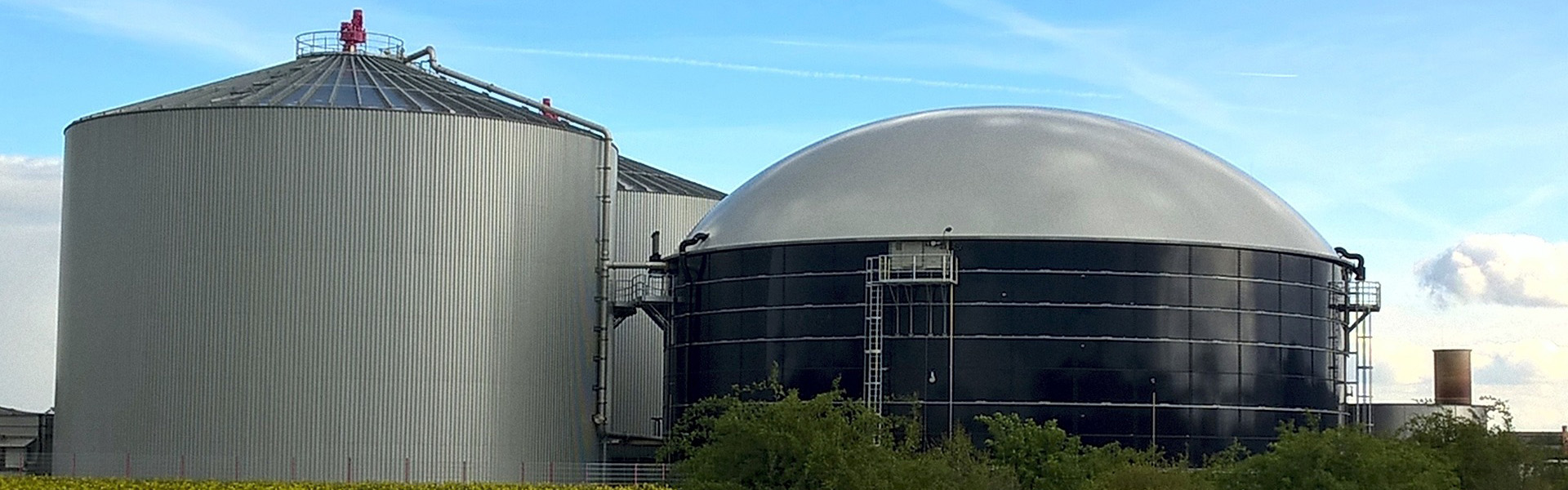
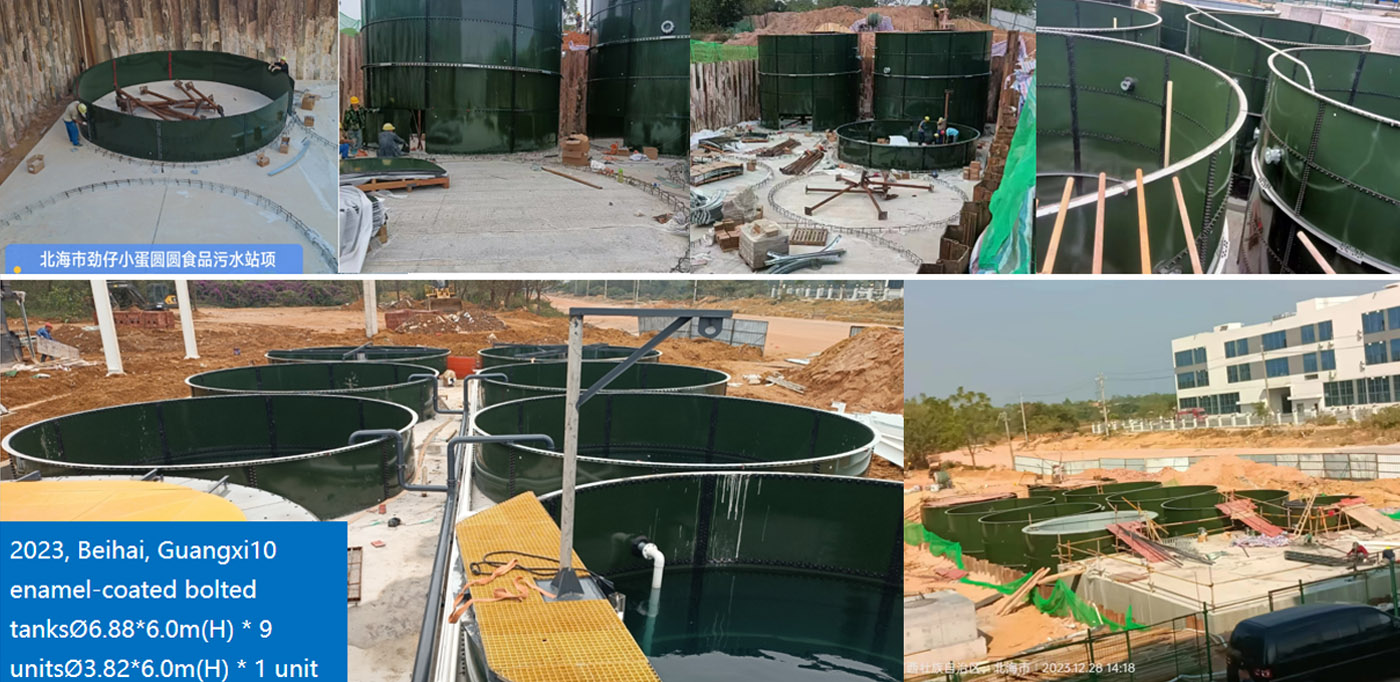
A reliable commercial plant consists of five essential sections. First, the feedstock reception and pre‑treatment unit. Solids are shredded, liquids are screened, and contaminants like plastics or stones are removed. Second, the anaerobic digesters – usually two to four large concrete tanks with heating and mixing systems. Digestion takes 20 to 40 days, depending on temperature (mesophilic or thermophilic).
Third, the gas handling and storage. Raw biogas contains 50‑65% methane, plus CO₂, H₂S, and water vapor. Fourth, the upgrading unit – this is the most critical part for selling gas or injecting into a grid. A membrane separation or water scrubbing system lifts methane content above 96%. Finally, the residue management: digestate is separated into solid fiber (used as bedding or compost) and liquid fertilizer.
For anyone serious about a biogas plant for commercial use, the upgrading step decides profitability. Sending raw biogas to a flare or a low‑efficiency engine wastes potential. Upgraded biomethane sells for a premium, especially where renewable fuel credits exist.
3. Revenue Streams – More Than Just Energy
Commercial operators rarely rely on a single income source. The three main revenue legs are:
Energy sales (electricity, heat, or biomethane injection)
Gate fees from accepting waste (€30–€80 per ton)
Digestate as certified organic fertilizer
Clever plants add a fourth leg: carbon credits. In some jurisdictions, replacing fossil natural gas with biomethane generates tradable certificates. A well‑run biogas plant for commercial use can earn €0.50–€1.20 per Nm³ of upgraded gas, depending on local subsidies and avoided CO₂ prices.
Another emerging revenue stream is liquefied biomethane (LBM) for heavy transport. Ferries, trucks, and trains are switching to bio‑LNG. Installing a small liquefaction unit adds capital cost but opens higher‑value markets. Before choosing a plant design, map all possible off‑takers – a grid injection point might be close, or a truck refueling station may offer a long‑term contract.
biogas plant for commercial use – Key Upgrading Technologies
This is where business owners get confused. Upgrading is not optional – it transforms low‑value raw biogas into pipeline‑grade or vehicle‑fuel biomethane. Four technologies dominate the market today:
Water scrubbing (most common, low operational cost, reliable but uses water and has a large footprint). Pressure swing adsorption (PSA) (compact, low electrical use, but sensitive to moisture). Membrane separation (simple, modular, high methane recovery, now the fastest‑growing option). Chemical scrubbing (amine wash) (best for very high purity, expensive solvent handling).
For most commercial projects, a membrane system offers the best balance. It tolerates varying inlet gas compositions, has no chemical consumables, and can be scaled by adding more membrane banks. Reputable manufacturers like DMT, Greenlane, or Pentair have dozens of references. Before you buy any biogas plant for commercial use, ask for at least three client references with similar feedstock profiles.
4. Feedstock Flexibility – What You Can (and Cannot) Process
The old idea that biogas plants only take manure is dead. Modern commercial systems digest:
Food industry waste (bakery leftovers, dairy whey, fruit/vegetable rejects)
Slaughterhouse waste (fat, paunch manure, blood – requires pasteurization)
Expired supermarket products (after shredding and depackaging)
Agricultural residues (corn silage, grass silage, straw – limited co‑digestion)
Municipal organic fraction (source‑separated from households)
What you cannot process: wood, glass, metals, plastics, pet waste, or chemically treated material. Every feedstock changes the biogas yield. Fat and grease have the highest methane potential (up to 1000 m³/ton), while vegetables give just 80-120 m³/ton. A biogas plant for commercial use that mixes different feedstocks – called co‑digestion – usually performs best both economically and technically.
One caution: don’t accept unpredictable waste streams. Many new plant operators get excited by high gate fees from unusual wastes, only to face inhibition (ammonia or sulfur overload) or excessive wear from contaminants. Start with two or three reliable feedstocks, then expand carefully.
5. Financial Reality Check – CAPEX, OPEX, and Payback
Let’s talk numbers. A turnkey biogas plant for commercial use rated for 1 MW of biomethane output costs between €2.5 and €4.5 million, depending on location, upgrading technology, and automation level. Operational expenses typically run €0.08–€0.12 per Nm³ of gas produced – covering labor, maintenance, electricity for the plant, and consumables.
Revenue assumptions vary wildly. In Germany, a plant selling upgraded gas at €0.09/kWh (≈ €0.90/Nm³) plus gate fees of €50/ton can achieve an IRR above 14%. In a country without subsidies, the math gets harder. You’ll need either very cheap feedstock (negative cost – i.e., you get paid to take it) or a high‑value local gas market.
Many successful plants started with a 10‑year feed‑in tariff contract. If your region lacks such support, consider integrating the plant with an existing industrial facility that has heat demand (e.g., a greenhouse or a drying process). Using the waste heat from a CHP engine can lift overall efficiency from 40% to 85%.
6. Operational Challenges – Real‑World Problems You Must Plan For
No commercial biogas plant runs smoothly every day. Here are the most frequent headaches:
Foam formation in digesters – caused by certain fats or overloading. It clogs gas pipes and reduces capacity. Solution: antifoaming agents and slower feeding.
Hydrogen sulfide corrosion – even after upgrading, some H₂S remains. It eats stainless steel pipes and engine components. Installing a biological desulphurization unit inside the digester (by injecting small amounts of air) is cheap and effective.
Siloxane damage – from cosmetics or industrial residues in landfill gas. Not common in food‑based plants, but killer for engines. Requires activated carbon filters.
Inconsistent feedstock supply – when a major waste supplier goes out of business or changes hauling contracts. Always maintain a buffer storage for at least 3 days of feedstock, and nurture alternative suppliers.
A well‑designed biogas plant for commercial use includes remote monitoring and an on‑call operator. Don’t skip automation. The hourly labor cost for fixing a pH imbalance manually is far higher than a good control system.
7. Permitting and Site Selection – Often Overlooked
Before signing any equipment contract, secure your permits. Biogas plants face stricter rules than many think. You need environmental permits for odor control (digester vents, digestate storage), wastewater discharge, and sometimes noise limits if near homes. The land must be zoned for industrial use – agricultural zoning often forbids commercial waste intake.
Preferred locations include industrial parks next to food processors or near a natural gas pipeline injection point. A site within 15 km of most feedstock sources minimizes trucking costs. Keep in mind that grid injection requires a gas quality monitoring station at the connection point – that can take 12 months of negotiation with the gas utility.
8. Maintenance and Lifespan – What to Expect After 10 Years
The core digesters last 25 years if concrete is properly protected against sulfur attack. The agitators (mixers) need replacement every 5‑7 years. Gas upgrading membranes typically last 5‑10 years depending on gas cleanliness – a costly but predictable expense. Heat exchangers, pumps, and valves require annual servicing.
Set aside about 3% of initial CAPEX per year for major overhauls. A plant that skips preventive maintenance often fails spectacularly around year 8, with digester walls cracking or a CHP engine seizing. The most profitable plants we’ve seen run a regular oil analysis program and replace wear parts on a strict schedule, not “when broken”.
To finish, remember that a biogas plant for commercial use is a long‑term asset. It will outlast most vehicles and many factory buildings if cared for. The first two years are hardest – feedstock learning curve, permitting adjustments, and staff training. After that, it becomes a predictable cash machine, turning last week’s leftover sandwiches into today’s fuel.
Frequently Asked Questions (FAQ)
Q1: Can a biogas plant for commercial use run on
manure?
A1: Technically yes, but economically no.
Manure alone gives low gas yield per ton (only 15-25 m³ of biogas per ton). You
would need enormous volumes and large digesters. Most commercial plants use
manure as a base (for its buffering capacity) and add 30-70% of high‑yield
co‑substrates like food waste or slaughterhouse fat. Pure manure plants are
rarely built except where high gate fees exist for treating manure as a waste
disposal service.
Q2: How much space does a 1 MW plant
need?
A2: The whole facility – including reception
area, digesters, upgrading unit, gas storage, and digestate lagoon – typically
occupies 0.5 to 1.5 hectares. The digesters themselves (two or three tanks of
3,000‑5,000 m³ each) take the most space. Plan for extra maneuvering room for
trucks. A compact membrane upgrading system might need only a 10x10m footprint,
while water scrubbing requires two tall columns and sedimentation basins.
Q3: What happens when the grid rejects my biomethane due to
quality?
A3: This is rare if your upgrading system
is properly maintained. But gas utilities do daily checks on methane number,
Wobbe index, and sulfur content. If you fail, the plant automatically sends gas
to a flare or a backup CHP engine. The financial penalty can be severe if you’ve
signed a take‑or‑pay injection contract. Install an online gas analyzer that
triggers an alarm before quality drifts out of spec. Many operators keep a small
PSA unit as a polishing step for such cases.
Q4: Are there mobile biogas upgrading units for seasonal
use?
A4: Yes, containerized membrane systems exist,
typically sized 100‑500 Nm³/h. They are often rented by landfill gas projects or
temporary agricultural campaigns. However, for a permanent biogas plant
for commercial use, fixed installation is cheaper and more reliable.
Mobile units cost about 30% more per cubic meter of capacity and require skilled
technicians for each move. They make sense only if you plan to relocate the
plant after 2‑3 years, which is rarely the case.
Q5: Can I sell biomethane directly to a vehicle fuel station without
grid injection?
A5: Absolutely – and it’s becoming
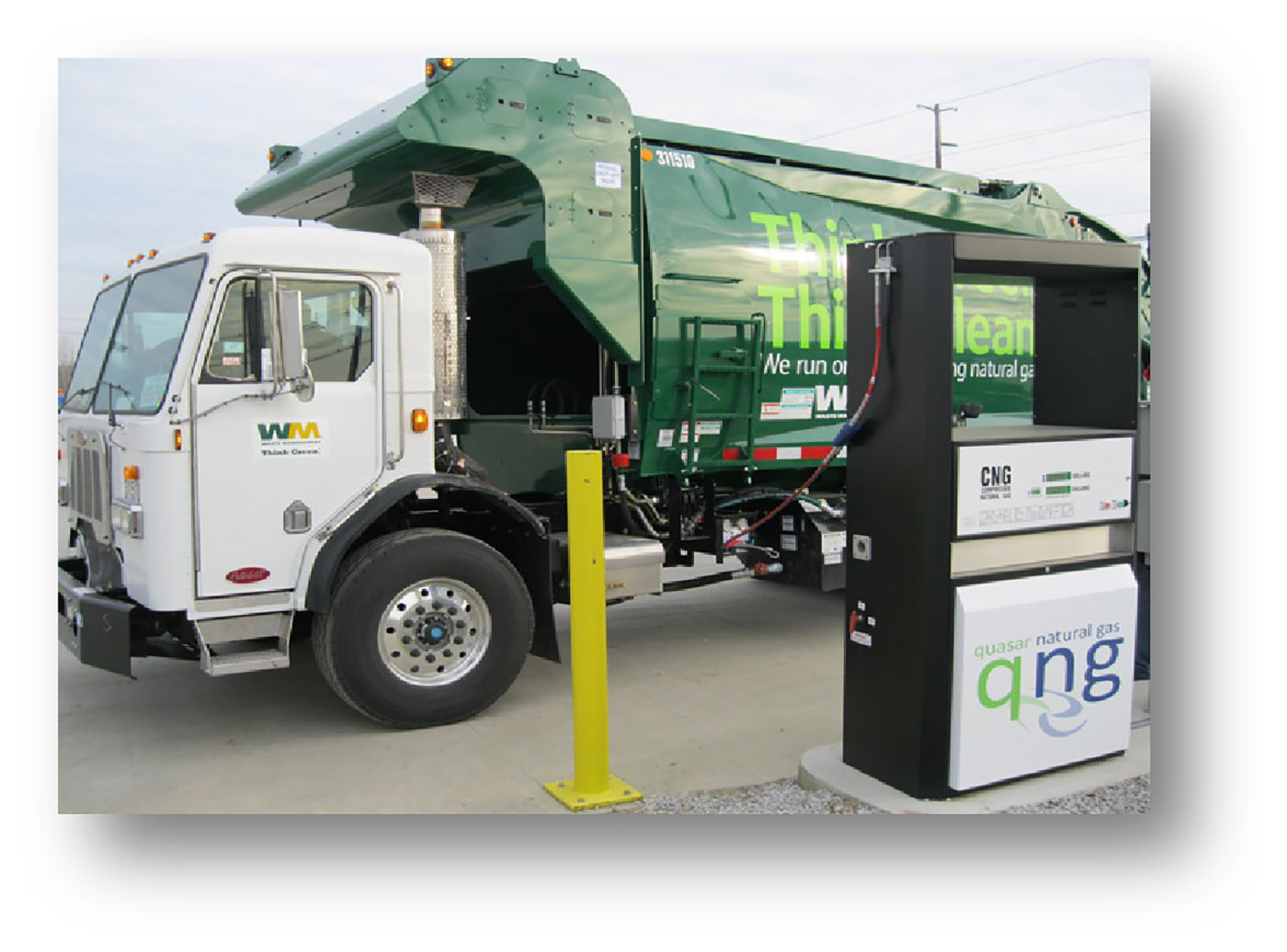
more common. The station needs a compressor (200‑300 bar) and a dispenser. You
skip the grid connection fee but take on the responsibility of gas drying and
odorization (for safety). The profit margin is often higher because CNG or LNG
for trucks sells at a premium over pipeline gas. However, you must manage truck
logistics and ensure you hit the strict vehicle fuel standard (EN 16723).
Several cheese factories and bakeries have installed this model
successfully.
Q6: What is the single biggest mistake first‑time buyers
make?
A6: Underestimating feedstock pre‑treatment.
They spend €2M on a perfect digester and upgrading unit but only €50k on a
shredder and contaminant removal. Unshredded bones wrap around agitators,
plastics block heat exchangers, and sand settles at the bottom of the digester.
The result: the plant runs at 40% capacity. Always allocate at least 15% of your
CAPEX to reception and pre‑treatment. Better yet, run a two‑week trial with your
actual feedstock at a test facility before signing any contract.