


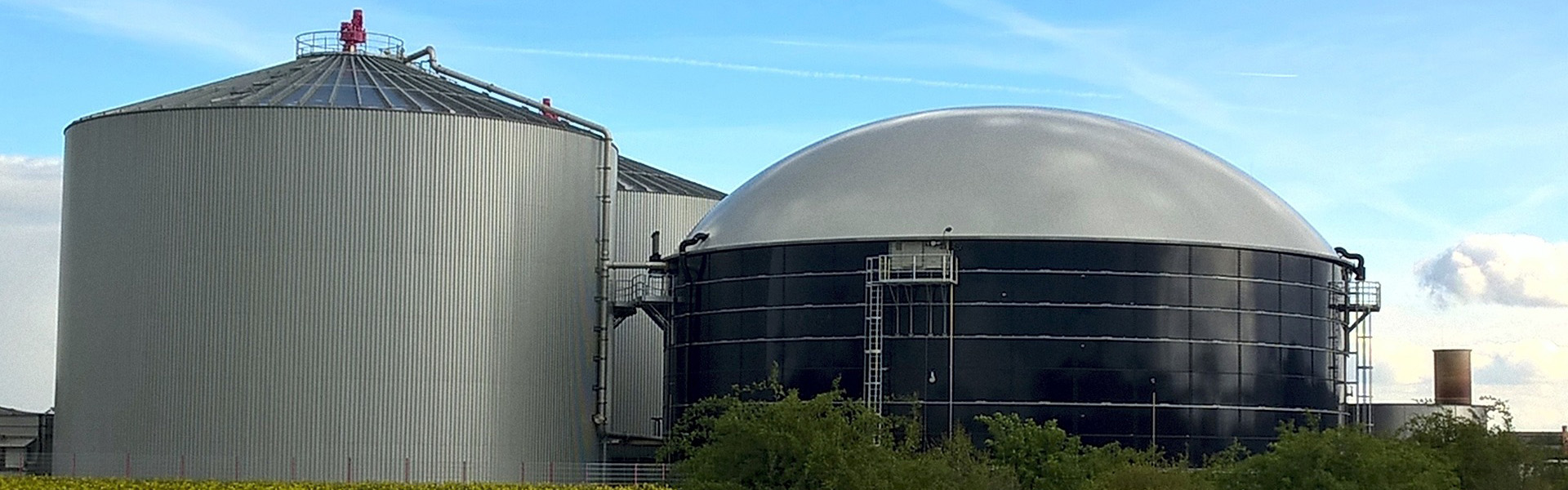
For years, biogas producers focused only on methane. They flared or vented the CO2 after upgrading. That’s changing fast. Today, biogas carbon capture has become a serious revenue stream. Instead of releasing CO2 into the air, you can liquefy it, sell it, or use it to improve your carbon intensity score. Equipment manufacturers like OPM (biogasupgradingplants.com) now offer integrated systems that do more than just upgrade methane — they capture and liquefy CO2 directly from the biogas stream. A well-designed biogas carbon capture setup pays back in less than three years in many markets, especially where low-carbon fuel credits are high.
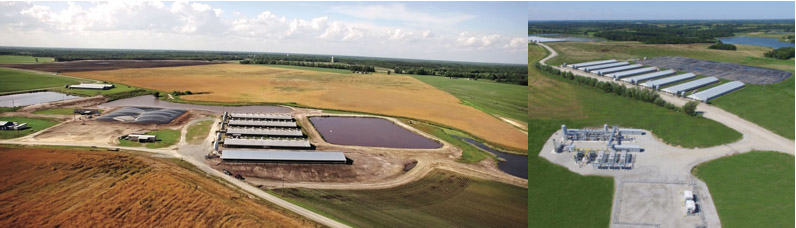
Why Every Biogas Operator Should Look at Biogas Carbon Capture Now
Raw biogas typically contains 35-45% CO2. Traditional upgrading removes this CO2 and vents it. That’s a lost opportunity. Biogas carbon capture recovers that CO2, turning a waste product into a saleable commodity. In food and beverage industries, liquid CO2 sells for $80–$150 per ton. For a medium-sized plant processing 400 Nm³/h of raw biogas, that can mean $200,000 to $400,000 extra per year. Plus, capturing CO2 lowers your greenhouse gas footprint, which improves eligibility for carbon credits. More than 150 projects worldwide have now added biogas carbon capture as an add-on to their membrane upgrading systems, and the trend is accelerating.
Membrane Technology: The Gateway to Cost-Effective Biogas Carbon Capture
Not all upgrading methods work well for carbon capture. Water scrubbing and PSA release CO2 at atmospheric pressure, making liquefaction expensive. Membrane technology is different. OPM’s three-stage membrane separators produce a high-purity CO2 stream at elevated pressure — typically 6–8 bar. That pressure is already suitable for liquefaction with minimal recompression. When you design a biogas carbon capture system around membranes, the energy penalty is much lower. The CO2 side stream contains less than 2% methane slip, so you also keep more product gas. This is why leading manufacturers combine membrane upgrading with CO2 liquefaction as a standard package.
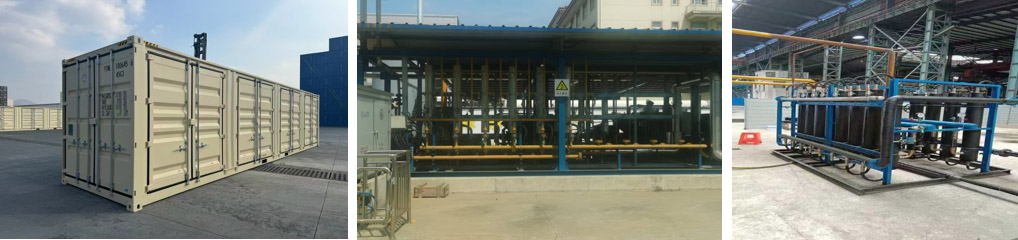
In practice, a biogas carbon capture membrane skid fits inside a 40ft container. It handles H2S removal, biogas upgrading, and CO2 separation in one continuous process. The result: pipeline-grade methane (97%+) and a CO2 stream ready for liquefaction. No extra blowers, no chemical solvents. Simple, reliable, and proven over thousands of operating hours.
CO2 Liquefaction: The Second Half of Your Biogas Carbon Capture System
Capturing CO2 is only half the job. To sell it or transport it, you need liquid CO2. The liquefaction process compresses and cools the captured CO2 to about -20°C at 15-20 bar. OPM’s add-on biogas carbon capture liquefaction unit uses a closed-loop refrigeration system powered by electricity from the CHP engine or the grid. The energy consumption is roughly 0.35–0.45 kWh per kg of liquid CO2. That energy cost is easily covered by the sale price of liquid CO2. Many plant operators install the liquefaction skid a few months after the membrane system, using initial cash flow to fund the expansion.
A real example: a landfill gas plant in Southeast Asia added biogas carbon capture and liquefaction to their existing membrane system. They now produce 4.5 tons per day of liquid CO2, sold to nearby soft drink bottlers. The additional revenue cut the total project payback from 4 years to 2.2 years. The same principle applies to agricultural biogas plants. Dairy farms, in particular, can generate both renewable natural gas (RNG) and food-grade CO2, diversifying income.
How Steam Explosion Pretreatment Boosts Biogas Carbon Capture Yields
You might think steam explosion has nothing to do with carbon capture. But it does. A biogas carbon capture system benefits from higher biogas production per ton of feedstock. If your digester produces more biogas, you capture more CO2. Steam explosion pretreatment (like OPM’s reactor) shortens fermentation time from 60 days to just 3–7 days and increases biogas yield by up to 11% for straw-based feedstocks. That means your biogas carbon capture unit has more CO2 to process. The capital cost of the capture system is fixed, so higher throughput directly improves ROI.
Also, steam explosion removes inhibitors and creates a homogeneous slurry. This stabilizes the digestion process, which in turn produces a more consistent biogas composition. Steady CO2 concentration makes the membrane separation and liquefaction easier to optimize. Operators report fewer shutdowns and less fouling in the CO2 train when they pretreat lignocellulosic materials. So if you’re planning biogas carbon capture, look at your front-end pretreatment first — it multiplies the benefits.
Carbon Intensity Scores and Low-Carbon Fuel Credits: The Hidden Value of Biogas Carbon Capture
Markets like California’s Low Carbon Fuel Standard (LCFS) and similar programs in Europe assign carbon intensity (CI) scores to biogas projects. Every kilogram of CO2 you capture and store or use reduces your CI score. A lower CI score generates more credits per million BTUs of RNG. Adding biogas carbon capture can drop your CI score by 15–25 points. That can double your credit revenue in some cases. One US dairy operator saw LCFS credits increase from $8 to $17 per MMBTU after installing a membrane-based biogas carbon capture and liquefaction system.
Even if you don’t sell the liquid CO2, the CI improvement alone can justify the investment. OPM’s integrated approach — membrane upgrading plus CO2 liquefaction — is particularly attractive because you get a single, auditable process. The captured CO2 is measured at the outlet, and the carbon reduction is verifiable. For projects seeking carbon offset registries (Verra, Gold Standard), this documentation is essential.
Case Study: 500 Nm³/h Biogas Plant Adds Carbon Capture and Liquefaction
A European biogas plant processing corn silage and chicken manure had an old water scrubber. They vented 180 kg/h of CO2. Switching to OPM’s three-stage membrane system plus a CO2 liquefaction skid changed their numbers. The new biogas carbon capture setup recovers 85% of the incoming CO2 as liquid product (purity 99.9%). That’s 3,672 kg per day of liquid CO2. At €120/ton, daily revenue from CO2 alone is €440, or €160,000 per year. Methane losses dropped from 4% to 1.2%, adding another €45,000 yearly from extra gas sales. The total biogas carbon capture investment (including membrane replacement) was €780,000. Payback: 3.8 years, without counting LCFS-like credits. With credits, payback fell to 2.5 years.
This case shows that retrofitting an existing plant with biogas carbon capture works. You don’t need a greenfield project. OPM’s containerized design allows installation in two weeks, with minimal downtime. The operator now plans a second CO2 storage tank to sell to a nearby greenhouse for plant fertilization — another revenue stream.
Common Mistakes When Planning Biogas Carbon Capture Projects
First mistake: ignoring methane slip. If your capture system vents CO2 that contains 2-3% methane, you lose product and harm the environment. Membranes inherently produce low slip (<1%). Second mistake: undersizing the compression stage. Liquefaction needs dry, clean CO2. Install a proper drying bed before compression. Third: not matching the capture capacity to the digester’s seasonal variation. Biogas carbon capture works best when the biogas flow is steady. Steam explosion pretreatment helps here because it stabilizes degradation rates. Fourth: forgetting about local CO2 markets. Talk to potential buyers (beverage companies, cold storage, dry ice producers) before you finalize capacity. Most biogas carbon capture successes come from pre-sold CO2.
Finally, choose equipment that integrates easily. A patchwork of different brands for upgrading, compression, and liquefaction creates interface problems. OPM’s single-supplier model covers the whole biogas carbon capture chain — from raw gas inlet to liquid CO2 storage. That simplifies maintenance and troubleshooting.
Conclusion: Biogas Carbon Capture Is No Longer Optional for Competitive Plants
If you operate a biogas upgrading facility, venting CO2 is leaving money on the table. Biogas carbon capture has evolved from a niche idea to a standard add-on for membrane-based systems. With CO2 prices holding strong and carbon credit markets expanding, the economics make sense for plants above 200 Nm³/h raw biogas. OPM’s membrane separators and CO2 liquefaction units are proven in over 150 turnkey projects, delivering paybacks from 2 to 4 years. Whether you’re building a new plant or retrofitting an old scrubber, now is the time to evaluate biogas carbon capture. Visit the official website to request a free feasibility analysis based on your gas composition and local energy prices. Don’t vent profit — capture it.
Frequently Asked Questions About Biogas Carbon Capture
Q1: What is the typical CO2 purity achieved from biogas carbon capture using membrane technology?
A1: With a three-stage membrane system like OPM’s, the captured CO2 stream typically reaches 95–99% purity. The main impurity is residual methane (less than 1.5%) and trace water vapor. After a dehydration step and simple distillation in the liquefaction skid, final liquid CO2 purity exceeds 99.9% – suitable for food-grade applications. So a well-designed biogas carbon capture system directly produces marketable CO2 without expensive additional refining.
Q2: How much does a biogas carbon capture system cost for a 300 Nm³/h biogas plant?
A2: Costs vary by location and required purity, but a typical membrane-based biogas carbon capture system (including upgrading and CO2 liquefaction) ranges from $500,000 to $800,000 for that size. The breakdown: membrane skid (~$250k), compression and drying (~$150k), liquefaction unit (~$250k), and storage tank (~$150k). Many suppliers offer modular packages. OPM’s containerized solutions reduce installation costs by 20-30% compared to field-built systems. Expect total installed cost around $650k–$950k depending on automation level and local labor rates.
Q3: Does biogas carbon capture reduce the methane output of my plant?
A3: No – if properly designed, it actually increases overall value. The methane stream after membrane separation retains at least 98% of the original methane. The captured CO2 stream contains only 0.5–1.5% methane, which is either recycled to the engine or flared. So your saleable RNG volume stays nearly the same, but you gain an additional revenue stream from CO2. In fact, some biogas carbon capture configurations recover more methane because membrane selectivity improves when you actively manage the permeate side. The net effect is positive.
Q4: Can I add biogas carbon capture to an existing water scrubbing or PSA upgrading plant?
A4: Yes, but it’s less efficient. Water scrubbers and PSA release CO2 at near-atmospheric pressure and often with high moisture. You would need an additional compressor and drier before liquefaction, increasing energy use by 30-40%. Many operators choose to replace their old scrubber with a membrane system at the same time as adding biogas carbon capture. The combined investment often pays back faster due to lower methane slip and higher CO2 recovery. OPM offers a trade-in program for old scrubbers, turning the upgrade into a single project.
Q5: What is the typical payback period for a biogas carbon capture project in Europe or North America?
A5: In Europe, where liquid CO2 sells for €100–€150/ton and electricity costs are moderate, payback ranges from 3 to 4.5 years. In North America (especially California), low-carbon fuel credits plus CO2 sales can shorten payback to 2–3 years. For example, a dairy biogas project with biogas carbon capture receiving LCFS credits for both avoided methane emissions and CO2 capture achieved payback in 22 months. Without credits, the same plant would take 4 years. So the ROI heavily depends on local carbon pricing. Always run a site-specific model; OPM provides free preliminary estimates.
For detailed engineering support or a complete proposal on biogas carbon capture for your specific biogas composition, contact the OPM team. They have delivered membrane-based capture systems across five continents, with references available upon request.