


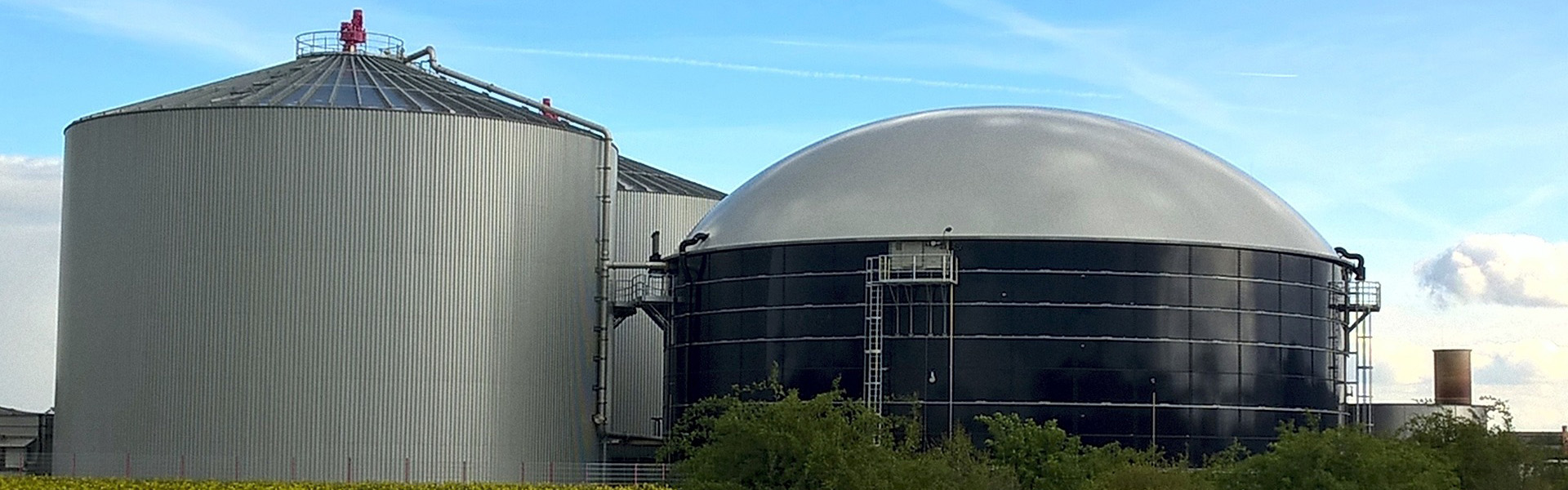
For farm operators, food processors, and wastewater treatment managers, a biogas chp plant represents one of the most direct routes to lower energy bills and reduce carbon footprint. Unlike conventional power generation, a combined heat and power unit captures both electricity and thermal energy from biogas, often reaching total efficiencies above 85%. But raw biogas alone isn’t enough — the real performance comes when you integrate a well-designed biogas chp plant with efficient upgrading and pretreatment systems. Over the past decade, equipment manufacturers like OPM (biogasupgradingplants.com) have shifted the industry by offering membrane separation, steam explosion reactors, and compact containerized units that make CHP projects more profitable than ever.
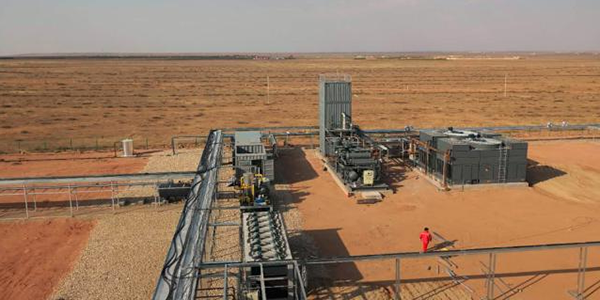
Why Your biogas chp plant Deserves More Than Just an Engine
Many project developers buy a CHP engine without looking upstream. That’s a mistake. A biogas chp plant runs on methane, not on raw digester gas. If your hydrogen sulfide level is high or methane concentration drops below 50%, the engine derates, oil gets contaminated, and maintenance costs double. This is why leading suppliers such as OPM focus on the whole chain: from straw pretreatment to membrane upgrading.
When you plan a biogas chp plant, you should start by analyzing the feedstock. Corn silage, food waste, manure, or agricultural residues each need different handling. For example, wheat straw with 30% moisture used to be difficult to ferment; traditional plants required 60 days to degrade it. With OPM’s steam explosion reactor, that same material becomes a slurry that ferments completely in just 3 days. That change directly feeds your biogas chp plant with more consistent biogas, reducing the number of digesters needed and lowering capital investment by up to 90%.
Membrane Biogas Upgrading: The Heart of a High-Performance Biogas CHP Plant
Before biogas enters a biogas chp plant, it must be upgraded. Membrane technology has become the industry standard because it delivers methane purity above 98% with very little methane slip. OPM builds three-stage membrane separators that can fit into a 40ft container, making them mobile and easy to deploy. After the membrane unit, CO2 content drops to less than 2%, and H2S is removed in the same skid. That means your biogas chp plant receives clean, high-calorific fuel, so the engine runs smoothly and the lubricating oil lasts longer.
Compared to PSA systems, membranes offer a smaller footprint and lower parasitic energy use. For a typical biogas chp plant processing 250 Nm³/h of raw biogas, the membrane upgrade adds about 4-6% more methane recovery compared to water scrubbing. Over a 10-year lifespan, those gains translate into thousands of extra operating hours. Many European and North American biogas plants now retrofit their old CHP units with membrane skids precisely because the payback period is less than 18 months.
Steam Explosion Pretreatment: How It Cuts Digester Size and Boosts Biogas CHP Plant Feedstock Yield
One of the most overlooked factors affecting a biogas chp plant is the feedstock’s biodegradability. Lignocellulosic materials like straw, rice husks, or corn stover are notoriously slow to break down. Without pretreatment, your digesters become oversized and your biogas chp plant may run at part load. Steam explosion changes this equation. The reactor uses high-pressure steam to rupture lignin structures, turning solid fibers into a slurry that is completely miscible with water.
OPM’s steam explosion reactor operates below 50°C after discharge, so you can feed it directly into the fermenter without cooling. The anaerobic fermentation time drops from 60 days to just 3–7 days, which means you can reduce your digester volume by 90%. For a project that includes a biogas chp plant, this dramatically lowers civil construction costs. You also eliminate bridging and floating layers, common problems that cause downtime in conventional plants. More uptime means your biogas chp plant produces more electricity and heat year after year.
CO2 Liquefaction Add‑On: Turning Waste Carbon into Revenue for Your Biogas CHP Plant
A modern biogas chp plant doesn’t just sell electricity; it can also generate income from CO2 capture. After upgrading, the separated CO2 stream is often vented, but OPM offers a liquefaction technology that turns it into food-grade or industrial liquid CO2. This improves your carbon intensity (CI) score, which is critical for low-carbon fuel markets (e.g., California LCFS). The better your CI score, the more credits you generate per MWh from your biogas chp plant.
Even if you don’t sell the CO2, liquefaction reduces greenhouse gas emissions from the plant. Some project developers combine a biogas chp plant with a CO2 recovery unit and use the cold energy from liquid CO2 evaporation for refrigeration or cooling processes. This creates a circular system where every output has value — electricity, heat, and captured carbon. OPM has already integrated this concept into several turnkey projects in Southeast Asia and Europe, proving that a biogas chp plant can be both profitable and carbon-negative.
Real-World Numbers: What a Biogas CHP Plant Can Achieve with OPM Equipment
Let’s look at a case from a rice-growing region. A cooperative processed 50 tons per day of paddy straw. Before upgrading, their biogas chp plant produced only 1.2 MW of electrical power, and the engine required an oil change every 600 hours due to high H2S. After installing OPM’s straw-oriented pellet mill (which reduces particle size from 30–50mm to 2–3mm) plus a membrane upgrading unit, methane yield rose by 11% and H2S dropped below 50 ppm. The same biogas chp plant now delivers 1.5 MW electrical output, and oil changes are needed every 1,800 hours. Maintenance savings alone exceed $45,000 per year.
Another example: a landfill operator used a biogas chp plant with raw gas and suffered from severe engine corrosion. They switched to OPM’s combined membrane + PSA technology for landfill gas, which removes siloxanes and VOCs more effectively. The biogas chp plant now runs 7,800 hours annually with only scheduled downtime. The investment in upgrading was recovered in 14 months. These real cases show that technology choices before the CHP engine directly determine your bottom line.
Key Design Factors When Sizing a Biogas CHP Plant
Engineers often ask: “What capacity should my biogas chp plant be?” The answer depends on the continuous biogas production rate after upgrading. A common rule is to size the CHP engine to 80-85% of the peak biogas flow to allow for maintenance and seasonal variations. For example, if your upgraded biogas flow is 200 Nm³/h (55% methane), you’ll generate around 400 kW electrical. But if you use OPM’s membrane system raising methane to 98%, the same volume delivers nearly 700 kW. That’s why a biogas chp plant paired with efficient upgrading can produce 40-60% more power without increasing digester size.
Also consider thermal load. The beauty of a biogas chp plant is that waste heat can heat the digesters, dry feedstock, or warm buildings. In cold climates, you can use the jacket water heat to maintain mesophilic digestion (37-42°C). This reduces or eliminates the need for external boilers. OPM’s turnkey solutions include heat exchanger packages specifically matched to the CHP engine, so you recover every possible BTU.
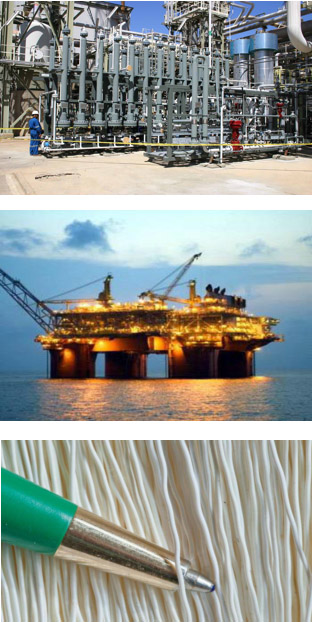
Why Gearbox and Longevity Matter for Your Biogas CHP Plant’s Ancillary Equipment
While the engine gets the spotlight, a biogas chp plant relies on many rotating machines: pellet mills for feedstock size reduction, conveyors, and pumps. OPM leverages its gearbox manufacturing heritage (the group is part of a Chinese state-owned enterprise with over 50 years of gearbox production). Their pellet mills use helical gearboxes with accuracy below 0.8μm — similar to wind turbine standards. That means less downtime and lower bearing costs. When your biogas chp plant processes abrasive materials like straw, a robust gearbox can be the difference between 5,000 and 15,000 operating hours before major service.
OPM offers an industry-leading warranty on gearboxes for pellet mills, and the external cooling tower allows 24/7 operation. This matters for your biogas chp plant because any interruption in feedstock preparation directly lowers gas yield. A reliable upstream process ensures your biogas chp plant never starves for fuel. With over 150 turnkey projects worldwide, OPM has proven that heavy-duty equipment pays for itself within two years through reduced maintenance and higher availability.
Conclusion: Building a Future-Ready Biogas CHP Plant
When you invest in a biogas chp plant, you are not just buying an engine — you are building an energy center that can process waste, generate revenue from power and heat, and even sell carbon credits or liquid CO2. The key is to choose the right partners who understand the entire value chain: from steam explosion pretreatment to membrane upgrading and finally to CHP integration. OPM has delivered containerized upgrading systems, robust pellet mills, and high-efficiency separation that directly boost the performance of any biogas chp plant. Start by auditing your feedstock and current biogas quality; then design a plant that captures every molecule of value. With the right technology, your biogas chp plant will run harder, last longer, and deliver returns that keep growing for decades.
Frequently Asked Questions About Biogas CHP Plants
Q1: What is the typical electrical efficiency of a biogas CHP plant?
A1: Most modern biogas chp plant engines achieve electrical efficiencies between 40% and 45%. When you add heat recovery (combined heat and power), total system efficiency climbs to 85–90%. However, the actual efficiency you get depends heavily on biogas purity. If you upgrade raw biogas using membrane technology (such as OPM’s systems), methane content rises from 50-55% to 95%+, which can increase electrical output by 30% or more for the same engine displacement.
Q2: How often does a biogas CHP plant need maintenance?
A2: Maintenance intervals vary by engine make and gas cleanliness. For a well-operated biogas chp plant with H2S below 200 ppm and siloxanes removed, oil changes are recommended every 1,500-2,000 operating hours. Major overhauls (piston rings, bearings, spark plugs) usually occur after 20,000-30,000 hours. If you integrate OPM’s membrane upgrading that reduces H2S to near zero, you can extend oil life by 30% and reduce valve wear significantly. Always monitor gas quality upstream — it directly protects your CHP investment.
Q3: Can a biogas CHP plant run on upgraded biogas from agricultural waste like straw?
A3: Yes, absolutely. However, straw and other lignocellulosic feedstocks require pretreatment. OPM’s steam explosion reactor shortens fermentation time from 60 days to 3 days and creates a uniform slurry. This produces stable biogas composition, which is ideal for a biogas chp plant. In fact, many European plants now use straw-based biogas because it doesn’t compete with food crops. With membrane upgrading removing CO2, the final methane concentration exceeds 97%, making the gas suitable for any standard CHP engine or even grid injection.
Q4: What is the payback period for adding CO2 liquefaction to my biogas CHP plant?
A4: The payback period typically ranges from 2.5 to 4 years, depending on local CO2 prices and electricity costs. For a biogas chp plant processing 500 Nm³/h of raw biogas, a CO2 liquefaction unit can produce 200-250 kg/h of liquid CO2. If sold at industrial rates ($80-$150 per ton), that adds $140,000-$260,000 annual revenue. Plus, lower carbon intensity scores increase LCFS credits where applicable. OPM offers this as an add-on to their membrane systems, making it feasible for mid-sized projects.
Q5: Do I need a building permit for a containerized biogas CHP plant?
A5: Containerized solutions like OPM’s 40ft membrane upgrading unit are considered mobile equipment in many jurisdictions, which can simplify permitting. However, the biogas chp plant engine itself typically requires local environmental permits for emissions (NOx, CO). Many suppliers offer pre-certified engines (e.g., EU Stage V or US EPA) to streamline approval. Always consult local authorities, but containerized designs reduce civil works and can be placed on existing concrete pads, speeding up project deployment by months compared to stick-built plants.
For more technical details, performance data, or a custom quote for your biogas chp plant project, visit the official OPM website. Their engineering team provides free feedstock analysis and ROI simulations based on real-world operating data from over 150 installed systems worldwide.