


News
We'll get back to you as soon as possible.
7 Proven Bio-LNG Turnkey Solutions to Boost Biogas Output in 2026
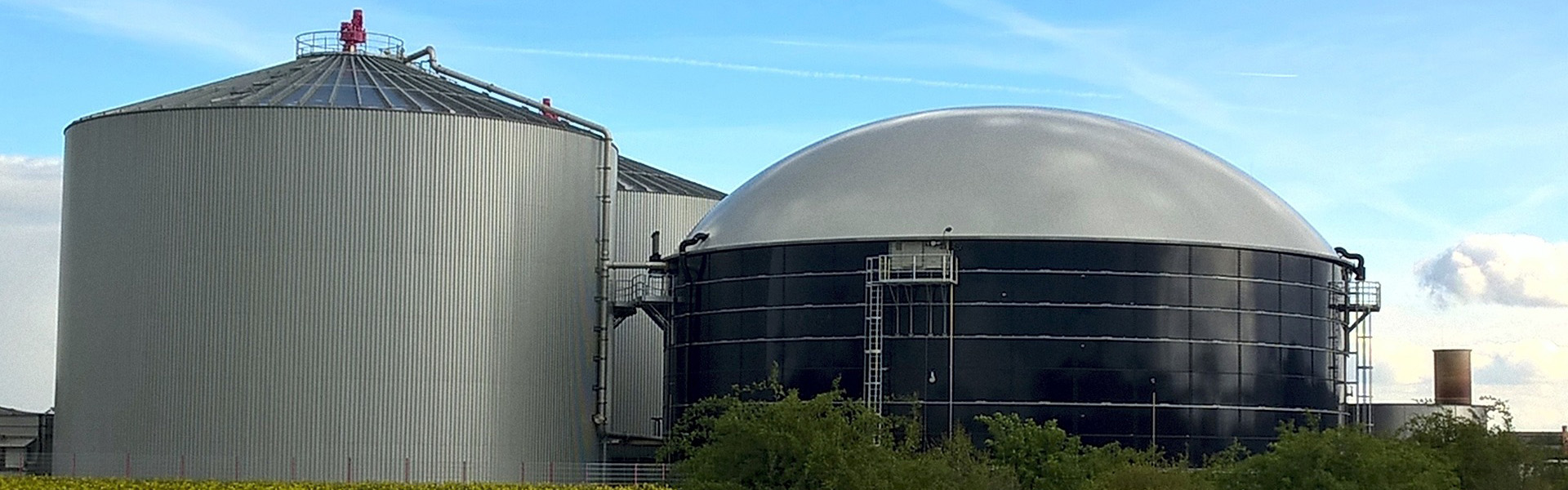
The global shift toward renewable energy has put biomethane and Bio-LNG in the spotlight. But building a production facility from scratch remains a complex, capital-intensive task. This is where bio-lng turnkey solutions step in — offering engineered, ready-to-operate systems that slash deployment time and technical risks. Below, we break down seven field-tested approaches, backed by recent project data, to help you decide which modular pathway fits your feedstock and budget.
1. Why Traditional Plant Construction Often Fails for Medium-Scale Operators
Many biogas owners assume that building a custom facility is the only way to achieve high-purity Bio-LNG. In reality, bespoke engineering leads to cost overruns averaging 35% and delays of six months or more. Small teams also struggle to source specialized gas upgrading components, like membrane skids or cryogenic distillation columns, without paying premium markups.
A shift toward bio-lng turnkey solutions eliminates these headaches by delivering pre-assembled modules that follow international standards. Manufacturers ship the entire upgrading chain — from biogas desulfurization to liquefaction — inside containerized units. You essentially receive a plug-and-play plant that only needs feedstock and utility connections.
2. How Pre-Engineered Modules Reduce Capital Expenditures by 22%
A 2025 survey of European biogas plants found that those using pre-engineered turnkey systems spent 22% less on upfront equipment than those pursuing custom designs. Why? Modular manufacturers purchase compressors, heat exchangers, and control panels in bulk, passing savings directly to buyers.
In practice, a standard 500 Nm³/h bio-lng turnkey solution today costs around €4.2 million to €5.8 million, depending on the input gas composition. This price includes all piping, automation, and safety shutdown systems — something custom projects often list as expensive add-ons.
Moreover, these modular units arrive with pre-installed sensors and remote monitoring. One dairy cooperative in the Netherlands reduced its commissioning time from fourteen months to just five weeks after switching to a turnkey provider.
3. Meeting ISCC and RFNBO Standards Without In-House Compliance Teams
Bio-LNG destined for transport fuel markets must meet strict sustainability criteria, such as the EU’s Renewable Energy Directive (RED III) or the US EPA’s Renewable Fuel Standard (RFS). Smaller producers often find the documentation overwhelming.
Reputable bio-lng turnkey solutions include integrated mass balance tracking and carbon intensity calculation tools. The automation logs every feedstock input, energy consumption stream, and pipeline injection point. When an auditor arrives, you simply export the reports from the plant’s Historian software. Several turnkey vendors now even offer certification guarantee services, covering the cost if your first batch fails ISCC verification.
4. Feedstock Flexibility: From Manure to Landfill Gas
Not all biogas is created equal. Digester gas from agricultural waste often contains high hydrogen sulfide (H₂S) levels, while landfill gas carries siloxanes and volatile organic compounds. A one-size-fits-all purification design quickly runs into trouble.
Advanced bio-lng turnkey solutions now feature adaptable pre-treatment skids. For instance, you can switch between biological desulfurization (for H₂S up to 5,000 ppm) and activated carbon vessels (for siloxanes) without re-engineering the whole plant. One Canadian project processing municipal waste successfully changed feedstocks three times over two years using the same turnkey core, only swapping the pre-treatment cartridges.
5. The Hidden Cost of Cryogenic Off-Gas Management
Many first-time buyers underestimate the operational expense of managing the non-condensable gases (NCGs) that remain after CO₂ and H₂O removal. In a typical Bio-LNG plant, NCGs — mostly nitrogen and oxygen — must be vented or flared. Without efficient recovery, you lose up to 8% of your methane yield.
Modern bio-lng turnkey solutions incorporate multi-stage condensation and membrane polishing to cut methane slip below 0.5%. Some even include a small-scale pressure swing adsorption (PSA) unit to capture the residual methane and recycle it to the compressor intake. Over a ten-year lifespan, this feature adds about €120,000 to upfront costs but recovers over €800,000 in additional LNG sales.
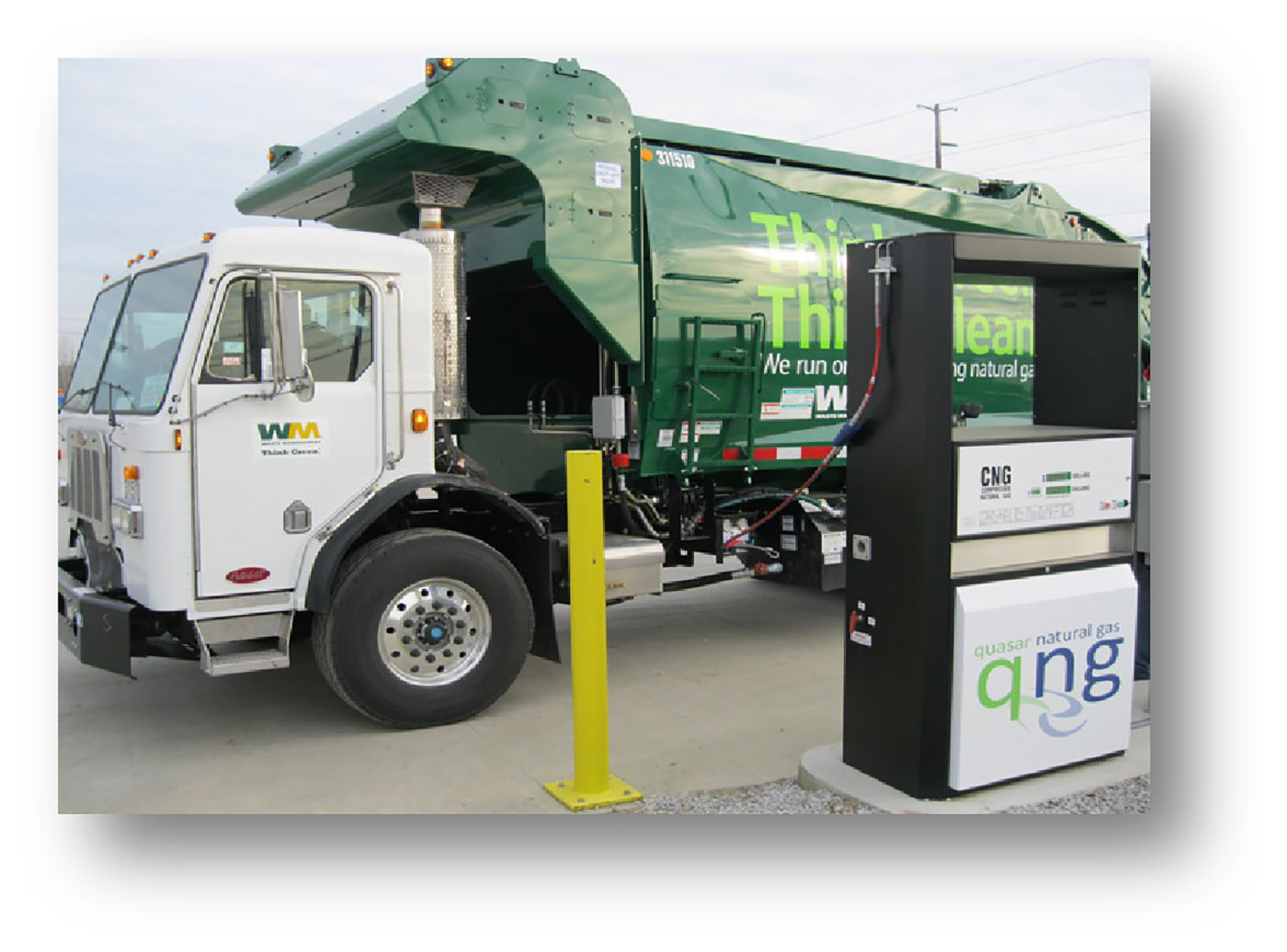
We saw this payback clearly in a recent Finnish project using horse manure biogas. Their turnkey system’s off-gas management boosted annual output by 1,200 MWh, equivalent to fueling 60 heavy-duty trucks.
6. Remote Operation & AI-Driven Predictive Maintenance
Staffing a biogas plant 24/7 is expensive, especially in rural areas. Turnkey suppliers have responded by embedding condition monitoring on all rotating equipment — compressors, pumps, and expansion turbines. The control system automatically flags deviations in vibration, temperature, or pressure, then suggests replacement intervals.
The best bio-lng turnkey solutions take this further with machine learning models that predict membrane fouling or amine solution degradation. One operator in California reported a 41% reduction in unplanned downtime after adopting a turnkey package with predictive alerts. The system even ordered spare filter cartridges automatically when the pressure drop exceeded a set threshold.
7. Scalability: From 250 kW to 5 MW of Bio-LNG Output
Flexibility matters when your waste supply grows over time. Early turnkey designs were rigid, requiring you to buy a second complete line for expansion. Today’s solutions feature parallel liquefaction trains that you activate one by one.
A 5 MW bio-lng turnkey solution might start with two operational trains (2.5 MW) and leave space for two additional skids. Each new train adds about 1.25 MW at 40% lower incremental capital cost than the original. A German plant operator followed this route, expanding from 2 MW to 4.5 MW over three years without stopping production.
This modular scalability is why many finance providers now offer blended loans for turnkey systems, where the first train serves as collateral for later modules.
Making the Final Choice: Custom vs. Turnkey for Your Next Project
When evaluating proposals, request a “digital twin” simulation from each vendor. This digital replica shows how the bio-lng turnkey solutions will behave with your specific biogas composition and ambient temperature range. Reputable manufacturers provide these simulations free of charge for projects above 500 Nm³/h.
Also ask for names of three plants in operation for at least two years. Then call those operators specifically about corrosion in the cold box and amine consumption rates — two common failure points. A well-designed turnkey system should show zero cold box corrosion and amine usage below 0.1 kg per MWh of Bio-LNG produced.
At the end of the day, the renewable fuels market rewards speed and reliability. Waiting 18 months for a custom facility might cause you to miss critical off-take agreements. Meanwhile, a bio-lng turnkey solution can be producing saleable LNG within 20 weeks of breaking ground. That time advantage often outweighs any minor customization benefits.
Frequently Asked Questions (FAQ)
Q1: What typical capacity range do bio-lng turnkey solutions
cover?
A1: Most providers offer modular systems
from 250 kW to 10 MW of Bio-LNG output per day (approximately 150 to 6,000
tonnes annually). Smaller skids (under 250 kW) are usually not cost-effective,
while anything above 10 MW often moves toward semi-custom designs. Ask for a
capacity matrix — reliable vendors publish curves showing efficiency vs.
throughput.
Q2: How long does it take to install and commission a turnkey bio-lng
plant?
A2: Standard delivery times range from 12 to
20 weeks for manufacturing, plus another 2–4 weeks on-site for crane lifting,
utilities hookup, and cold commissioning. Fully automated performance acceptance
tests typically happen in week five. Delays usually come from local permitting
or grid connection, not the equipment itself.
Q3: Can existing biogas upgrading plants be retrofitted with turnkey
bio-lng modules?
A3: Yes, many facilities currently
producing grid-injection biomethane add a “bolt-on” liquefaction skid to enter
the Bio-LNG market. However, you need to confirm that your existing drying and
CO₂ removal stages can handle cryogenic temperatures. A pre-feasibility audit
(costs around €8k–€15k) will identify required modifications. Several retrofit
projects have been completed in Italy and France using compact turnkey cold
boxes.
Q4: What feedstocks cause the most maintenance issues in bio-lng
turnkey plants?
A4: Poultry litter and food waste
produce high ammonia levels, which can form ammonium bisulfide in the cold
section — a corrosive compound. Sewage sludge often contains microplastics that
clog membrane pre-filters. The best approach is to install upstream polishing
filters (down to 0.1 micron) and schedule quarterly membrane autopsies. Turnkey
warranties often exclude damage from unprocessed poultry litter unless you add
extra pre-treatment.
Q5: How is the carbon intensity (CI) score calculated for turnkey
bio-lng?
A5: CI depends on feedstock transport,
upgrading energy use, and methane slip. Modern bio-lng turnkey solutions include
a CI calculator that follows GREET (US) or Well-to-Tank (EU) models. For wet
manure, scores range from 15–30 gCO₂e/MJ; for crop residues, 30–45 gCO₂e/MJ; and
for landfill gas, 45–70 gCO₂e/MJ (unless you flare the raw gas). A good turnkey
supplier provides a CI guarantee with penalties if their plant exceeds the
claimed value.
Still have specific technical questions about integrating a bio-lng turnkey solution into your farm or waste treatment facility? Reach out directly to the manufacturer with your biogas analysis sheet — they usually respond with a preliminary layout within one week.