


News
We'll get back to you as soon as possible.
Why Membrane Separation is the Best Biogas Technology for High-Purity Biomethane
For plant operators and project developers, selecting the right upgrading solution directly determines methane recovery rates, operational costs, and long-term reliability. After comparing water scrubbing, PSA, and membrane systems across hundreds of real-world installations, one conclusion stands out: best biogas technology is the one that consistently delivers below 2% CO₂ in the final output while keeping energy consumption and maintenance low. Membrane-based systems have proven to meet these demands, especially when combined with intelligent pre-treatment steps like steam explosion and advanced pellet milling.
What Defines the best biogas technology for Industrial-Scale Plants?
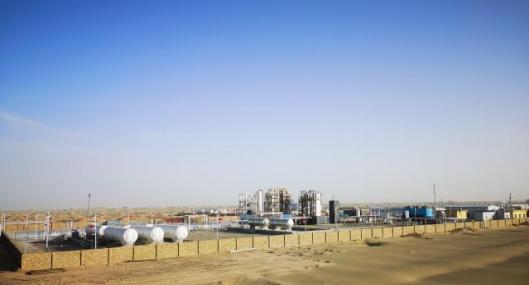
Not every biogas upgrading system performs equally under real-world conditions. The best biogas technology must achieve three things: high methane recovery (>99%), low methane slip (<0.5%), and stable operation with variable feed gas quality. Membrane separation excels here because it uses selective polymer fibers that allow CO₂ to permeate faster than methane.
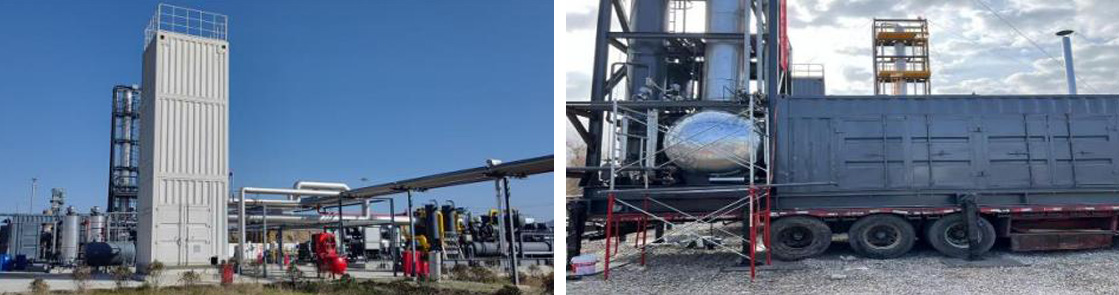
Unlike PSA which requires complex valve rotations and frequent adsorbent replacement, membrane systems run quietly with no moving parts in the separation core. This makes them ideal for continuous 24/7 operation. Additionally, membrane skids can be housed inside standard 40ft containers, turning any biogas site into a mobile upgrading unit.
Data from recent installations show that membrane-based upgrading cuts total electricity use by nearly 30% compared to water scrubbing. When you add CO₂ liquefaction as an add-on, the carbon intensity score improves further, making the whole chain more competitive for RINs and voluntary carbon credits.
Steam Explosion – The Pre-Treatment That Makes the Best Biogas Technology Even More Powerful
Before gas upgrading even begins, the quality of raw biogas depends heavily on how well the feedstock was digested. Steam explosion pre-treatment dramatically accelerates anaerobic digestion. With OPM’s steam explosion reactor, raw biomass fermentation time shortens from 28–60 days to just 3–7 days. This reduction means you need only 10% of the conventional digester volume, slashing capital expenses.
Why does this matter for upgrading? A more consistent and faster digestion produces biogas with steadier methane content. Membrane systems love stable inlet conditions – they operate at peak separation efficiency when CO₂ levels vary little. By pairing steam explosion with membrane upgrading, plant owners have reported 11% higher biogas yield from the same feedstock volume, simply because the pre-treated straw becomes a homogenous slurry that never stratifies or bridges inside the digester.
One project in Southeast Asia processed rice straw that previously took 60 days to degrade. After installing a steam explosion unit followed by a three-stage membrane upgrading plant, the same digester volume handled three times the throughput. That is the kind of synergy that makes a technology package truly unbeatable.
Inside the Membrane Separators – Why They Represent the Core of the Best Biogas Technology
At the heart of OPM’s biogas upgrading systems lies advanced membrane technology. The membranes are arranged in three stages to maximize methane purity. Raw biogas first passes through a desulfurization unit (H₂S removal), then enters the first membrane bank where most CO₂ is separated. The retentate (methane-rich stream) goes through a second and third membrane stage to polish the product to over 98% CH₄.
What makes these membranes exceptional is their high separation efficiency combined with low pressure drop. Typical membrane systems require inlet pressure around 10–15 bar, which is easily provided by a screw compressor. The rejected CO₂ stream still contains some methane – that’s why the three-stage design recycles the permeate from later stages back to the inlet, capturing almost every methane molecule. Final methane loss stays below 0.5%, well within EU and North American renewable natural gas standards.
For landfill gas upgrading (which often contains siloxanes and higher hydrocarbons), OPM combines membrane technology with a PSA polishing step. This hybrid approach ensures no impurities damage the membranes while still achieving pipeline-grade biomethane. All these configurations come as modular, skid-mounted units that can be installed in less than two weeks.
From Pellet Mills to Upgrading – How Preparation Equipment Supports the Best Biogas Technology
Raw straw, stalks, and husks often arrive with moisture levels around 30% and particle sizes up to 50mm. Feeding such material directly into a digester leads to floating layers, blockages, and incomplete conversion. That’s where OPM’s straw-oriented pellet mills become essential. They combine milling and pelletizing, reducing straw from 30-50mm down to 2-3mm particles. This size reduction increases the surface area for enzymes by a factor of ten.
Better particle size distribution means faster hydrolysis and higher volatile solids destruction. In actual trials, using OPM pellet mills before digestion boosted biogas harvest by 11% without any other changes. When you already deploy the best biogas technology for upgrading, that extra 11% of biogas translates directly into more pipeline biomethane or CNG vehicle fuel.
The pellet mill itself is built around a heavy-duty helical gearbox with machining accuracy of 0.8μm – the same standard used in wind turbine gearboxes. No internal bearings inside the roller shells means zero bearing failure risk and no high-temperature grease costs. Operators have run these mills 24/7 with only routine external cooling tower maintenance. Lower downtime for preparation equipment directly increases the uptime of the upgrading plant.
Real-World Performance Data: Cost, Durability, and Energy Efficiency
Let’s look at numbers from operating plants. A 500 Nm³/h biogas upgrading facility using three-stage membrane technology consumes around 0.22 kWh per Nm³ of raw gas. That is significantly lower than water scrubbing at 0.35 kWh/Nm³ and competitive with the best PSA systems. Moreover, membrane systems require no chemical regeneration or hot water circulation, cutting thermal energy use to nearly zero.
Longevity is another strong point. OPM supplies gearboxes for membrane system compressors with a warranty period that is the longest in the industry – up to 15 years. The gearbox housings are produced in a 530,000 m² facility that also makes drives for naval vessels and nuclear power plants. This level of manufacturing precision means the rotating equipment behind the best biogas technology will outlast most other plant components.
One US-based renewable gas producer replaced an aging PSA unit with a containerized membrane system from OPM. The result: methane purity increased from 96% to 98.5%, and methane slip dropped from 3% to 0.4%. Annual maintenance costs fell by 60% because there were no adsorbent vessels to refill. The entire retrofit paid for itself in 14 months.
Comparing Membrane Upgrading with PSA and Water Scrubbing
Water scrubbing is simple but suffers from high parasitic loads and large water treatment needs. PSA is compact but requires frequent valve maintenance and adsorbent replacement every 3-5 years. Membrane technology avoids both pitfalls. There are no consumable adsorbents, no water treatment chemicals, and no fast-switching valves that wear out.
Membrane systems also respond better to fluctuating inlet methane concentrations. If digester conditions change and methane drops from 55% to 48%, a membrane plant automatically adjusts the recycle ratio, while PSA might need re-tuning. That resilience makes membrane separation the preferred choice for farms, landfills, and food waste digesters where feed composition varies seasonally.
From a safety perspective, membrane systems operate at lower temperatures than thermal oxidizers used in some PSA tail-gas treatment. And because the CO₂ permeate is typically vented or sent to a CO₂ liquefaction unit, there is no flammable off-gas stream. Many engineering firms now specify membrane technology as the baseline for any new biogas upgrading project.
Conclusion: Investing in the best biogas technology Secures Long-Term ROI
Choosing a biogas upgrading system is not just about today’s price – it is about total cost of ownership over 10-15 years. Membrane systems deliver the lowest methane slip, the highest uptime, and the simplest maintenance schedule. When paired with steam explosion pretreatment for faster digestion and pellet mills for size reduction, the entire value chain becomes more efficient. Whether you are developing a new agricultural biogas plant or retrofitting an old landfill gas facility, the data is clear: membrane-based upgrading from a proven manufacturer provides the most reliable pathway to pipeline-grade biomethane. Visit https://www.biogasupgradingplants.com/ to explore specific configurations, containerized solutions, and CO₂ liquefaction add-ons that further improve your carbon intensity score.
Frequently Asked Questions About Biogas Upgrading Technology
Q1: What methane purity can I realistically achieve with the best
biogas technology based on membranes?
A1: With a
three-stage membrane system like those from OPM, final methane content
consistently exceeds 98% (CO₂ below 2%). Some configurations even reach 99.5%
when a fourth membrane stage is added. This meets most pipeline injection
standards and vehicle fuel specifications (including CNG and LNG). The key is
proper pre-treatment of H₂S and moisture before the membranes.
Q2: How does steam explosion pre-treatment reduce digester
investment?
A2: Steam explosion breaks down
lignocellulosic structures in biomass, making cellulose readily accessible to
anaerobic bacteria. Fermentation time drops from 28–60 days to just 3–7 days.
Because the required retention time is so much shorter, you can reduce digester
volume by up to 90% for the same feedstock throughput. That directly lowers
civil construction costs and land use.
Q3: Is membrane technology more expensive than PSA or water scrubbing
for small-scale plants?
A3: Initial capital costs
for membrane systems are comparable to high-end PSA. However, for flows below
200 Nm³/h, water scrubbing can appear cheaper upfront but carries higher energy
costs. Membrane systems scale down efficiently – many manufacturers offer
containerized 50–150 Nm³/h units. Over a 10-year period, membranes typically
show the lowest levelized cost due to minimal consumables and lower electricity
use.
Q4: Can the best biogas technology handle high hydrogen sulfide (H₂S)
levels?
A4: Membrane materials are sensitive to H₂S
above 200 ppm. That is why OPM’s integrated solution includes a dedicated H₂S
removal step (biological or iron-sponge) before the membranes. The entire system
fits inside a 40ft container, with the desulfurization unit automatically
regenerating. For landfill gas with very high H₂S, a two-stage polishing system
is available.
Q5: How do I maintain a membrane upgrading plant, and what is the
expected membrane lifetime?
A5: Maintenance
involves periodic filter changes (particulate and carbon pre-filters) and
compressor oil changes every 8,000 operating hours. The membrane fibers
themselves require no maintenance. With proper pre-filtration, membrane modules
last 7–10 years. After that, they can be replaced individually without changing
the entire skid. OPM provides a 15-year gearbox warranty on the compressors, so
the rotating equipment is covered for the long haul.
Q6: Does adding CO₂ liquefaction improve the overall economics of
biogas upgrading?
A6: Absolutely. Instead of
venting the CO₂-rich permeate stream, a liquefaction unit recovers food-grade or
industrial-grade liquid CO₂. This product can be sold to beverage or greenhouse
industries, creating a second revenue stream. Additionally, capturing CO₂ lowers
the carbon intensity score of your biomethane, which improves eligibility for
low-carbon fuel credits (e.g., California LCFS). Many OPM clients see payback on
the liquefaction add-on in under two years.