


News
We'll get back to you as soon as possible.
Azolla Biogas Production: Efficient Feedstock Strategy for Industrial Biomethane Upgrading
Azolla biogas production is emerging as a highly viable route within the renewable energy sector, especially for facilities that prioritize rapid biomass turnover and low-cost carbon capture. The aquatic fern Azolla doubles its biomass every 3–5 days, making it a prolific substrate for anaerobic digestion. For international biogas upgrading equipment manufacturers, integrating Azolla into the feedstock mix requires precise control over hydrogen sulfide and carbon dioxide removal—parameters that modern membrane and PSA systems handle efficiently.
Unlike conventional energy crops, Azolla does not compete with food agriculture. It thrives on wastewater, rice paddies, or shallow ponds, converting atmospheric nitrogen into protein-rich biomass. This characteristic lowers fertilizer input while delivering consistent biogas yields. As global demand for biomethane injection rises, azolla biogas production offers a scalable, decentralized path to pipeline-grade gas.
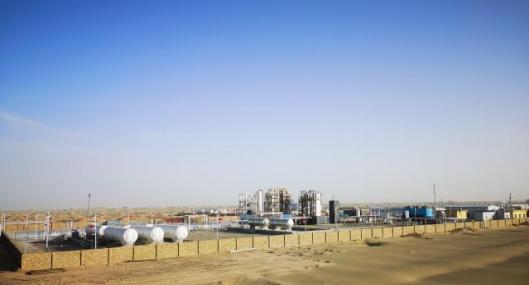
Why Azolla Biogas Production Supports Decentralized Bioenergy Plants
Many agricultural regions face challenges with conventional manure or silage-based digesters due to high logistics costs. Azolla grows locally, reducing transport emissions and operational expenses. Small to medium-sized biogas plants can harvest Azolla weekly and feed it directly into continuously stirred tank reactors (CSTRs).
Fast regrowth: Up to 8–10 tons of fresh biomass per hectare per week under tropical conditions.
Self-fertilizing: Cyanobacteria symbiosis fixes nitrogen, eliminating external N-addition.
Low lignin content: Typically 12–16% lignin, improving hydrolysis rates in digesters.
Compatible with wet digestion: High moisture content (≈90-94%) blends smoothly with liquid manure or food waste.
This compatibility makes azolla biogas production attractive for farm-scale installations, helping farmers monetize unused water surfaces. Many European equipment suppliers now design modular digesters that accept aquatic biomass with specific pumping and mixing adaptations.
Biochemical Parameters and C/N Ratio Optimization
Raw Azolla typically shows a carbon-to-nitrogen ratio between 12:1 and 18:1, which is slightly low for ideal methanogenesis (optimal range 20–30:1). However, co-digestion with carbon-rich substrates (rice straw, sawdust, or glycerin) balances the mix. The result is stable biogas production without ammonia inhibition.
Bench-scale trials demonstrate that Azolla co-digested with corn stover (70:30 ratio) increases specific methane yield by 34% compared to Azolla alone. Volatile solids (VS) reduction reaches up to 68% after 30 days of hydraulic retention. For industrial developers, azolla biogas production requires monitoring of free ammonia levels, especially in non-co-digested scenarios.
Optimal pH range: 6.8 – 7.5 for Azolla-based digesters.
Typical retention time: 22–28 days under mesophilic conditions (35–38°C).
Pre-treatment recommendation: Mechanical maceration (2–5 mm particle size) to improve surface area.
Key Upgrading Equipment for Azolla Biogas Production and Purification
Raw biogas from Azolla digestion contains 50–65% CH4, 35–45% CO2, and trace H2S (up to 1200 ppm due to moderate sulfur content). Upgrading to biomethane (≥96% CH4) follows standard ISO 13624-1:2022. Leading international equipment manufacturers offer tailored skids that handle the specific gas matrix of Azolla-derived biogas.
Membrane separation is highly effective for CO2 removal, especially when H2S is first removed via biological trickling filters or iron sponge polishing. Water scrubbing remains cost-effective for small plants, but membrane systems provide higher methane recovery (>99%). Pressure swing adsorption (PSA) suits medium-scale projects where pipeline injection is required. All these technologies are directly compatible with azolla biogas production flows, provided that upstream particulate filtration is installed.
Biological desulfurization: Uses oxygen micro-dosing to oxidize H2S into elemental sulfur — ideal for Azolla’s sulfur content.
Membrane skids (CO2/CH4 separation): 3-stage design with recycle loop for high purity.
PSA (Pressure Swing Adsorption): Works with variable flow rates typical of aquatic biomass seasonality.
Cryogenic upgrading: Less common, but feasible for large centralized plants processing multiple feedstocks including Azolla.
Manufacturers such as DMT Environmental Technology, Pentair, and Greenlane Renewables have tested Azolla biogas in pilot units, confirming that upgrading equipment requires only minor modifications to pre-treatment stages (e.g., particle filtration).
Integration into Existing Anaerobic Digestion Facilities
Retrofitting a conventional manure digester for azolla biogas production is straightforward. Azolla paste (dewatered to 15–20% dry matter) can be pumped into the feed tank alongside slurry. The key adaptation is installing a chopper pump or macerator to avoid filamentous clogging. Furthermore, because Azolla has low C/N, adding agricultural residues or glycerol improves gas quality and prevents volatile fatty acid accumulation.
Facilities in Southeast Asia and South America have already adopted co-digestion of Azolla with pig manure. Data from a 200 m³ pilot in the Philippines showed that including 35% Azolla (based on volatile solids) boosted methane production by 27% without changing biogas upgrading equipment. These results confirm azolla biogas production as a plug-and-play option for most digesters.
Economic and Environmental Benefits in Real-World Scenarios
Azolla cultivation requires minimal land preparation and no chemical nitrogen fertilizers. The water fern also absorbs phosphorus and heavy metals from wastewater, acting as a biofilter. When used for biogas, the digestate serves as an organic fertilizer high in potassium and micronutrients, closing the nutrient loop.
Carbon credit potential: Avoided methane from open water decay and substitution of fossil natural gas.
Low CAPEX for feedstock: Azolla can be harvested manually or with small floating harvesters (€3000–€8000).
Digestate value: Up to 6 tons of N-equivalent fertilizer per hectare per year.
Water conservation: Grown on non-potable or drainage water without irrigation demands.
For equipment providers, offering complete “Azolla-to-biomethane” solutions including harvester, digester, and upgrading skid will attract carbon-conscious investors. The trend aligns with EU RED III and US RFS targets for advanced biofuels.
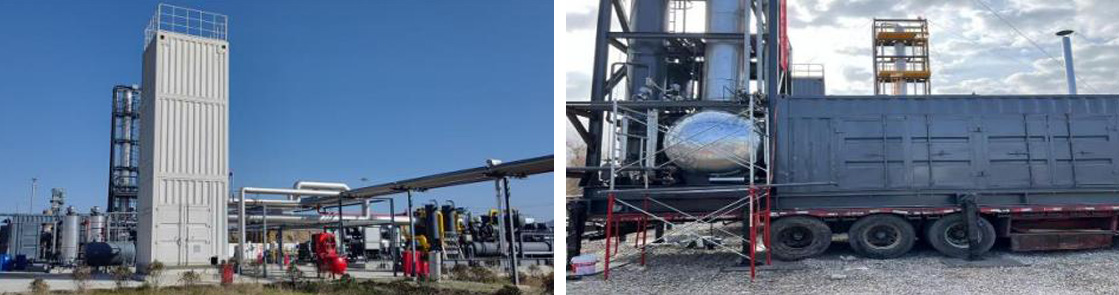
Technical Challenges and Mitigation Strategies
Despite its advantages, industrial azolla biogas production faces challenges like seasonal yield variation and high water content. During colder months, productivity drops unless greenhouses or heated ponds are used. To counter this, operators can store surplus Azolla as silage (ensiling with lactic acid bacteria) to maintain year-round feedstock supply.
Another issue is the potential for foam formation due to protein-rich biomass. Adding small amounts of antifoam agents or modifying the impeller design reduces this risk. Upgrading equipment must also feature robust H2S removal stages because sulfur in Azolla proteins (cysteine, methionine) can elevate H2S up to 2000 ppm. Biological desulfurization with controlled oxygen injection is the most reliable solution.
Adapt harvest frequency: every 7–10 days to maintain juvenile biomass with lower fiber content.
Install online H2S analyzers to protect upgrading membranes.
Co-digest with 10–20% carbon-rich agro-waste (sawdust, husk) to stabilize pH.
Future Outlook: Scaling Azolla Biogas Production Globally
The pathway toward affordable biomethane includes low-cost, high-yield feedstocks that do not compete with food. Azolla meets all criteria: it captures solar energy efficiently, fixes its own nitrogen, and grows in marginal water bodies. Equipment manufacturers can accelerate this transition by designing modular pre-treatment units and gas upgrading systems that match the specific needs of aquatic biomass. As research continues, azolla biogas production is positioned to become a mainstream solution for farmers, waste-to-energy entrepreneurs, and utilities seeking sustainable gas supply.
International collaborations between research institutes and biogas equipment suppliers have already started. Standardized guidelines for azolla biogas production will emerge within the next two years, enabling turnkey projects from Mekong Delta to Sub-Saharan Africa. The combination of rapid growth, low input cost, and compatibility with existing anaerobic digestion infrastructure makes Azolla a compelling choice in the renewable gas portfolio.